What are Awls & Marking Tools?
Awls and marking tools are essential hand tools used in various industrial and manufacturing applications. An awl is a pointed tool designed for making small holes or indentations in materials such as wood, leather, or metal. Marking tools, on the other hand, are used to create visible marks on surfaces to guide cutting, drilling, or assembly processes. Both types of tools are crucial for precision work, ensuring accuracy and efficiency in production.
These tools find extensive use in industries such as woodworking, metalworking, textile manufacturing, and construction. For instance, woodworkers use awls to pre-drill holes for screws, while metalworkers may use marking tools to outline cuts on sheet metal. The ability to create precise marks and holes directly contributes to the quality of the final product, making these tools indispensable in professional settings.
In the current market, awls and marking tools are widely available and come in various designs and materials to suit different applications. The demand for these tools remains robust due to ongoing advancements in manufacturing processes and the increasing emphasis on precision and quality in industrial production.
Key Features and Specifications
Awls and marking tools are designed with specific features that enhance their usability and effectiveness. When selecting these tools, it is important to consider their specifications to ensure they meet the required standards for your applications.
Key specifications include:
1. Material Composition
- Typically made from high-carbon steel or stainless steel for durability and longevity.
- Some models may feature ergonomic handles for improved grip and comfort.
2. Tip Design
- Various tip shapes are available, including pointed, chiseled, or flat tips for different marking needs.
- The tip size can range from fine to coarse, catering to diverse marking precision requirements.
3. Length and Size
- Awls typically come in lengths ranging from 4 to 8 inches, while marking tools can vary in size based on their intended use.
- The size of the tool affects its maneuverability and the precision of the marks made.
4. Handle Type
- Handles may be made of plastic, rubber, or wood to provide comfort and control during use.
- Some models feature non-slip grips for better handling.
5. Weight
- Lightweight designs are preferred for ease of use over extended periods.
- Heavier models may provide better control for specific applications.
6. Precision Marking
- Many marking tools incorporate features that allow for fine marking, such as scribing points or fine tips.
- This ensures clear visibility of markings on various surfaces.
7. Versatility
- Many tools are designed to work on multiple materials, including wood, metal, and plastic.
- This versatility makes them useful across different industries.
In summary, understanding the key features and specifications of awls and marking tools is essential for making informed purchasing decisions that align with specific industrial needs.
Common Applications and Use Cases
Awls and marking tools are versatile and applicable in multiple industries, each requiring precision and accuracy.
1. Woodworking: In woodworking, awls are used to create pilot holes for screws, ensuring proper alignment and reducing the risk of wood splitting. Marking tools help in accurately laying out designs or cuts on wood surfaces.
2. Metalworking: Metalworkers utilize marking tools to mark cutting lines or drill points on metal sheets. This ensures precise cuts and helps maintain tolerances in fabricated parts.
3. Textile Manufacturing: In textiles, marking tools are crucial for pattern marking on fabrics. This facilitates accurate cutting and sewing, which is vital for garment production.
4. Construction: Builders use awls for creating starter holes in various materials, aiding in the installation of fixtures. Marking tools are used to outline measurements on walls or floors.
5. Leatherworking: Artisans use awls to create holes for stitching or riveting in leather goods. Marking tools assist in layout designs before cutting.
6. Engineering: Engineers often use these tools for prototyping and assembly, ensuring that components fit together correctly.
7. Crafting: Hobbyists and crafters utilize awls and marking tools for various projects, from model-making to intricate designs.
Product Variants and Subcategories
Awls and marking tools come in various types, each designed for specific tasks and industries. This diversity allows users to select the best tool for their needs.
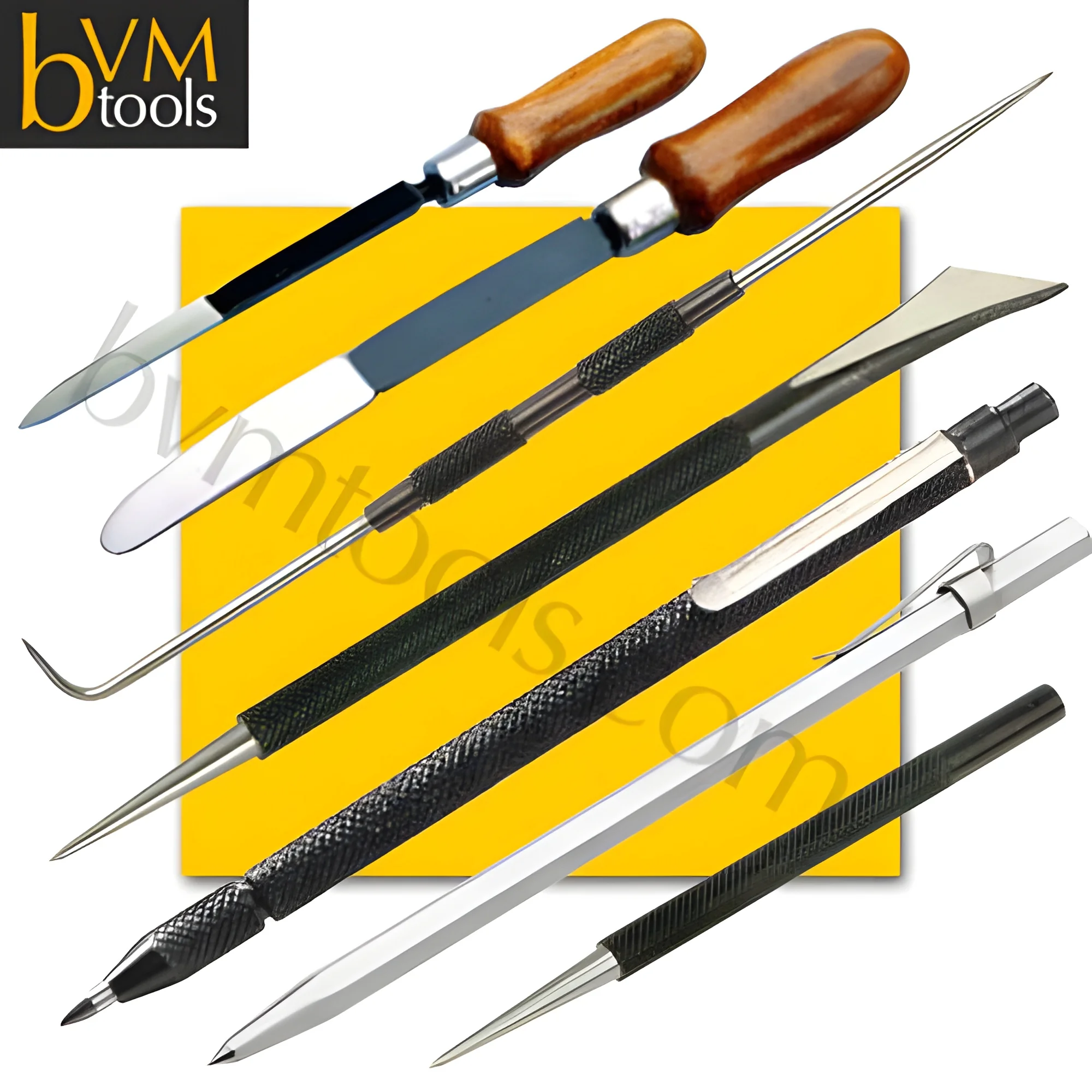
Standard Awl
This basic variant features a pointed metal tip and a comfortable handle. It is ideal for making pilot holes in wood or leather.
Scribe Tool
A scribe tool features a sharp metal point designed for marking hard surfaces like metal or glass. It is commonly used in metalworking and crafting.
Punch Awl
Punch awls have a thicker design and are used for creating larger holes in tougher materials. They are suitable for heavy-duty applications in construction and manufacturing.
Marking Knife
A marking knife features a sharp blade and is used for precise marking on wood or other materials. It is particularly useful in woodworking for clean cuts.
Chalk Line Tool
This tool is used for marking long, straight lines over large surfaces. It is commonly used in construction and layout work.
Benefits and Advantages
Awls and marking tools offer numerous benefits that enhance productivity and precision in various applications.
1. Enhanced Precision: These tools allow for accurate marking and hole creation, minimizing errors during production.
2. Improved Efficiency: By facilitating quick and easy marking or drilling, these tools help streamline workflows and save time.
3. Versatility: Awls and marking tools can be used across multiple materials and industries, making them highly adaptable for different tasks.
4. Ergonomic Design: Many tools are designed with user comfort in mind, reducing fatigue during extended use and improving handling.
5. Cost-Effectiveness: Investing in quality awls and marking tools can lead to long-term savings by reducing material waste and improving overall work quality.
6. Easy to Use: These tools are straightforward in design, making them accessible for both professionals and hobbyists.
Buying Guide for B2B Buyers
When sourcing awls and marking tools for your business, it is essential to consider several important factors.
1. Quality Assessment: Investigate the materials and craftsmanship of the tools. Look for high-quality steel and ergonomic designs that enhance usability and durability.
2. Supplier Verification: Ensure that suppliers are reputable and provide reliable products. Check for reviews, testimonials, and industry certifications.
3. Pricing and MOQ: Consider the pricing structure and minimum order quantities. Compare quotes from multiple suppliers to find the best value for your budget.
4. Delivery and Lead Times: Understand the logistics involved in procurement. Confirm delivery schedules to ensure timely availability of tools for your operations.
5. Compliance Requirements: Be aware of any industry regulations or compliance standards relevant to your tools. Ensure that the products meet necessary safety and quality standards.
Compliance and Certifications
Awls and marking tools must adhere to certain quality standards and certifications to ensure safety and reliability in industrial applications.
Relevant quality standards include ISO 9001, which ensures that products meet international quality management criteria. This certification indicates that the manufacturing processes are efficient and consistently produce quality tools.
In addition, compliance with CE marking is essential for tools sold within the European Union. It signifies that the products meet health, safety, and environmental protection standards.
Safety and testing requirements are crucial, particularly for tools that may pose risks during use. Manufacturers should conduct thorough testing to ensure their products are safe and reliable.
Regional compliance considerations may vary, so it is important to understand the specific regulations that apply to your market. This can include local safety standards and material regulations.
Why Source Awls & Marking Tools from Pepagora?
Pepagora offers a trusted platform for sourcing high-quality awls and marking tools, providing several key advantages for B2B buyers.
Verified Supplier Network: Pepagora ensures that all suppliers in its network are thoroughly vetted. This verification process helps buyers access reliable partners who deliver quality products.
Streamlined RFQ Process: The platform simplifies the request for quotation (RFQ) process, allowing buyers to easily compare offers and select the best options for their needs.
Trade Assurance and Support: Pepagora provides trade assurance, which protects buyers against risks associated with procurement. This includes support throughout the purchasing process, ensuring a positive experience.
Regional Coverage: With a strong presence in India, the GCC, and Southeast Asia, Pepagora offers extensive regional coverage. This enables buyers to find suitable suppliers close to their operations, enhancing logistics and delivery efficiency.

 IN
IN