𝗪𝗵𝗮𝘁 𝗮𝗿𝗲 𝗖𝗮𝗿𝘁𝗼𝗻𝘀 𝗳𝗼𝗿 𝗚𝗮𝗿𝗺𝗲𝗻𝘁𝘀 & 𝗔𝗽𝗽𝗮𝗿𝗲𝗹?
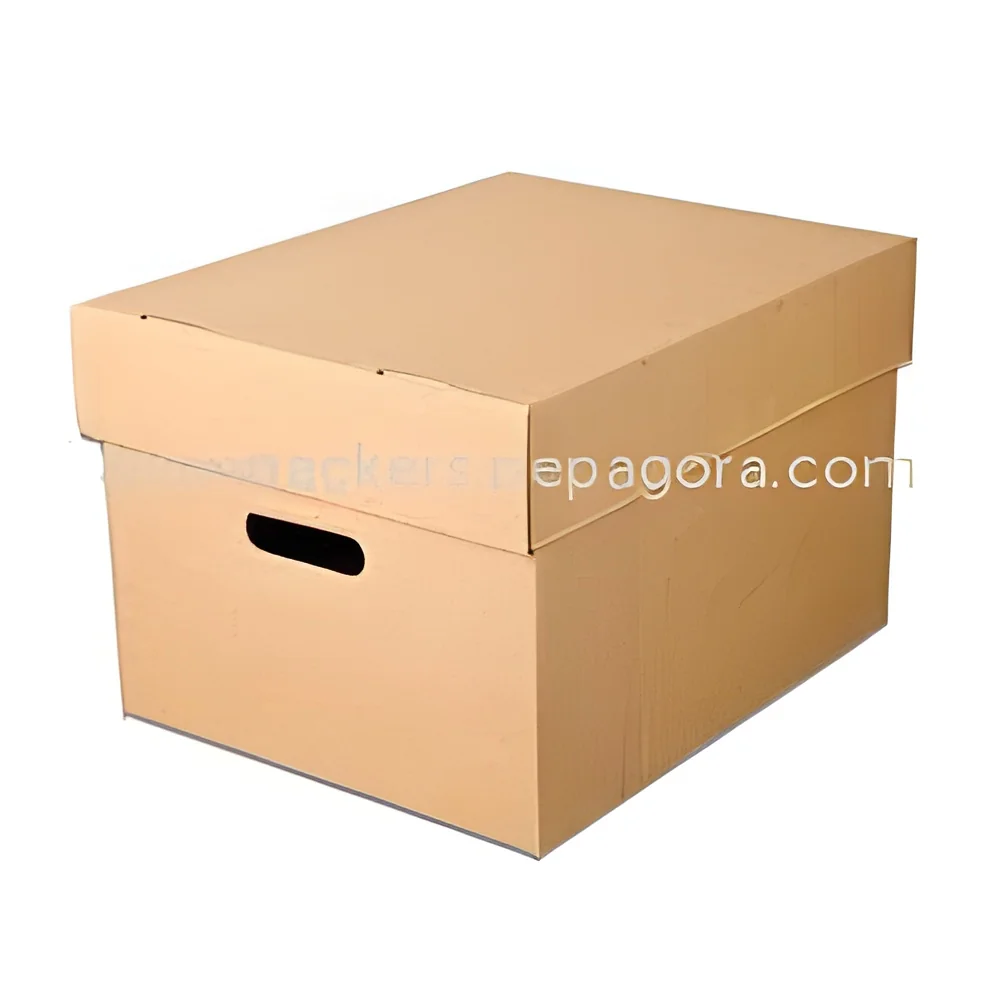
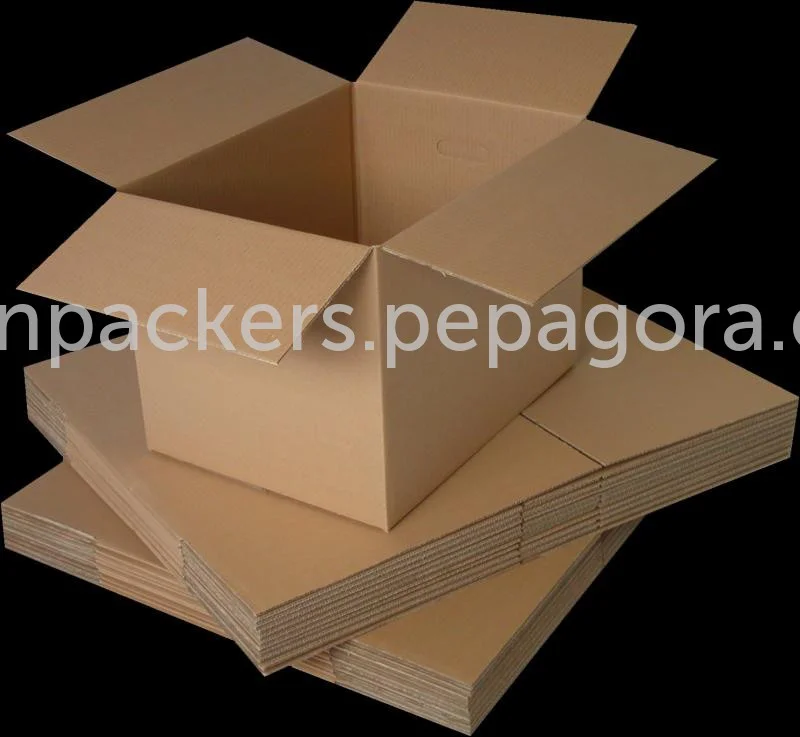
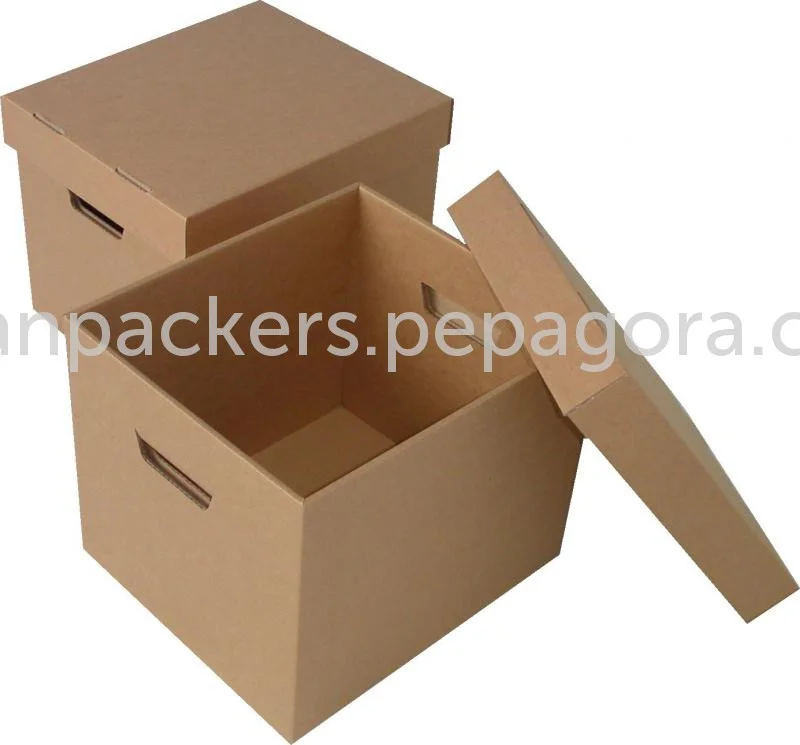
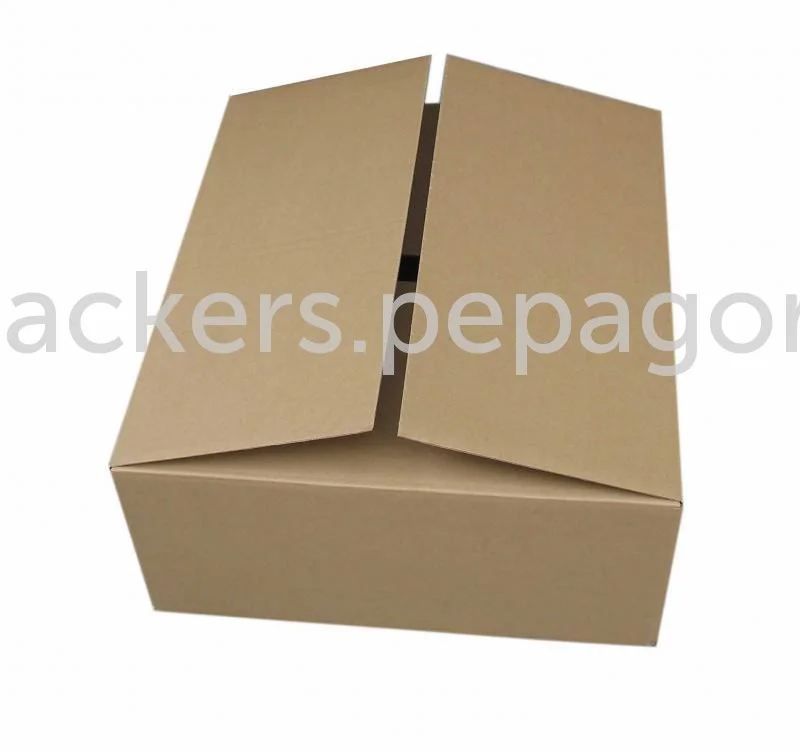
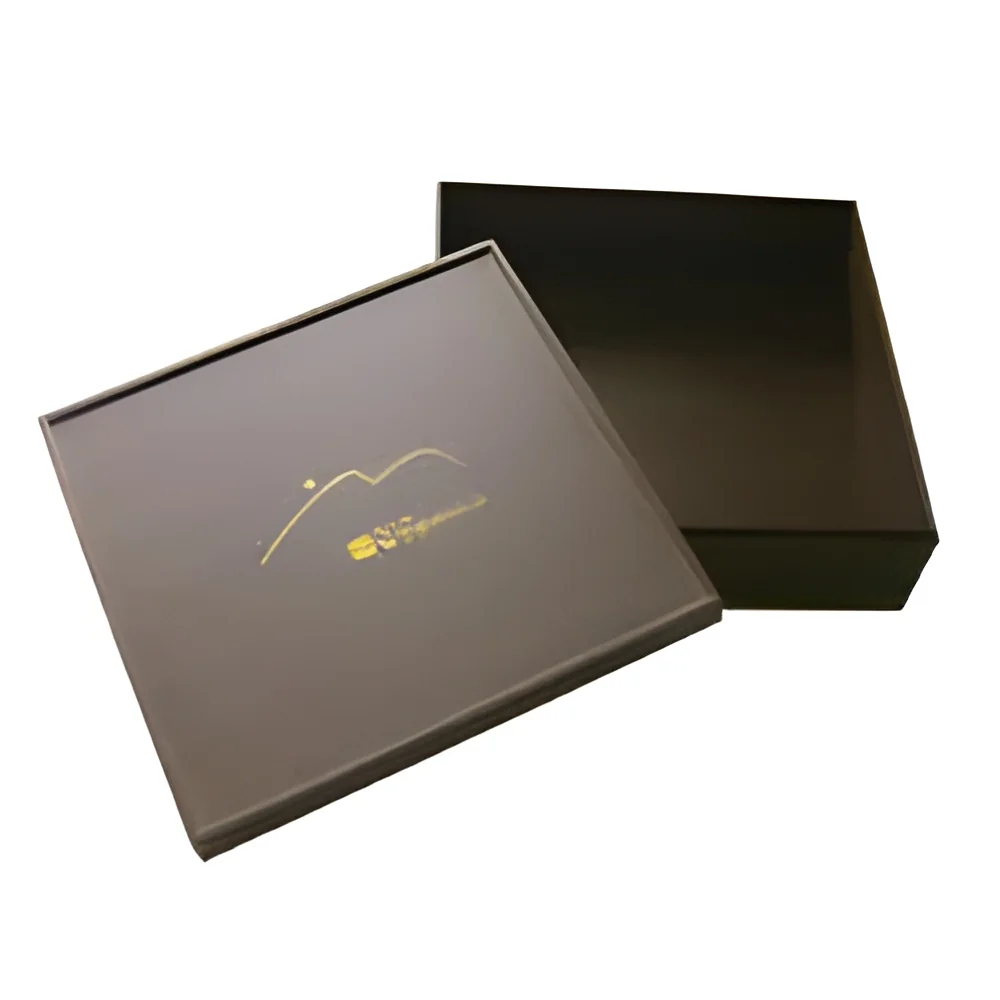
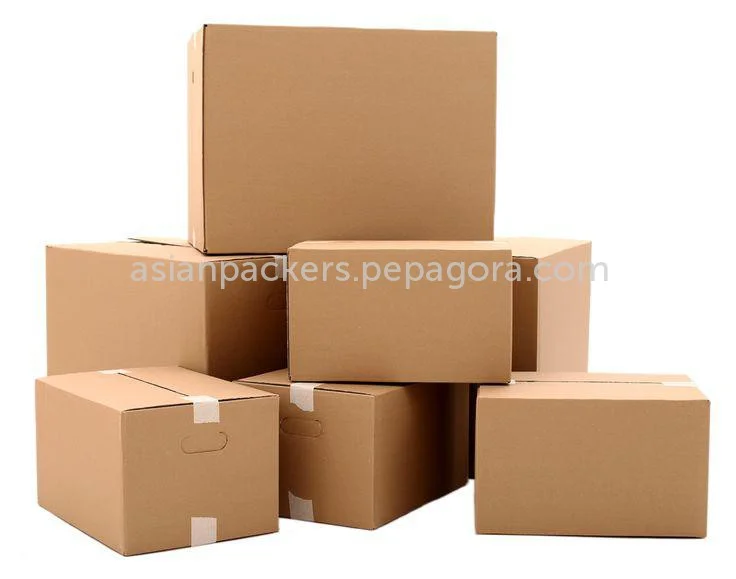
Cartons for garments and apparel are specialized packaging solutions designed to protect and transport clothing items efficiently. These cartons are typically made from sturdy materials that can withstand the rigors of shipping and handling while ensuring that the garments remain in pristine condition. Their design often accommodates various clothing types, from bulk items to individual pieces, facilitating organization and ease of access.
These cartons serve a critical role in the fashion and retail industries, where packaging is not only functional but also a part of branding. They are used extensively in the shipping and storage of garments, helping businesses manage inventory effectively. With a focus on presentation, many cartons are designed to be visually appealing, enhancing the unboxing experience for end-users. As e-commerce continues to grow, the demand for reliable and attractive packaging solutions is more vital than ever.
In the current market context, the significance of cartons for garments and apparel is amplified by the need for sustainability and efficiency in supply chains. Manufacturers and retailers are increasingly looking for eco-friendly materials and innovative designs that reduce waste and enhance the overall customer experience.
𝗞𝗲𝘆 𝗙𝗲𝗮𝘁𝘂𝗿𝗲𝘀 𝗮𝗻𝗱 𝗦𝗽𝗲𝗰𝗶𝗳𝗶𝗰𝗮𝘁𝗶𝗼𝗻𝘀
Cartons for garments and apparel come with a variety of features that cater to the diverse needs of the industry. Understanding these specifications is crucial for businesses looking to source the right packaging.
Key specifications include:
1. Material Type
- Typically made from corrugated cardboard or paperboard
- Provides strength and durability for various garment types
2. Size and Dimensions
- Available in multiple sizes to suit different clothing items
- Custom sizing options may be available to meet specific needs
3. Weight Capacity
- Designed to handle varying weights depending on garment type
- Ensures safe transport without risk of damage
4. Closure Options
- Features such as tuck flaps or adhesive seals for secure closure
- Easy to open and reseal for customer convenience
5. Printing Capabilities
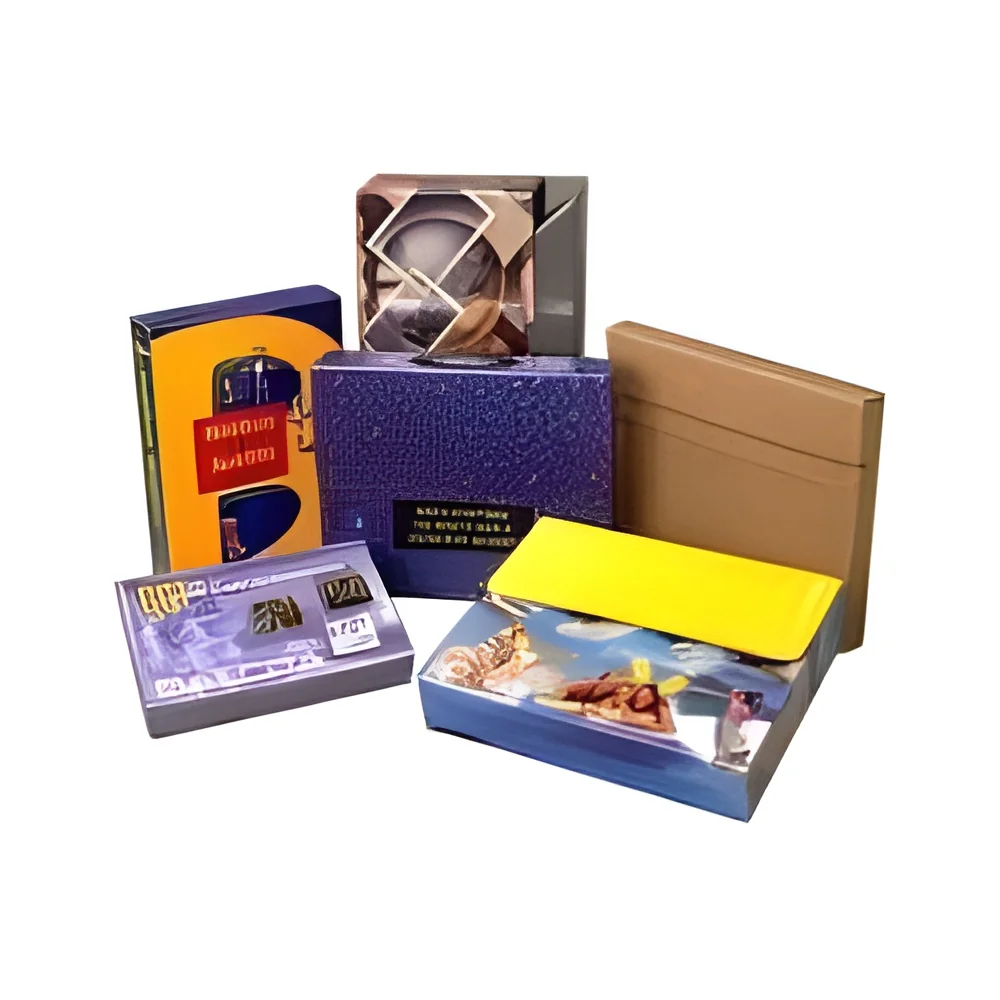
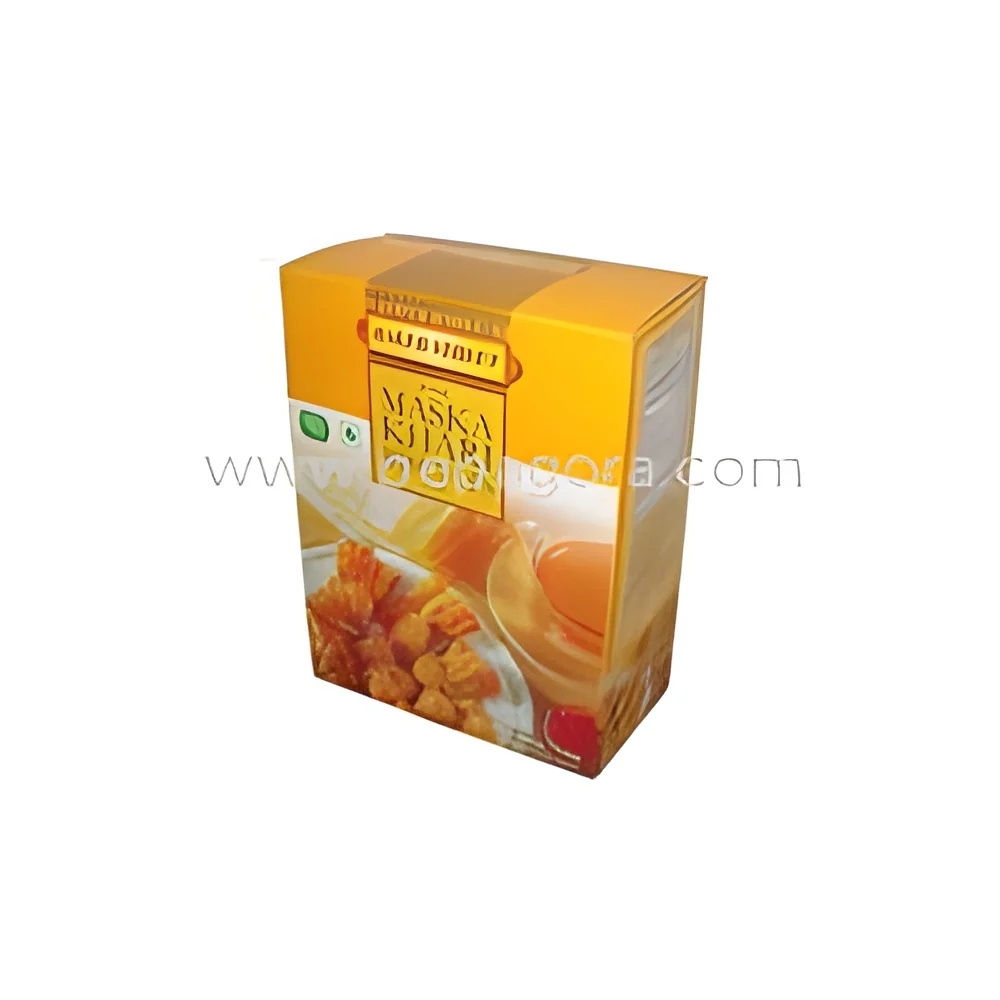
- Options for custom printing to enhance branding
- High-quality print finishes to showcase logos and designs
6. Environmental Considerations
- Availability of recyclable and biodegradable materials
- Compliance with sustainability standards
7. Stackability
- Designed for efficient stacking during storage and transport
- Maximizes space utilization in warehouses and shipping containers
8. Ventilation
- Some cartons may include ventilation holes to prevent moisture buildup
- Helps maintain garment quality during transit
These features ensure that cartons for garments and apparel meet the specific needs of various businesses while providing reliable protection for their products.
𝗖𝗼𝗺𝗺𝗼𝗻 𝗔𝗽𝗽𝗹𝗶𝗰𝗮𝘁𝗶𝗼𝗻𝘀 𝗮𝗻𝗱 𝗨𝘀𝗲 𝗖𝗮𝘀𝗲𝘀
Cartons for garments and apparel are utilized across several industries, each with unique requirements for packaging.
1. Fashion Retail: Retailers use these cartons to package clothing for both in-store displays and online orders, ensuring that garments are presented attractively and securely.
2. E-commerce: Online businesses rely on these cartons for shipping garments directly to consumers, emphasizing the need for durable and visually appealing packaging.
3. Wholesale Distribution: Wholesalers often use cartons to bulk package clothing items for distribution to various retailers, facilitating efficient logistics.
4. Exporting: Companies exporting garments require robust cartons that can withstand international shipping conditions, ensuring products arrive in excellent condition.
5. Custom Apparel: Businesses that offer customized clothing solutions use these cartons to package unique items, enhancing brand identity and customer satisfaction.
6. Event and Trade Shows: Companies attending trade shows utilize cartons to transport samples and promotional garments, requiring packaging that is easy to handle and set up.
7. Textile Manufacturing: Manufacturers package finished clothing items in cartons to protect them during storage and transit to retailers or fulfillment centers.
𝗣𝗿𝗼𝗱𝘂𝗰𝘁 𝗩𝗮𝗿𝗶𝗮𝗻𝘁𝘀 𝗮𝗻𝗱 𝗦𝘂𝗯𝗰𝗮𝘁𝗲𝗴𝗼𝗿𝗶𝗲𝘀
Cartons for garments and apparel offer a range of variants to cater to different packaging needs. The diversity of these products allows businesses to choose the most suitable option for their specific applications.
Standard Cartons
These are the most common type used for everyday shipping and storage. They offer reliable protection and can be customized with branding elements.
Specialty Cartons
Designed for specific garment types, such as delicate fabrics or oversized items. These cartons often come with additional features like padding or unique shapes.
Eco-Friendly Cartons
Made from recycled or biodegradable materials, these cartons cater to businesses focused on sustainability. They provide an environmentally responsible packaging solution without sacrificing quality.
𝗕𝗲𝗻𝗲𝗳𝗶𝘁𝘀 𝗮𝗻𝗱 𝗔𝗱𝘃𝗮𝗻𝘁𝗮𝗴𝗲𝘀
Sourcing cartons for garments and apparel offers numerous benefits that can enhance operational efficiency and customer satisfaction.
Key benefits include:
1. Protection: High-quality cartons safeguard garments against damage during transit, reducing return rates due to shipping-related issues.
2. Branding Opportunities: Custom printed cartons enhance brand visibility and create a memorable unboxing experience for customers.
3. Cost-Effectiveness: Durable packaging reduces the likelihood of damage, leading to lower replacement costs and improved profit margins.
4. Versatility: Cartons can be tailored to fit various garment shapes and sizes, making them suitable for diverse product lines.
5. Eco-Friendliness: Many cartons are available in sustainable materials, appealing to environmentally conscious consumers and businesses.
6. Convenience: Cartons designed for easy handling and storage streamline logistics operations, saving time and labor costs.
𝗕𝘂𝘆𝗶𝗻𝗴 𝗚𝘂𝗶𝗱𝗲 𝗳𝗼𝗿 𝗕𝟮𝗕 𝗕𝘂𝘆𝗲𝗿𝘀
When sourcing cartons for garments and apparel, it is essential for B2B buyers to consider several key factors to ensure they make informed decisions.
1. Quality Assessment: Evaluate the materials and construction of the cartons to ensure they meet durability standards. Look for certifications that guarantee quality.
2. Supplier Verification: Vet potential suppliers by checking their reputation, customer reviews, and production capabilities. A reliable supplier ensures consistency and quality in products.
3. Pricing and MOQ: Understand the pricing structures and minimum order quantities (MOQ) set by suppliers. Compare multiple options to find the best balance between cost and quality.
4. Delivery and Lead Times: Inquire about the expected delivery times and logistics capabilities to ensure timely receipt of products. This is vital for maintaining inventory levels.
5. Compliance Requirements: Familiarize yourself with industry regulations and compliance standards that may affect packaging materials and processes. Ensure suppliers meet these requirements.
𝗖𝗼𝗺𝗽𝗹𝗶𝗮𝗻𝗰𝗲 𝗮𝗻𝗱 𝗖𝗲𝗿𝘁𝗶𝗳𝗶𝗰𝗮𝘁𝗶𝗼𝗻𝘀
Compliance is a crucial aspect of sourcing cartons for garments and apparel, as it ensures safety and quality in packaging materials.
Relevant quality standards include ISO 9001, which outlines criteria for quality management systems, ensuring that manufacturers maintain consistent quality in their products. Additionally, HACCP (Hazard Analysis Critical Control Point) may apply in certain contexts where food safety intersects with packaging, while GDP (Good Distribution Practice) ensures proper handling during transportation.
Industry certifications such as CE mark products as compliant with European safety standards, demonstrating their reliability and safety for end-users.
Safety and testing requirements can vary based on the materials used in cartons, necessitating rigorous testing to ensure they can withstand environmental factors such as humidity and temperature changes.
Regional compliance considerations must be taken into account, especially for businesses operating in multiple countries, as different regions may have specific regulations governing packaging materials.
𝗪𝗵𝘆 𝗦𝗼𝘂𝗿𝗰𝗲 𝗖𝗮𝗿𝘁𝗼𝗻𝘀 𝗳𝗼𝗿 𝗚𝗮𝗿𝗺𝗲𝗻𝘁𝘀 & 𝗔𝗽𝗽𝗮𝗿𝗲𝗹 𝗳𝗿𝗼𝗺 𝗣𝗲𝗽𝗮𝗴𝗼𝗿𝗮?
Pepagora offers a trusted platform for sourcing cartons for garments and apparel, providing several advantages that cater to B2B buyers.
Verified Supplier Network: Pepagora connects buyers with a network of verified suppliers, ensuring that businesses can source high-quality cartons from reputable manufacturers. This reduces the risk of subpar products and enhances confidence in purchasing decisions.
Streamlined RFQ Process: The Request for Quotation (RFQ) system simplifies the sourcing process, allowing buyers to easily request quotes from multiple suppliers. This efficiency helps businesses compare offerings and make informed choices quickly.
Trade Assurance and Support: Pepagora provides trade assurance to protect buyers from potential issues, ensuring a secure purchasing environment. Additionally, dedicated support teams are available to assist with any inquiries or challenges that may arise during the sourcing process.
Regional Coverage: With a focus on markets in India, the GCC, and Southeast Asia, Pepagora’s geographic reach allows businesses to source locally while accessing a wide range of options tailored to regional needs. This local presence further enhances the efficiency of supply chains and reduces lead times.

 IN
IN