What are Cartons for FMCG Products?
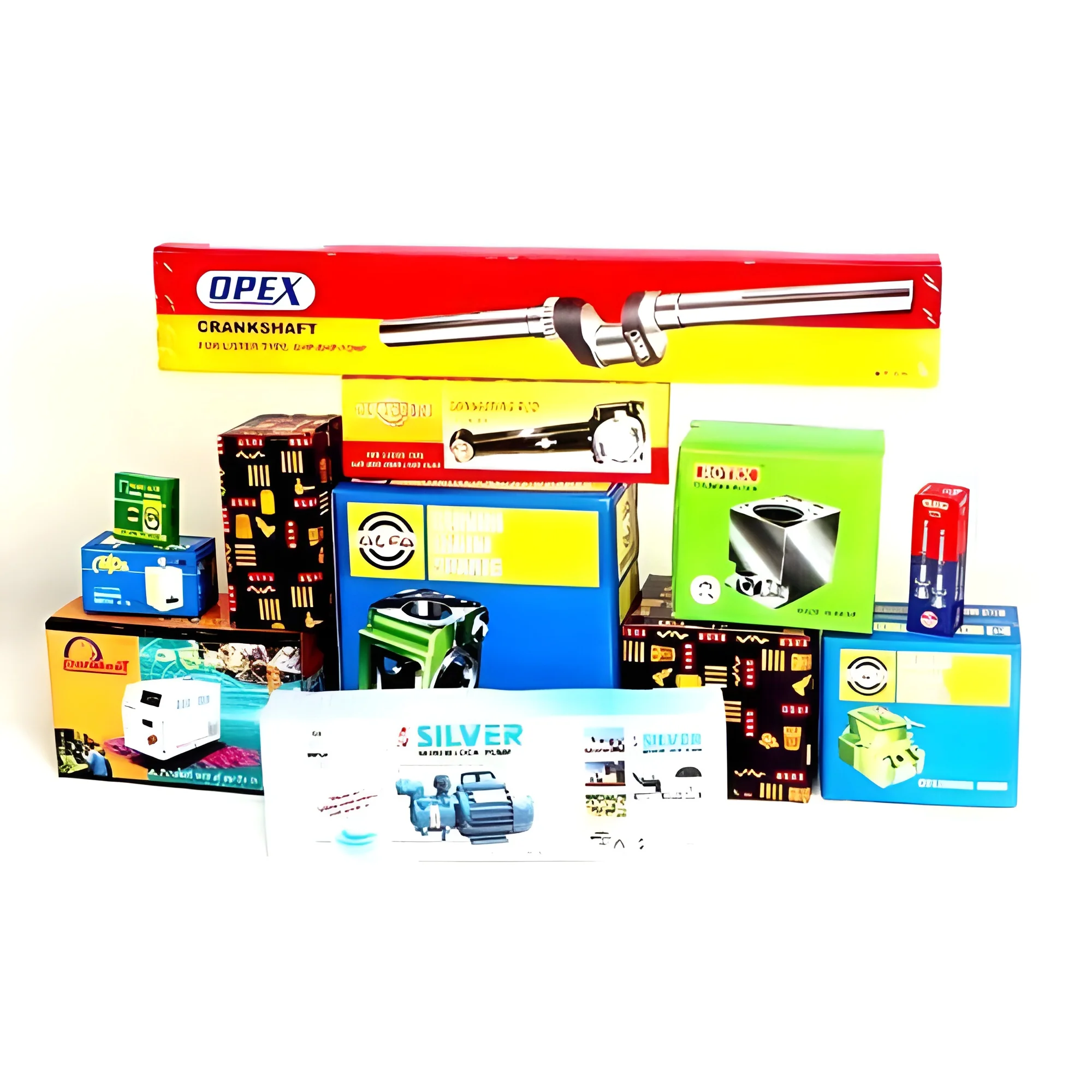
Cartons for FMCG (Fast-Moving Consumer Goods) products are specialized packaging solutions designed to protect and transport a variety of consumer items. These cartons are typically made from durable materials such as cardboard or corrugated fiberboard, ensuring that they can withstand the rigors of shipping and handling. They come in various shapes and sizes tailored to fit the specific dimensions of the products they contain, ensuring efficient use of space and minimizing damage during transit.
The primary applications of cartons for FMCG products include packaging for food items, beverages, toiletries, and household goods. Businesses utilize these cartons not only for shipping but also for retail display purposes. The design of FMCG cartons often incorporates branding elements, making them an essential part of marketing strategies. In the competitive FMCG sector, effective packaging is crucial for attracting consumers and enhancing product visibility.
In terms of industry relevance, the market for cartons is growing as e-commerce and direct-to-consumer sales increase. The demand for efficient, environmentally sustainable packaging solutions is also rising. Companies are seeking cartons that not only protect their products but also align with sustainability goals, leading to innovations in material use and design.
Key Features and Specifications
Cartons for FMCG products are characterized by several important features and specifications. These attributes are crucial for ensuring that the cartons meet the demands of various industries while providing optimal protection and usability.
Key specifications include:
1. Material Type
- Typically made from cardboard or corrugated board
- Provides strength and durability for transport
2. Size and Dimensions
- Available in a wide range of sizes
- Customizable to fit specific product dimensions
3. Weight Capacity
- Designed to hold various weights depending on the product
- Ensures safety during handling and transport
4. Closure Type
- Options include tuck-end, snap-lock, or adhesive seals
- Facilitates secure packaging and easy opening
5. Printing Options
- Can be printed with logos and product information
- Enhances branding and consumer recognition
6. Environmental Considerations
- Options for recyclable and biodegradable materials
- Meets increasing demand for sustainable packaging
7. Stackability
- Designed for efficient stacking during transport and storage
- Minimizes space usage and reduces shipping costs
8. Compliance with Safety Standards
- Must adhere to industry-specific safety regulations
- Ensures products are packaged securely for consumer safety
In summary, these key features and specifications make cartons for FMCG products essential for businesses looking to protect their goods while enhancing brand visibility and meeting sustainability goals.
Common Applications and Use Cases
Cartons for FMCG products serve numerous industries, each requiring specific applications to meet their packaging needs.
1. Food and Beverage: These cartons are used for packaging snacks, canned goods, and beverages. They provide protection against contamination and preserve product freshness.
2. Personal Care: FMCG cartons are utilized for toiletries and cosmetics. Their design allows for attractive branding while ensuring product safety during shipping.
3. Household Goods: Items such as cleaning supplies and detergents are often packaged in these cartons. They help in organizing products and provide information to consumers.
4. Pharmaceuticals: Cartons for FMCG products in the pharmaceutical sector ensure that medications are safely packaged, maintaining their integrity and compliance with health regulations.
5. Electronics: Small electronic items are often packaged in cartons that provide cushioning and protection from damage during transport.
6. Pet Products: Packaging for pet food and accessories often utilizes these cartons, ensuring product quality and safety for consumers.
7. Seasonal Goods: Cartons are also used to package seasonal items, providing a protective and attractive means of display for limited-time products.
Product Variants and Subcategories
The diversity of cartons for FMCG products allows businesses to select the most suitable options for their packaging needs.
Regular Slotted Container (RSC)
This variant is a common choice for packaging due to its versatility. RSC cartons are easy to assemble and can accommodate various products, making them ideal for both shipping and retail display.
Die-Cut Cartons
These cartons feature custom shapes and designs, allowing for unique packaging solutions. Die-cut cartons are often used for specialized products, enhancing visual appeal and brand differentiation.
Foldable Cartons
These cartons are designed to be flat-packed for easy storage and transportation. They are commonly used in retail settings where space is limited and quick assembly is needed.
Benefits and Advantages
Choosing cartons for FMCG products offers numerous benefits that can enhance business operations.
1. Product Protection: Cartons provide excellent protection against physical damage, moisture, and contamination, ensuring products reach consumers in optimal condition.
2. Cost-Effectiveness: Efficient packaging reduces shipping costs and minimizes waste, making cartons a financially savvy choice for businesses.
3. Customization: Businesses can customize cartons with branding and product information, enhancing market presence and consumer engagement.
4. Eco-Friendly Options: Many cartons are available in recyclable and biodegradable materials, aligning with sustainability initiatives and consumer preferences.
5. Ease of Handling: Cartons are designed for easy stacking and transport, streamlining logistics and reducing handling time.
6. Regulatory Compliance: Cartons can be manufactured to meet industry-specific regulations, ensuring that products are packaged safely and legally.
Buying Guide for B2B Buyers
When sourcing cartons for FMCG products, buyers should consider several key factors to make informed purchasing decisions.
1. Quality Assessment: Evaluate the quality of materials used in the cartons. Look for options that offer durability and protection to ensure products are not damaged during transport.
2. Supplier Verification: It is essential to vet suppliers thoroughly. Check their reputation, production capabilities, and track record in delivering quality products on time.
3. Pricing and MOQ: Understand the pricing structure and minimum order quantities (MOQ). This helps in budgeting and ensures that the costs align with business needs.
4. Delivery and Lead Times: Confirm expected delivery times to avoid disruptions in supply chains. Assess the supplier's ability to meet your timeline requirements.
5. Compliance Requirements: Ensure that the cartons comply with relevant regulations and standards specific to your industry. This is critical for maintaining product integrity and safety.
Compliance and Certifications
Compliance and certifications are crucial aspects of cartons for FMCG products. Adhering to relevant quality standards ensures that the cartons perform well in various applications.
ISO 9001 is a quality management standard that ensures consistent product quality and customer satisfaction. Manufacturers who comply with this standard demonstrate their commitment to quality control.
HACCP (Hazard Analysis and Critical Control Points) is important in food packaging. It ensures that safety measures are in place to prevent contamination during the packaging process.
Good Distribution Practices (GDP) guarantee that products are stored and transported under appropriate conditions, maintaining their quality and safety.
In addition to these standards, CE certification indicates that the products meet EU safety, health, and environmental protection standards.
Companies should also be aware of regional compliance considerations that may affect packaging requirements, particularly when exporting goods.
Why Source Cartons for FMCG Products from Pepagora?
Pepagora offers a reliable platform for sourcing cartons for FMCG products, providing several advantages to buyers.
Verified Supplier Network: Pepagora connects buyers with a network of verified suppliers, ensuring that businesses can find high-quality cartons that meet their specific needs. This verification process helps mitigate risks associated with sourcing.
Streamlined RFQ Process: The request for quotation (RFQ) system on Pepagora simplifies the sourcing process. Buyers can easily submit requests and receive competitive quotes from multiple suppliers, making it easier to compare options.
Trade Assurance and Support: Pepagora provides trade assurance to protect buyers during transactions. This support includes services that help resolve disputes and ensure that products meet agreed-upon specifications.
Regional Coverage: With a strong presence in India, the GCC, and Southeast Asia, Pepagora offers broad geographic coverage. This enables businesses from various regions to access quality cartons that suit their local market needs.

 IN
IN