
 IN
Billing & Barcode Scanning POS
8 products available
What are Billing & Barcode Scanning POS?
Billing & Barcode Scanning POS systems are integrated point-of-sale solutions that streamline the transaction process in various business environments. These systems combine the functionalities of billing and barcode scanning to enhance efficiency and accuracy. By using barcode readers, businesses can quickly identify products, process sales, and manage inventory in real time. This integration allows for a seamless checkout experience that meets the demands of both customers and retailers.
These systems are used across multiple sectors including retail, hospitality, and manufacturing. In retail, they facilitate quick transactions and reduce human error at the checkout. In hospitality, they enable efficient order processing and billing. Additionally, in manufacturing, these systems assist in inventory management and tracking. The increasing demand for automation and efficiency in business operations makes Billing & Barcode Scanning POS systems highly relevant in today's market.
Key Features and Specifications
Billing & Barcode Scanning POS systems come equipped with various features designed to enhance their usability and effectiveness. These features include advanced scanning capabilities, user-friendly interfaces, and robust reporting tools that help businesses manage sales data efficiently. Understanding the specifications of these systems is crucial for selecting the right solution for your business needs.
Key specifications include:
1. Scanning Technology
- Utilizes laser or imaging technology for fast and accurate barcode scanning
- Scanning speed typically ranges from 200 to 1000 scans per second
2. Connectivity Options
- Supports various connectivity methods such as USB, Bluetooth, and Wi-Fi
- Compatibility with multiple devices including tablets and smartphones
3. Software Integration
- Compatible with popular retail and inventory management software
- Provides real-time data synchronization across platforms
4. Payment Processing
- Supports multiple payment methods including credit cards, mobile payments, and cash
- Integration with payment gateways for secure transactions
5. User Interface
- Intuitive touchscreen interface for easy navigation
- Customizable layouts to suit different business needs
6. Data Storage
- On-board storage capacity for local data management
- Cloud storage options available for remote access and backup
7. Reporting Tools
- Generates sales reports, inventory levels, and customer data analytics
- Customizable reporting options to meet specific business requirements
8. Durability and Design
- Designed for heavy-duty use in high-traffic environments
- Often features a rugged design to withstand drops and spills
These specifications ensure that businesses can find a POS system tailored to their operational needs while maximizing efficiency.
Common Applications and Use Cases
Billing & Barcode Scanning POS systems have a wide range of applications across different industries.
1. Retail: In retail environments, these systems help streamline the checkout process, manage inventory, and provide sales analytics, enhancing customer satisfaction and operational efficiency.
2. Hospitality: Restaurants and hotels utilize these systems to process orders efficiently, manage table assignments, and handle billing, ensuring a smooth guest experience.
3. Manufacturing: In manufacturing settings, they assist in tracking inventory levels, managing supply chains, and ensuring accurate order fulfillment, contributing to overall operational effectiveness.
4. Healthcare: Hospitals and clinics use these systems for patient registration, billing, and inventory management of medical supplies, improving service delivery.
5. E-commerce: Online retailers implement these systems to manage inventory and process orders, ensuring a seamless shopping experience for customers.
6. Wholesale Distribution: Distributors rely on Billing & Barcode Scanning POS for order processing, inventory tracking, and logistics management, optimizing their supply chain operations.
7. Events Management: Event organizers use these systems to manage ticket sales, track attendance, and streamline event operations, enhancing the overall attendee experience.
Product Variants and Subcategories
Billing & Barcode Scanning POS systems come in various forms to cater to diverse business needs.
Variant 1: Mobile POS Systems
Mobile POS systems are portable solutions that allow businesses to process transactions anywhere. These systems are ideal for outdoor markets, pop-up shops, and on-the-go sales, providing flexibility and convenience.
Variant 2: Stationary POS Systems
Stationary POS systems are designed for fixed locations, such as retail stores and restaurants. They typically feature larger screens, integrated hardware, and extensive functionality to handle high volumes of transactions.
Variant 3: Cloud-Based POS Systems
Cloud-based POS systems offer real-time data access and management from any internet-connected device. This variant is suitable for businesses that require remote access to sales data and inventory management.
Variant 4: All-in-One POS Systems
All-in-one systems combine hardware and software into a single unit, offering a compact solution for businesses. These systems are user-friendly and ideal for small to medium-sized enterprises.
Benefits and Advantages
Billing & Barcode Scanning POS systems provide numerous benefits for businesses looking to enhance their operational efficiency.
1. Increased Efficiency: These systems significantly reduce transaction times, allowing businesses to serve more customers in less time.
2. Enhanced Accuracy: Automated barcode scanning minimizes human errors during checkout, improving overall transaction accuracy.
3. Improved Inventory Management: Real-time inventory tracking allows businesses to maintain optimal stock levels and reduce losses.
4. Comprehensive Reporting: Detailed reporting tools provide insights into sales trends and customer behavior, aiding in informed decision-making.
5. Scalability: Many systems are designed to grow with your business, accommodating increased transaction volumes and additional features as needed.
6. Customer Satisfaction: Faster service and accurate billing lead to an improved customer experience, encouraging repeat business.
Buying Guide for B2B Buyers
When sourcing Billing & Barcode Scanning POS systems, several factors should be considered to ensure the best fit for your organization.
1. Quality Assessment: Evaluate the quality of the system by reviewing user reviews, conducting product demonstrations, and checking for durability in high-traffic environments.
2. Supplier Verification: Vet suppliers by checking their credentials, experience in the industry, and customer service reputation. Ensure they provide reliable support and warranty options.
3. Pricing and MOQ: Analyze pricing structures and minimum order quantities to find a solution that fits your budget while meeting your operational needs.
4. Delivery and Lead Times: Consider logistics, including shipping times, delivery costs, and the supplier's ability to meet your timelines for implementation.
5. Compliance Requirements: Understand any regulatory standards that may apply to your industry, ensuring that the POS system complies with necessary certifications and safety standards.
Compliance and Certifications
Billing & Barcode Scanning POS systems must adhere to various quality standards and certifications to ensure reliability and safety.
ISO 9001 is a widely recognized standard that focuses on quality management systems. Compliance with this standard ensures that products consistently meet customer requirements and enhance satisfaction.
CE certification is essential for products sold in the European market, indicating that they meet health, safety, and environmental protection standards. This certification is crucial for POS systems to ensure compliance with regional regulations.
Safety and testing requirements may vary by region. It is important for manufacturers to conduct thorough testing of their systems to ensure they meet applicable safety standards.
Regional compliance considerations should be taken into account, as different countries may have specific regulations regarding electronic products and data handling. Understanding these requirements is vital for businesses operating in multiple regions.
Why Source Billing & Barcode Scanning POS from Pepagora?
Pepagora offers a trusted platform for sourcing Billing & Barcode Scanning POS systems, providing several key advantages for buyers.
Verified Supplier Network: Pepagora connects buyers with verified suppliers, ensuring that all partners meet quality standards and can deliver reliable products.
Streamlined RFQ Process: The platform simplifies the request for quotation process, allowing buyers to easily compare offers from multiple suppliers and make informed decisions.
Trade Assurance and Support: Pepagora provides trade assurance, protecting buyers throughout the purchasing process. Their dedicated support team is available to assist with any queries or issues.
Regional Coverage: With a strong presence in India, the GCC, and Southeast Asia, Pepagora facilitates sourcing for businesses across these regions, ensuring access to a wide range of products and suppliers.

 India
 India
 India

 India
 India
Frequently Asked Questions
What are Billing & Barcode Scanning POS?
Billing & Barcode Scanning POS refers to Point of Sale systems that integrate billing processes with barcode scanning functionalities. These systems streamline transactions by allowing users to scan product barcodes for quick pricing and inventory management.
What are the different types of Billing & Barcode Scanning POS?
The different types of Billing & Barcode Scanning POS include mobile POS systems, traditional countertop systems, and integrated POS solutions. Each type caters to different business needs, such as portability, ease of use, or comprehensive inventory management.
How do I choose the right Billing & Barcode Scanning POS?
To choose the right Billing & Barcode Scanning POS, consider factors such as the size of your business, the volume of transactions, and specific features you require. Additionally, evaluate the system's compatibility with existing hardware and software to ensure seamless integration.
What are the standard specifications for Billing & Barcode Scanning POS?
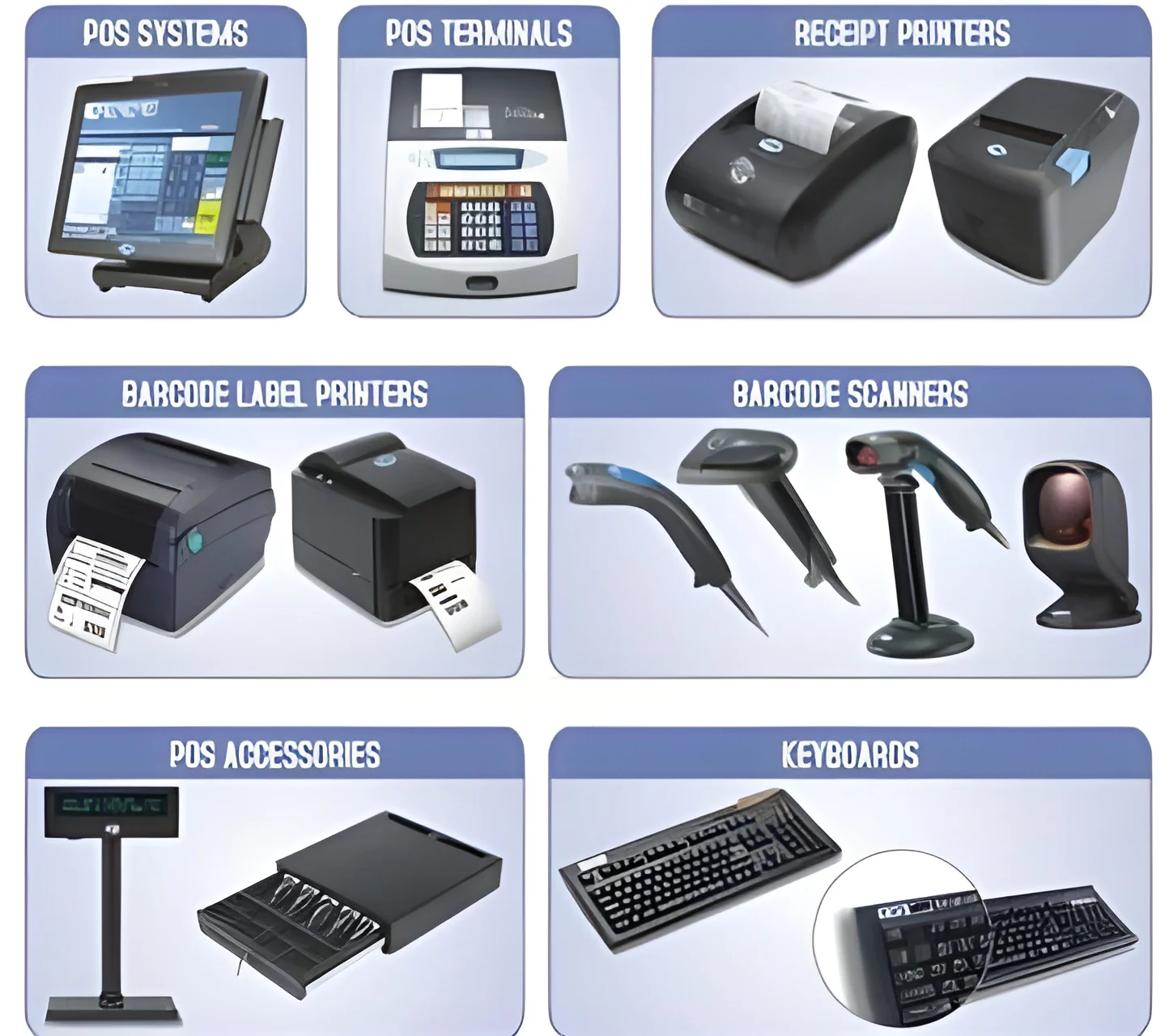
Standard specifications for Billing & Barcode Scanning POS typically include a barcode scanner, a printer, a cash drawer, and a user-friendly interface. Some systems may also offer touchscreen capabilities, cloud connectivity, and support for multiple payment methods.
What is the price range for Billing & Barcode Scanning POS?
The price range for Billing & Barcode Scanning POS can vary significantly based on features and functionalities, typically ranging from INR 10,000 to INR 1,00,000 or more. It is important to assess the features necessary for your business to find a suitable option within your budget.
What quality standards apply to Billing & Barcode Scanning POS?
Quality standards for Billing & Barcode Scanning POS often include compliance with ISO standards and certifications related to electronic devices. These standards ensure reliability, durability, and performance of the POS systems in commercial environments.
Where can I find Billing & Barcode Scanning POS suppliers in India?
You can find Billing & Barcode Scanning POS suppliers in India through B2B marketplaces like Pepagora, trade shows, and online directories. It is advisable to research and compare suppliers based on reviews, product offerings, and customer support.
Can Billing & Barcode Scanning POS be customized?
Yes, many Billing & Barcode Scanning POS systems can be customized to meet specific business needs. Customizations may include tailored software features, hardware configurations, and branding options to better suit your operational requirements.
What is the typical minimum order quantity for Billing & Barcode Scanning POS?
The typical minimum order quantity (MOQ) for Billing & Barcode Scanning POS can vary by supplier, but it often ranges from 1 to 10 units. It's best to check with individual suppliers for their specific MOQ policies.
What is the typical lead time for Billing & Barcode Scanning POS?
The typical lead time for Billing & Barcode Scanning POS can range from a few days to several weeks, depending on the supplier and the complexity of the order. It’s advisable to confirm the lead time with your supplier when placing an order.
Why Businesses Trust Pepagora
Thousands of companies trust Pepagora to source smarter and sell faster
Expand Your Sales Globally

Source Smarter,Grow Faster
