
 IN
Basketball Shoes
2 products available
What are Basketball Shoes?
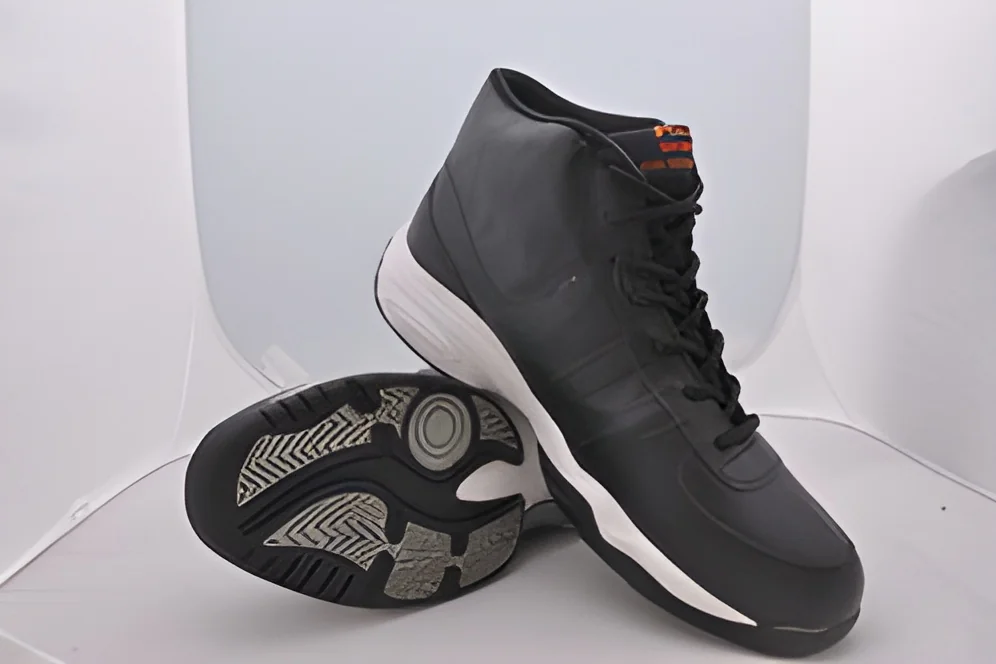
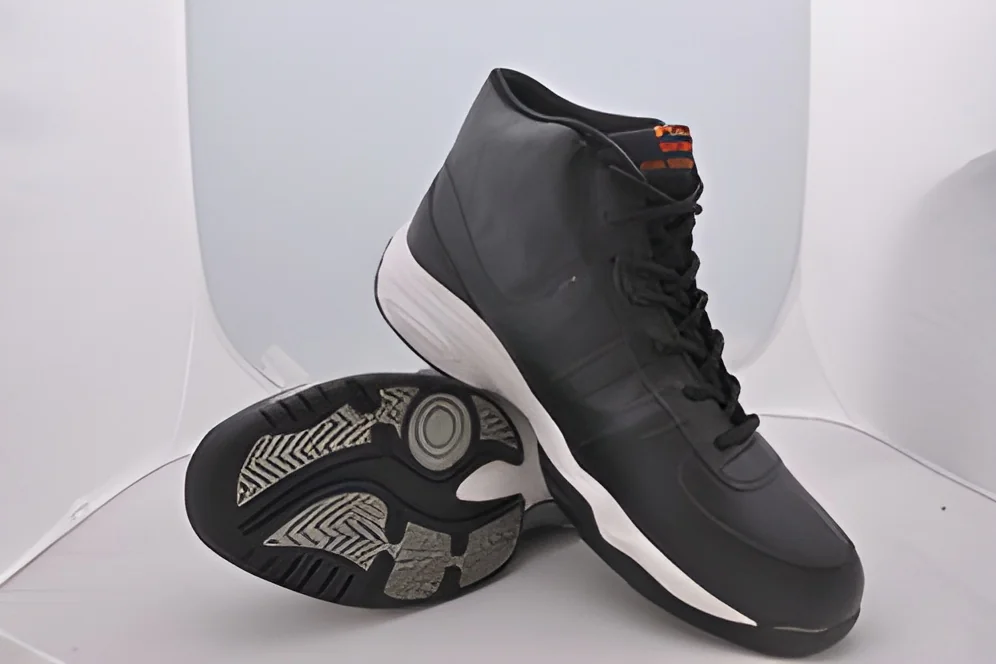
Basketball shoes are specialized footwear designed to provide optimal support, traction, and comfort for players on the basketball court. These shoes are engineered to enhance performance during games, offering features such as cushioning, ankle support, and grip on various surfaces. The design of basketball shoes focuses on the unique movements of the sport, including jumping, quick lateral movements, and rapid stops.
The primary uses of basketball shoes extend beyond just professional basketball players. They are also popular among recreational players, fitness enthusiasts, and casual wearers. Businesses involved in sports retail, athletic gear, and team uniforms often stock a variety of basketball shoes to cater to their customers. The market for basketball shoes is robust, with constant innovation and branding efforts driving consumer interest and sales.
In the context of the sports and footwear industry, basketball shoes represent a significant segment. The global market is influenced by factors such as athlete endorsements, fashion trends, and technological advancements in shoe design. Key players in the market often engage in extensive research and development to meet the demands of performance and style, making basketball shoes a focal point for both brands and consumers.
Key Features and Specifications
Basketball shoes are characterized by several key features that enhance their performance and suitability for the sport. These features include advanced materials, unique designs, and technology integrations that cater to the specific needs of basketball players.
Key specifications include:
1. Cushioning System
- Provides shock absorption and comfort during high-impact activities
- Common types include air cushioning, foam, and gel
2. Ankle Support
- Designed to stabilize the ankle and reduce injury risk
- Features may include high-top designs or additional padding
3. Outsole Traction
- Ensures grip on the court surface for quick movements
- Often made from rubber with various tread patterns
4. Breathability
- Enhances airflow to keep feet cool during play
- Often achieved through mesh panels or ventilated materials
5. Weight
- Lightweight construction for agility and speed
- Typically ranges from 10 to 15 ounces per shoe
6. Fit and Comfort
- Available in various widths and sizes to accommodate different foot types
- Customized lacing systems for a secure fit
7. Durability
- Made from high-quality materials to withstand wear and tear
- Reinforced areas in high-impact zones
8. Style and Aesthetics
- Available in various colors and designs to appeal to consumer preferences
- Often influenced by current fashion trends
These features collectively enhance the performance, comfort, and appeal of basketball shoes, making them a vital investment for players.
Common Applications and Use Cases
Basketball shoes find applications across various sectors, primarily centered around sports and fitness.
1. Professional Basketball: High-performance shoes are essential for athletes competing in leagues and tournaments, providing the necessary support and technology for peak performance.
2. Recreational Sports: Casual players benefit from basketball shoes for local games, community leagues, or pickup games at parks, ensuring comfort and safety.
3. Fitness and Training: Many fitness enthusiasts use basketball shoes for cross-training or gym workouts due to their stability and support.
4. Fashion and Lifestyle: Basketball shoes have evolved into a fashion statement, appealing to consumers looking for stylish yet functional footwear.
5. School and College Teams: Educational institutions invest in basketball shoes for their athletic programs, providing students with appropriate gear for competitions.
6. Retail and E-commerce: Businesses in sports retail stock basketball shoes to meet consumer demand, offering a range of brands and styles.
7. Customization and Branding: Teams and organizations may customize basketball shoes with logos or colors, promoting team identity and unity.
Product Variants and Subcategories
Basketball shoes come in various designs and features tailored to meet different player needs and preferences.
Performance Basketball Shoes: These shoes focus on enhancing athletic performance with advanced technology for serious players. They often feature superior cushioning, support, and traction to maximize efficiency on the court.
Lifestyle Basketball Shoes: Designed for everyday wear, these shoes blend sports functionality with fashion. They are popular among sneaker enthusiasts and are often used as casual footwear in urban settings.
Outdoor Basketball Shoes: Built for durability on outdoor surfaces, these shoes feature tougher materials and enhanced traction. They are ideal for players who frequently play on outdoor courts.
Training Basketball Shoes: These shoes are versatile enough for both basketball and other forms of training. They provide a balance of support and flexibility, making them suitable for various workouts.
Benefits and Advantages
Basketball shoes offer several advantages that make them essential for players.
1. Enhanced Performance: The specialized design helps improve agility, speed, and overall game performance, allowing players to perform at their best.
2. Injury Prevention: With features like ankle support and cushioning, basketball shoes minimize the risk of injuries during intense gameplay.
3. Comfort: Designed for prolonged wear, these shoes offer comfort through cushioning and fit, enabling players to focus on their game without discomfort.
4. Versatility: Many basketball shoes can be used for both on-court performance and off-court casual wear, making them a practical choice for athletes.
5. Style: The variety of designs and color options allows players to express their personal style while enjoying the functionality of sports footwear.
6. Brand Loyalty: Players often develop brand preferences based on performance and style, leading to repeat purchases and strong customer loyalty.
Buying Guide for B2B Buyers
When sourcing basketball shoes for business needs, several factors should be considered to ensure the best selection.
1. Quality Assessment: Evaluate the quality of materials and construction to ensure durability and performance. Look for reputable brands with a history of producing high-quality footwear.
2. Supplier Verification: Vet potential suppliers by checking their credentials, customer reviews, and past performance. A reliable supplier can impact your business positively.
3. Pricing and MOQ: Understand the pricing structure and minimum order quantities (MOQ) to ensure that your budget aligns with supplier offerings. Negotiating terms may be necessary.
4. Delivery and Lead Times: Assess logistics capabilities and expected delivery times to avoid supply chain disruptions. Timely delivery is crucial for maintaining inventory levels.
5. Compliance Requirements: Ensure that the shoes meet any regulatory standards or certifications required in your region. This includes safety and quality certifications that may be pertinent to your business.
Compliance and Certifications
Basketball shoes must adhere to various quality standards and certifications to ensure their safety and performance in the market.
Relevant quality standards include ISO 9001, which focuses on quality management systems and ensures consistent quality in manufacturing processes.
Additionally, industry certifications like CE indicate compliance with European health, safety, and environmental protection standards.
Safety and testing requirements are crucial to guarantee that the shoes withstand rigorous use and do not pose any risk to the wearer. Testing may include assessments for durability, traction, and material safety.
Regional compliance considerations are also important, as different markets may have specific regulations that must be adhered to. Understanding these requirements will help ensure that the products meet local standards and can be marketed effectively.
Why Source Basketball Shoes from Pepagora?
Pepagora offers a comprehensive platform for sourcing basketball shoes, providing numerous advantages for buyers in the B2B landscape.
Verified Supplier Network: Pepagora connects buyers with a network of verified suppliers, ensuring that businesses can source quality products with confidence. The verification process helps mitigate risks associated with supplier reliability.
Streamlined RFQ Process: The platform simplifies the request for quotation (RFQ) process, enabling buyers to receive competitive quotes from multiple suppliers quickly. This efficiency saves time and enhances decision-making.
Trade Assurance and Support: Pepagora offers trade assurance, protecting buyers from potential issues during transactions. This support provides peace of mind and fosters trust between buyers and suppliers.
Regional Coverage: With a strong presence in regions like India, GCC, and Southeast Asia, Pepagora ensures that buyers have access to a wide range of basketball shoes tailored to their market needs. This geographic reach enhances sourcing capabilities for businesses across diverse locations.


Frequently Asked Questions
What are Basketball Shoes?
Basketball shoes are specially designed footwear that provide support, traction, and cushioning for players on the basketball court. They are typically characterized by their high-top design, which offers ankle support, and their rubber soles, which ensure grip on the court surface.
What are the different types of Basketball Shoes?
The main types of basketball shoes include high-tops, mid-tops, and low-tops. High-tops provide maximum ankle support, mid-tops offer a balance between support and mobility, while low-tops prioritize speed and agility for lighter players.
How do I choose the right Basketball Shoes?
Choosing the right basketball shoes involves considering your playing style, position, and personal comfort. It's important to try on different brands and models, assess their fit, and consider features such as cushioning, traction, and support.
What are the standard specifications for Basketball Shoes?
Standard specifications for basketball shoes include a breathable upper material, a supportive midsole for cushioning, a durable rubber outsole for traction, and a design that accommodates quick lateral movements. These features help enhance performance and reduce the risk of injury.
What is the price range for Basketball Shoes?
The price range for basketball shoes can vary widely, typically from INR 2,000 to INR 20,000 or more. Factors influencing price include brand reputation, materials used, and advanced technologies incorporated into the shoe design.
What quality standards apply to Basketball Shoes?
Quality standards for basketball shoes focus on durability, performance, and safety. Shoes should meet industry benchmarks for materials used, cushioning, and traction to ensure they can withstand the rigors of competitive play.
Where can I find Basketball Shoes suppliers in India?
You can find basketball shoes suppliers in India through online B2B marketplaces, trade directories, and sports equipment expos. Platforms like Pepagora.com provide a comprehensive list of manufacturers and suppliers for easy access.
Can Basketball Shoes be customized?
Yes, many manufacturers offer customization options for basketball shoes, including personalized colors, logos, and sizes. Customization allows players or teams to create unique footwear that reflects their identity.
What is the typical minimum order quantity for Basketball Shoes?
The typical minimum order quantity (MOQ) for basketball shoes varies by supplier, but it generally ranges from 50 to 100 pairs. It's advisable to check with individual suppliers for their specific MOQ policies.
What is the typical lead time for Basketball Shoes?
The typical lead time for basketball shoes can range from 4 to 12 weeks, depending on the supplier and whether the shoes are custom-made. Factors such as order quantity and manufacturing capabilities also affect lead times.
Why Businesses Trust Pepagora
Thousands of companies trust Pepagora to source smarter and sell faster
Expand Your Sales Globally

Source Smarter,Grow Faster
