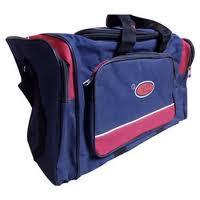
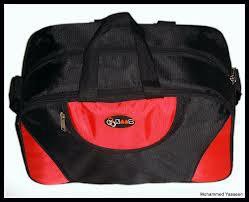
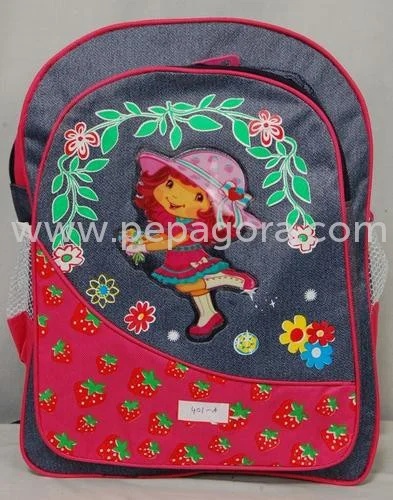
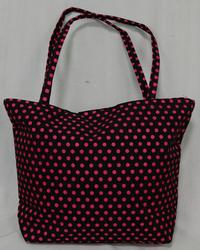
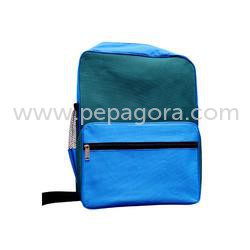
𝗪𝗵𝗮𝘁 𝗮𝗿𝗲 𝗕𝗮𝗰𝗸𝗽𝗮𝗰𝗸 𝗠𝗮𝗻𝘂𝗳𝗮𝗰𝘁𝘂𝗿𝗲𝗿𝘀?
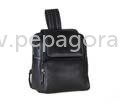
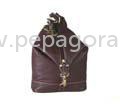
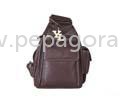
Backpack manufacturers are specialized companies that design and produce a variety of backpacks for different uses. These manufacturers typically focus on creating durable, functional, and stylish products that cater to the needs of consumers in various sectors. They often utilize advanced materials and manufacturing techniques to ensure quality and longevity in their products.
The primary applications of backpacks span across multiple industries, including education, outdoor recreation, travel, and corporate settings. In education, backpacks are essential for students to carry books and supplies. In outdoor activities, specialized backpacks are designed to hold hiking gear, water, and other essentials. Corporate entities also utilize backpacks for promotional purposes or as part of employee uniforms. The relevance of backpack manufacturers in today's market is significant, as they respond to ongoing trends in consumer preferences for functionality, sustainability, and style.
𝗞𝗲𝘆 𝗙𝗲𝗮𝘁𝘂𝗿𝗲𝘀 𝗮𝗻𝗱 𝗦𝗽𝗲𝗰𝗶𝗳𝗶𝗰𝗮𝘁𝗶𝗼𝗻𝘀
Backpack manufacturers focus on several key features and specifications to meet diverse consumer needs. These specifications ensure that the backpacks produced are not only functional but also cater to specific applications and preferences.
Key specifications include:
1. Material Quality
- High-quality fabrics such as nylon, polyester, or canvas
- Water-resistant or waterproof characteristics
2. Size and Capacity
- Varied sizes ranging from small to large
- Capacity measured in liters, often between 10 to 70 liters
3. Weight Distribution
- Ergonomically designed straps for weight distribution
- Adjustable features for comfort
4. Compartments and Pockets
- Multiple compartments for organization
- Specialized pockets for items like laptops or hydration systems
5. Durability
- Reinforced stitching and zippers
- Resistance to everyday wear and tear
6. Design Aesthetics
- Variety of colors and styles
- Customization options available
7. Safety Features
- Reflective strips for visibility
- Built-in safety locks or anti-theft features
8. Sustainability
- Use of recycled materials in production
- Eco-friendly production processes
In summary, understanding these key features and specifications is essential for buyers to make informed decisions when sourcing backpacks for their specific needs.
𝗖𝗼𝗺𝗺𝗼𝗻 𝗔𝗽𝗽𝗹𝗶𝗰𝗮𝘁𝗶𝗼𝗻𝘀 𝗮𝗻𝗱 𝗨𝘀𝗲 𝗖𝗮𝘀𝗲𝘀
Backpacks serve a wide range of industries, each with unique applications that highlight their versatility.
1. Education: Backpacks are commonly used by students of all ages to carry books, stationery, and personal items. Manufacturers design them with durability and comfort in mind to support daily use.
2. Outdoor Recreation: Hiking and camping backpacks are engineered to carry gear, food, and water. These backpacks often incorporate features such as hydration systems and weather resistance to enhance outdoor experiences.
3. Travel: Travel backpacks are designed for convenience and mobility. They typically include compartments for clothing, travel documents, and electronics, making them ideal for frequent travelers.
4. Corporate: Many companies utilize backpacks as promotional items or employee gifts. These backpacks often feature branding and are functional for daily commutes or business travel.
5. Sports: Athletes use specialized backpacks to carry sports equipment and apparel. These backpacks are often lightweight and designed for easy access to gear.
6. Military and Tactical: Tactical backpacks are constructed for rugged use and often include features like MOLLE webbing for attaching additional gear. They are designed for soldiers and outdoor enthusiasts alike.
7. Fashion: Trendy backpacks cater to fashion-conscious consumers, blending style with functionality. These backpacks often incorporate unique designs and colors to appeal to a younger audience.
𝗣𝗿𝗼𝗱𝘂𝗰𝘁 𝗩𝗮𝗿𝗶𝗮𝗻𝘁𝘀 𝗮𝗻𝗱 𝗦𝘂𝗯𝗰𝗮𝘁𝗲𝗴𝗼𝗿𝗶𝗲𝘀
Backpack manufacturers offer a diverse range of product variants to meet different consumer needs and preferences.
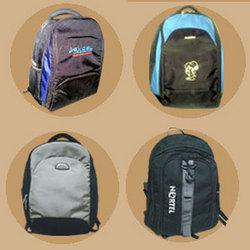
Daypacks: These are smaller, lightweight backpacks designed for short trips or daily use. They typically feature a single main compartment and are ideal for carrying essentials.
Hiking Backpacks: Engineered for outdoor activities, hiking backpacks come with additional features such as hydration reservoirs and multiple compartments for organization. They are constructed to withstand various weather conditions.
Laptop Backpacks: Designed specifically for professionals and students, these backpacks include padded compartments for laptops and additional pockets for accessories like chargers and documents.
Travel Backpacks: These larger backpacks are designed for travelers who need to carry a significant amount of gear. They often feature multiple compartments and organizational pockets.
𝗕𝗲𝗻𝗲𝗳𝗶𝘁𝘀 𝗮𝗻𝗱 𝗔𝗱𝘃𝗮𝗻𝘁𝗮𝗴𝗲𝘀
Sourcing backpacks from manufacturers offers several key benefits that can enhance user experience and satisfaction.
1. Quality Assurance: Manufacturers emphasize high-quality materials and construction, ensuring the backpacks are durable and long-lasting.
2. Customization Options: Many manufacturers offer customization, allowing businesses to create branded backpacks that meet their specific needs.
3. Cost-Effectiveness: By sourcing directly from manufacturers, companies can often reduce costs associated with middlemen and achieve better pricing.
4. Variety of Styles: Manufacturers provide a wide range of styles and designs, catering to different demographics and preferences.
5. Innovation in Design: Backpack manufacturers continually innovate, incorporating the latest trends and technologies to enhance functionality and user experience.
6. Environmental Considerations: Many manufacturers are adopting sustainable practices, utilizing eco-friendly materials and production methods, which appeal to environmentally conscious consumers.
𝗕𝘂𝘆𝗶𝗻𝗴 𝗚𝘂𝗶𝗱𝗲 𝗳𝗼𝗿 𝗕𝟮𝗕 𝗕𝘂𝘆𝗲𝗿𝘀
When sourcing backpack manufacturers, B2B buyers should consider several crucial factors to ensure they select the right partner.
1. Quality Assessment: It is essential to evaluate the quality of materials and construction. Buyers should request samples and check for durability and comfort features.
2. Supplier Verification: Vetting suppliers is critical. Buyers should check for industry certifications, customer reviews, and the manufacturer's reputation in the market.
3. Pricing and MOQ: Understanding the pricing structure and minimum order quantities (MOQ) is important for budgeting. Buyers should inquire about bulk discount options and payment terms.
4. Delivery and Lead Times: Buyers must consider logistics, including delivery schedules and lead times. Clear communication on timelines is necessary to avoid project delays.
5. Compliance Requirements: It is vital to ensure that the backpacks meet relevant industry standards and regulations. Buyers should inquire about compliance to safety and quality certifications.
𝗖𝗼𝗺𝗽𝗹𝗶𝗮𝗻𝗰𝗲 𝗮𝗻𝗱 𝗖𝗲𝗿𝘁𝗶𝗳𝗶𝗰𝗮𝘁𝗶𝗼𝗻𝘀
Compliance and certification are crucial components in the manufacturing of backpacks. Manufacturers often adhere to industry standards such as ISO 9001, which focuses on quality management systems. This standard ensures that manufacturers consistently meet customer requirements and regulatory expectations.
Additionally, certifications like CE indicate that the backpacks comply with safety and health requirements within the European market. Such certifications provide assurance to buyers about the safety and reliability of the products.
Manufacturers may also be subject to safety and testing requirements. This includes rigorous testing for durability, material safety, and performance under various conditions. Compliance with regional considerations is essential, particularly for manufacturers operating in international markets, as different regions may have specific regulations concerning materials and environmental impact.
𝗪𝗵𝘆 𝗦𝗼𝘂𝗿𝗰𝗲 𝗕𝗮𝗰𝗸𝗽𝗮𝗰𝗸 𝗠𝗮𝗻𝘂𝗳𝗮𝗰𝘁𝘂𝗿𝗲𝗿𝘀 𝗳𝗿𝗼𝗺 𝗣𝗲𝗽𝗮𝗴𝗼𝗿𝗮?
Pepagora provides a trusted platform for sourcing backpack manufacturers, offering several key advantages for B2B buyers.
Verified Supplier Network: Pepagora ensures that all suppliers listed on their platform undergo thorough verification. This process guarantees that buyers connect with reliable manufacturers who meet industry standards.
Streamlined RFQ Process: The request for quotation (RFQ) process on Pepagora is designed to be efficient. Buyers can easily submit their requirements and receive competitive quotes from multiple manufacturers, saving time and effort.
Trade Assurance and Support: Pepagora offers trade assurance, which protects buyers against risks associated with sourcing. This support includes assistance with disputes and ensuring that products meet the agreed specifications.
Regional Coverage: Pepagora’s platform has a broad geographic reach, covering regions such as India, the GCC, and Southeast Asia. This extensive network allows buyers to find manufacturers that suit their specific location and logistical needs, enhancing convenience and efficiency.

 IN
IN
 India
India