
 IN
3D Printed Awards
2 products available
What are 3D Printed Awards?
3D Printed Awards are recognition items created through additive manufacturing technology. This process involves layering materials, typically plastics or metals, to produce intricate designs that are difficult to achieve with traditional manufacturing methods. These awards can range from trophies and plaques to custom shapes and designs, making them highly versatile in appearance and function.
Primary uses for 3D Printed Awards include corporate recognition programs, event prizes, and promotional items. Businesses across various sectors utilize these awards to honor outstanding performance, celebrate achievements, or acknowledge contributions of employees and partners. The customization options available with 3D printing technology allow companies to create unique awards tailored to specific themes, branding, or events.
In the current market context, the demand for personalized and distinctive awards is rising, driven by the desire for unique recognition solutions. Industries ranging from corporate to educational institutions are increasingly adopting 3D Printed Awards as a modern alternative to traditional awards, reflecting a broader trend towards customization and innovation in recognition practices.
Key Features and Specifications
3D Printed Awards offer distinct features that cater to diverse business needs. Understanding these specifications is crucial for selecting the right awards for various occasions.
Key specifications include:
1. Material Options
- Commonly used materials include PLA, ABS, and resin.
- These materials provide different aesthetic and durability characteristics.
2. Customization Capabilities
- Awards can be designed in various shapes, sizes, and colors.
- Personalization options may include logos, text, and unique designs.
3. Surface Finish
- Available finishes range from matte to glossy, depending on the material used.
- Surface treatments can enhance the visual appeal and texture.
4. Production Speed
- Typical production times vary based on complexity and order size.
- Faster turnaround is possible for simpler designs.
5. Minimum Order Quantity (MOQ)
- Many suppliers offer flexible MOQs, accommodating both small and large orders.
- Custom designs may have different MOQ requirements.
6. Weight and Dimensions
- Awards can be lightweight for easy handling or heavier for a premium feel.
- Dimensions are customizable based on design specifications.
7. Durability
- 3D Printed Awards are generally durable, suitable for both indoor and outdoor use.
- Resistance to wear and tear depends on the chosen material.
In summary, the specifications of 3D Printed Awards highlight their versatility in design and material options, making them suitable for various applications in the business world.
Common Applications and Use Cases
3D Printed Awards are utilized in multiple industries, each leveraging their unique attributes for recognition purposes.
1. Corporate Sector: Companies often use 3D Printed Awards to acknowledge employee achievements, sales milestones, and project completions. Custom designs can reflect the company’s brand and values.
2. Educational Institutions: Schools and universities present 3D Printed Awards to students for academic excellence, sports achievements, or participation in extracurricular activities. This personalization fosters a sense of pride among recipients.
3. Sports Organizations: Sports teams and leagues often award trophies made through 3D printing to champions and participants. The ability to create custom designs allows teams to celebrate their unique identity.
4. Non-Profit Organizations: Charities and foundations can use 3D Printed Awards to honor volunteers and donors. Unique awards can express gratitude and recognition in meaningful ways.
5. Event Organizers: Conferences and trade shows frequently reward speakers and sponsors with custom 3D Printed Awards, enhancing the event's prestige and providing lasting mementos.
6. Creative Industries: Artists and designers can utilize 3D Printed Awards to acknowledge peer achievements or to create awards for art competitions, showcasing innovation in design.
7. Technology Firms: Tech companies often celebrate innovation and breakthrough projects with unique 3D Printed Awards, reflecting their commitment to creativity and advancement.
Product Variants and Subcategories
The diversity of 3D Printed Awards allows businesses to choose from various styles to suit their needs. While specific subcategories are not outlined, here are notable variants.
Classic Trophies: These awards take traditional trophy shapes but can be customized in size, color, and engraving options. They are perfect for formal events and ceremonies.
Custom Plaques: 3D Printed plaques can be designed with intricate details and personalized messages. They are ideal for recognizing achievements in a professional setting.
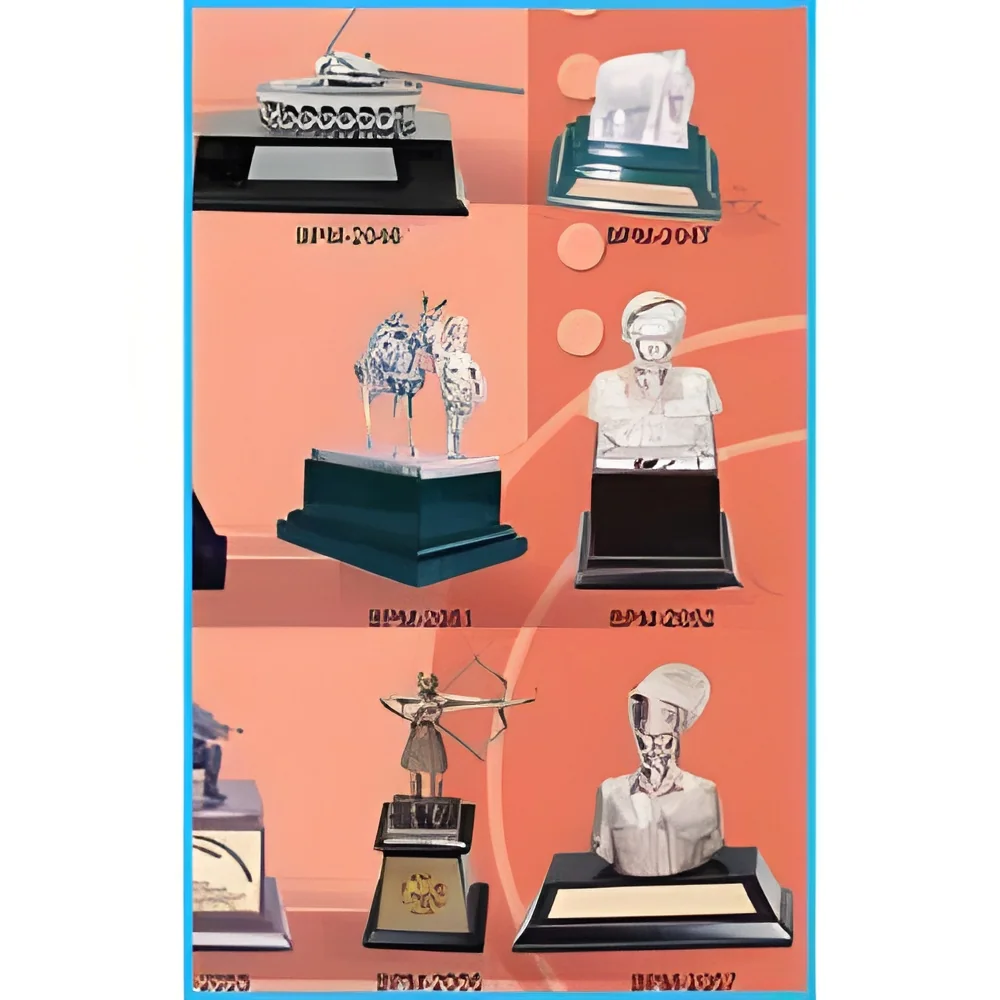
Figurative Awards: These awards can take the shape of symbolic figures or representations that align with specific achievements, making them memorable and meaningful.
Novelty Awards: Designed to be fun and engaging, these awards often feature whimsical designs that can celebrate unique achievements or light-hearted events.
Benefits and Advantages
3D Printed Awards come with numerous benefits that enhance their appeal for businesses and organizations.
1. Customization: The ability to create tailored awards allows companies to reflect their branding and personalize recognition.
2. Unique Designs: 3D printing enables intricate designs that stand out compared to traditional awards, making them more memorable for recipients.
3. Quick Turnaround: Many suppliers can produce awards rapidly, allowing businesses to meet tight deadlines for events or ceremonies.
4. Cost-Effectiveness: 3D Printed Awards often provide a more affordable option for custom recognition than traditional manufacturing methods.
5. Eco-Friendly Options: Many materials used in 3D printing are recyclable, making them a more sustainable choice for environmentally conscious organizations.
6. Lightweight and Portable: 3D Printed Awards can be designed to be lightweight, making them easy to transport and present.
Buying Guide for B2B Buyers
When sourcing 3D Printed Awards, B2B buyers should consider several factors to ensure quality and satisfaction.
1. Quality Assessment: Evaluate the quality of the materials and the printing process used by suppliers. Request samples if possible to assess the finish and durability.
2. Supplier Verification: Research potential suppliers by checking reviews, certifications, and their portfolio. Ensure they have a track record of delivering quality products.
3. Pricing and MOQ: Compare prices among different suppliers, keeping an eye on minimum order quantities. Factor in any additional costs for customization.
4. Delivery and Lead Times: Discuss lead times with suppliers to ensure timely delivery for your events. Understand their shipping policies and options.
5. Compliance Requirements: Verify if the awards meet any industry-specific compliance standards or certifications. This ensures that the awards are safe and suitable for their intended use.
Compliance and Certifications
Compliance and certifications play a crucial role in ensuring the quality and safety of 3D Printed Awards. Relevant quality standards include ISO 9001, which outlines requirements for a quality management system. Adhering to these standards ensures consistent quality and reliability in the manufacturing process.
Additionally, industry certifications such as CE indicate that products meet European safety standards. This is particularly important for awards that may be used in public or educational settings, as compliance ensures recipient safety.
Safety and testing requirements also apply, particularly for awards that could be exposed to varying environmental conditions. Buyers should inquire about any safety testing that has been conducted on materials used in 3D Printed Awards.
Regional compliance considerations may vary, so it is essential for buyers to understand the specific regulations in their area. This ensures that the awards can be used without legal or safety concerns.
Why Source 3D Printed Awards from Pepagora?
Pepagora provides a trusted platform for sourcing 3D Printed Awards, offering several key advantages that ensure a smooth purchasing experience.
Verified Supplier Network: Pepagora connects buyers with a network of verified suppliers, ensuring that they receive high-quality products from reputable manufacturers. This reduces the risk associated with sourcing awards.
Streamlined RFQ Process: The request for quotation system on Pepagora allows buyers to easily compare offers from multiple suppliers, ensuring they get the best value for their investment.
Trade Assurance and Support: Pepagora offers trade assurance, providing buyers with protection throughout the purchasing process. This includes assistance with resolving any disputes that may arise.
Regional Coverage: With a strong presence in India, GCC, and Southeast Asia, Pepagora offers robust regional support. This ensures timely communication and logistics, making it easier for businesses to procure 3D Printed Awards tailored to their needs.



 India
Frequently Asked Questions
What are 3D Printed Awards?
3D Printed Awards are recognition trophies or accolades created using additive manufacturing technology. This process allows for intricate designs and custom shapes that traditional manufacturing methods may not achieve.
What are the different types of 3D Printed Awards?
The different types of 3D Printed Awards include trophies, plaques, medals, and customized figurines. Each type can be tailored to specific themes or events, providing a unique way to honor achievements.
How do I choose the right 3D Printed Awards?
Selecting the right 3D Printed Awards involves considering the purpose of the award, the design preferences, and the recipient's interests. Additionally, it's important to evaluate the materials used and the production time.
What are the standard specifications for 3D Printed Awards?
Standard specifications for 3D Printed Awards include dimensions, weight, material type, and finish. Common materials used are PLA, ABS, and resin, each offering different aesthetic and durability properties.
What is the price range for 3D Printed Awards?
The price range for 3D Printed Awards typically varies based on design complexity, material selection, and order quantity. Prices can start from a few hundred rupees for simple designs to several thousand for intricate, customized awards.
What quality standards apply to 3D Printed Awards?
Quality standards for 3D Printed Awards include dimensional accuracy, surface finish, and material durability. Manufacturers often adhere to industry-specific guidelines to ensure the awards meet the necessary quality benchmarks.
Where can I find 3D Printed Awards suppliers in India?
You can find 3D Printed Awards suppliers in India through online B2B marketplaces like Pepagora.com. Additionally, local manufacturing companies and online directories may list suppliers specializing in 3D printing.
Can 3D Printed Awards be customized?
Yes, 3D Printed Awards can be highly customized to reflect specific themes, logos, or messages. Customization options may include size, color, design, and engraving to suit the occasion.
What is the typical minimum order quantity for 3D Printed Awards?
The typical minimum order quantity (MOQ) for 3D Printed Awards can vary by supplier but often ranges from 1 to 10 units. Some manufacturers may offer flexibility based on the complexity of the design.
What is the typical lead time for 3D Printed Awards?
The typical lead time for 3D Printed Awards depends on the order size and complexity, generally ranging from 7 to 21 working days. Custom designs may require additional time for approval and production.
Why Businesses Trust Pepagora
Thousands of companies trust Pepagora to source smarter and sell faster
Expand Your Sales Globally

Source Smarter,Grow Faster
