
 IN
Sports Medals
3 products available
What are Sports Medals?
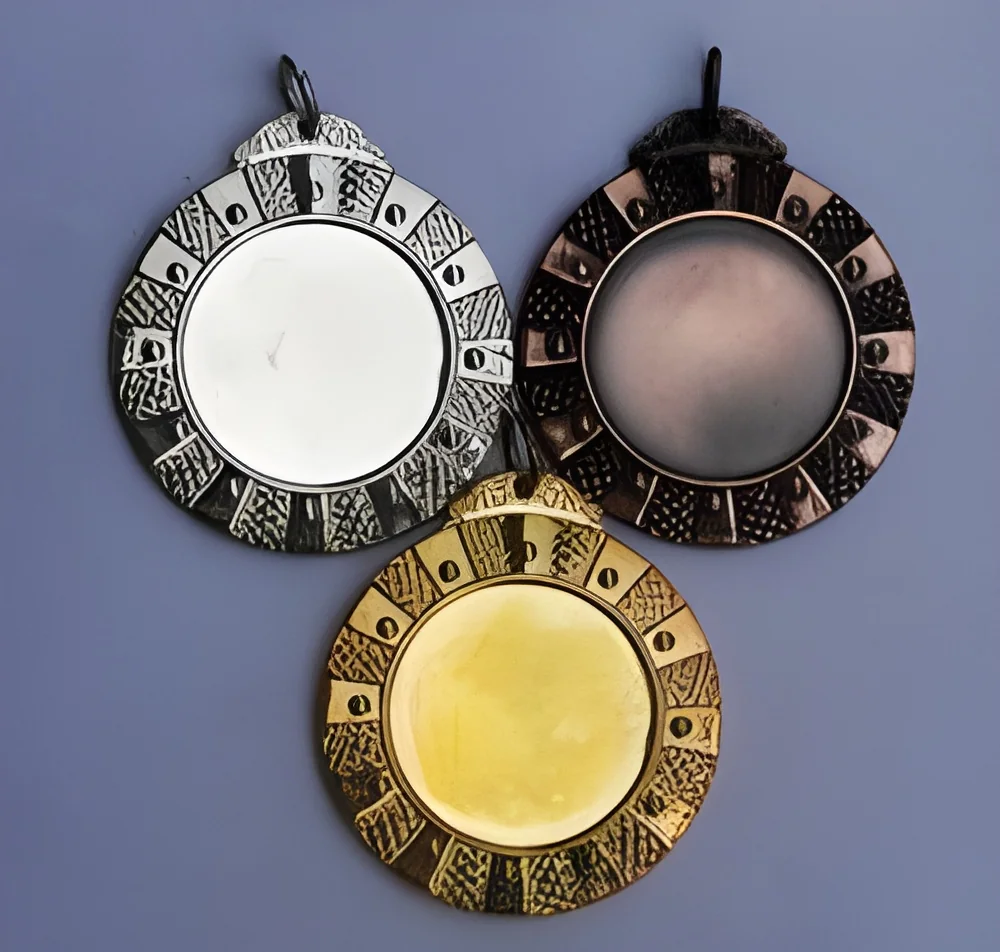
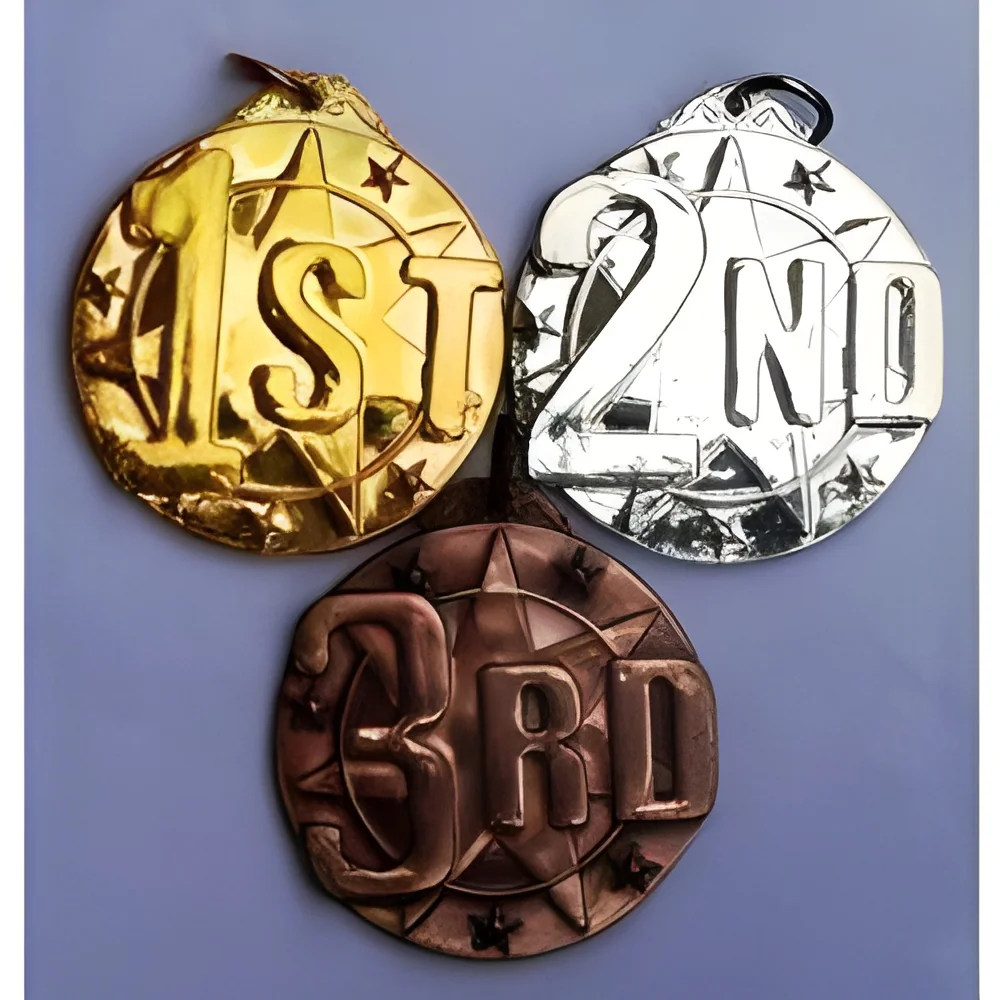
Sports medals are awards given to recognize achievements in various athletic competitions and events. They serve as a symbol of excellence and a tangible reward for athletes' hard work, dedication, and performance. Typically crafted from metal and featuring intricate designs, sports medals often display the event name, date, and the winner's accomplishments. Their aesthetic appeal and emotional significance make them cherished items for recipients.
The primary use of sports medals extends beyond mere recognition; they play a crucial role in promoting sportsmanship and motivating athletes at all levels. Organizations, schools, and clubs commonly distribute these medals during tournaments, races, and championships to celebrate participants' achievements. Moreover, businesses can leverage sports medals in marketing campaigns to enhance brand visibility by associating their products with sporting excellence. Overall, sports medals hold substantial relevance in the sports industry, reflecting the competitive spirit and dedication of athletes.
Key Features and Specifications
Sports medals come with various features and specifications tailored to meet the needs of different events and organizations. Their design often reflects the nature of the sport, and customization options are available to cater to specific requirements.
Key specifications include:
1. Material Composition
- Typically made from metals such as bronze, silver, and gold.
- Some variants may include eco-friendly materials.
2. Size and Weight
- Common sizes range from 2 to 4 inches in diameter.
- Weight can vary based on material but usually falls between 100 to 200 grams.
3. Customization Options
- Available for engraving names, event details, and logos.
- Options for color finishes and ribbon styles.
4. Finish Types
- Available in matte, glossy, or textured finishes.
- Different plating options such as gold, silver, or antique.
5. Packaging
- Medals may come with presentation boxes or pouches for enhanced gifting.
- Custom packaging options for branding purposes.
6. Ribbon Attachment
- Standard attachment methods include loop or slot for ribbon threading.
- Various ribbon materials and widths available.
7. Production Time
- Lead times can vary from 2 to 6 weeks depending on customization and order size.
In summary, sports medals are designed with quality and aesthetic considerations in mind. Their specifications allow businesses and organizations to tailor them to specific events and branding needs.
Common Applications and Use Cases
Sports medals are utilized across a wide range of industries and events. Their applications vary based on the type of competition and the audience they aim to inspire.
1. Educational Institutions: Schools often award medals during sports days or inter-school competitions to encourage student participation and healthy competition.
2. Corporate Events: Companies may host sports tournaments for employees, using medals to recognize winners and promote teamwork and engagement within the workforce.
3. Athletic Clubs: Clubs and sports organizations reward members with medals during local, regional, or national competitions to motivate athletes and enhance club pride.
4. Community Events: Local marathons and charity runs frequently distribute medals to participants to celebrate their accomplishments and encourage future participation.
5. International Competitions: Major events like the Olympics and World Championships utilize medals as prestigious awards, reinforcing the significance of athletic achievement on a global stage.
6. Fitness Challenges: Businesses promoting wellness may use medals as incentives for participants in fitness challenges, fostering a culture of health and fitness.
7. Youth Sports Leagues: Medals are commonly awarded to young athletes in leagues, promoting early engagement in sports and recognizing their efforts.
Product Variants and Subcategories
The diversity of sports medals allows organizations to choose from various variants tailored to specific needs and preferences.
Standard Sports Medals
These are the most common type, typically featuring a classic round shape with a simple design. They are suitable for a wide range of events and can easily be customized with event details.
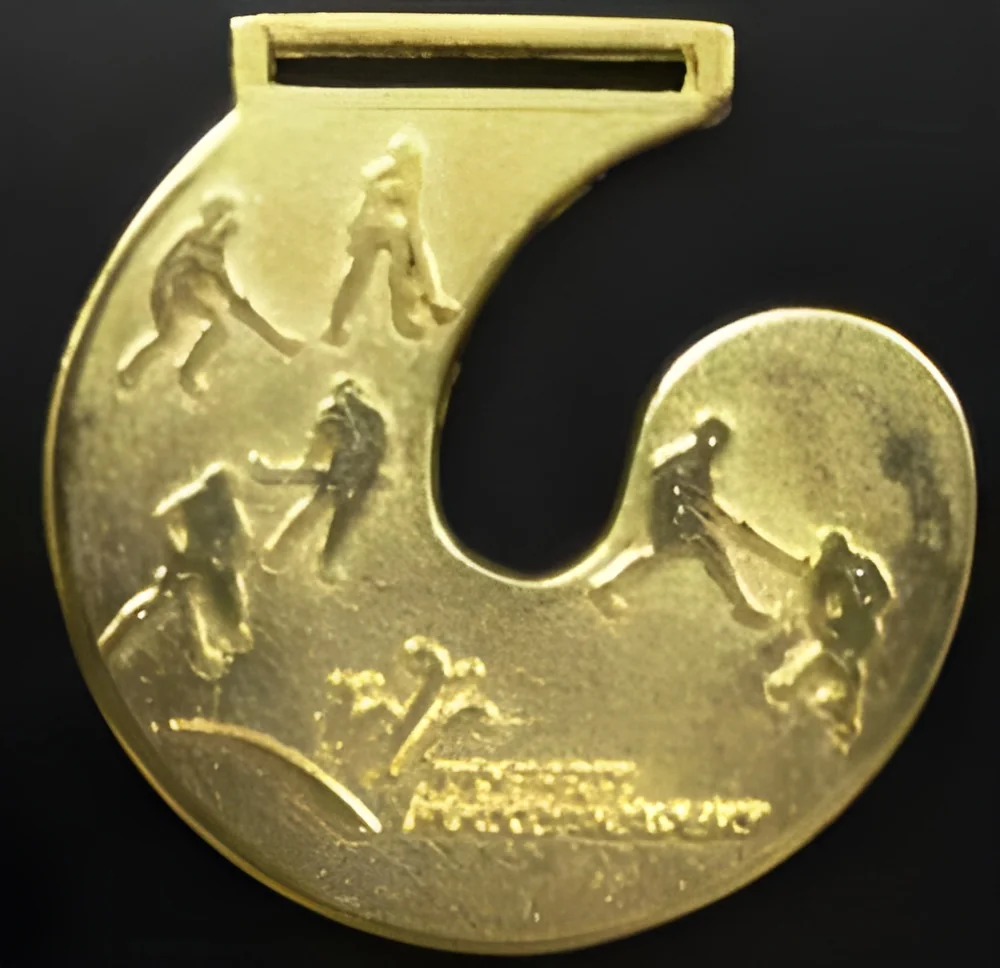
Custom Shaped Medals
These medals are designed in unique shapes that reflect the specific sport or event. They provide an opportunity for creativity and branding, making them stand out in competitions.
Eco-Friendly Medals
Made from sustainable materials, these medals appeal to environmentally conscious organizations. They maintain quality while promoting eco-friendliness in sporting events.
Commemorative Medals
These are often produced for special events or anniversaries. Commemorative medals feature distinctive designs and are sometimes limited edition, making them valuable to collectors.
Benefits and Advantages
Sourcing sports medals offers several benefits that can enhance both events and organizational reputation.
1. Recognition of Achievement: Medals provide a physical representation of success, motivating athletes to strive for excellence.
2. Customization Flexibility: The ability to personalize medals allows organizations to create a unique identity and enhance branding.
3. Encouragement of Participation: Awards such as medals can increase participation rates in events, as athletes are motivated by the prospect of earning recognition.
4. Enhanced Event Experience: Medals add prestige to competitions, elevating the overall experience for participants and spectators alike.
5. Marketing Opportunities: Organizations can leverage sports medals in promotional activities, associating their brand with positive values like achievement and sportsmanship.
6. Versatile Applications: Sports medals can be used across various events and industries, making them a versatile investment for organizations focused on recognition.
Buying Guide for B2B Buyers
When sourcing sports medals, businesses should consider several key factors to ensure they make informed purchasing decisions.
1. Quality Assessment: Evaluate the materials and craftsmanship of the medals. High-quality medals should be durable and well-finished to maintain their appearance over time.
2. Supplier Verification: Ensure that suppliers are reputable and have a track record of delivering quality products. Check for customer reviews and past project references.
3. Pricing and MOQ: Understand the pricing structure and minimum order quantities. Competitive pricing should align with the quality of the product being offered.
4. Delivery and Lead Times: Discuss delivery options and timelines to ensure that medals arrive on schedule for events. Consider potential delays and plan accordingly.
5. Compliance Requirements: Be aware of any regulatory standards that may apply to the production of medals in your region. Ensure suppliers comply with relevant quality and safety standards.
Compliance and Certifications
Sports medals must adhere to certain compliance and certification standards to ensure quality and safety in their production and use.
ISO 9001 is a widely recognized quality management standard that ensures products meet customer and regulatory requirements. Suppliers adhering to this standard demonstrate a commitment to quality assurance and continuous improvement.
CE certification indicates that products meet European safety and health requirements. For sports medals, this certification assures buyers that the medals are produced under safe conditions and comply with essential safety standards.
Safety and testing requirements for sports medals often focus on ensuring that materials used do not pose any health risks to users. This may include testing for harmful substances or ensuring that the medals can withstand wear and tear in competitive environments.
Regional compliance considerations may vary, particularly when sourcing medals from different countries. Ensure that suppliers are familiar with local regulations and standards pertinent to the manufacturing and distribution of sports awards.
Why Source Sports Medals from Pepagora?
Pepagora offers a reliable platform for sourcing sports medals, making it easier for businesses to find quality products and trustworthy suppliers.
Verified Supplier Network: Pepagora has a rigorous vetting process for suppliers, ensuring that buyers can access a network of trusted manufacturers who meet high-quality standards.
Streamlined RFQ Process: The platform simplifies the request for quotation process, allowing buyers to quickly compare options and select suppliers that best fit their needs.
Trade Assurance and Support: Pepagora provides buyer protection, ensuring that transactions are secure and that buyers receive support throughout the purchasing process.
Regional Coverage: With a focus on regions such as India, GCC, and Southeast Asia, Pepagora connects buyers with local suppliers, facilitating easier access to sports medals while fostering regional business growth.

Frequently Asked Questions
What are Sports Medals?
Sports medals are awards typically made of metal, designed to recognize and honor athletes for their achievements in various sports. They are often presented during competitions, events, or tournaments as a symbol of excellence and accomplishment.
What are the different types of Sports Medals?
There are several types of sports medals, including gold, silver, and bronze medals, which represent first, second, and third place respectively. Additionally, medals can be categorized based on the event type, such as team sports, individual sports, or special awards for outstanding performance.
How do I choose the right Sports Medals?
Choosing the right sports medals depends on various factors such as the type of event, budget, and desired aesthetics. Consider the material, design, and size of the medals, as well as the engraving or printing options available to ensure they meet your event's requirements.
What are the standard specifications for Sports Medals?
Standard specifications for sports medals typically include dimensions, weight, and material composition. Common materials include zinc alloy, brass, or stainless steel, and standard sizes range from 50mm to 100mm in diameter, depending on the design and event.
What is the price range for Sports Medals?
The price range for sports medals can vary widely based on factors such as material, design complexity, and quantity ordered. Generally, prices can start from around ₹50 to ₹200 for basic medals, while custom or premium options may cost ₹300 and above.
What quality standards apply to Sports Medals?
Quality standards for sports medals often include durability, finish, and adherence to design specifications. Many manufacturers follow ISO standards to ensure that the medals are produced with consistent quality and can withstand wear and tear during presentations.
Where can I find Sports Medals suppliers in India?
You can find sports medals suppliers in India through B2B marketplaces like Pepagora, local trade shows, and sports equipment supply companies. Online directories and industry-specific platforms are also valuable resources for locating reputable manufacturers.
Can Sports Medals be customized?
Yes, sports medals can be customized to reflect specific event branding, including engraving names, logos, or event details. Customization options may also include variations in design, color, and materials to suit the preferences of the event organizers.
What is the typical minimum order quantity for Sports Medals?
The typical minimum order quantity (MOQ) for sports medals varies by supplier but generally ranges from 50 to 100 pieces. Larger orders may offer better pricing and more customization options, making them a popular choice for events with multiple participants.
What is the typical lead time for Sports Medals?
The typical lead time for sports medals can range from 2 to 6 weeks, depending on factors such as order size, customization requirements, and supplier capabilities. It is advisable to place orders well in advance of the event to ensure timely delivery.
Why Businesses Trust Pepagora
Thousands of companies trust Pepagora to source smarter and sell faster
Expand Your Sales Globally

Source Smarter,Grow Faster
