
 IN
IN₹
Apparel & Fashion
Medals (Gold, Silver, Bronze)
7 products available
Key Features and Specifications
Medals come with specific features and specifications that define their quality and suitability for various applications. Understanding these specifications is essential for buyers looking to make informed purchasing decisions.
Key specifications include:
1. Material Composition
- Medals are typically made from metals such as zinc, copper, and bronze, with gold plating for gold medals.
- The quality of the metal affects durability and appearance.
2. Size and Weight
- Medals generally range in size from 2 to 4 inches in diameter.
- Weight can vary depending on the material, with typical weights ranging from 50 to 100 grams.
3. Design Customization
- Medals can be customized with logos, text, and images.
- Design flexibility enhances brand visibility and personalization.
4. Finish and Coating
- Medals come with various finishes such as polished, matte, or antique.
- Coatings may include protective layers to enhance longevity.
5. Ribbon Attachment
- Medals are often accompanied by ribbons for easy wearing.
- Ribbon length and width can be customized based on preferences.
6. Packaging Options
- Medals can be packaged in boxes or pouches for presentation.
- Packaging choices can enhance the unboxing experience.
7. Compliance with Standards
- Medals may comply with industry standards and certifications such as CE.
- Compliance ensures quality assurance and safety.
In summary, the specifications of medals play a crucial role in determining their quality, appearance, and suitability for various applications. Buyers should consider these features when sourcing medals.
Common Applications and Use Cases
Medals find applications in numerous industries, serving to recognize accomplishments and achievements.
1. Sports Industry: Medals are awarded to athletes in competitions, from local events to international championships, including the Olympics.
2. Education Sector: Schools and universities present medals to students for academic excellence, participation in extra-curricular activities, and leadership roles.
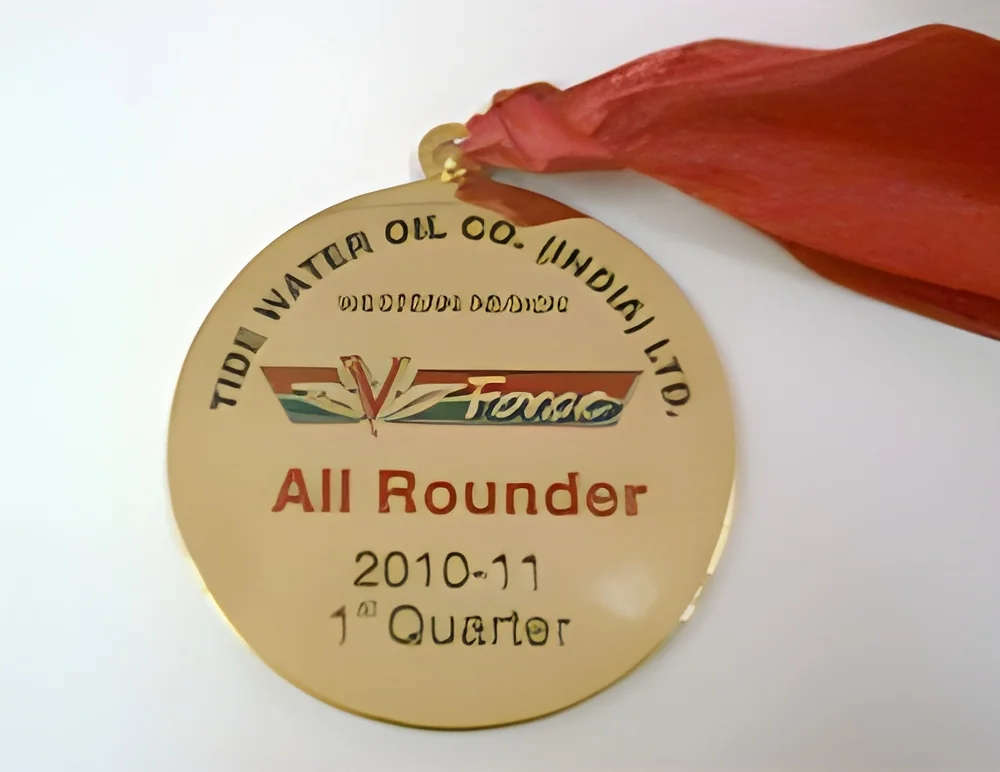
3. Corporate Awards: Companies use medals to honor employees for outstanding performance, long service, and achieving specific business goals.
4. Arts and Culture: Medals are awarded at art exhibitions and cultural festivals to recognize excellence in creativity and artistic expression.
5. Military Honors: Medals are used in the military to recognize bravery, service, and dedication among personnel.
6. Non-Profit Organizations: Medals can be awarded in fundraising events or community service projects to acknowledge contributions and volunteer efforts.
7. Scientific Achievements: Medals are sometimes presented to researchers and scientists for groundbreaking discoveries or contributions to their fields.
Product Variants and Subcategories
Medals are available in various forms to cater to different needs and preferences. The diversity in product variants allows buyers to choose based on specific requirements.
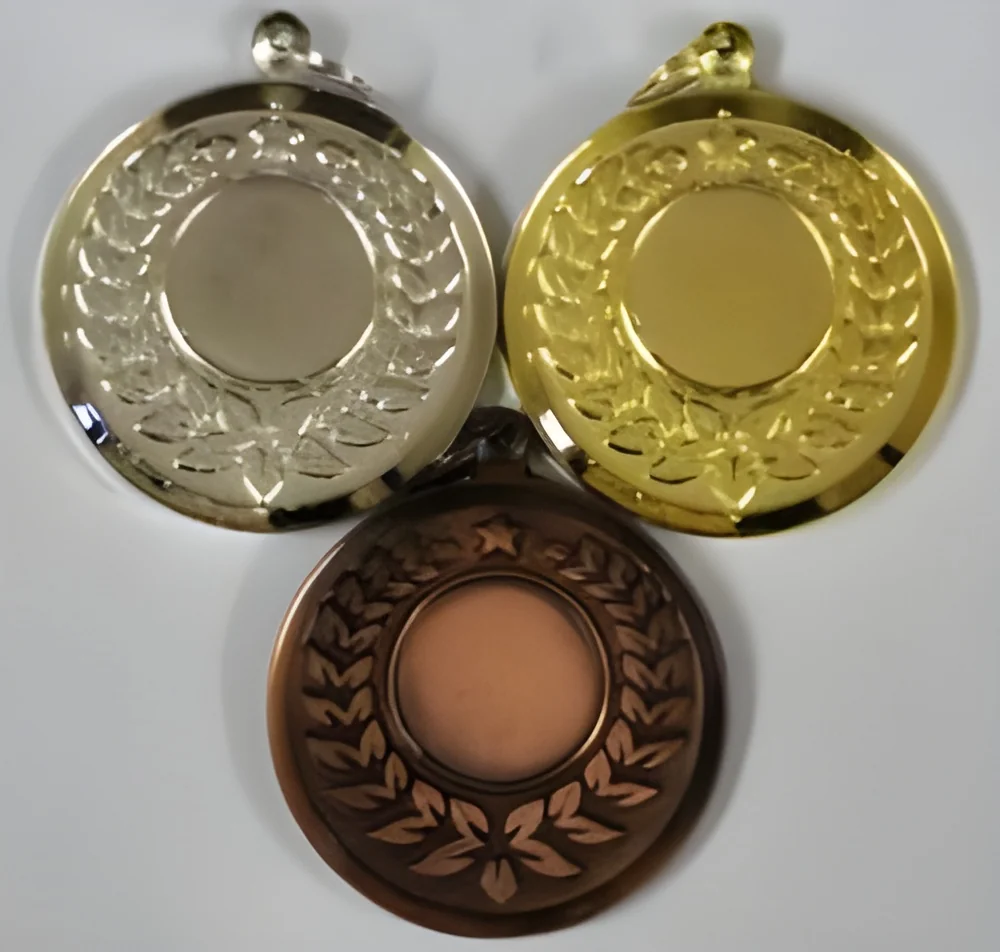
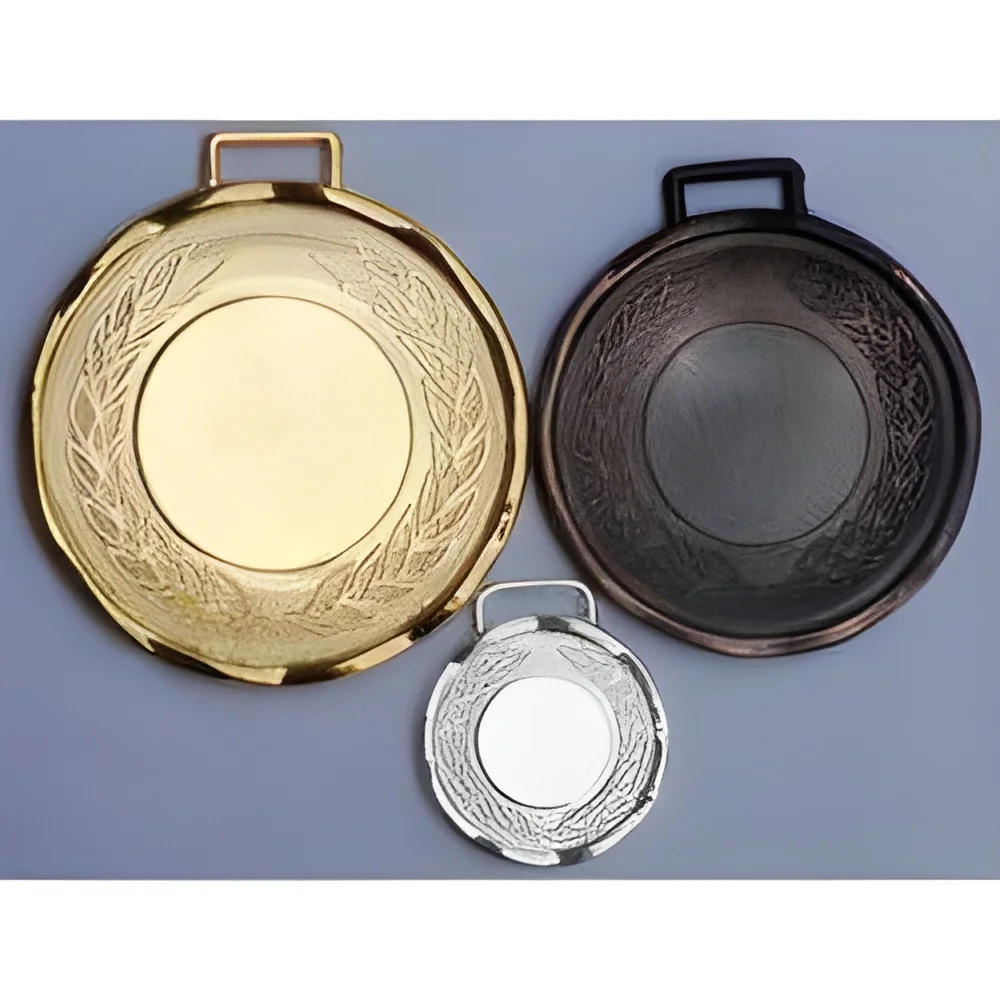
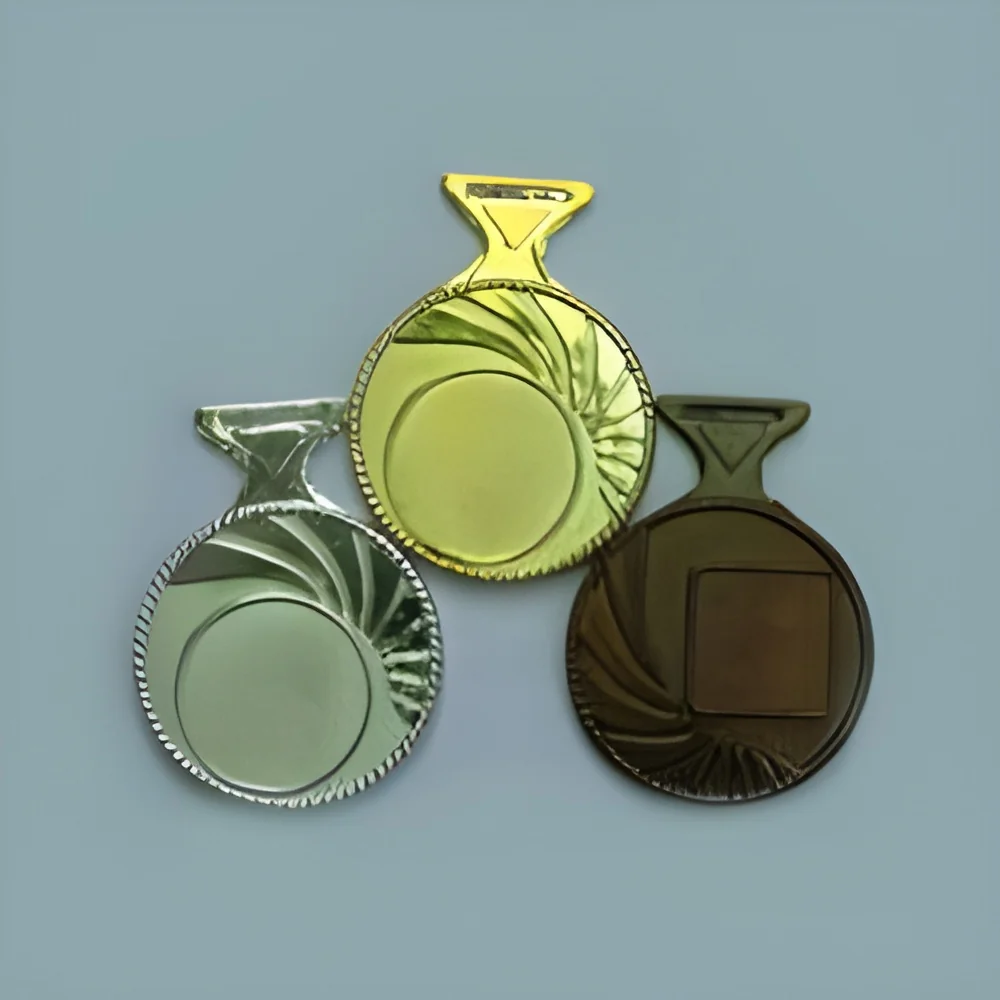
Gold Medals: These are the most prestigious awards, often made with a high percentage of gold content. They are typically used in competitive events to signify first place and excellence.
Silver Medals: Awarded for second place, silver medals usually have a blend of metals to achieve the desired appearance. They serve similar purposes as gold medals but represent a different level of achievement.
Bronze Medals: These medals are awarded for third place and are often made from a combination of copper and zinc. They carry a significant value and are commonly used in competitions.
Benefits and Advantages
Sourcing medals offers several advantages, making them a valuable addition to any recognition program.
1. Enhanced Recognition: Medals provide a tangible way to acknowledge achievements, boosting morale and motivation among recipients.
2. Customization Options: The ability to personalize medals with designs and engravings allows for meaningful recognition tailored to individual or organizational preferences.
3. Versatile Applications: Medals can be used across various industries, making them suitable for different events and recognition purposes.
4. Durable and Long-lasting: High-quality medals are designed to withstand wear and tear, ensuring they remain a lasting symbol of achievement.
5. Brand Visibility: Customized medals can feature company logos, enhancing brand recognition during award ceremonies and events.
6. Emotional Impact: Receiving a medal can evoke pride and a sense of accomplishment, strengthening the emotional connection to the achievement.
Buying Guide for B2B Buyers
When sourcing Medals (Gold, Silver, Bronze), it is essential for buyers to consider several factors to ensure they make informed decisions.
1. Quality Assessment: Buyers should evaluate the quality of materials used in the medals. Researching supplier reputation and seeking samples can help assess durability and appearance.
2. Supplier Verification: It is important to vet suppliers for credibility and reliability. Look for established manufacturers with positive reviews and certifications.
3. Pricing and MOQ: Understanding the pricing structure and minimum order quantities (MOQ) is crucial for budgeting. Compare quotes from different suppliers to ensure competitiveness.
4. Delivery and Lead Times: Inquire about delivery timelines to ensure timely receipt of medals. Consider logistics and production schedules when placing orders.
5. Compliance Requirements: Ensure that the medals meet any relevant industry standards or compliance regulations, such as CE certification. This guarantees safety and quality.
Compliance and Certifications
Compliance with quality standards and certifications is paramount in the production of medals. Medals should meet relevant standards such as ISO 9001, which ensures consistent quality in manufacturing processes.
Industry certifications, such as CE, indicate that the medals comply with European safety, health, and environmental protection standards. This certification is crucial for buyers seeking assurance of product quality and safety.
Safety and testing requirements must also be adhered to during the manufacturing process. This includes ensuring that the materials used are non-toxic and suitable for handling.
Finally, regional compliance considerations are essential for international buyers. Understanding local regulations and standards will help ensure that the medals can be legally sold and distributed in the intended markets.
Why Source Medals (Gold, Silver, Bronze) from Pepagora?
Pepagora provides a trusted platform for sourcing Medals (Gold, Silver, Bronze) with several key advantages that enhance the buying experience.
Verified Supplier Network: Pepagora offers access to a network of verified suppliers, ensuring that buyers can confidently source high-quality medals from reputable manufacturers. This verification process helps mitigate risks associated with supplier reliability.
Streamlined RFQ Process: The platform features a streamlined Request for Quotation (RFQ) process, allowing buyers to easily compare prices and specifications from multiple suppliers. This efficiency saves time and helps buyers make informed decisions.
Trade Assurance and Support: Pepagora offers trade assurance, providing buyers with protection throughout the purchasing process. This includes support for any disputes or issues that may arise, ensuring a secure transaction.
Regional Coverage: With a geographic reach that includes India, the GCC, and Southeast Asia, Pepagora connects buyers with suppliers across diverse markets. This broad coverage facilitates access to a wide range of medal options and competitive pricing.
Newly Added

Frequently Asked Questions
1
What is Medals (Gold, Silver, Bronze)?
Medals (Gold, Silver, Bronze) is a product offered by global suppliers on Pepagora.
2
How do I find suppliers for Medals (Gold, Silver, Bronze)?
Use Pepagora's search and filter options to find verified suppliers.
3
Can I request a quote for Medals (Gold, Silver, Bronze)?
Yes, use the RFQ feature to request quotes from multiple suppliers.
4
Is Medals (Gold, Silver, Bronze) available in multiple languages?
Pepagora supports multilingual catalogs for global buyers.
5
What trust signals are available for Medals (Gold, Silver, Bronze)?
Look for TruBadge, RFQ, and multilingual support on supplier profiles.
Why Businesses Trust Pepagora
Thousands of companies trust Pepagora to source smarter and sell faster
Expand Your Sales Globally
25000+Products listed.Get discovered by global buyers
Tools to boost visibility
Build your own catalog

Source Smarter,Grow Faster
4000+Active RFQs
100+ Countries served
Easy Sourcing Tools
