IN
IN₹
Apparel & Fashion
Description
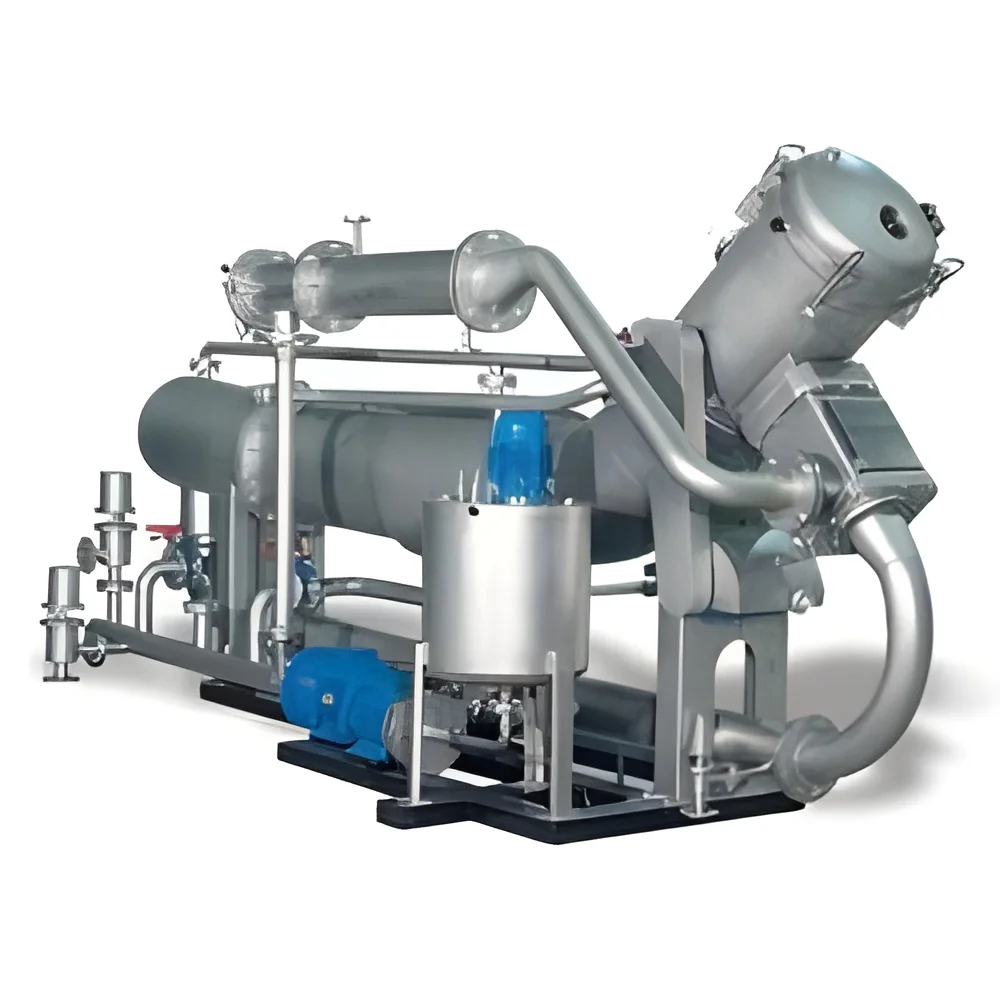
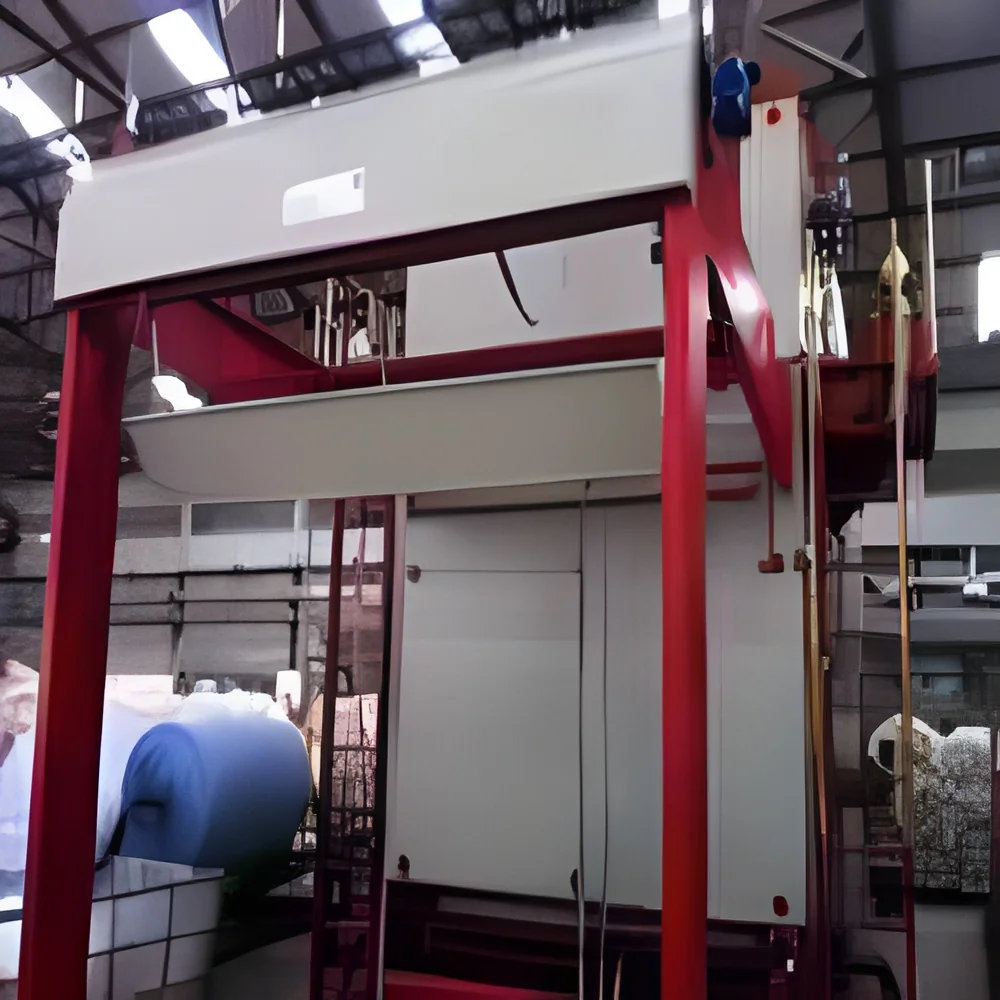
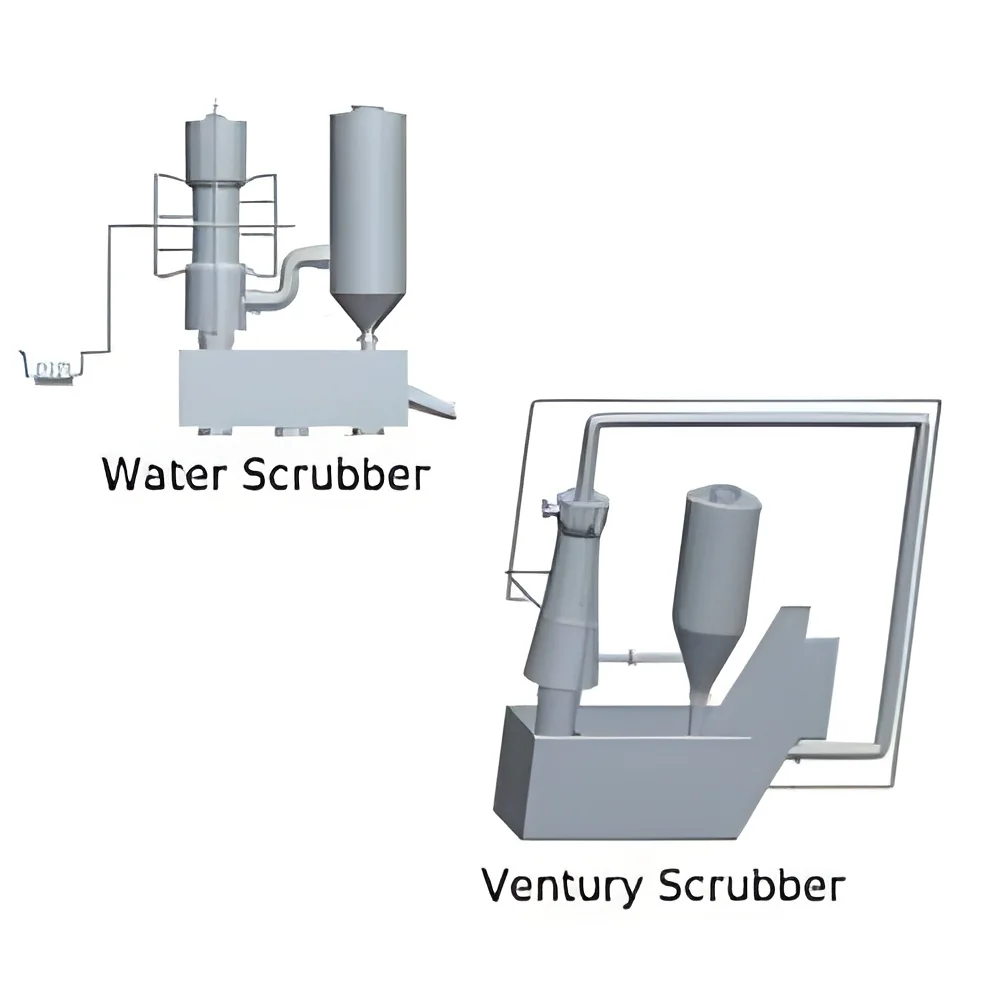
Industrial air pollution control wet scrubbers represent advanced technology designed to remove hazardous particulates and gases from industrial exhaust streams through liquid absorption and chemical reaction processes. These systems utilize a liquid spray to capture and neutralize pollutants, providing efficient contamination removal while maintaining operational reliability. Engineered for adaptability across various industrial environments, wet scrubbers offer solutions that address specific air quality challenges and regulatory requirements. The technology ensures comprehensive pollutant control while supporting sustainable industrial operations through effective emission management and environmental protection measures.

These systems serve critical roles across multiple industries where air quality management is paramount for both regulatory compliance and operational safety. Chemical and pharmaceutical manufacturers rely on wet scrubbers to control acidic gases and chemical vapo...
Industrial air pollution control wet scrubbers represent advanced technology designed to remove hazardous particulates and gases from industrial exhaust streams through liquid absorption and chemical reaction processes. These systems utilize a liquid spray to capture and neutralize pollutants, providing efficient contamination removal while maintaining operational reliability. Engineered for adaptability across various industrial environments, wet scrubbers offer solutions that address specific air quality challenges and regulatory requirements. The technology ensures comprehensive pollutant control while supporting sustainable industrial operations through effective emission management and environmental protection measures.

These systems serve critical roles across multiple industries where air quality management is paramount for both regulatory compliance and operational safety. Chemical and pharmaceutical manufacturers rely on wet scrubbers to control acidic gases and chemical vapors during production processes, ensuring workplace safety and environmental protection. Metal processing facilities utilize them for fume extraction during welding, grinding, and finishing operations, while waste management operations employ scrubbers for odor control and gas treatment. Food processing plants maintain hygiene standards through effective emission control, and power generation facilities depend on wet scrubbers for flue gas cleaning across diverse operational scales and requirements.

Businesses investing in wet scrubbers gain significant value through regulatory compliance assurance and operational risk reduction. These systems demonstrate exceptional reliability through corrosion-resistant construction and minimal maintenance requirements, ensuring long-term performance consistency and operational efficiency. The technology allows for tailored solutions that match specific airflow rates and contaminant profiles, maximizing efficiency while controlling operational costs. By effectively removing toxic airborne contaminants, wet scrubbers protect workforce health, enhance community relations through cleaner emissions, and provide sustainable environmental stewardship that supports business growth and compliance objectives while reducing environmental impact.

Key Features:
- Advanced liquid scrubbing technology for efficient particulate and gas removal
- Compatibility with various chemical reagents for targeted gas absorption
- Corrosion-resistant construction materials for enhanced durability
- Seamless integration capability into existing exhaust systems
- Configurable designs based on specific airflow and contaminant requirements

Benefits:
- Effective removal of harmful particulates and toxic gases from exhaust streams
- Ensures regulatory compliance with environmental air quality standards
- Protects workforce health and improves operational safety
- Reduces maintenance requirements with durable corrosion-resistant construction
- Supports sustainable operations through efficient emission control
Specifications
| Additional Information | |
|---|---|
| Country of Origin | India |
Application
Industrial wet scrubbers provide essential air pollution control by effectively capturing dust, fumes, and toxic gases from manufacturing exhaust streams. These systems handle diverse pollutants including acidic gases, particulate matter, and volatile organic compounds with proven reliability across various industrial environments. Their robust design ensures consistent performance while meeting stringent air quality standards and regulatory requirements.
Customizable configurations make wet scrubbers suitable for different industrial scales and specific contaminant challenges. They integrate seamlessly into existing exhaust systems while offering chemical reagent flexibility for targeted gas absorption. Industries benefit from reduced emissions, regulatory compliance, and improved operational safety through these efficient air pollution control solutions that protect both workers and the environment.
- Removing acidic gases and chemical vapors in pharmaceutical and chemical manufacturing plants
- Controlling metal fumes and particulate matter in welding, grinding, and metal fabrication facilities
- Eliminating odors and toxic gases in wastewater treatment plants and recycling operations
- Scrubbing process emissions and maintaining clean room standards in food processing facilities
- Cleaning flue gases and controlling emissions in power generation and boiler operations
Trade Details
| Available Stock | In Stock |
| Sample Availability | No |
Payment Terms
| Payment Terms |
|
Company Profile
Capto Engineering Co, Gujarat
 Gujarat, India
Gujarat, IndiaIndustrial Equipment & Machinery•Manufacturer•Importer / Exporter
Factory Details
Factory SizeBelow 1000 sqm
Annual Production Capacity0
Main Markets
South Asia
Industrial Air Pollution Control Wet Scrubbers For Harmful Particulates And Gases
Industrial air pollution control wet scrubbers efficiently remove harmful particulates and gases from exhaust streams with reliable performance for diverse industrial applications and environmental compliance.
Min. Order Quantity: 1 unit
Shipping
Shipping fee and delivery date to be negotiated. Contact supplier now for more details.
Capto Engineering Co
 Gujarat, India
Gujarat, IndiaIndustrial Equipment & MachineryManufacturer