IN
INundefined
Description
Our industrial wastewater treatment plants provide comprehensive water management solutions for sectors where effluent quality and regulatory compliance are critical. These systems...
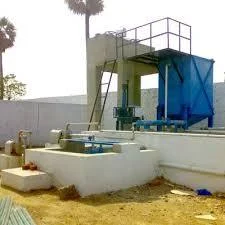
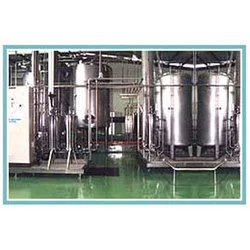
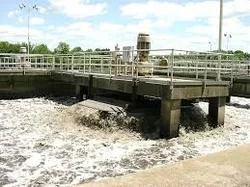
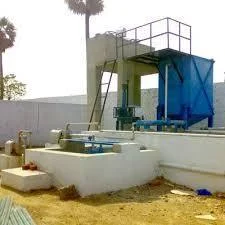
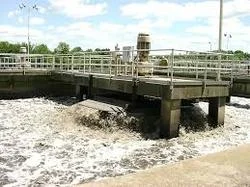
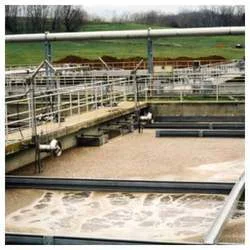
Our industrial wastewater treatment plants provide comprehensive water management solutions for sectors where effluent quality and regulatory compliance are critical. These systems incorporate multiple treatment stages including primary clarification, biological processing, secondary clarification, and tertiary polishing to address diverse contaminant profiles. Built with robust, corrosion-resistant materials suitable for aggressive industrial environments, they deliver consistent performance under challenging conditions. Automated control systems continuously monitor key parameters, maintaining optimal treatment efficacy while reducing manual intervention and operational expenses.

These treatment systems serve essential roles across water-intensive industries facing stringent environmental regulations. The textile sector relies on them for removing complex dye compounds and chemical residues from extensive dyeing operations. Pharmaceutical manufacturers utilize these plants for eliminating antibiotic residues and chemical byproducts that standard municipal systems cannot process. Food processing facilities implement these solutions for treating high-strength organic waste, fats, oils, and greases from production lines. Automotive and metal fabrication industries depend on them for treating coolant, oil, and heavy metal contaminated wastewater, while chemical manufacturing plants use them for processing complex chemical mixtures requiring specialized treatment approaches.

The operational value of our wastewater treatment plants extends beyond meeting regulatory requirements to deliver measurable business advantages. They transform wastewater from a disposal challenge into a reusable resource, significantly cutting freshwater consumption and associated costs. Companies achieve substantial savings through reduced water procurement expenses and lower effluent disposal fees. System reliability minimizes downtime risks and prevents production interruptions related to compliance issues. Long-term durability and low maintenance requirements provide exceptional return on investment while demonstrating environmental responsibility to stakeholders and regulatory authorities.

Key Features:
- Multi-stage treatment process combining physical, biological, and chemical methods
- Corrosion-resistant construction using premium materials for extended service life
- Fully automated control systems with continuous monitoring and adjustment capabilities
- Customizable design adaptable to specific flow rates and contamination profiles
- Modular configuration allowing for future expansion and process modifications

Benefits:
- Ensures regulatory compliance with environmental discharge standards
- Reduces operational costs through water recycling and reuse
- Minimizes freshwater consumption and associated procurement expenses
- Provides reliable performance with minimal maintenance requirements
- Delivers long-term durability and exceptional return on investment
Specifications
| Additional Information | |
|---|---|
| Country of Origin | India |
| Customisable | No |
Application
Our industrial wastewater treatment plants handle complex effluent streams from continuous manufacturing operations. Engineered for heavy-duty performance, these systems maintain consistent output quality even with variable input conditions. Corrosion-resistant materials and automated controls ensure reliable operation with minimal intervention in demanding industrial environments.

These treatment solutions address critical compliance requirements while supporting sustainability goals. They enable water recycling, reduce freshwater consumption, and prevent harmful discharge into municipal systems. Industries implement our plants for both regulatory adherence and operational cost savings through water reuse and reduced disposal fees, making them essential for modern manufacturing operations.
- Textile manufacturing facilities removing dyes and chemical residues from dyeing processes
- Pharmaceutical production units treating antibiotic residues and chemical byproducts
- Food processing plants handling organic waste, fats, oils, and greases from production
- Automotive and metal fabrication industries treating coolant and heavy metal wastewater
- Chemical manufacturing facilities processing complex chemical effluents and high-strength waste
Trade Details
| Available Stock | In stock |
| Sample Availability | No |
Payment Terms
| Payment Terms |
|
Company Profile
Bharadwaj Ecotech, Maharashtra
 Maharashtra, India
Maharashtra, IndiaTrading CompanyDistributor / Wholesaler
Factory Details
Factory SizeBelow 1000 sqm
Annual Production Capacity0
Industrial Wastewater Treatment Plants for Manufacturing, Pharma, Textiles, Food
Industrial wastewater treatment plants for manufacturing, pharma, textiles, and food processing. Reliable effluent treatment systems ensure compliance and water reuse with proven performance.
Min. Order Quantity: 1 units
Shipping
Shipping fee and delivery date to be negotiated. Contact supplier now for more details.
Bharadwaj Ecotech Maharashtra, India
Maharashtra, IndiaTrading Company