IN
IN₹
Apparel & Fashion
Description
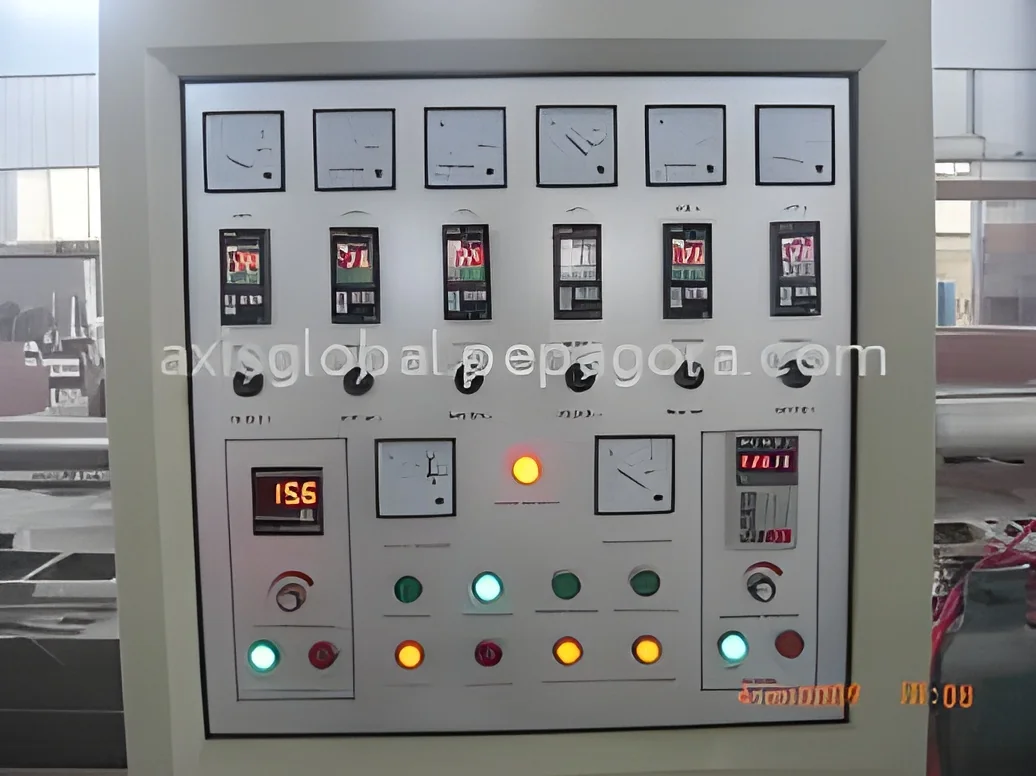
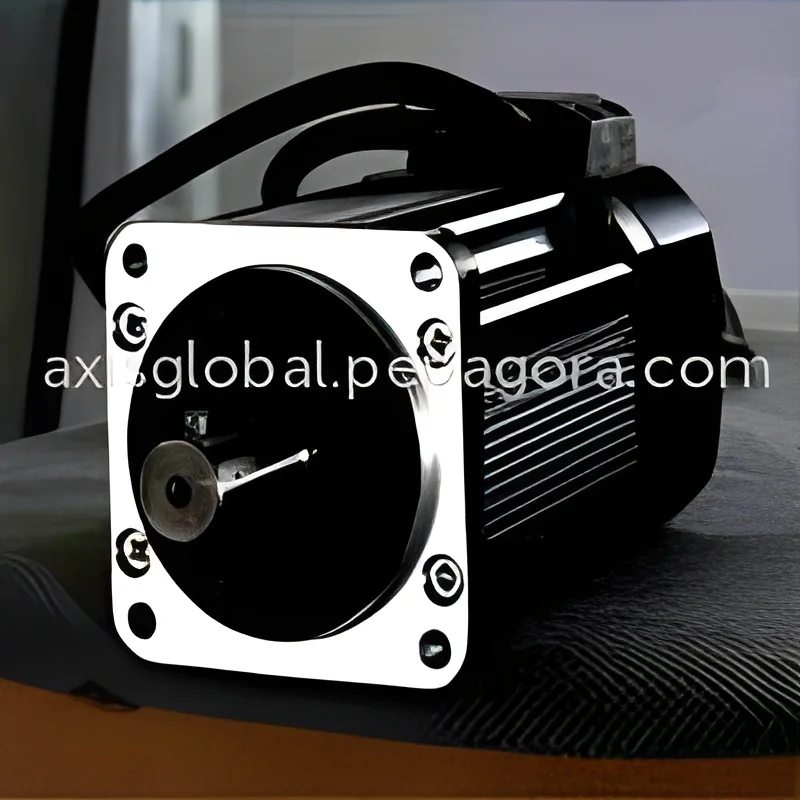
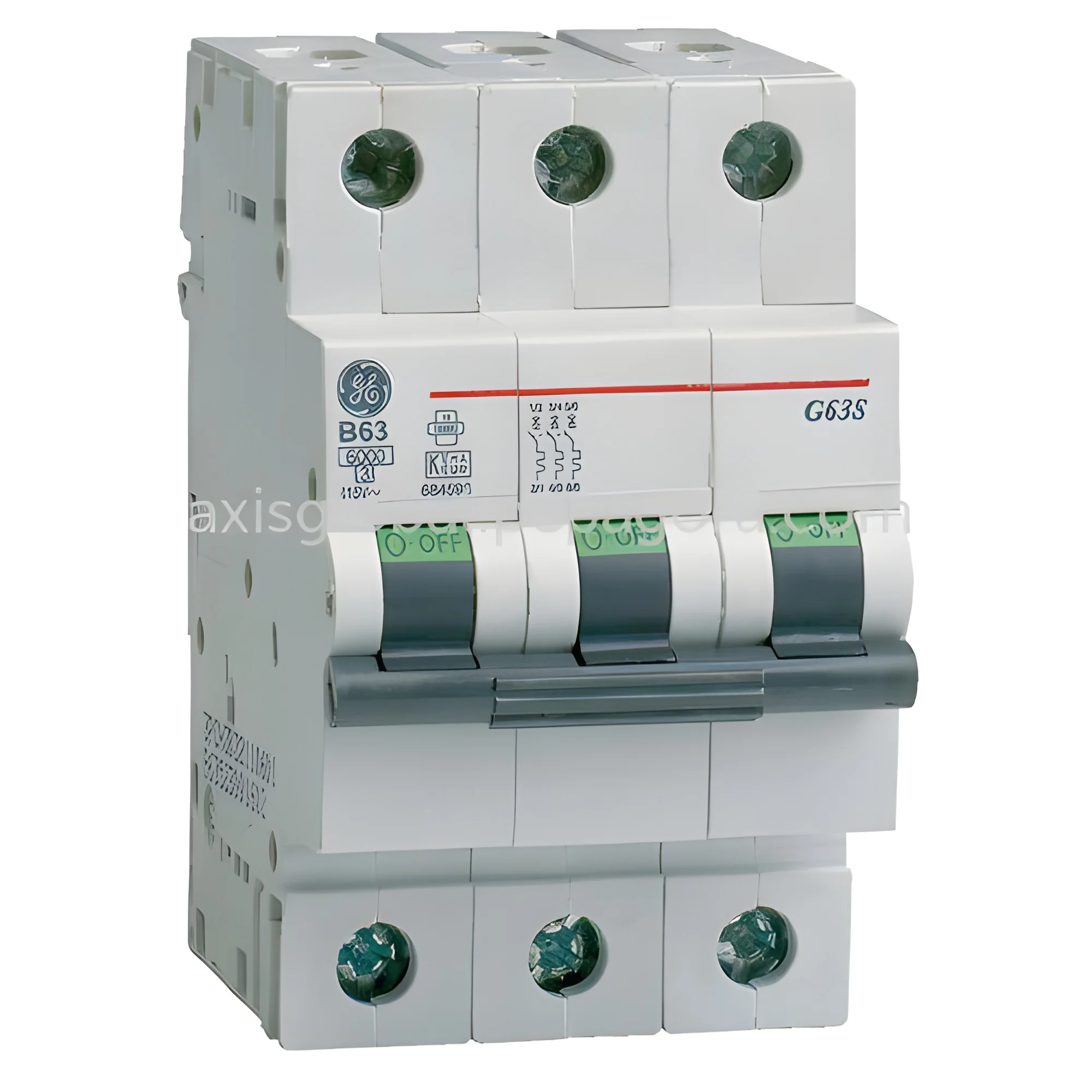
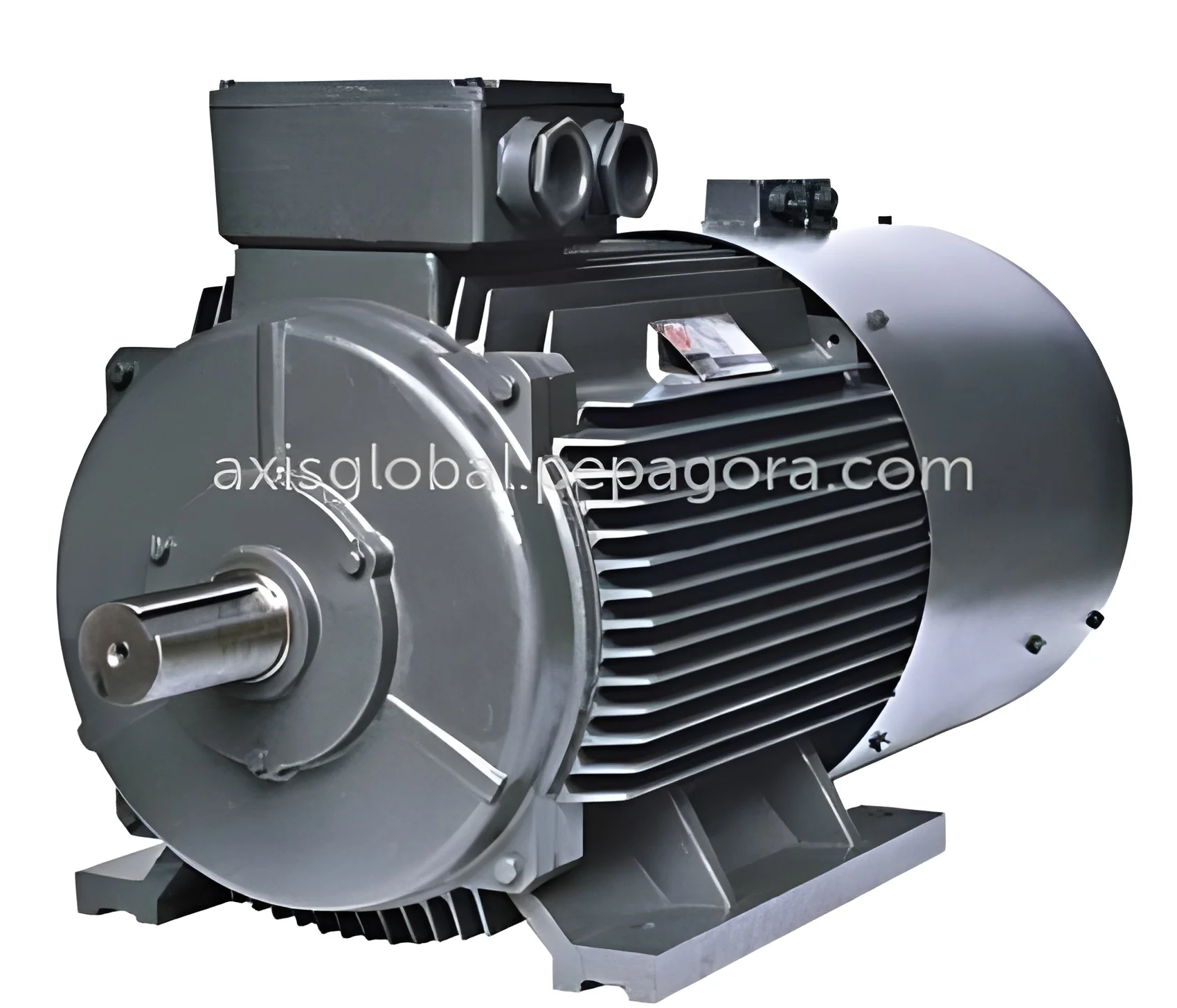
Our variable speed servo motors represent advanced industrial motion control technology specifically engineered for the demanding requirements of apparel manufacturing. These three-phase motors operating at 208-240V deliver exceptional precision in speed regulation, enabling manufacturers to achieve optimal performance across various textile processing applications. Built with robust components and featuring totally enclosed protection, these motors ensure reliable operation in challenging production environments. The integrated power conditioning systems including drive isolation transformers and line reactors provide additional stability, while ISO9001 certification guarantees consistent quality standards. With negotiable pricing and guaranteed on-time delivery, these motors are designed to enhance manufacturing capabilities while reducing operational costs through improved energy efficiency and minimal maintenance requirements.

These variable speed servo motors serve critical funct...
Our variable speed servo motors represent advanced industrial motion control technology specifically engineered for the demanding requirements of apparel manufacturing. These three-phase motors operating at 208-240V deliver exceptional precision in speed regulation, enabling manufacturers to achieve optimal performance across various textile processing applications. Built with robust components and featuring totally enclosed protection, these motors ensure reliable operation in challenging production environments. The integrated power conditioning systems including drive isolation transformers and line reactors provide additional stability, while ISO9001 certification guarantees consistent quality standards. With negotiable pricing and guaranteed on-time delivery, these motors are designed to enhance manufacturing capabilities while reducing operational costs through improved energy efficiency and minimal maintenance requirements.

These variable speed servo motors serve critical functions across multiple segments of the apparel manufacturing industry. Garment production facilities utilize them to power industrial sewing machines, allowing precise speed adjustments for different materials ranging from delicate silks to heavy denims. Textile mills incorporate these motors in weaving and knitting machinery where consistent speed maintenance is essential for fabric quality and production uniformity. Printing and dyeing operations benefit from their precise control capabilities for accurate pattern alignment and consistent color application. The motors also drive automated cutting systems, embroidery machines, and material handling conveyors throughout fashion manufacturing facilities. The built-in power conditioning features make them particularly valuable in industrial settings with multiple electrical devices, where they maintain stable performance without interference from other equipment.

The business value of these variable speed servo motors extends beyond technical specifications to deliver tangible operational advantages. Their proven reliability translates to reduced production downtime and lower maintenance costs, while energy-efficient operation significantly decreases electricity consumption compared to traditional fixed-speed alternatives. The variable speed capability provides exceptional production flexibility, enabling manufacturers to quickly adapt to different fabric types and production requirements without equipment changes. This combination of features makes these motors a strategic investment for apparel businesses seeking to improve product quality, increase production efficiency, and reduce operational expenses while maintaining competitive positioning in the dynamic fashion manufacturing landscape.

Key Features:
- Variable speed control for precise operation across different applications
- Three-phase 208-240V power configuration for industrial use
- Totally enclosed protection for enhanced durability
- Integrated drive isolation transformers and line reactors
- ISO9001 certified manufacturing quality assurance

Benefits:
- Energy-efficient operation reducing electricity costs
- Precise speed control improving product quality
- Reduced maintenance requirements and downtime
- Enhanced production flexibility for different fabrics
- Reliable performance in demanding manufacturing environments
Specifications
| Key Attributes | |
|---|---|
| A C Voltage | 208-230/240 V |
| Phase | Three-phase |
| Protect Feature | Totally Enclosed |
| Type | Servo Motor |
| Certification | ISO9001 |
| Speed | Variable |
| Quality | Best |
| Price | Negotiable |
| Delivery | On Time Delivery |
| Service | OEM |
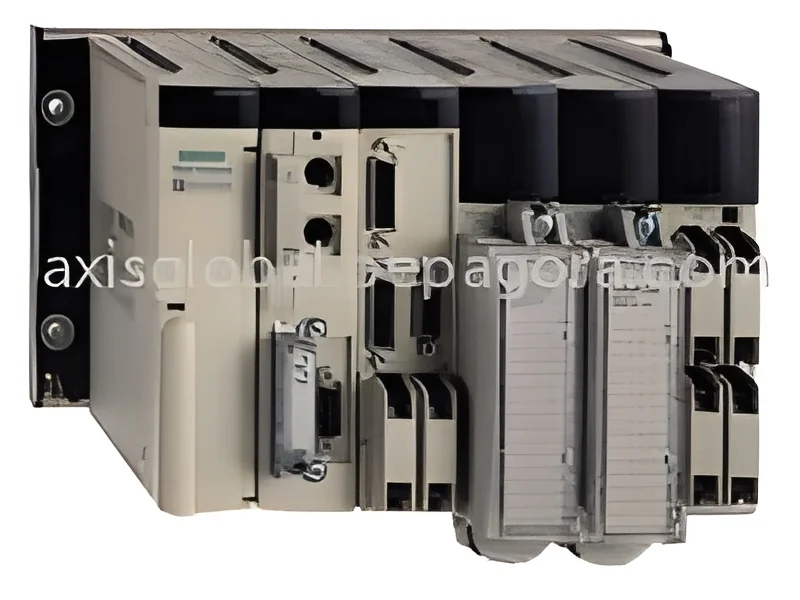
| Power Conditioning | Drive Isolation Transformers, Line and Load Reactors |
| Additional Information | |
|---|---|
| Country of Origin | 106 |
Application
Variable speed servo motors provide essential precision control for industrial sewing machines, automated fabric cutters, and textile handling systems. Operators can dynamically adjust motor speeds to match different fabric types and production requirements, ensuring consistent stitch quality while minimizing material waste and operational costs. These motors maintain reliable performance across various textile processing applications where speed accuracy directly impacts final product quality and production efficiency.
In modern apparel manufacturing facilities, these three-phase servo motors drive automated looms, knitting equipment, and finishing machinery with smooth acceleration and deceleration. The totally enclosed protection and integrated power conditioning systems including drive isolation transformers and line reactors ensure stable operation in electrically challenging environments. This makes them ideal for large-scale production plants where multiple machines operate simultaneously without performance interference or quality compromise.
- Industrial sewing machines requiring precise speed control for different fabrics
- Automated fabric cutting systems with adjustable motor speeds
- Textile printing machines maintaining consistent pattern alignment
- Embroidery equipment ensuring proper thread tension and stitch quality
- Material handling conveyors in apparel manufacturing facilities
Trade Details
| Available Stock | In Stock |
| Sample Availability | No |
Payment Terms
| Payment Terms |
|
Company Profile

Axis Global Automation, Tamil Nadu
 Tamil Nadu, India
Tamil Nadu, IndiaElectronics & Electrical•Manufacturer
Factory Details
Factory SizeBelow 1000 sqm
Annual Production Capacity0
Apparel Manufacturing Variable Speed Servo Motor Three Phase 208 240V
Premium variable speed servo motor for apparel manufacturing delivers precise control, energy savings, and reliable performance. This three-phase 208-240V motor features totally enclosed protection and ISO9001 certification for sewing, cutting, and textile automation applications.
Min. Order Quantity: 1 piece
Shipping
Shipping fee and delivery date to be negotiated. Contact supplier now for more details.
Axis Global Automation
 Tamil Nadu, India
Tamil Nadu, IndiaElectronics & ElectricalManufacturer