IN
IN₹
Apparel & Fashion
Description
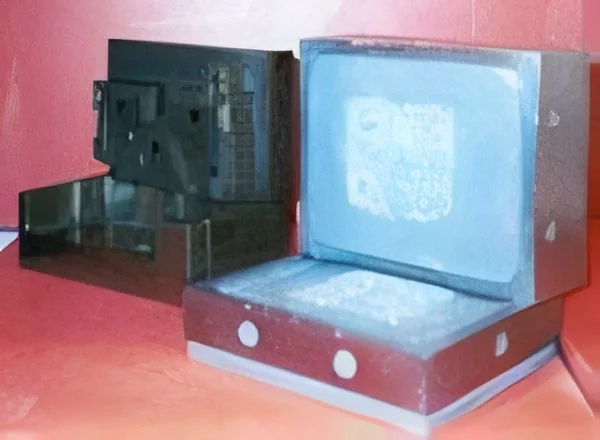
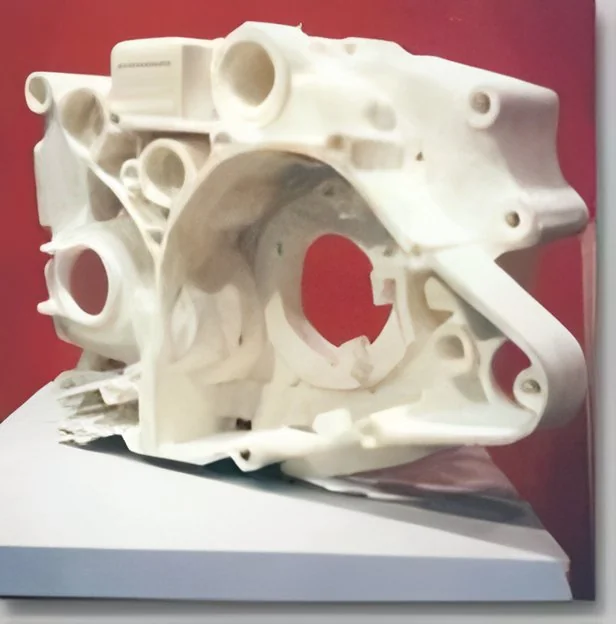
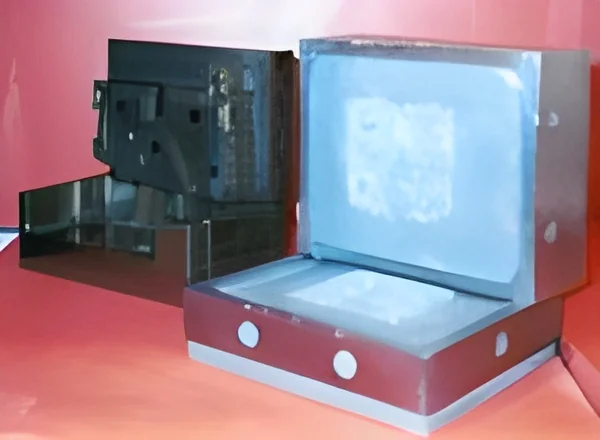
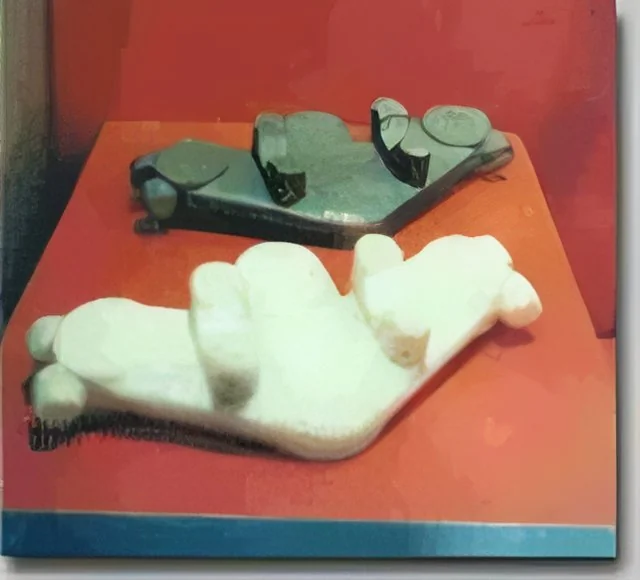
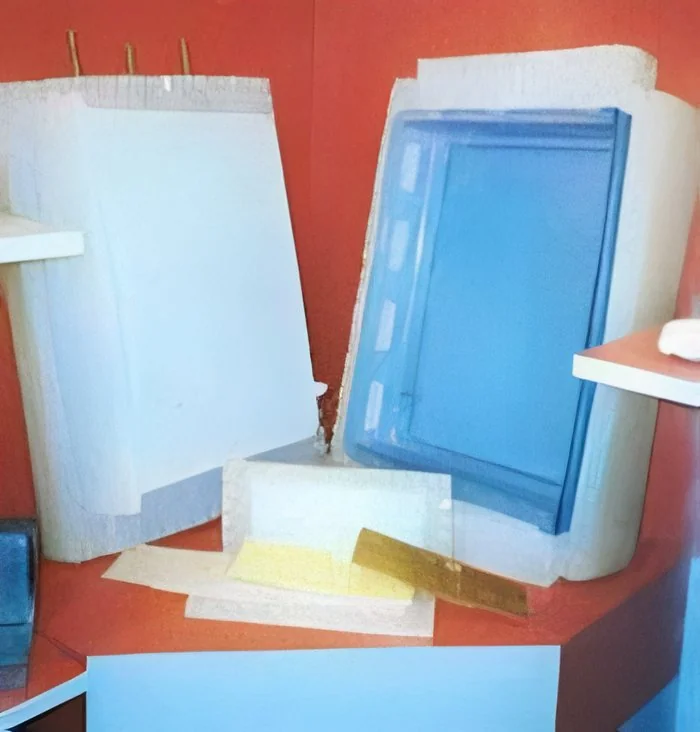
Vacuum casting begins with creating a master pattern using advanced rapid prototyping techniques, meticulously finished to meet exact quality standards. This pattern is suspended in an enclosed box where liquid silicone rubber is poured around it, forming a durable and precise mold once fully cured. The mold is then carefully cut along the parting line to remove the pattern, creating a reusable tool capable of producing multiple identical parts with consistent quality and exceptional detail capture. This sophisticated process excels at creating components that closely resemble final production parts in both appearance and functionality, making it ideal for validation and testing purposes across various industries.

This advanced manufacturing method serves numerous industries requiring high-quality prototypes and low-volume production parts. The automotive sector extensively uses vacuum casting for functional prototype components and testing parts for new vehicle developments. Consumer...
Vacuum casting begins with creating a master pattern using advanced rapid prototyping techniques, meticulously finished to meet exact quality standards. This pattern is suspended in an enclosed box where liquid silicone rubber is poured around it, forming a durable and precise mold once fully cured. The mold is then carefully cut along the parting line to remove the pattern, creating a reusable tool capable of producing multiple identical parts with consistent quality and exceptional detail capture. This sophisticated process excels at creating components that closely resemble final production parts in both appearance and functionality, making it ideal for validation and testing purposes across various industries.

This advanced manufacturing method serves numerous industries requiring high-quality prototypes and low-volume production parts. The automotive sector extensively uses vacuum casting for functional prototype components and testing parts for new vehicle developments. Consumer goods manufacturers rely on it for product housings, enclosures, and functional prototypes. Medical companies utilize the process for compliant device prototypes and detailed anatomical training models. Aerospace applications include lightweight interior and exterior components that require precise verification. Architectural firms benefit from highly detailed scale models and design validation pieces that accurately represent final structures for client presentations and project approvals.

Businesses choose vacuum casting for its exceptional value proposition combining reliability, cost-effectiveness, and rapid turnaround times. The process eliminates the high costs associated with traditional tooling while delivering production-quality parts quickly, supporting extensive customization options and rapid design changes throughout development cycles. This significantly reduces financial risk in product development while ensuring components can be refined and validated efficiently before committing to large-scale manufacturing investments. The method offers remarkable material versatility and guarantees consistent results across all produced parts, making it a trusted solution for serious buyers seeking precision manufacturing solutions.

Key Features:
- High-quality prototypes and end-use parts using silicone molds
- Custom low-volume manufacturing solutions
- Fast turnaround times for rapid production
- Exceptional precision and detail accuracy
- Reusable molds for multiple identical parts

Benefits:
- Cost-effective alternative to traditional tooling methods
- Rapid production cycles for faster time-to-market
- Consistent quality and detail across all parts
- Material versatility for various application needs
- Reduced financial risk in product development
Specifications
| Additional Information | |
|---|---|
| Country of Origin | India |
Application
Vacuum casting serves as a vital manufacturing solution for creating precise functional prototypes and production-grade parts across various sectors. This process enables rapid design iteration and cost-effective small batch production, making it ideal for product development and validation before moving to full-scale manufacturing. It provides excellent material flexibility and high detail accuracy for businesses needing reliable outcomes without major capital investment.
Industries globally depend on vacuum casting for its capacity to produce high-fidelity parts quickly and economically. The method effectively bridges the gap between single prototypes and mass production, allowing companies to thoroughly test designs, materials, and functionality with minimal financial exposure. This manufacturing approach is widely adopted in automotive, aerospace, medical, consumer goods, and architectural fields due to its consistent performance and broad customization possibilities.
- Automotive prototyping and functional component testing for new vehicle designs and part validation
- Consumer electronics housing and enclosures for product testing and market evaluation
- Medical device prototypes and anatomical models for compliance verification and training purposes
- Aerospace interior and exterior components for lightweight part verification and performance testing
- Architectural scale models and design validation for project presentations and client approvals
Trade Details
| Available Stock | In Stock |
| Sample Availability | No |
Payment Terms
| Payment Terms |
|
Company Profile
Marcopolo Products Pvt Ltd, West Bengal
 West Bengal, India
West Bengal, IndiaElectronics & Electrical
Factory Details
Factory SizeBelow 1000 sqm
Annual Production Capacity0
Vacuum Casting For High Quality Prototypes And End Use Parts
Vacuum Casting delivers high-quality prototypes and end-use parts using silicone molds for custom low-volume manufacturing, offering fast turnaround, reliability, and precision without high tooling costs.
Min. Order Quantity: 1 unit
Shipping
Shipping fee and delivery date to be negotiated. Contact supplier now for more details.
Marcopolo Products Pvt Ltd
 West Bengal, India
West Bengal, IndiaElectronics & Electrical