IN
IN₹
Description
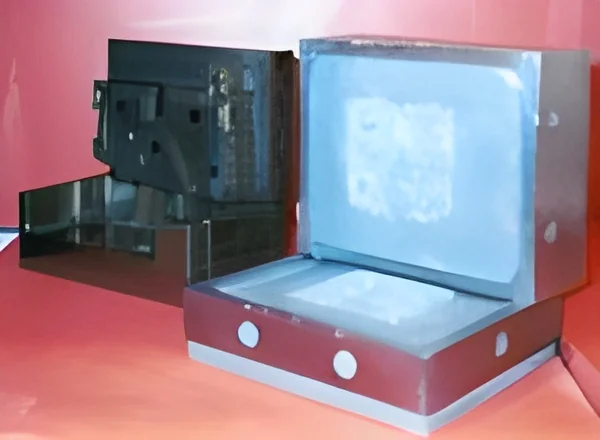
Hybrid Tooling leverages advanced ZAMAG aluminum-zinc alloy to deliver high-performance moulds capable of over 1200 cycles, making it a reliable choice for apparel and fashion businesses. This process allows for the production of components in actual materials, providing realistic and functional prototypes that closely mimic final products. It bridges the gap between prototyping and full-scale production, offering a cost-effective solution for companies that need to validate designs, test market response, or execute medium-volume manufacturing without the expense and lead time of traditional tooling. The result is a versatile, efficient, and scalable system that supports innovation and accelerates product development.

This tooling is widely adopted across the apparel and fashion industry, serving designers, manufacturers, and brands focused on quality and speed. It is ideal for creating prototypes for garments, accessories, footwear, and wearable technology, enabling businesses to ite...
Hybrid Tooling leverages advanced ZAMAG aluminum-zinc alloy to deliver high-performance moulds capable of over 1200 cycles, making it a reliable choice for apparel and fashion businesses. This process allows for the production of components in actual materials, providing realistic and functional prototypes that closely mimic final products. It bridges the gap between prototyping and full-scale production, offering a cost-effective solution for companies that need to validate designs, test market response, or execute medium-volume manufacturing without the expense and lead time of traditional tooling. The result is a versatile, efficient, and scalable system that supports innovation and accelerates product development.

This tooling is widely adopted across the apparel and fashion industry, serving designers, manufacturers, and brands focused on quality and speed. It is ideal for creating prototypes for garments, accessories, footwear, and wearable technology, enabling businesses to iterate quickly and reduce time-to-market. Industries such as high fashion, sportswear, and functional apparel rely on Hybrid Tooling for its ability to produce detailed, durable parts that meet stringent aesthetic and performance requirements. It is also used for custom hardware, including clasps, buttons, and tech integrations, ensuring every component aligns with brand standards and functional needs.

Hybrid Tooling provides significant business value by reducing prototyping costs, minimizing risks, and enhancing production flexibility. Its reliability stems from the robust ZAMAG alloy, which ensures consistent output and longevity, even for complex or custom designs. This makes it a trustworthy solution for businesses seeking to maintain high quality while controlling expenses. The tooling supports customization without compromising on durability, offering a distinct advantage over alternatives like 3D printing or soft tooling. By enabling realistic material testing and functional validation, it helps companies avoid costly errors, improve product outcomes, and respond agilely to market demands.

Key Features:
- Constructed from durable ZAMAG aluminum-zinc alloy for extended mould life.
- Capable of over 1200 cycles, ensuring high repeatability and consistency.
- Produces components in actual materials for realistic prototyping and functional parts.
- Supports full customization to accommodate diverse and complex design requirements.
- Delivers reliable and precise output, reducing waste and ensuring quality.

Benefits:
- Reduces prototyping and production costs compared to traditional tooling methods.
- Accelerates time-to-market by enabling rapid design validation and iteration.
- Provides high-fidelity prototypes in actual materials for accurate testing and presentation.
- Offers exceptional durability with 1200+ cycle life for reliable medium-volume runs.
- Enhances design flexibility and supports complex geometries without sacrificing quality.
Specifications
| Additional Information | |
|---|---|
| Country of Origin | India |
Application
Hybrid Tooling is engineered for precision prototyping and efficient short-run production in the apparel and fashion sector. It allows designers and manufacturers to test designs, validate materials, and produce functional components without the high costs of traditional tooling. This makes it an essential solution for businesses focused on innovation and rapid market entry.
This tooling method supports a wide range of applications from fashion accessories to wearable tech, enabling the creation of high-fidelity parts in actual materials. It is particularly valuable for producing custom hardware, detailed components, and functional prototypes that require durability and accuracy, ensuring every piece meets strict quality standards before full-scale production.
- Creating precise prototypes for new apparel designs and fashion collections.
- Manufacturing custom buttons, zippers, and other garment hardware components.
- Producing durable and detailed parts for footwear, including buckles and accents.
- Developing functional prototypes for wearable technology and smart clothing integrations.
- Enabling short production runs for limited edition accessories and fashion items.
Trade Details
| Available Stock | In Stock |
| Sample Availability | No |
Payment Terms
| Payment Terms |
|
Company Profile
Marcopolo Products Pvt Ltd, West Bengal
 West Bengal, India
West Bengal, IndiaElectronics & Electrical
Factory Details
Factory SizeBelow 1000 sqm
Annual Production Capacity0
Apparel Fashion Hybrid Tooling ZAMAG Alloy 1200+ Mould Life
Apparel Fashion Hybrid Tooling uses durable ZAMAG aluminum-zinc alloy for high-quality, reliable moulds with a life of 1200+ pieces, ideal for prototyping and production needs.
Min. Order Quantity: 1 unit
Shipping
Shipping fee and delivery date to be negotiated. Contact supplier now for more details.
Marcopolo Products Pvt Ltd
 West Bengal, India
West Bengal, IndiaElectronics & Electrical