
 IN
₹
Apparel & Fashion
Description
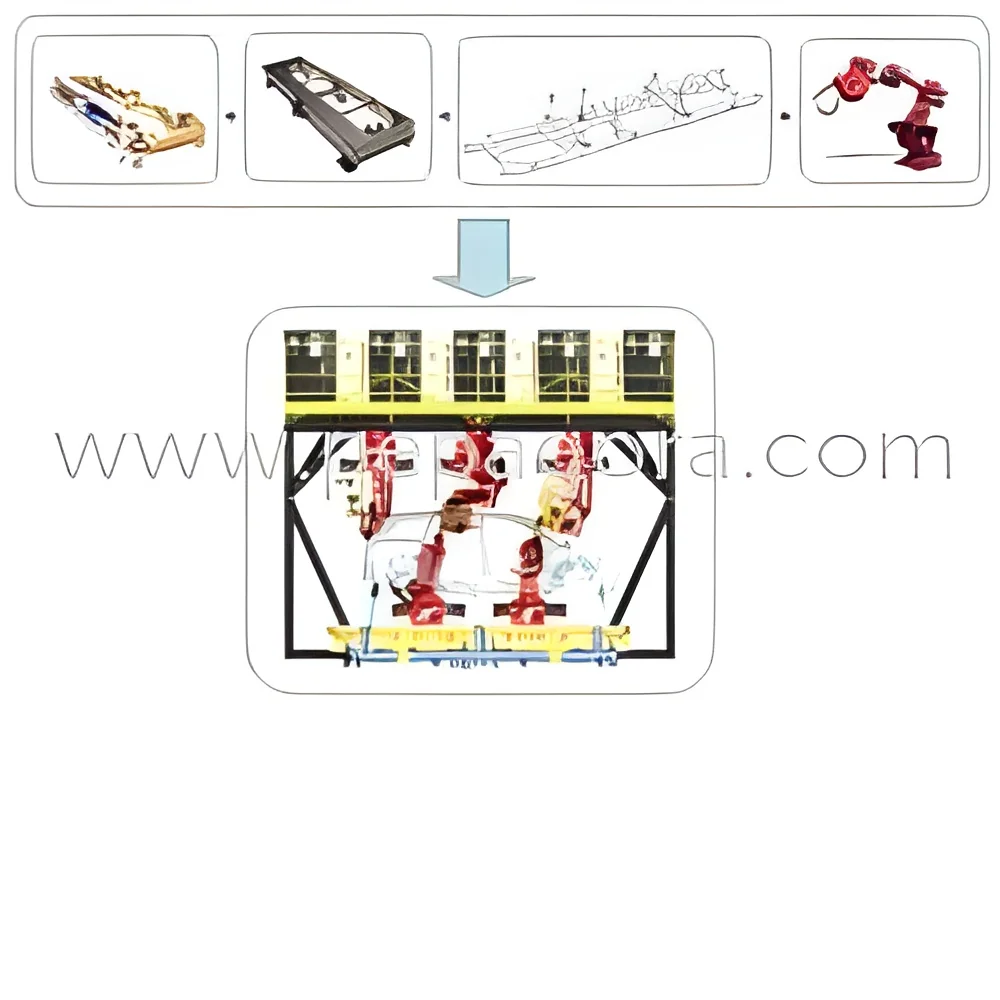
Industrial automated transfer systems represent advanced material handling solutions designed to optimize manufacturing and logistics operations. These systems automate the movement of goods, components, and materials between different stages of production, storage, and distribution processes. Engineered for reliability and performance, they ensure continuous operation while significantly reducing manual intervention requirements. The systems deliver consistent material transfer with precision timing and handling accuracy, meeting the demanding requirements of modern industrial operations across various sectors and operational scales.

These transfer systems serve critical functions across multiple industrial sectors, providing reliable material movement solutions tailored to specific industry requirements. Automotive manufacturers utilize them for precise component transfer between assembly stations, while food processing facilities benefit from systems that maintain hygiene standards...
Industrial automated transfer systems represent advanced material handling solutions designed to optimize manufacturing and logistics operations. These systems automate the movement of goods, components, and materials between different stages of production, storage, and distribution processes. Engineered for reliability and performance, they ensure continuous operation while significantly reducing manual intervention requirements. The systems deliver consistent material transfer with precision timing and handling accuracy, meeting the demanding requirements of modern industrial operations across various sectors and operational scales.

These transfer systems serve critical functions across multiple industrial sectors, providing reliable material movement solutions tailored to specific industry requirements. Automotive manufacturers utilize them for precise component transfer between assembly stations, while food processing facilities benefit from systems that maintain hygiene standards during material handling. Pharmaceutical operations rely on these systems for sterile transfer in controlled environments, and logistics companies implement them for efficient package sorting and distribution. The manufacturing sector overall benefits from automated material movement that eliminates production bottlenecks and ensures workflow continuity.

Businesses implementing industrial automated transfer systems achieve substantial operational improvements through enhanced efficiency and reduced labor costs. The reliability of these systems ensures consistent performance with minimal operational downtime, protecting production schedules and delivery commitments. The precision engineering and robust construction translate to lower maintenance requirements and extended service life, providing long-term value. These systems deliver competitive advantages by increasing throughput capacity, reducing handling errors, and supporting scalable operations that adapt to evolving business needs and production demands.

Key Features:
- Robust construction using industrial-grade materials for durability
- Precision engineering ensuring accurate and reliable transfer operations
- Seamless integration capabilities with existing machinery and systems
- Advanced control systems for automated operation and monitoring
- Flexible configurations to match specific operational requirements

Benefits:
- Increased productivity through automated material handling
- Reduced labor costs and manual intervention requirements
- Minimal operational downtime with reliable performance
- Lower maintenance costs with durable construction
- Improved workflow continuity and production efficiency
Specifications
| Additional Information | |
|---|---|
| Country of Origin | India |
Application
Industrial automated transfer systems streamline material movement throughout manufacturing facilities and distribution centers, handling everything from components to finished goods with precision. These systems reduce manual labor requirements while minimizing handling errors and improving workflow continuity across diverse operational environments and production scales.
Multiple industries rely on these transfer systems for their material handling needs, from automotive assembly plants to food processing facilities and pharmaceutical operations. The systems provide flexible solutions that integrate with existing machinery and processes, supporting applications ranging from heavy-duty manufacturing to delicate product handling in controlled environments with consistent performance.
- Component transfer between assembly stations in automotive manufacturing
- Package sorting and movement in e-commerce fulfillment warehouses
- Raw material handling in food processing and packaging operations
- Sterile product transfer in pharmaceutical cleanroom facilities
- Bulk material transport in mining and heavy industrial applications
Trade Details
| Available Stock | In Stock |
| Sample Availability | No |
Payment Terms
| Payment Terms |
|
Company Profile
Penta Designers & Engineers Pvt Ltd, Maharashtra
 Maharashtra, India
Services & Support
Factory Details
Factory SizeBelow 1000 sqm
Annual Production Capacity0
Industrial Automated Transfer Systems For Manufacturing Efficiency
Industrial Automated Transfer Systems boost manufacturing efficiency with reliable material handling solutions that increase productivity and reduce operational costs across production and logistics operations.
Min. Order Quantity: 1 unit
Shipping
Shipping fee and delivery date to be negotiated. Contact supplier now for more details.
Penta Designers & Engineers Pvt Ltd
 Maharashtra, India
Services & Support


