IN
INundefined
Similar Products
Description
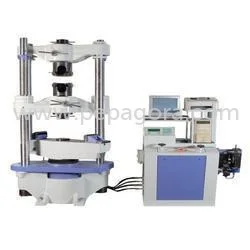
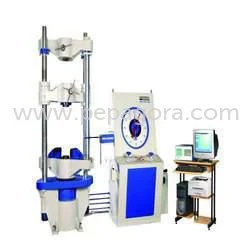
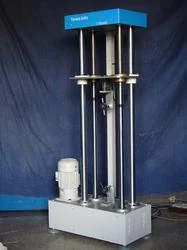
Torsion testing machines are precision instruments engineered to measure the torsional properties of materials and components through controlled rotational force application. These...
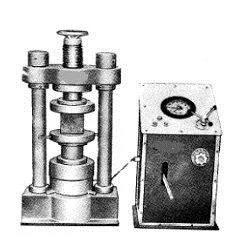
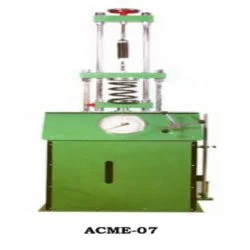
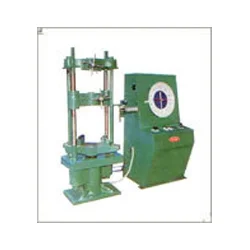
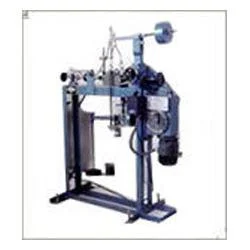
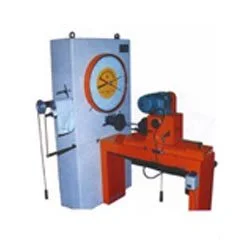
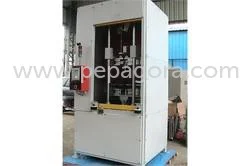
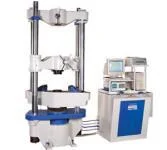
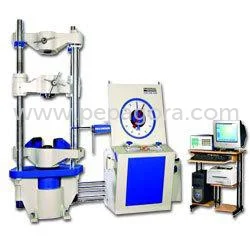
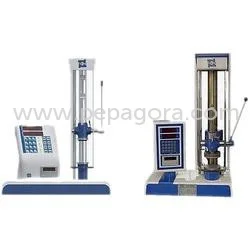
Torsion testing machines are precision instruments engineered to measure the torsional properties of materials and components through controlled rotational force application. These advanced systems determine crucial mechanical properties including shear modulus, yield strength in torsion, and ultimate torsional strength. Equipped with high-precision load cells and angular displacement sensors, they deliver accurate data for both destructive and non-destructive testing scenarios. The equipment features robust construction with various torque capacity options, making them versatile for testing requirements ranging from small precision components to large industrial parts across different industry sectors.

Multiple industries utilize torsion testing machines to ensure product reliability and compliance with international standards. The automotive sector depends on them for testing critical components including drive shafts, axle systems, and steering mechanisms. Construction companies employ these machines to verify the torsion resistance of reinforcement bars and structural elements. Manufacturing plants integrate them into quality control processes for fasteners, pipes, and specialized tools. The aerospace industry relies on torsion testing for mission-critical components like turbine blades and landing gear systems. Research institutions and material science laboratories utilize these machines for developing innovative materials and validating theoretical models under torsional stress conditions.

Investing in high-quality torsion testing equipment delivers substantial business value through enhanced product reliability and reduced failure rates. These machines help manufacturers prevent costly recalls by identifying material weaknesses before products enter the market. The testing data supports comprehensive material certification processes and compliance with international standards including ASTM E143 and ISO 178. With robust construction and minimal maintenance requirements, these testing systems provide long-term operational reliability. The precise test results enable businesses to optimize material usage, reduce production costs, and strengthen customer confidence in product quality and safety performance.

Key Features:
- Precision torque measurement with high-accuracy load cells and angular displacement sensors
- Robust construction with durable components for long-term reliability and minimal maintenance
- Multiple torque capacity configurations to accommodate various material testing requirements
- User-friendly control interface with real-time data display and automated test cycles
- Compliance with international testing standards including ASTM and ISO methodologies

Benefits:
- Enhanced product reliability through accurate material strength verification
- Reduced failure rates and prevention of costly product recalls
- Compliance with international standards for material certification
- Long-term operational reliability with minimal maintenance requirements
- Optimized material usage and reduced production costs through precise testing data
Specifications
| Additional Information | |
|---|---|
| Country of Origin | India |
| Customisable | No |
Application
Torsion testing machines accurately evaluate the torsional strength and deformation characteristics of materials under applied torque. These tests determine critical properties like shear modulus and ultimate torsional strength, providing essential data for material selection and product design. Industries rely on this equipment to verify that components can withstand real-world twisting forces, thereby enhancing safety and performance across various applications.

These machines are indispensable in quality control and research development laboratories spanning multiple sectors. They enable manufacturers to comply with international standards such as ASTM and ISO, ensuring products meet rigorous safety and performance criteria. From raw material inspection to final product validation, torsion testers supply reliable data that supports material certification and drives continuous process improvement initiatives.
- Automotive industry: Testing drive shafts, axles, and steering components for torsion resistance
- Construction sector: Evaluating reinforcement bars, structural beams, and fasteners for building integrity
- Aerospace manufacturing: Verifying turbine blades, propeller shafts, and aircraft components under torsion loads
- Material production: Quality control for metal rods, wires, and composite materials during manufacturing
- Research institutions: Conducting material science studies and developing new alloy formulations
Trade Details
| Available Stock | In stock |
| Sample Availability | No |
Payment Terms
| Payment Terms |
|
Company Profile

ACME Scientific International, New Delhi
 New Delhi, India
New Delhi, IndiaManufacturerDistributor / WholesalerImporter / Exporter
Factory Details
Factory SizeBelow 1000 sqm
Annual Production Capacity0
Professional Torsion Testing Machines For Material Strength Analysis
Professional torsion testing machines deliver precise material strength analysis for metals, alloys, and composites. Ensure reliable torque measurement and durability verification in manufacturing, construction, and automotive quality control processes.
Min. Order Quantity: 1 units
Shipping
Shipping fee and delivery date to be negotiated. Contact supplier now for more details.
ACME Scientific International New Delhi, India
New Delhi, IndiaManufacturer