IN
₹
Description
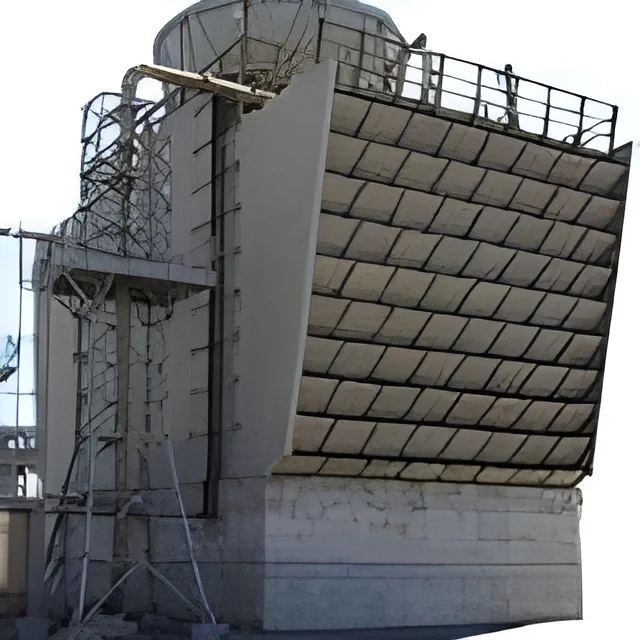
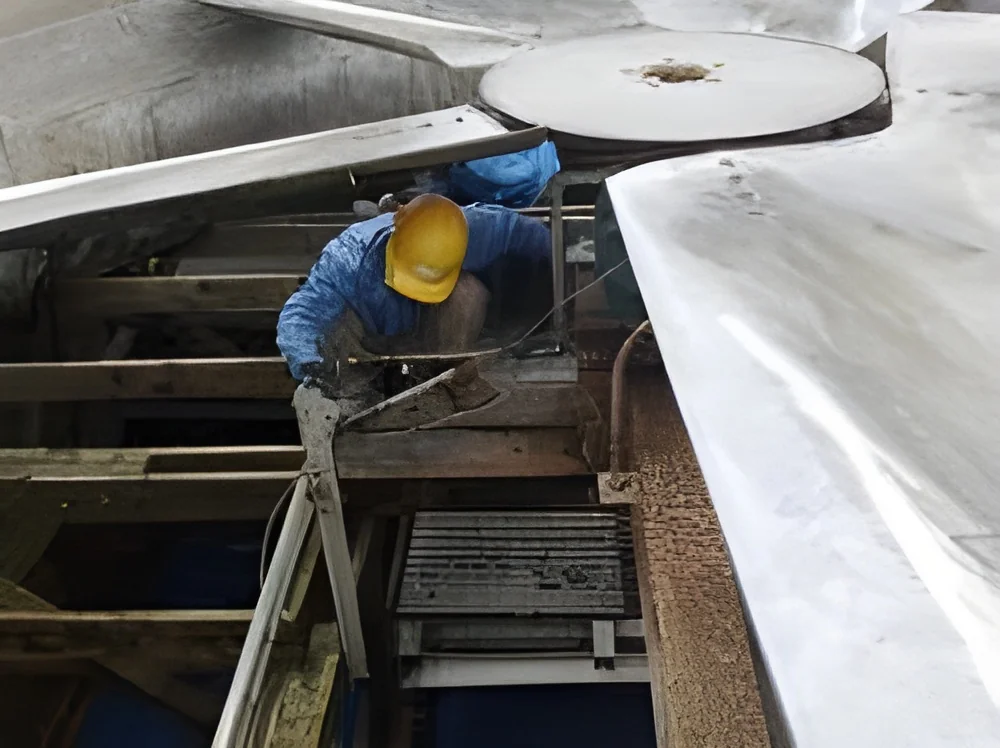
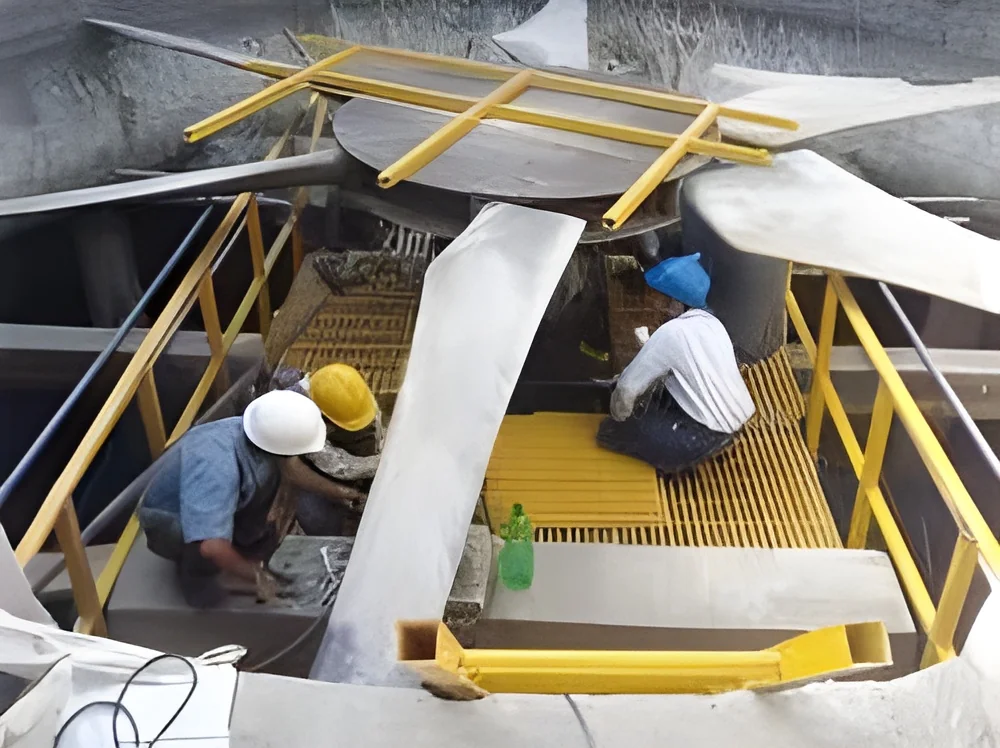
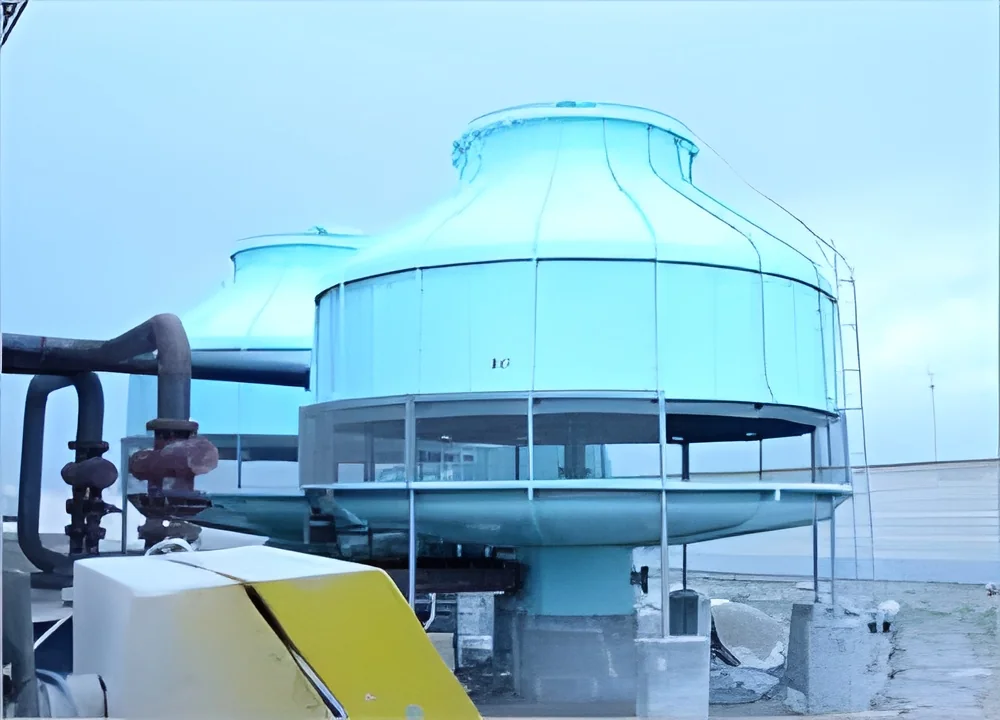
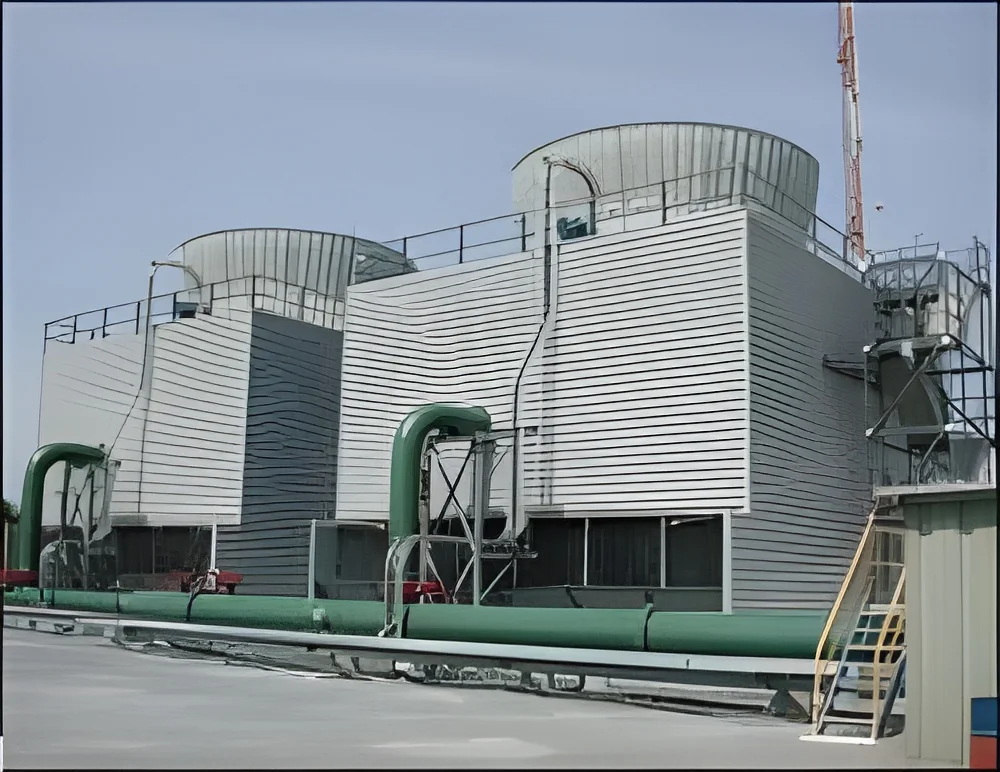
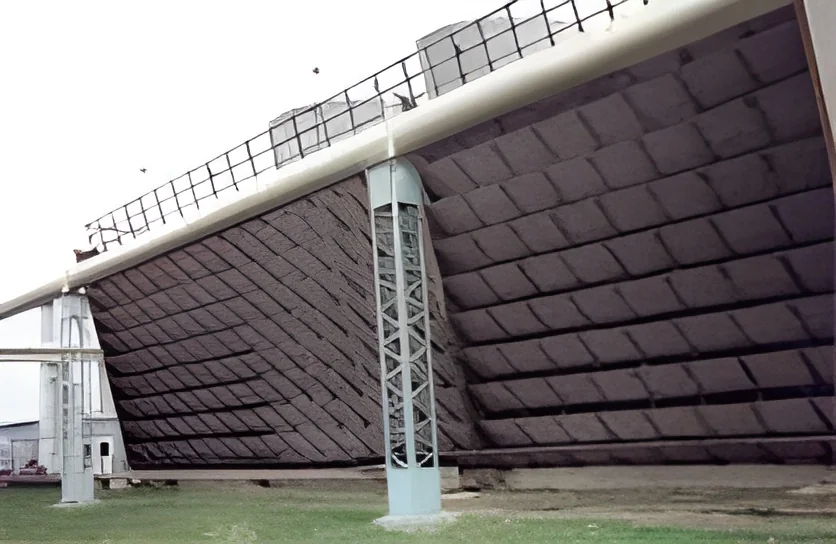
Industrial timber cooling towers represent a specialized solution for demanding heat rejection requirements across critical infrastructure and industrial operations. Engineered with premium natural wood construction, these systems provide exceptional corrosion resistance that metal towers cannot match, particularly in environments with chemical exposure, saline conditions, or aggressive atmospheric elements. The wood's natural properties offer inherent durability while minimizing maintenance interventions, creating a reliable cooling infrastructure that supports continuous operations. These towers are designed for substantial thermal load management, efficiently transferring heat from industrial processes or power generation equipment to maintain optimal operating temperatures and protect valuable machinery from overheating damage.

These cooling towers serve essential functions across multiple industrial sectors where reliable temperature control directly impacts operational success a...
Industrial timber cooling towers represent a specialized solution for demanding heat rejection requirements across critical infrastructure and industrial operations. Engineered with premium natural wood construction, these systems provide exceptional corrosion resistance that metal towers cannot match, particularly in environments with chemical exposure, saline conditions, or aggressive atmospheric elements. The wood's natural properties offer inherent durability while minimizing maintenance interventions, creating a reliable cooling infrastructure that supports continuous operations. These towers are designed for substantial thermal load management, efficiently transferring heat from industrial processes or power generation equipment to maintain optimal operating temperatures and protect valuable machinery from overheating damage.

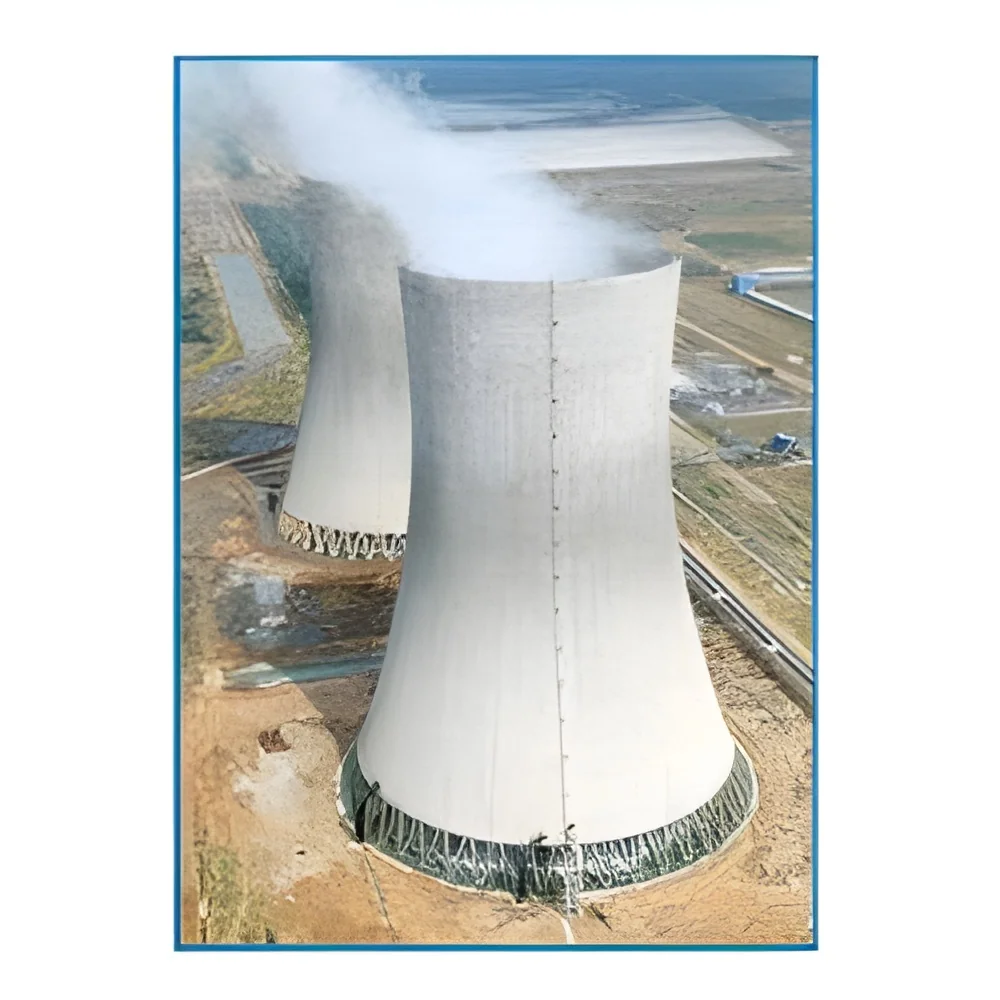
These cooling towers serve essential functions across multiple industrial sectors where reliable temperature control directly impacts operational success and safety. In power generation, they provide critical condenser cooling that maintains turbine efficiency and electricity output. Manufacturing facilities utilize them for process cooling applications that ensure product quality and equipment longevity. Chemical and petrochemical industries benefit from their corrosion-resistant properties when handling aggressive substances. Large commercial complexes and institutional buildings rely on them for efficient HVAC system operation, while industrial plants in challenging environments select timber construction specifically for its longevity in harsh conditions where metal alternatives would deteriorate rapidly.

The business value of industrial timber cooling towers centers on their exceptional reliability, lower total lifecycle costs, and sustainable operational advantages. The natural wood construction provides inherent insulation properties that reduce energy consumption while resisting corrosion without protective coatings that require maintenance. This durability translates to extended service life often exceeding decades with minimal intervention, reducing both operational expenses and capital replacement costs. Organizations benefit from predictable cooling performance that supports continuous production without unexpected downtime, while the sustainable wood materials align with environmental responsibility goals. The investment delivers measurable returns through energy efficiency, reduced water consumption through efficient operation, and minimal maintenance requirements that keep operational budgets predictable.

Key Features:
- Premium natural wood construction providing superior corrosion resistance
- Engineered for reliable performance in demanding industrial environments
- Efficient heat transfer technology for optimal cooling capacity
- Durable design with extended service life exceeding decades
- Robust construction handling high thermal loads consistently

Benefits:
- Exceptional corrosion resistance reducing maintenance and replacement costs
- Reliable performance ensuring continuous industrial operations
- Extended service life providing long-term value and reduced capital expenditure
- Energy-efficient operation lowering operational expenses
- Sustainable natural materials supporting environmental responsibility goals
Specifications
| Additional Information | |
|---|---|
| Country of Origin | India |
Application
Industrial timber cooling towers deliver efficient and reliable heat rejection for large-scale operations where consistent cooling is critical. Their natural wood construction offers superior corrosion resistance compared to metal alternatives, making them ideal for harsh environments with chemical exposure or saline conditions. This durability translates to reduced maintenance needs and extended operational life, providing dependable performance for facilities that cannot afford unexpected downtime.
These cooling systems are engineered to handle significant thermal loads while promoting water conservation through efficient operation. The robust design supports continuous industrial processes by maintaining optimal temperature control, which is essential for equipment protection and production quality. Their adaptability allows integration into various industrial layouts, offering a sustainable cooling solution that balances performance requirements with environmental considerations for forward-thinking operations.
- Power generation facilities for turbine condenser cooling systems
- Chemical processing plants handling corrosive fluids and vapors
- Manufacturing plants requiring process cooling for machinery and products
- Large commercial and institutional HVAC systems for climate control
- Industrial facilities in coastal regions with saline atmospheric conditions
Trade Details
| Available Stock | In Stock |
| Sample Availability | No |
Payment Terms
| Payment Terms |
|
Company Profile
Anew Tower Tech, Maharashtra
 Maharashtra, India
Industrial Equipment & Machinery•Manufacturer•Distributor / Wholesaler
Factory Details
Factory SizeBelow 1000 sqm
Annual Production Capacity0
Industrial Timber Cooling Towers For Power Plants And HVAC Systems
Industrial timber cooling towers provide reliable heat rejection for power plants and HVAC systems using durable natural wood construction that resists corrosion and ensures long-term performance in demanding environments.
Min. Order Quantity: 1 unit
Shipping
Shipping fee and delivery date to be negotiated. Contact supplier now for more details.
Anew Tower Tech
 Maharashtra, India
Industrial Equipment & MachineryManufacturer