IN
IN₹
Apparel & Fashion
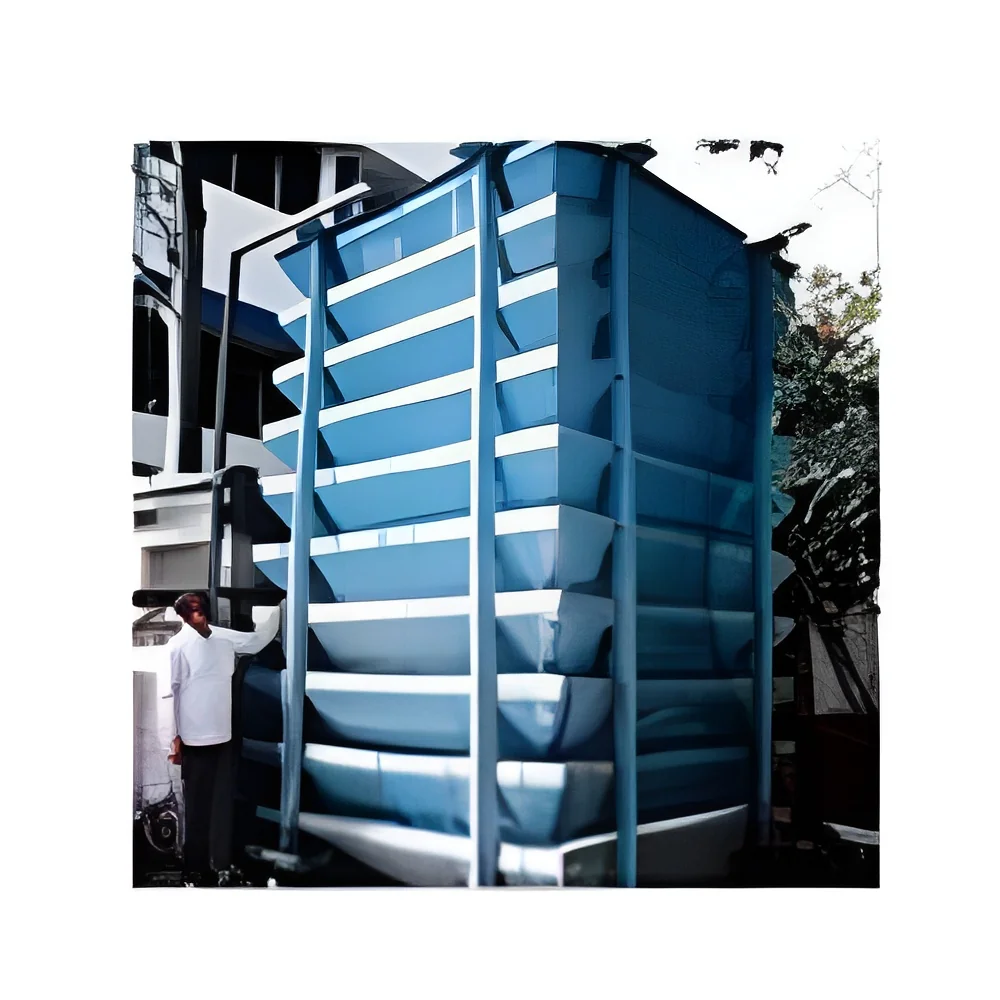
Description
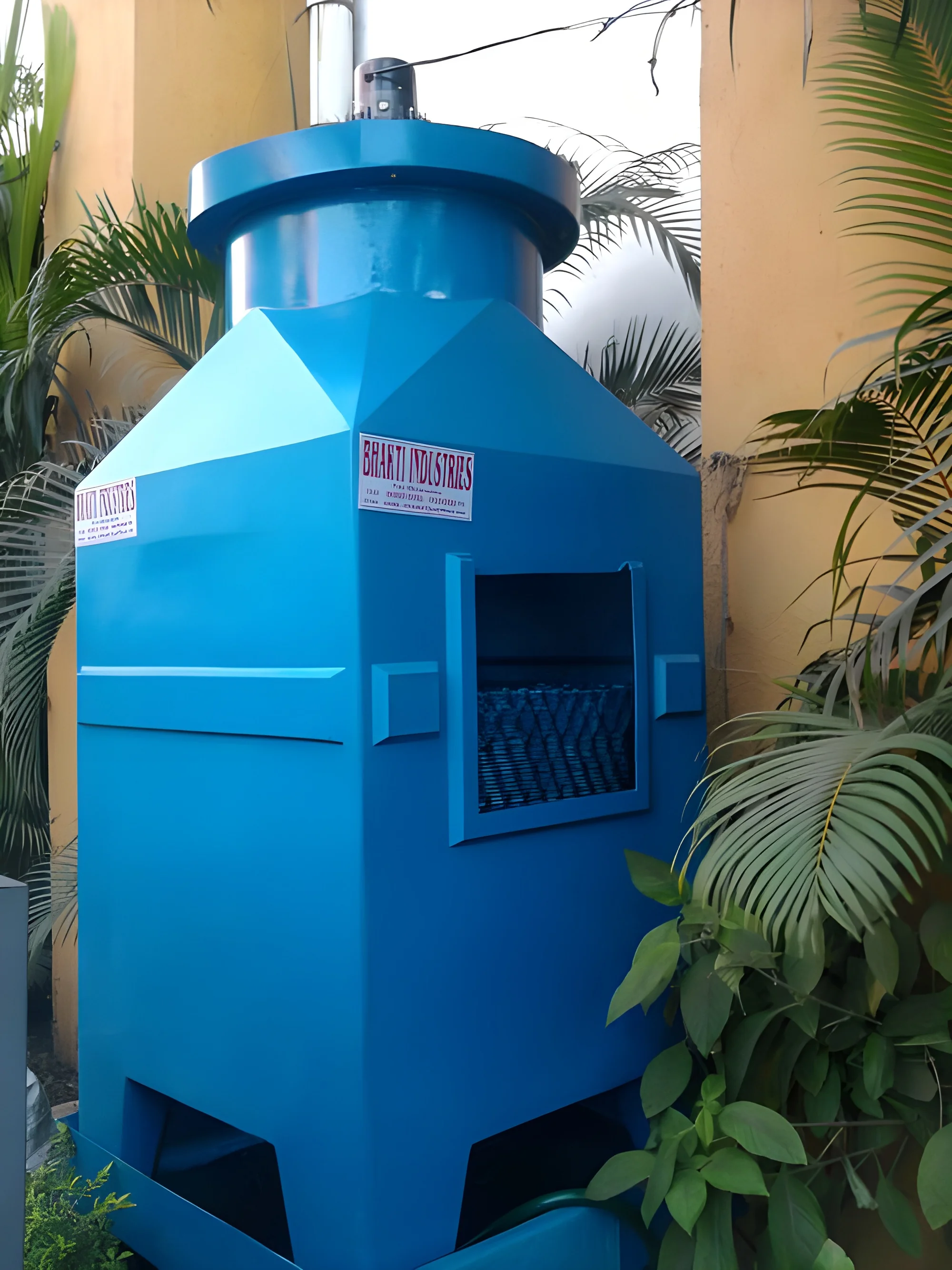
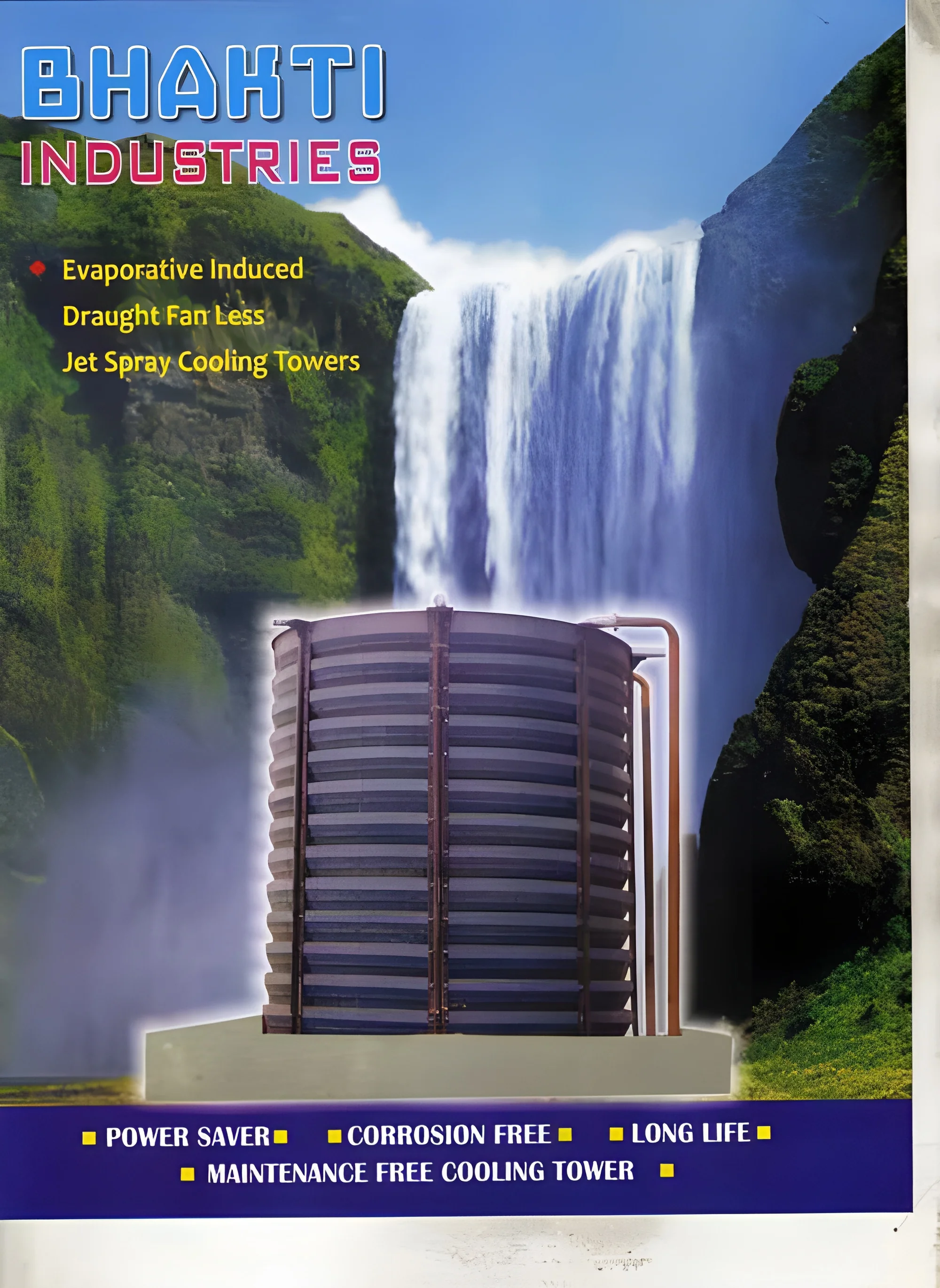
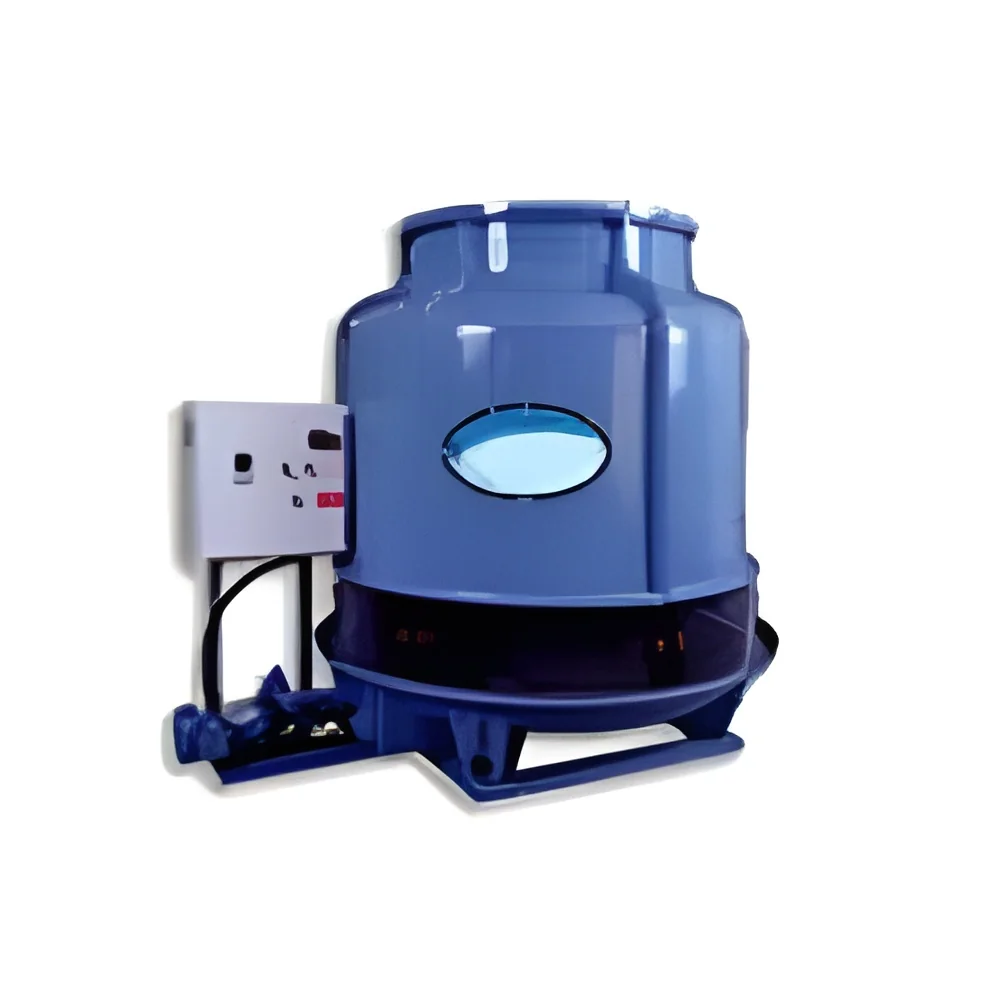
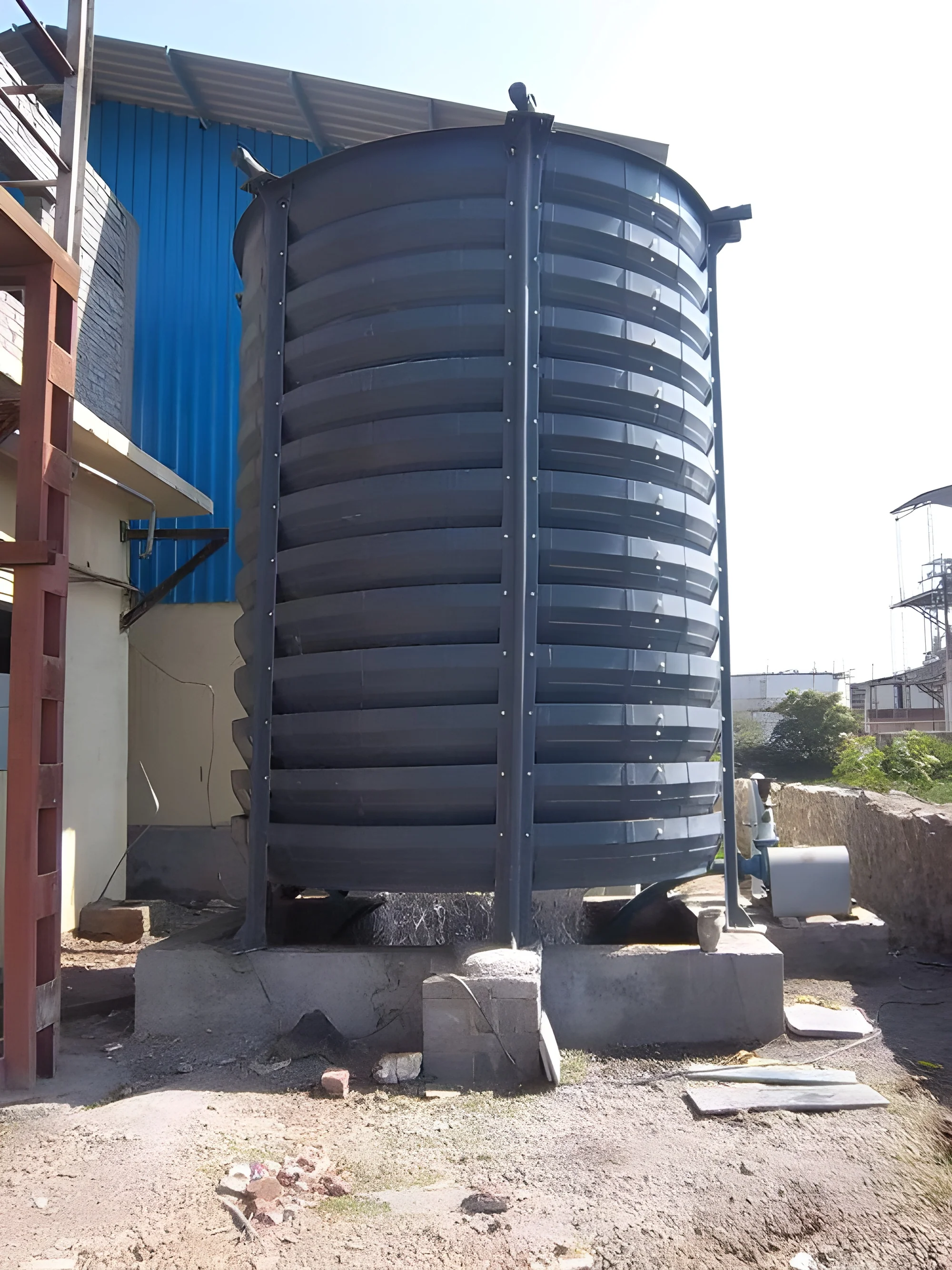
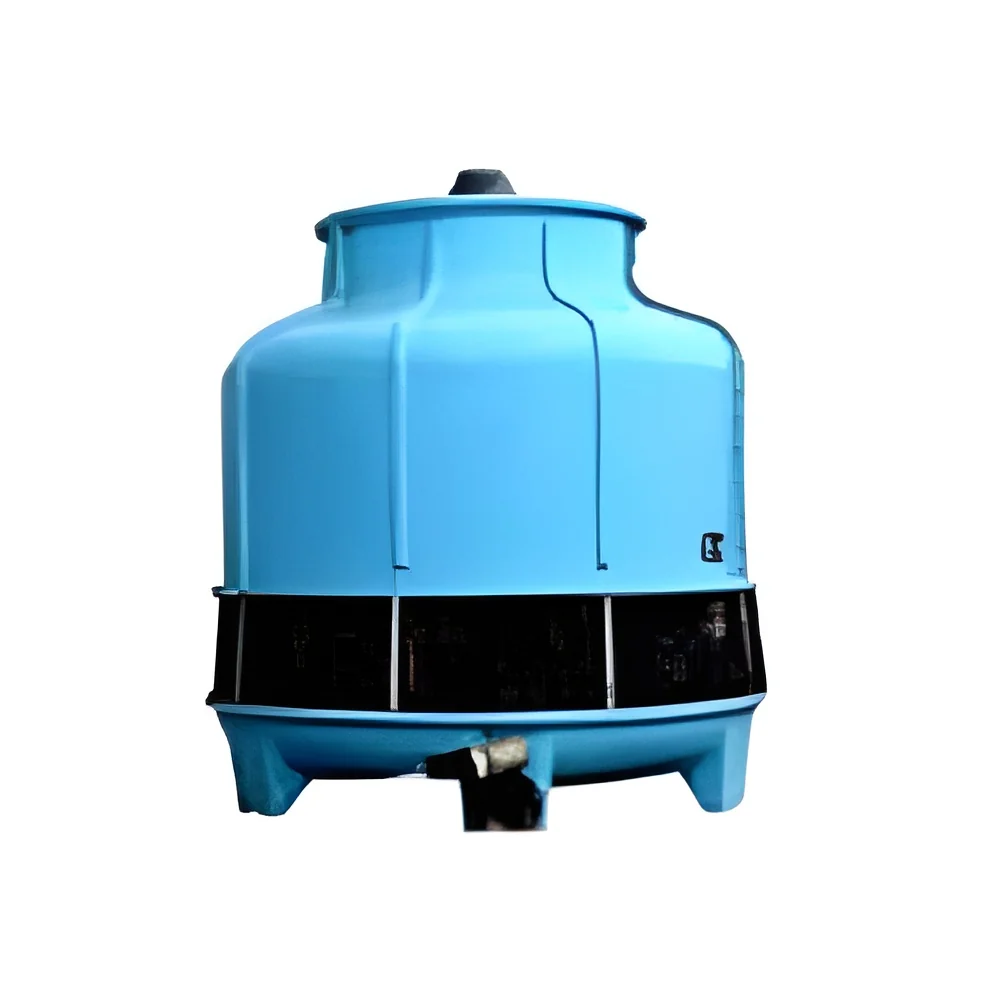
Industrial timber cooling towers represent engineered solutions for large-scale heat dissipation requirements in demanding operational environments. Constructed from premium natural timber, these towers deliver exceptional durability and performance where conventional materials might fail. The inherent properties of timber provide natural resistance to corrosion, chemical exposure, and environmental degradation, ensuring reliable operation with minimal maintenance intervention. These systems are designed to handle substantial thermal loads while maintaining consistent cooling performance across various industrial applications and climatic conditions. The structural integrity of timber construction withstands continuous operation while providing excellent heat transfer characteristics essential for efficient cooling operations.

These cooling towers serve vital roles across multiple industrial sectors requiring precise temperature management and heat rejection. In power generation facil...
Industrial timber cooling towers represent engineered solutions for large-scale heat dissipation requirements in demanding operational environments. Constructed from premium natural timber, these towers deliver exceptional durability and performance where conventional materials might fail. The inherent properties of timber provide natural resistance to corrosion, chemical exposure, and environmental degradation, ensuring reliable operation with minimal maintenance intervention. These systems are designed to handle substantial thermal loads while maintaining consistent cooling performance across various industrial applications and climatic conditions. The structural integrity of timber construction withstands continuous operation while providing excellent heat transfer characteristics essential for efficient cooling operations.

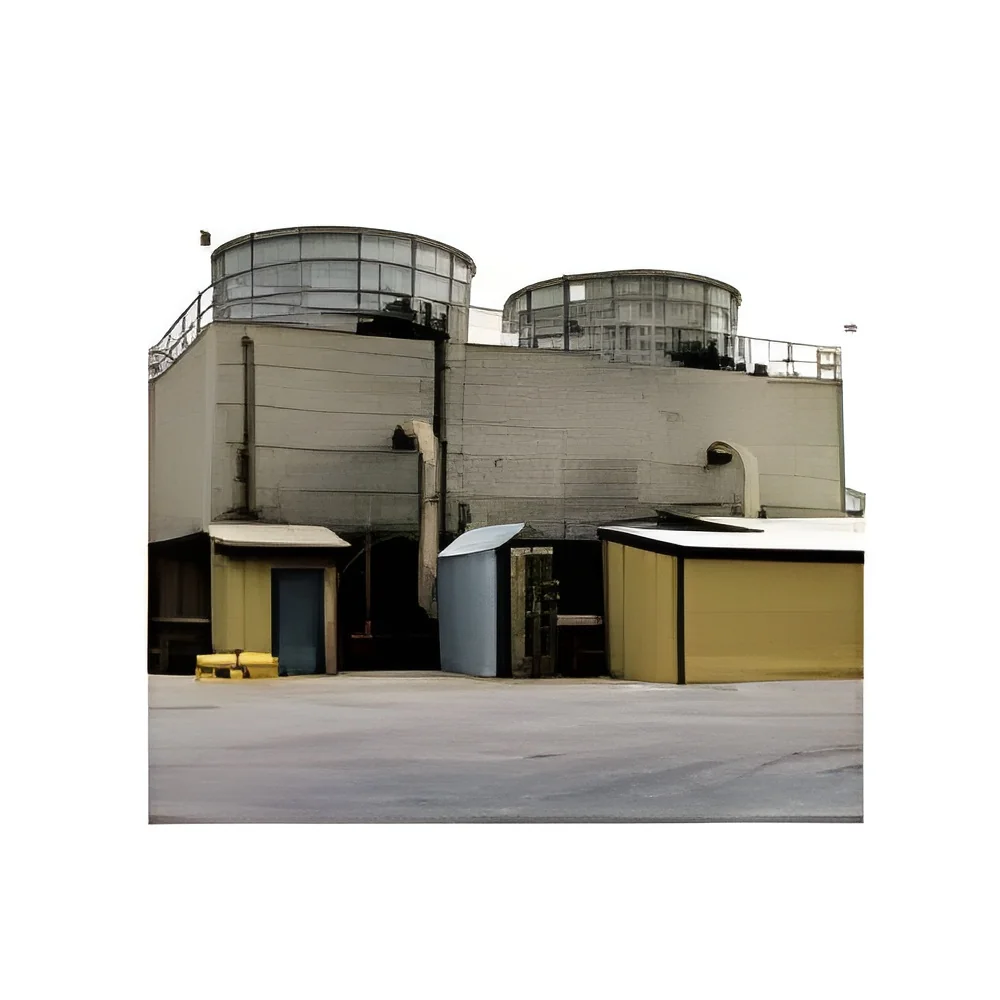
These cooling towers serve vital roles across multiple industrial sectors requiring precise temperature management and heat rejection. In power generation facilities, they ensure efficient condenser cooling for uninterrupted electricity production. Manufacturing plants implement them for machinery cooling to maintain optimal operating temperatures in production processes. Chemical processing industries rely on them for precise temperature control during manufacturing operations, while petroleum refineries utilize them for critical heat exchange processes. Large commercial buildings employ these systems for HVAC applications where reliable cooling is essential for occupant comfort and system efficiency. The versatility of timber construction allows adaptation to various spatial constraints and capacity requirements across different industrial settings.

The operational value of timber cooling towers extends beyond basic cooling functions to deliver significant business advantages and cost efficiencies. Their robust construction ensures extended service life with reduced maintenance requirements, minimizing operational disruptions and repair expenses. The natural corrosion resistance eliminates the need for protective coatings and reduces replacement frequency, providing long-term cost savings. The energy-efficient design optimizes performance while reducing power consumption, contributing to lower operational costs. These systems integrate seamlessly into existing infrastructure while providing reliable performance that enhances overall operational stability and productivity. The sustainable nature of timber as a construction material offers environmental benefits while maintaining high performance standards.

Key Features:
- Premium natural timber construction for superior durability and longevity
- Engineered for maximum heat transfer efficiency and cooling performance
- Natural resistance to corrosion, chemicals, and environmental factors
- Robust structural design for heavy-duty industrial applications
- Low maintenance requirements with minimal operational intervention

Benefits:
- Extended service life with reduced replacement frequency and costs
- Consistent cooling performance across varying operational conditions
- Lower maintenance requirements and reduced operational downtime
- Energy-efficient operation leading to reduced power consumption
- Natural material properties providing environmental sustainability
Specifications
| Additional Information | |
|---|---|
| Country of Origin | India |
Application
Industrial timber cooling towers efficiently manage heat rejection in large-scale operations, providing consistent temperature control where reliability is paramount. Their robust timber construction offers natural resistance to harsh environmental conditions and chemical exposure, ensuring long-term performance in demanding industrial settings. These systems handle substantial thermal loads while maintaining operational stability across varying climate conditions and usage patterns.
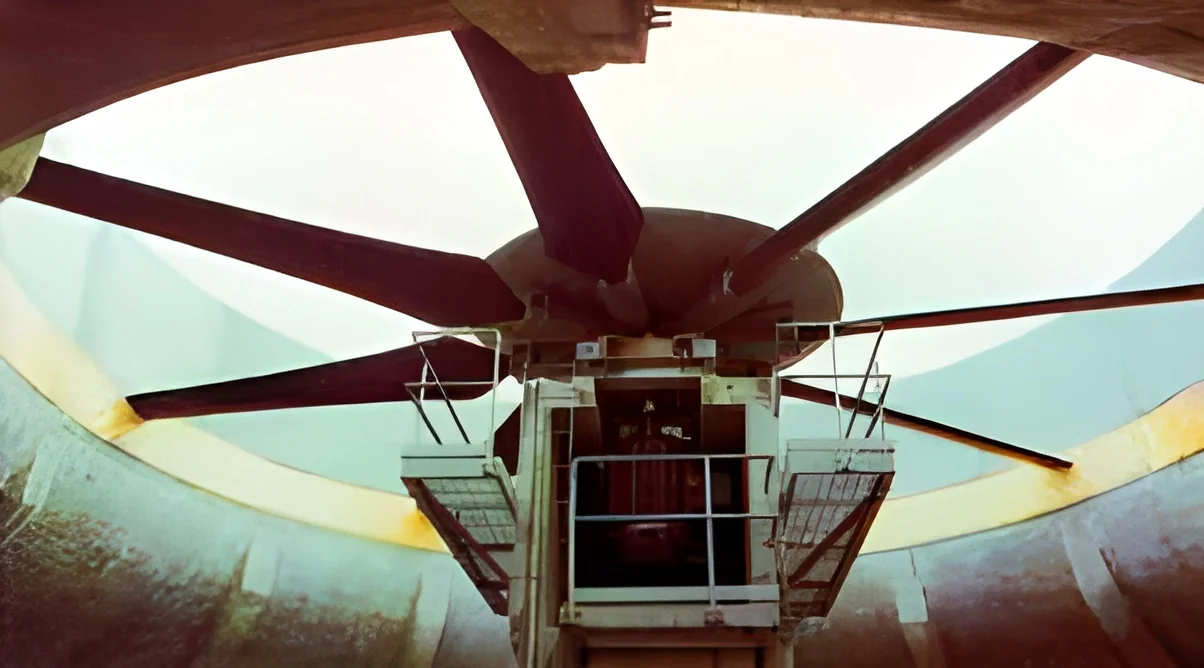
These cooling solutions serve critical functions across multiple sectors including energy production, manufacturing, and climate control systems. They adapt to specific operational requirements through engineered designs that optimize airflow and water distribution. The natural material properties reduce maintenance needs while providing structural integrity that withstands continuous industrial use and exposure to elements.
- Power generation facilities for condenser cooling in thermal power plants
- Large commercial HVAC systems for skyscraper climate control
- Manufacturing plants for process cooling and equipment temperature management
- Chemical processing units for reactor cooling and temperature regulation
- Petroleum refineries for heat exchange operations in distillation processes
Trade Details
| Available Stock | In Stock |
| Sample Availability | No |
Payment Terms
| Payment Terms |
|
Company Profile
Bhakti Enterprises, Maharashtra
 Maharashtra, India
Maharashtra, IndiaIndustrial Equipment & Machinery•Manufacturer•Distributor / Wholesaler•Importer / Exporter
Factory Details
Factory SizeBelow 1000 sqm
Annual Production Capacity0
Main Markets
South Asia
Industrial Timber Cooling Towers For Power Plants And HVAC Systems
Industrial timber cooling towers provide durable, efficient cooling for power plants and HVAC systems with natural corrosion resistance and reliable performance in demanding environments.
Min. Order Quantity: 1 unit
Shipping
Shipping fee and delivery date to be negotiated. Contact supplier now for more details.
Bhakti Enterprises
 Maharashtra, India
Maharashtra, IndiaIndustrial Equipment & MachineryManufacturer