IN
IN₹
Apparel & Fashion
Description
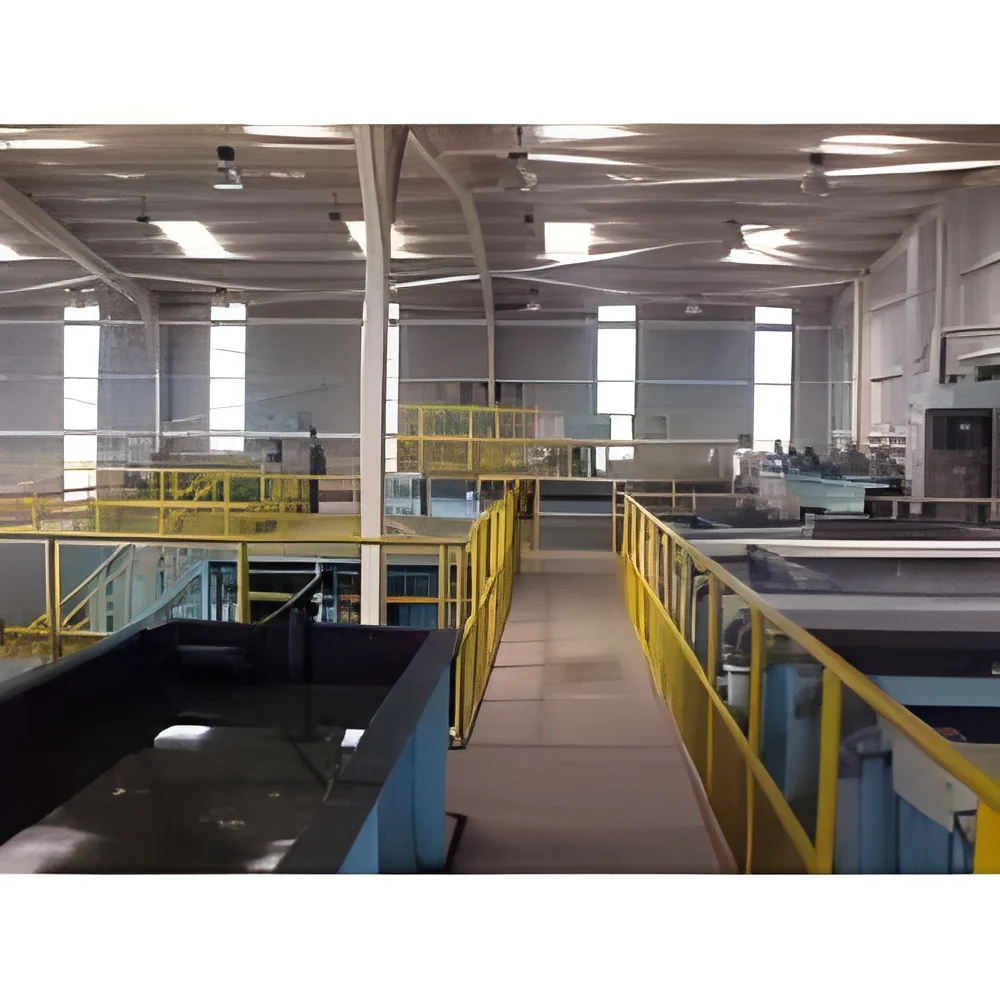
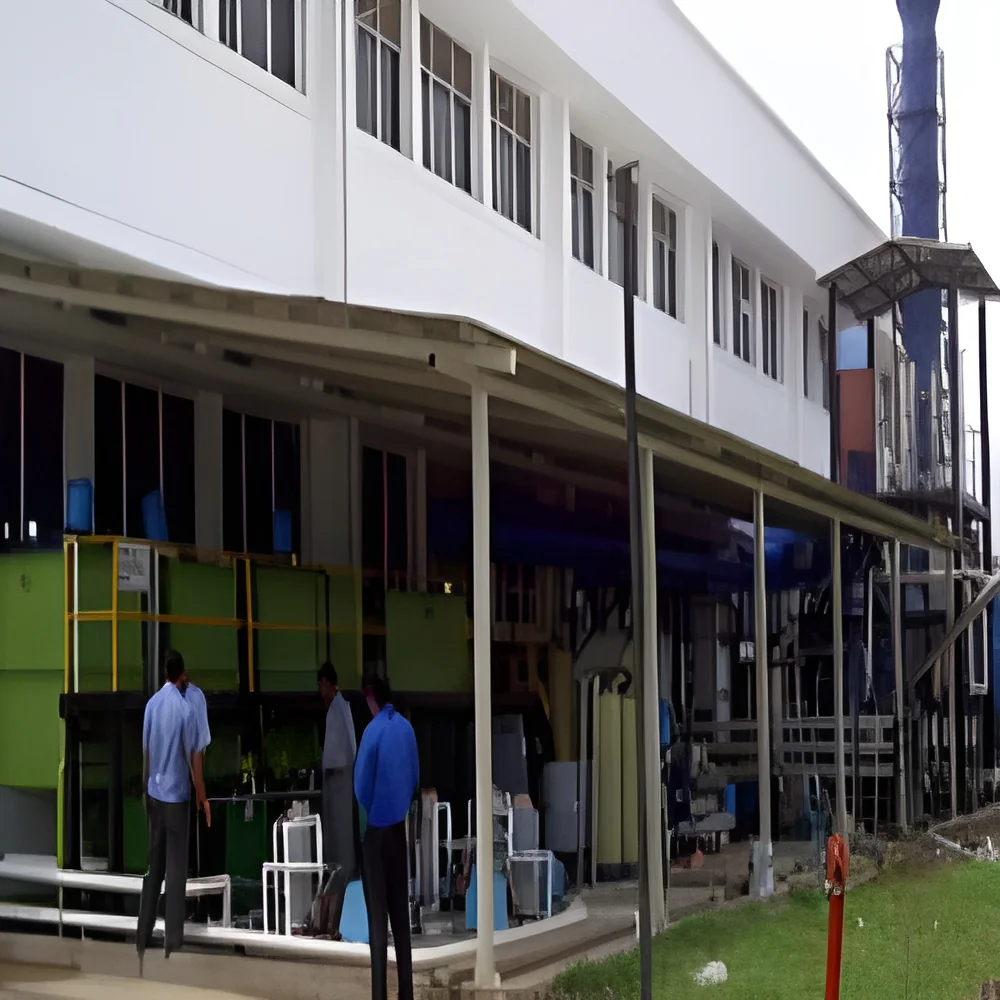
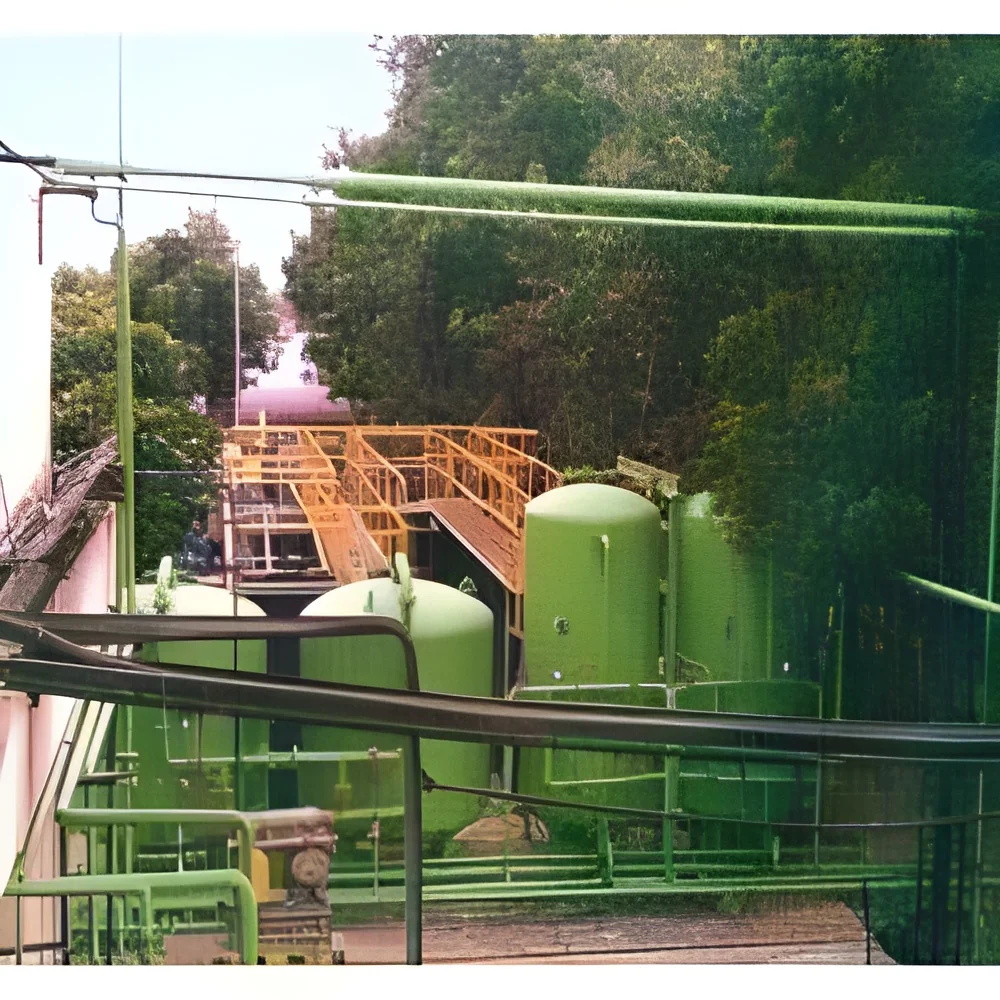
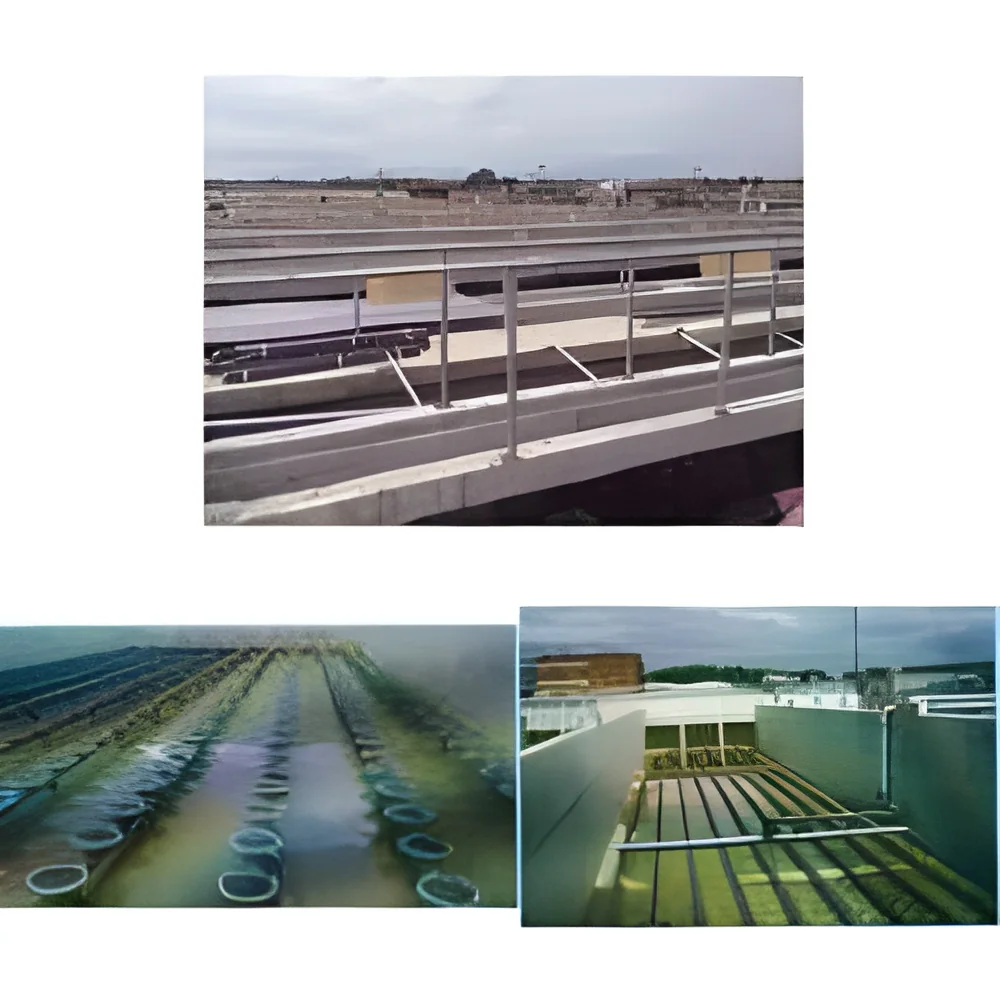
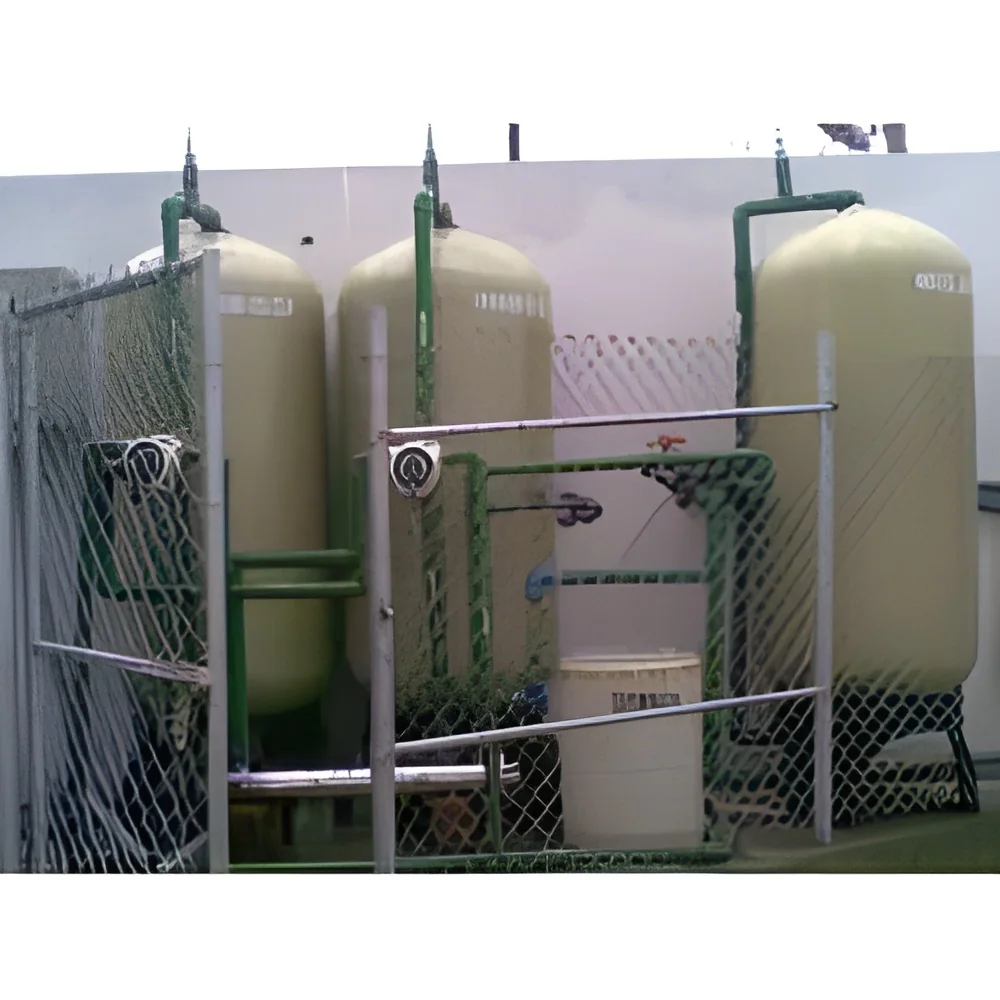
Our industrial wastewater tertiary treatment plants represent the final purification stage, delivering water quality that meets or exceeds regulatory standards for reuse and discharge. These comprehensive systems incorporate multiple treatment technologies including disinfection through chlorine, ozone, or UV methods; filtration using pressure or rapid gravity sand filters with single, dual, or multimedia configurations; activated carbon filtration for organic removal; and advanced membrane separation or ion exchange processes for final polishing. Each system is engineered to handle specific contaminant profiles and flow requirements, ensuring optimal performance for diverse industrial applications with modular designs allowing for scalability and future expansion.

These treatment systems serve critical roles across multiple industries where water quality and sustainability are paramount. The pharmaceutical industry utilizes them for removing trace antibiotics and chemicals from waste...
Our industrial wastewater tertiary treatment plants represent the final purification stage, delivering water quality that meets or exceeds regulatory standards for reuse and discharge. These comprehensive systems incorporate multiple treatment technologies including disinfection through chlorine, ozone, or UV methods; filtration using pressure or rapid gravity sand filters with single, dual, or multimedia configurations; activated carbon filtration for organic removal; and advanced membrane separation or ion exchange processes for final polishing. Each system is engineered to handle specific contaminant profiles and flow requirements, ensuring optimal performance for diverse industrial applications with modular designs allowing for scalability and future expansion.

These treatment systems serve critical roles across multiple industries where water quality and sustainability are paramount. The pharmaceutical industry utilizes them for removing trace antibiotics and chemicals from wastewater. Textile manufacturers employ these plants for dye removal and water recycling in dyeing processes. Food and beverage facilities use them for organic load reduction and water reuse. Chemical plants rely on these systems for hazardous contaminant removal, while municipalities implement them for producing reclaimed water for irrigation and industrial use. The technology also serves power plants, automotive manufacturing, and electronics industries where pure water is essential for operations.

The business value of implementing our tertiary treatment plants extends beyond regulatory compliance to significant operational advantages. These systems deliver reliable performance with minimal downtime, reducing the risk of non-compliance penalties and production interruptions. The robust construction guarantees long-term durability even in demanding industrial environments. Companies achieve substantial cost savings through reduced freshwater consumption, lower wastewater discharge fees, and decreased environmental compliance costs. The systems also enhance sustainability profiles, supporting environmental initiatives and community relations while ensuring consistent water quality for operational needs.

Key Features:
- Multi-stage disinfection using chlorine, ozone, or UV technologies
- Advanced filtration with pressure/rapid gravity sand filters and multimedia options
- Activated carbon filtration for organic compound removal
- Membrane separation and ion exchange resin for final polishing
- Modular design allowing scalability and future expansion capabilities

Benefits:
- Reduced freshwater consumption and lower operational water costs
- Compliance with environmental regulations and discharge standards
- Reliable performance with minimal downtime and maintenance requirements
- Enhanced sustainability profile and environmental stewardship
- Consistent high-quality water output suitable for reuse applications
Specifications
| Additional Information | |
|---|---|
| Country of Origin | India |
Application
Our tertiary treatment plants provide advanced purification beyond standard secondary treatment, effectively removing suspended solids, nutrients, and pathogens through multiple filtration stages and disinfection processes. These systems deliver high-quality water suitable for recycling, reuse, or safe environmental discharge while meeting stringent regulatory requirements across diverse industrial sectors.
These customizable treatment systems serve industries including pharmaceuticals, textiles, chemicals, food processing, and municipal facilities. The adaptable configuration accommodates specific effluent quality requirements, flow rates, and space constraints while delivering reduced freshwater consumption, lower discharge costs, and regulatory compliance for sustainable operational practices.
- Recycling treated wastewater for cooling tower makeup water in manufacturing plants
- Purifying municipal wastewater for landscape irrigation and agricultural applications
- Treating pharmaceutical wastewater to remove trace contaminants before discharge
- Processing textile dyehouse effluent for reuse in production processes
- Purifying food processing wastewater for internal recycling operations
Trade Details
| Available Stock | In Stock |
| Sample Availability | No |
Payment Terms
| Payment Terms |
|
Company Profile
Aastha Enviro Engineers Pvt Ltd, Haryana
 Haryana, India
Haryana, IndiaIndustrial Equipment & Machinery•Manufacturer•Distributor / Wholesaler•Importer / Exporter
Factory Details
Factory SizeBelow 1000 sqm
Annual Production Capacity0
Industrial Wastewater Tertiary Treatment Plants For Recycling Reuse
Industrial Wastewater Tertiary Treatment Plants deliver advanced recycling and reuse capabilities through disinfection, filtration, and membrane separation technologies for reliable water reclamation across multiple industries requiring high-quality effluent standards.
Min. Order Quantity: 1 unit
Shipping
Shipping fee and delivery date to be negotiated. Contact supplier now for more details.
Aastha Enviro Engineers Pvt Ltd
 Haryana, India
Haryana, IndiaIndustrial Equipment & MachineryManufacturer