IN
IN₹
Apparel & Fashion
Loading subcategories...
View More
Description
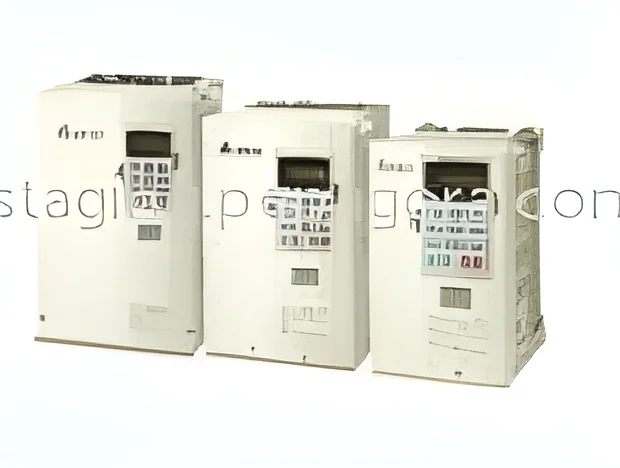
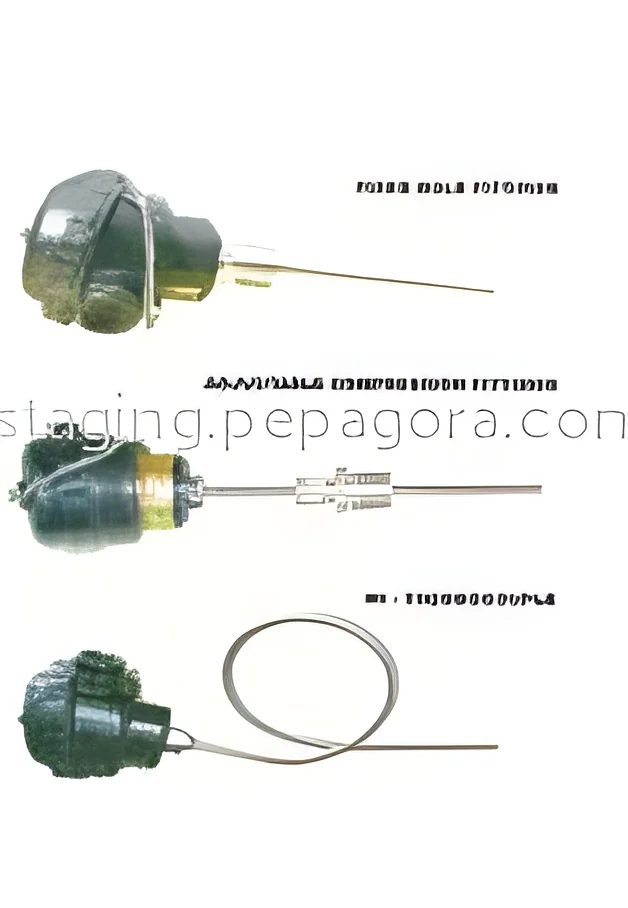
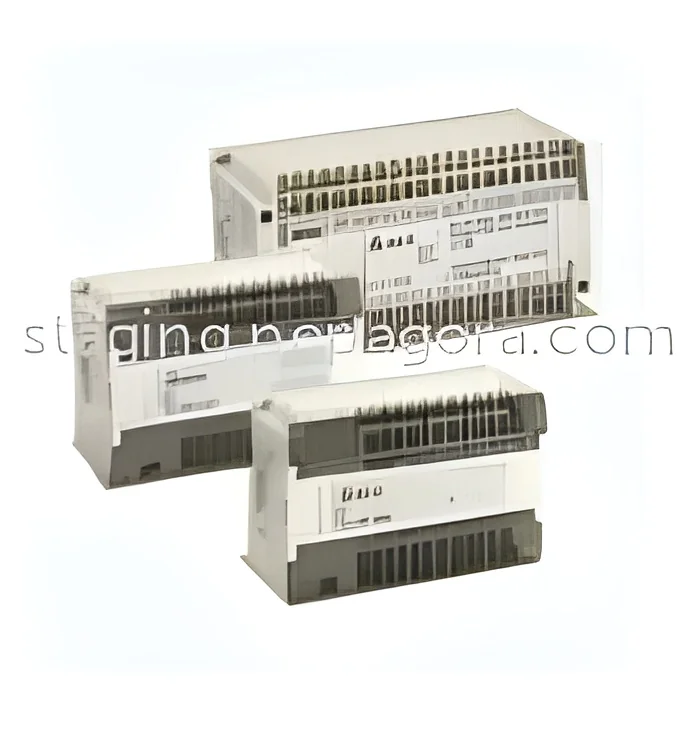
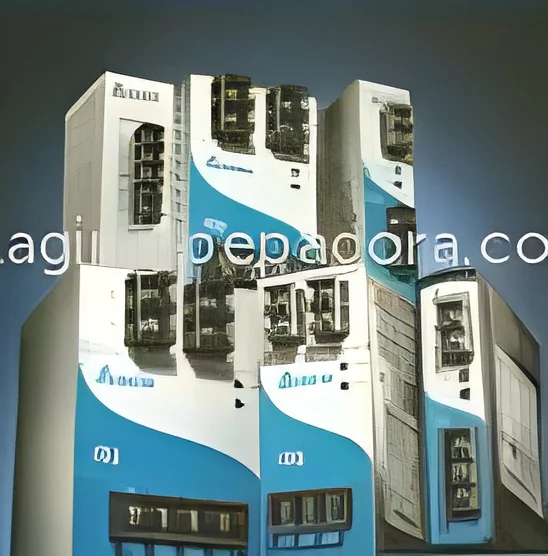
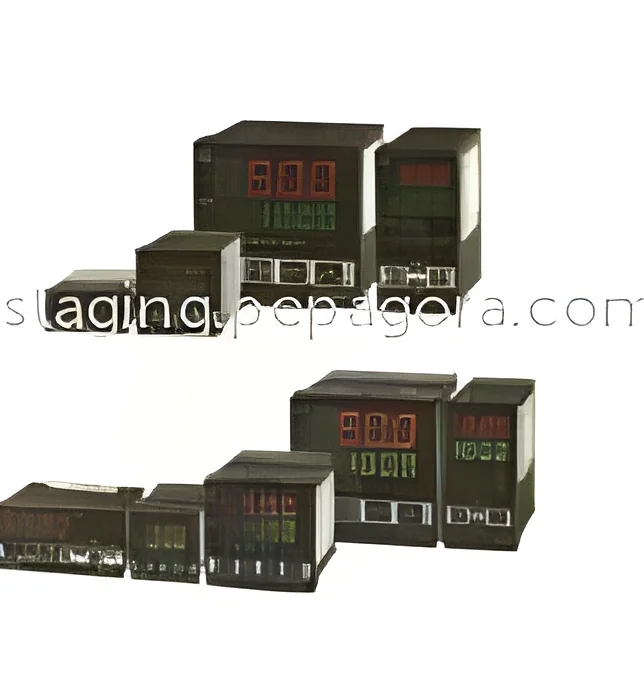
Industrial temperature controllers provide precise thermal regulation through advanced PID control algorithms, ensuring stable process temperatures within tight tolerances. These robust instruments interface with thermocouples, RTDs, and various sensors to monitor and adjust heating or cooling elements automatically. Featuring bright digital displays and intuitive controls, they offer multiple operating modes including on/off control, PID, and auto-tuning functionality. Their compact, durable designs withstand harsh industrial environments while delivering reliable performance across diverse applications from manufacturing to laboratory settings where temperature accuracy directly impacts product quality and process efficiency.

Across industries, temperature controllers serve critical functions in plastic molding by maintaining exact mold temperatures, in food processing for consistent cooking and pasteurization, and in packaging operations for reliable heat sealing. Chemical plants u...
Industrial temperature controllers provide precise thermal regulation through advanced PID control algorithms, ensuring stable process temperatures within tight tolerances. These robust instruments interface with thermocouples, RTDs, and various sensors to monitor and adjust heating or cooling elements automatically. Featuring bright digital displays and intuitive controls, they offer multiple operating modes including on/off control, PID, and auto-tuning functionality. Their compact, durable designs withstand harsh industrial environments while delivering reliable performance across diverse applications from manufacturing to laboratory settings where temperature accuracy directly impacts product quality and process efficiency.

Across industries, temperature controllers serve critical functions in plastic molding by maintaining exact mold temperatures, in food processing for consistent cooking and pasteurization, and in packaging operations for reliable heat sealing. Chemical plants utilize them for reactor temperature control, while manufacturing facilities depend on them for heat treatment processes and industrial oven regulation. Laboratories implement these controllers in environmental chambers, incubators, and testing equipment where precise thermal conditions are mandatory for research validity and experimental consistency across pharmaceutical, biotechnology, and materials science applications.

The business value of precision temperature controllers lies in their ability to reduce material waste, minimize energy consumption, and prevent production downtime through reliable thermal management. Their robust construction ensures long service life in demanding environments, while customization options allow tailoring to specific process requirements. These controllers deliver measurable ROI through improved product quality, reduced rejection rates, and lower operational costs. Their proven reliability makes them indispensable for businesses seeking to maintain competitive advantage through consistent output quality and efficient process control in temperature-sensitive operations.

Key Features:
- Advanced PID control algorithms for precise temperature regulation
- Compatibility with thermocouples, RTDs, and multiple sensor types
- Bright LED/LCD displays with real-time monitoring capability
- Multiple control modes including on/off, PID, and auto-tuning
- Compact, durable design suitable for industrial environments

Benefits:
- Enhanced product quality through consistent temperature maintenance
- Reduced energy consumption via efficient thermal management
- Minimized material waste and production rejects
- Improved process efficiency with stable temperature control
- Long-term reliability reducing maintenance and replacement costs
Specifications
| Additional Information | |
|---|---|
| SKU | EC-TC-118 |
| Country of Origin | 106 |
| Customisable | No |
Application
Temperature controllers are essential for maintaining precise thermal conditions in industrial heating and cooling systems. They regulate processes in plastic molding, food production, packaging machinery, chemical processing, and laboratory equipment to ensure consistent output quality and operational safety. These devices integrate seamlessly with ovens, dryers, furnaces, and environmental chambers. Their reliable performance supports energy-efficient operations while preventing material damage from temperature fluctuations across continuous production lines.
Real-world applications:
Real-world applications:
- Plastic injection molding machines requiring exact mold temperature control for defect-free product manufacturing
- Food processing equipment like industrial ovens, fryers, and pasteurizers maintaining precise cooking and preservation temperatures
- Packaging machinery with heat sealing elements ensuring consistent seal integrity across production runs
- Industrial furnaces and heat treatment systems maintaining specific thermal profiles for metal processing
- Laboratory incubators, environmental chambers, and testing equipment providing stable temperature conditions for research
Trade Details
| Available Stock | In Stock |
| Sample Availability | No |
Payment Terms
| Payment Terms |
|
Shipping & Logistics
| Shipping Internationally | - | |
| Methods | -- | |
| IncoTerms | -- | |
| Port of Dispatch | Chennai, Tamil Nadu | |
| Packaging Type | -- | |
| Units per Package | -- | |
| Barcode / HSN / GTIN / UPC | -- | |
| Dispatch Lead time | -- |
Company Profile

Engineer Corner, Tamil Nadu
 Tamil Nadu, India
Tamil Nadu, IndiaElectronics & Electrical•Manufacturer
Factory Details
Factory SizeBelow 1000 sqm
SKU: EC-TC-118
Industrial Temperature Controllers PID Control Heating Cooling
Industrial temperature controllers deliver precise PID control for consistent process heating and cooling. Enhance product quality and energy efficiency in manufacturing, packaging, and laboratory applications.
Min. Order Quantity: 10 Unit
Shipping
Shipping fee and delivery date to be negotiated. Contact supplier now for more details.
Engineer Corner
 Tamil Nadu, India
Tamil Nadu, IndiaElectronics & ElectricalManufacturer