IN
IN₹
Apparel & Fashion
Loading subcategories...
View More
Description
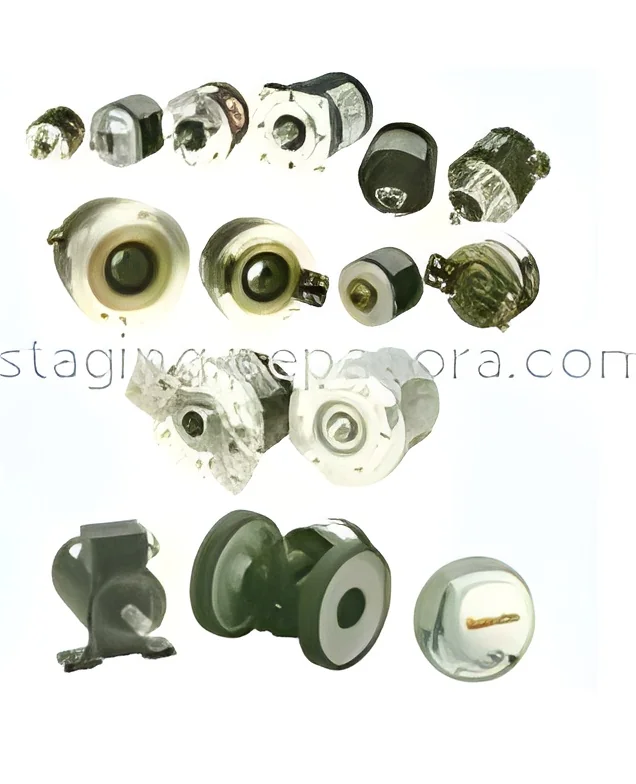
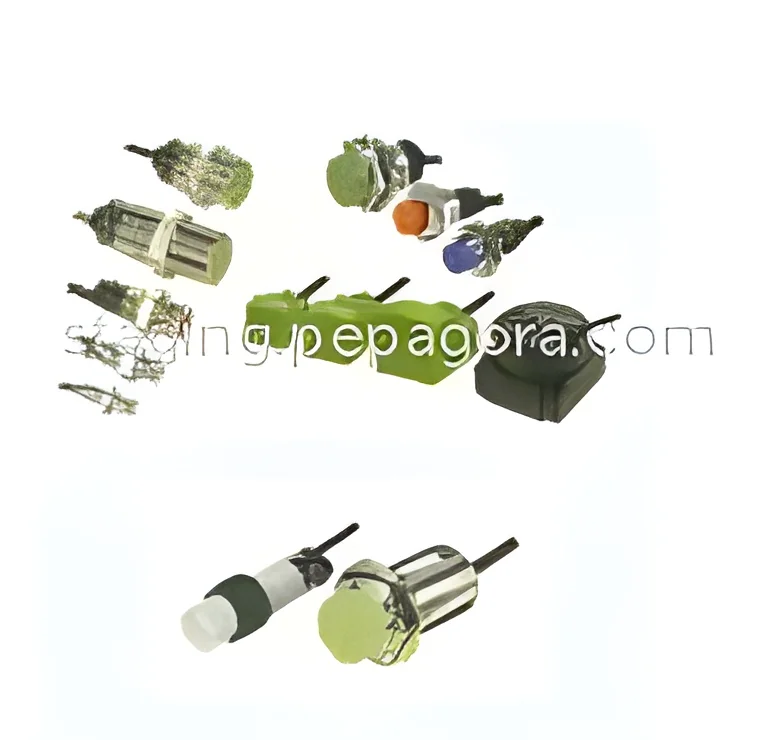
Proximity sensors are advanced non-contact detection devices engineered to identify the presence or absence of objects with exceptional accuracy and reliability. Using inductive, capacitive, or photoelectric technologies, these sensors operate without physical contact, eliminating mechanical wear and ensuring long service life even in challenging industrial environments. They deliver consistent performance in dusty, humid, or high-vibration conditions, making them indispensable for automation systems where precision and durability are critical. With solid-state outputs enabling high-speed switching and built-in LED indicators for instant status monitoring, these sensors provide seamless integration into modern control systems while offering customization options to meet specific application requirements.

These sensors serve vital roles across multiple industries, including manufacturing, automotive production, textile machinery, and logistics systems. In manufacturing, they enable pre...
Proximity sensors are advanced non-contact detection devices engineered to identify the presence or absence of objects with exceptional accuracy and reliability. Using inductive, capacitive, or photoelectric technologies, these sensors operate without physical contact, eliminating mechanical wear and ensuring long service life even in challenging industrial environments. They deliver consistent performance in dusty, humid, or high-vibration conditions, making them indispensable for automation systems where precision and durability are critical. With solid-state outputs enabling high-speed switching and built-in LED indicators for instant status monitoring, these sensors provide seamless integration into modern control systems while offering customization options to meet specific application requirements.

These sensors serve vital roles across multiple industries, including manufacturing, automotive production, textile machinery, and logistics systems. In manufacturing, they enable precise part positioning on assembly lines and ensure proper component placement in automated machinery. Automotive plants utilize them for robotic welding applications and part verification during production processes. Textile and fashion equipment manufacturers integrate proximity sensors for thread break detection and fabric alignment in weaving and cutting machines. Logistics and warehouse operations rely on them for package sorting, conveyor tracking, and pallet positioning, ensuring smooth material flow and operational efficiency across diverse industrial applications.

Businesses choosing these proximity sensors gain significant value through enhanced operational reliability and reduced maintenance costs. The non-contact operation eliminates mechanical component wear, leading to longer service intervals and decreased downtime. High repeatability ensures consistent process quality, while robust construction withstands industrial harshness, protecting your investment. Customization options allow tailored solutions for specific applications, providing competitive advantages through optimized performance. These sensors deliver proven reliability in safety systems, preventing accidents through immediate obstruction detection, making them not just components but strategic assets for maintaining productivity and safeguarding both equipment and personnel.

Key Features:
- Non-contact detection for metals and non-metals using inductive, capacitive, or photoelectric technology
- Solid-state output for high-speed switching without mechanical wear
- Robust construction resistant to dust, humidity, and industrial vibrations
- Built-in LED indicators for instant operational status monitoring
- Compact cylindrical or rectangular housing for easy installation in space-constrained applications

Benefits:
- Extended service life through contactless operation that eliminates mechanical wear
- Reduced maintenance requirements and lower total cost of ownership
- Enhanced process reliability with high repeatability and detection accuracy
- Improved safety through immediate obstruction detection in automated systems
- Customizable solutions available to match specific application requirements
Specifications
| Additional Information | |
|---|---|
| SKU | EC-PS-106 |
| Country of Origin | 106 |
| Customisable | No |
Application
Proximity sensors are essential components in modern industrial automation, providing non-contact detection for metals and non-metals in motion or stationary setups. They deliver consistent performance in demanding environments like assembly lines, packaging systems, and robotic cells, enabling precise object positioning and seamless process control without mechanical wear.
These sensors are widely adopted across manufacturing, automotive, textile, and logistics sectors due to their versatility and durability. They support critical operations such as part counting, jam detection, and safety interlocks, helping businesses maintain high productivity and reduce downtime through reliable, maintenance-free operation in various industrial settings. Real-world applications:
Real-world applications:
- Automated assembly lines for detecting component presence and positioning accuracy.
- Conveyor systems to monitor item flow and prevent jams or misalignment.
- Robotic arms for precise object pickup and placement without physical contact.
- Elevator and door safety systems to prevent closures when obstructions are detected.
- Material handling equipment for inventory counting and level monitoring in warehouses.
Trade Details
| Available Stock | In Stock |
| Sample Availability | No |
Payment Terms
| Payment Terms |
|
Shipping & Logistics
| Shipping Internationally | - | |
| Methods | -- | |
| IncoTerms | -- | |
| Port of Dispatch | Chennai, Tamil Nadu | |
| Packaging Type | -- | |
| Units per Package | -- | |
| Barcode / HSN / GTIN / UPC | -- | |
| Dispatch Lead time | -- |
Company Profile

Engineer Corner, Tamil Nadu
 Tamil Nadu, India
Tamil Nadu, IndiaElectronics & Electrical•Manufacturer
Factory Details
Factory SizeBelow 1000 sqm
SKU: EC-PS-106
Industrial Automation High Accuracy Proximity Sensors For Non Contact Detection
High-accuracy proximity sensors detect objects without contact, ensuring reliable performance in industrial automation, machinery safety, and material handling systems with long service life and customization options.
Min. Order Quantity: 10 Pieces
Shipping
Shipping fee and delivery date to be negotiated. Contact supplier now for more details.
Engineer Corner
 Tamil Nadu, India
Tamil Nadu, IndiaElectronics & ElectricalManufacturer