IN
IN₹
Apparel & Fashion
Loading subcategories...
View More
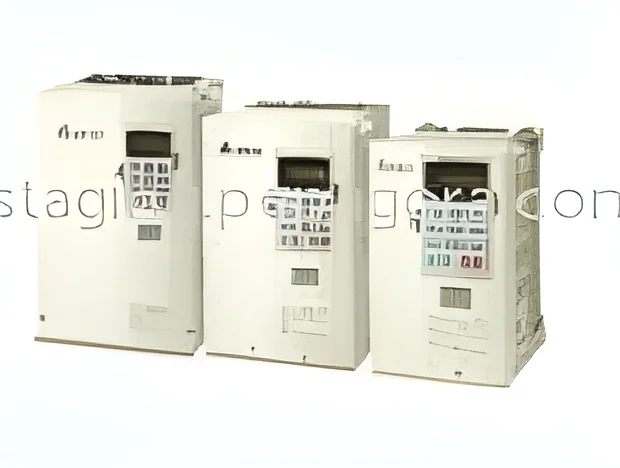
Description
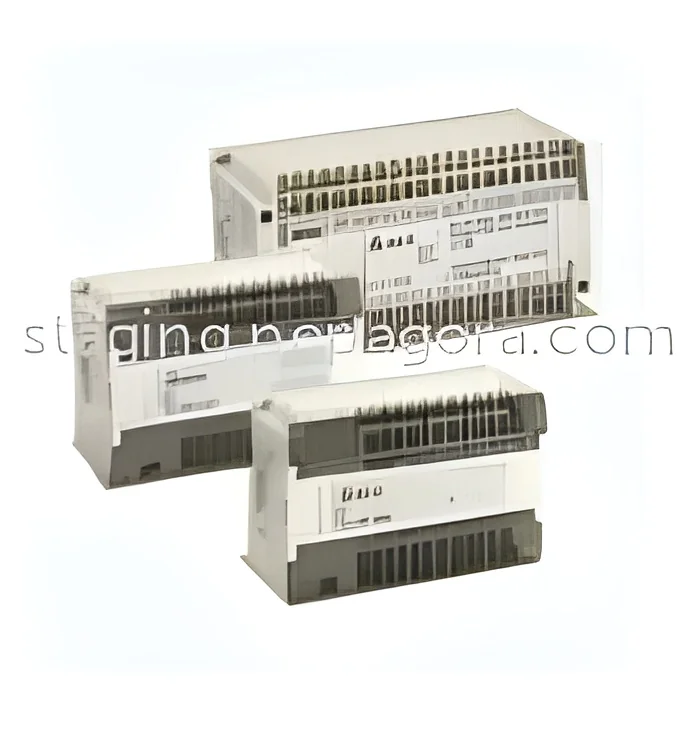
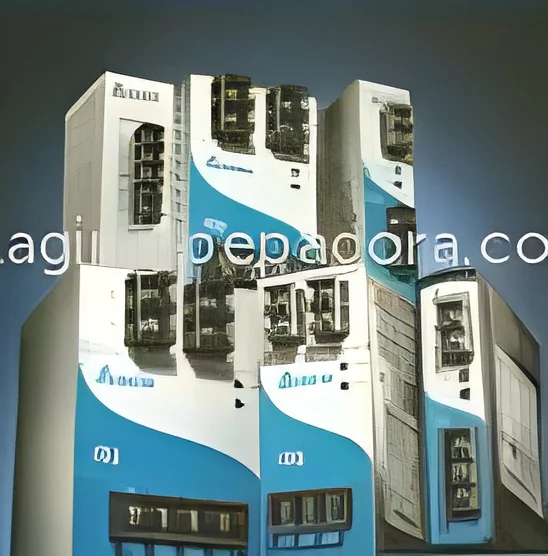
AC Drives are sophisticated electronic controllers designed to manage the speed and torque of AC induction motors by intelligently adjusting the frequency and voltage supplied to the motor. This precise control transforms standard fixed-speed motor operations into highly efficient, variable-speed systems. By converting fixed AC input into a variable frequency output, these drives enable smooth motor start-ups, controlled acceleration and deceleration, and exact speed maintenance. This technology is fundamental for modern industrial automation, offering programmable parameters, comprehensive fault diagnostics, and communication capabilities for seamless integration into larger control systems. Built for industrial durability, they ensure motors run optimally, reducing wear and extending service life while meeting international standards for safety and performance.

These drives are indispensable across a wide spectrum of industries where motor control is critical. In manufacturing, they...
AC Drives are sophisticated electronic controllers designed to manage the speed and torque of AC induction motors by intelligently adjusting the frequency and voltage supplied to the motor. This precise control transforms standard fixed-speed motor operations into highly efficient, variable-speed systems. By converting fixed AC input into a variable frequency output, these drives enable smooth motor start-ups, controlled acceleration and deceleration, and exact speed maintenance. This technology is fundamental for modern industrial automation, offering programmable parameters, comprehensive fault diagnostics, and communication capabilities for seamless integration into larger control systems. Built for industrial durability, they ensure motors run optimally, reducing wear and extending service life while meeting international standards for safety and performance.

These drives are indispensable across a wide spectrum of industries where motor control is critical. In manufacturing, they automate conveyor systems, synchronize production lines, and control machine tools. The HVAC sector relies on them for optimizing fan and pump speeds in commercial buildings, significantly cutting energy costs. Water and wastewater treatment plants use AC drives to manage pump stations for efficient flow control. They are also vital in material handling, food and beverage processing, and textile manufacturing, providing the precise control needed for complex processes and helping businesses adhere to stringent efficiency and automation requirements.

The business value of implementing AC Drives is substantial, directly impacting the bottom line through enhanced operational reliability and reduced costs. Their primary advantage is dramatic energy savings, often reducing motor electricity consumption by up to 50% in variable torque applications. This leads to a rapid return on investment. Furthermore, they drastically lower mechanical stress on motors, belts, and bearings, minimizing unplanned downtime and extending equipment lifespan, which reduces maintenance and replacement costs. Their reliability ensures consistent process quality and output, while their built-in protection features safeguard against motor overloads and electrical faults, providing peace of mind and protecting valuable assets.

Key Features:
- Precise speed and torque control for AC induction motors via variable frequency and voltage output.
- Robust industrial construction designed for reliable operation in demanding environments.
- Programmable parameters and digital control for customizing performance to specific applications.
- Comprehensive integrated protection against overloads, short circuits, and phase loss.
- Communication interfaces for seamless integration with PLCs and automation systems.

Benefits:
- Significant reduction in energy consumption and operational costs, improving profitability.
- Extended operational life of motors and driven equipment by reducing mechanical stress.
- Enhanced process control and product quality through precise speed regulation.
- Lower maintenance requirements and reduced downtime, increasing overall productivity.
- Smooth motor starting and acceleration, eliminating mechanical shock and current spikes.
Specifications
| Additional Information | |
|---|---|
| SKU | EC-ACD-103 |
| Country of Origin | 106 |
| Customisable | No |
Application
AC Drives deliver reliable speed regulation and energy savings across diverse industrial systems. They are essential for optimizing motor-driven equipment, ensuring smooth operation, and reducing operational costs in demanding environments. These drives support precise process control and automation integration for enhanced productivity and equipment protection.
Their robust design and programmable features make them suitable for integration into various machinery and control panels. From manufacturing plants to commercial facilities, AC Drives provide consistent performance, adapting to specific operational needs while improving overall system reliability and reducing mechanical stress on connected motors. Real-world applications:
Real-world applications:
- Controlling conveyor belt speeds in packaging and material handling lines for efficient product flow.
- Regulating pump motor speeds in water treatment plants to match demand and save energy.
- Adjusting fan speeds in HVAC systems for optimal climate control and reduced power consumption.
- Managing compressor operations in industrial refrigeration to maintain precise temperature levels.
- Automating spindle speed control in CNC machines for consistent machining quality and productivity.
Trade Details
| Available Stock | In Stock |
| Sample Availability | No |
Payment Terms
| Payment Terms |
|
Shipping & Logistics
| Shipping Internationally | - | |
| Methods | -- | |
| IncoTerms | -- | |
| Port of Dispatch | Chennai, Tamil Nadu | |
| Packaging Type | -- | |
| Units per Package | -- | |
| Barcode / HSN / GTIN / UPC | -- | |
| Dispatch Lead time | -- |
Company Profile

Engineer Corner, Tamil Nadu
 Tamil Nadu, India
Tamil Nadu, IndiaElectronics & Electrical•Manufacturer
Factory Details
Factory SizeBelow 1000 sqm
SKU: EC-ACD-103
Industrial AC Drives For Motor Speed Control And Energy Efficiency
AC Drives precisely control AC motor speed and torque, boosting energy efficiency, process accuracy, and equipment lifespan for industrial B2B applications.
Min. Order Quantity: 5 Pieces
Shipping
Shipping fee and delivery date to be negotiated. Contact supplier now for more details.
Engineer Corner
 Tamil Nadu, India
Tamil Nadu, IndiaElectronics & ElectricalManufacturer