IN
IN₹
Apparel & Fashion
Description
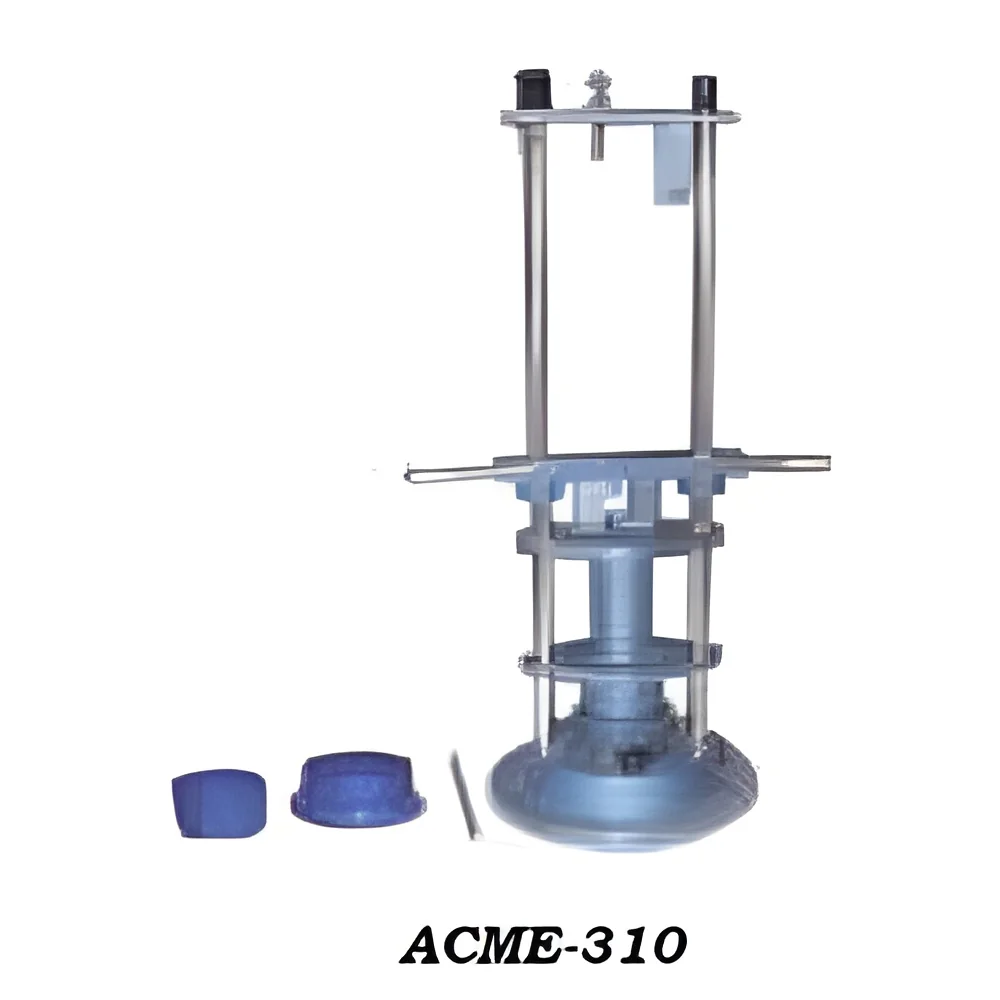
The Static Cone Penetrometer represents advanced geotechnical instrumentation engineered for precise in-situ soil testing. This sophisticated tool operates by steadily advancing a conical tip into subsurface layers while continuously measuring resistance, delivering real-time data on soil strength, stratification, and behavioral characteristics. Unlike traditional methods requiring extensive drilling and sample extraction, this penetrometer offers an efficient, non-destructive approach to subsurface investigation. Engineering professionals and geologists depend on its accuracy to profile soil layers, identify material types, and detect potential weak zones. Manufactured to comply with international testing standards, the instrument ensures consistent performance across diverse field conditions from soft clays to dense sands. Its straightforward operation and immediate data output make it the preferred choice for comprehensive site characterization, significantly reducing project timeli...
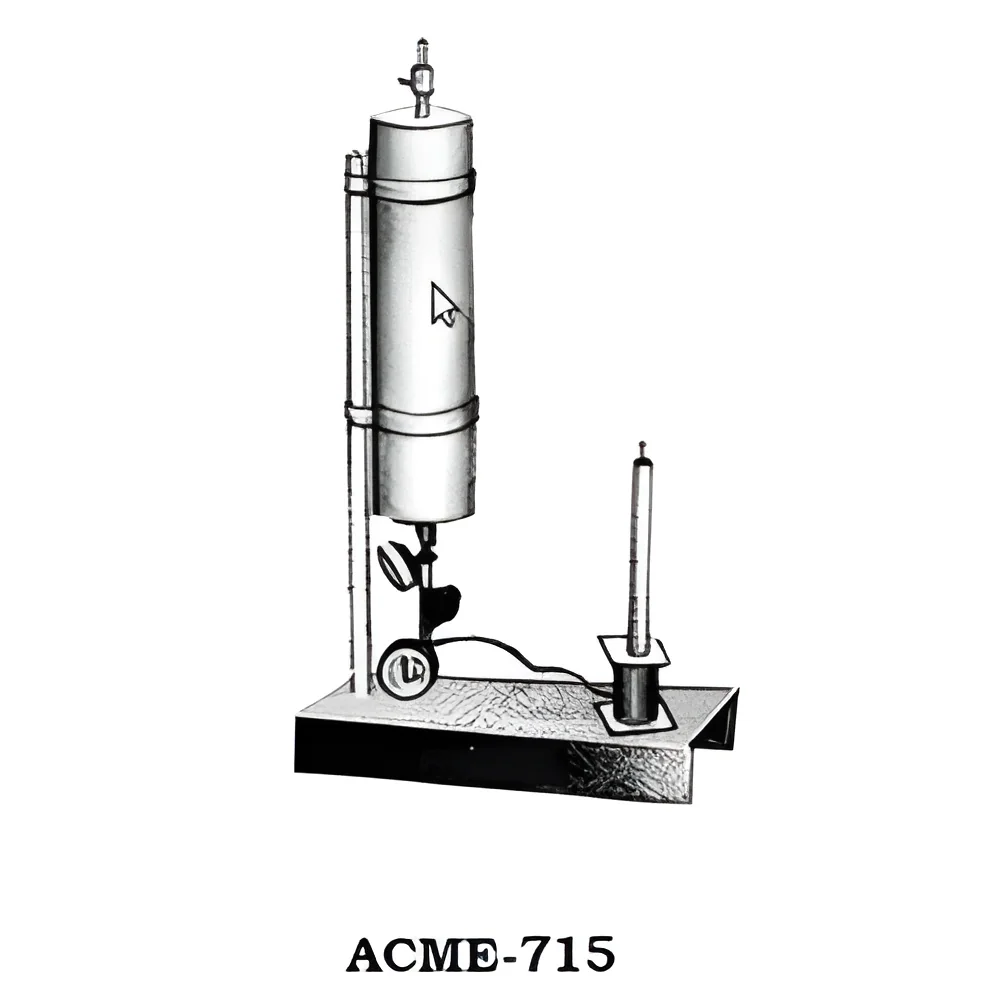
The Static Cone Penetrometer represents advanced geotechnical instrumentation engineered for precise in-situ soil testing. This sophisticated tool operates by steadily advancing a conical tip into subsurface layers while continuously measuring resistance, delivering real-time data on soil strength, stratification, and behavioral characteristics. Unlike traditional methods requiring extensive drilling and sample extraction, this penetrometer offers an efficient, non-destructive approach to subsurface investigation. Engineering professionals and geologists depend on its accuracy to profile soil layers, identify material types, and detect potential weak zones. Manufactured to comply with international testing standards, the instrument ensures consistent performance across diverse field conditions from soft clays to dense sands. Its straightforward operation and immediate data output make it the preferred choice for comprehensive site characterization, significantly reducing project timelines while enhancing data reliability for critical decision-making processes.

This penetrometer serves multiple industries that require accurate soil data for project success and safety compliance. In civil engineering and construction sectors, it proves vital for foundation design verification, ensuring structures are built upon stable ground conditions. Major infrastructure projects including highways, bridges, and tunnels utilize the equipment to assess subsoil conditions and prevent unforeseen complications during construction phases. The mining industry employs penetrometer testing for tailings dam stability assessments and slope integrity verification. Environmental consulting firms utilize the technology to study contamination migration patterns and soil compaction in remediation projects. Agricultural sectors apply the instrument to analyze soil health and compaction effects on crop productivity. This versatility makes the penetrometer suitable for government agencies, private engineering firms, and research institutions engaged in geotechnical, environmental, and agricultural studies worldwide.

The Static Cone Penetrometer delivers substantial business value by enhancing project safety protocols, reducing operational costs, and minimizing geological risks. Its proven reliability ensures accurate data collection, preventing costly errors and design modifications during construction phases. The instrument's durable construction and minimal maintenance requirements establish it as a long-term investment for organizations conducting frequent site investigations. By providing immediate, actionable geotechnical insights, the equipment accelerates project timelines and supports compliance with international geotechnical standards. This penetrometer builds trust through consistent field performance, helping businesses deliver successful project outcomes, strengthen client confidence, and maintain competitive advantage in the geotechnical services marketplace.

Key Features:
- Precision-engineered conical tip for accurate measurement of cone resistance and sleeve friction
- Robust construction with high-strength materials to withstand harsh field conditions and repeated use
- Compliance with international standards including ASTM D5778 and IS 4968 for reliable testing
- Standardized design with consistent tip size and rod length configurations for uniform results
- User-friendly operation with easy assembly and minimal maintenance requirements for field efficiency

Benefits:
- Delivers precise soil data for informed engineering decisions and risk mitigation
- Reduces investigation time and costs compared to traditional drilling methods
- Enhances project safety through accurate identification of subsurface conditions
- Provides reliable performance in diverse soil types and environmental conditions
- Supports compliance with international geotechnical standards and regulations
Specifications
| Additional Information | |
|---|---|
| Country of Origin | India |
Application
The Static Cone Penetrometer provides critical geotechnical data without drilling, measuring cone resistance and sleeve friction to determine soil stratification and strength parameters. This instrument is essential for preliminary site assessments and detailed subsurface investigations across various soil conditions and project types.
Widely utilized in civil engineering, construction, and environmental consulting, this penetrometer supports informed decisions for foundation design and land use planning. Its applications extend to infrastructure development, mining operations, and agricultural management, ensuring safety and compliance with international geotechnical standards.
- Conducting pre-construction soil investigations to assess foundation suitability and prevent structural failures
- Evaluating soil bearing capacity and compaction for transportation infrastructure including roads and railways
- Determining liquefaction potential in seismic zones to enhance earthquake-resistant design protocols
- Investigating contamination spread and soil density in environmental assessment and remediation projects
- Supporting agricultural land management through soil strength analysis for improved crop planning
Trade Details
| Available Stock | In Stock |
| Sample Availability | No |
Payment Terms
| Payment Terms |
|
Company Profile

ACME Scientific International, New Delhi
 New Delhi, India
New Delhi, IndiaManufacturer•Distributor / Wholesaler•Importer / Exporter
Factory Details
Factory SizeBelow 1000 sqm
Annual Production Capacity0
Geotechnical Soil Testing Static Cone Penetrometer for Accurate Site Investigations
Premium Static Cone Penetrometer delivers accurate soil testing for geotechnical site investigations. Trusted by engineers for reliable data on soil strength, stratification, and bearing capacity in construction and infrastructure projects.
Min. Order Quantity: 1 unit
Shipping
Shipping fee and delivery date to be negotiated. Contact supplier now for more details.
ACME Scientific International
 New Delhi, India
New Delhi, IndiaManufacturer