IN
IN₹
Description
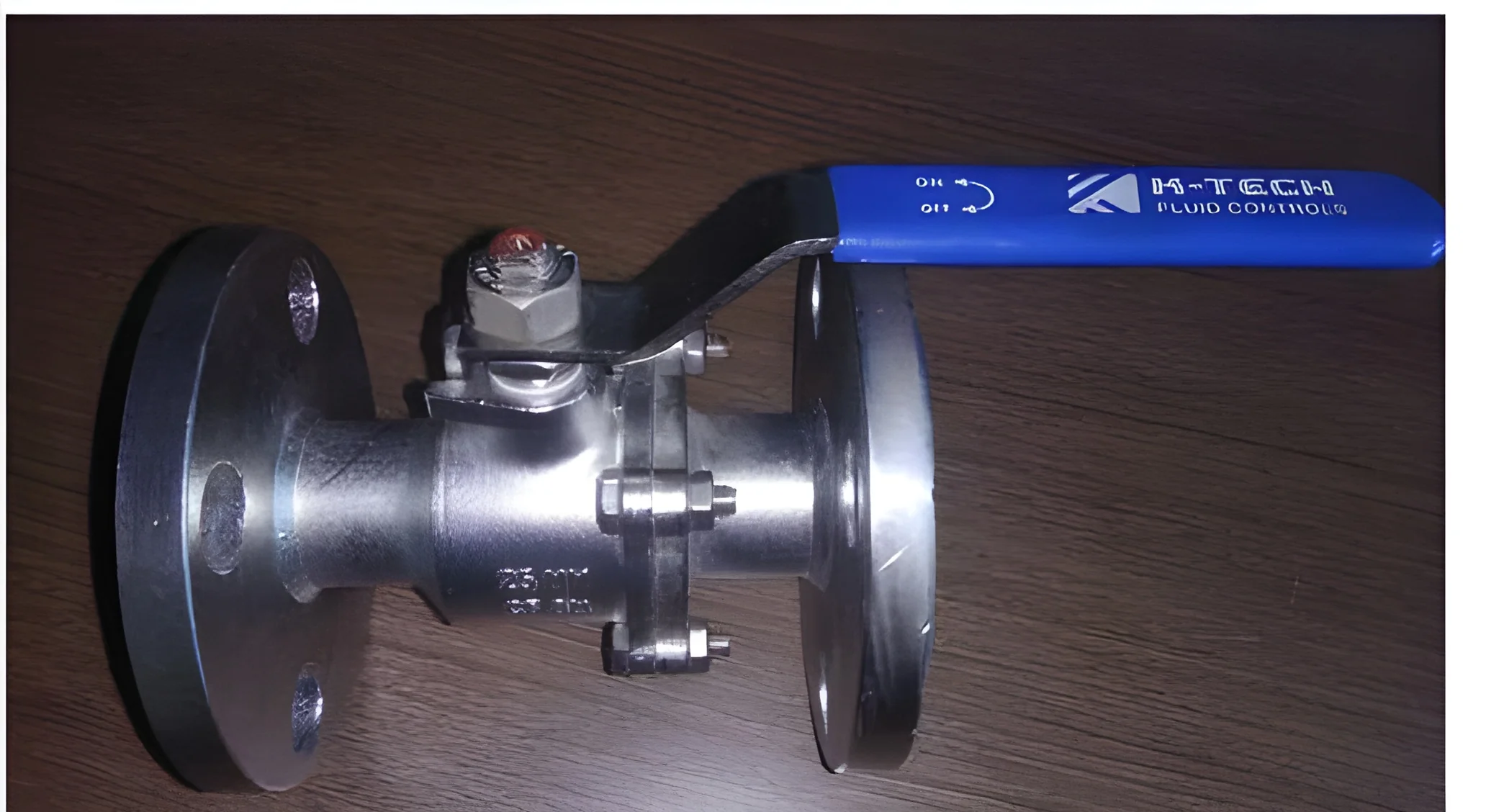
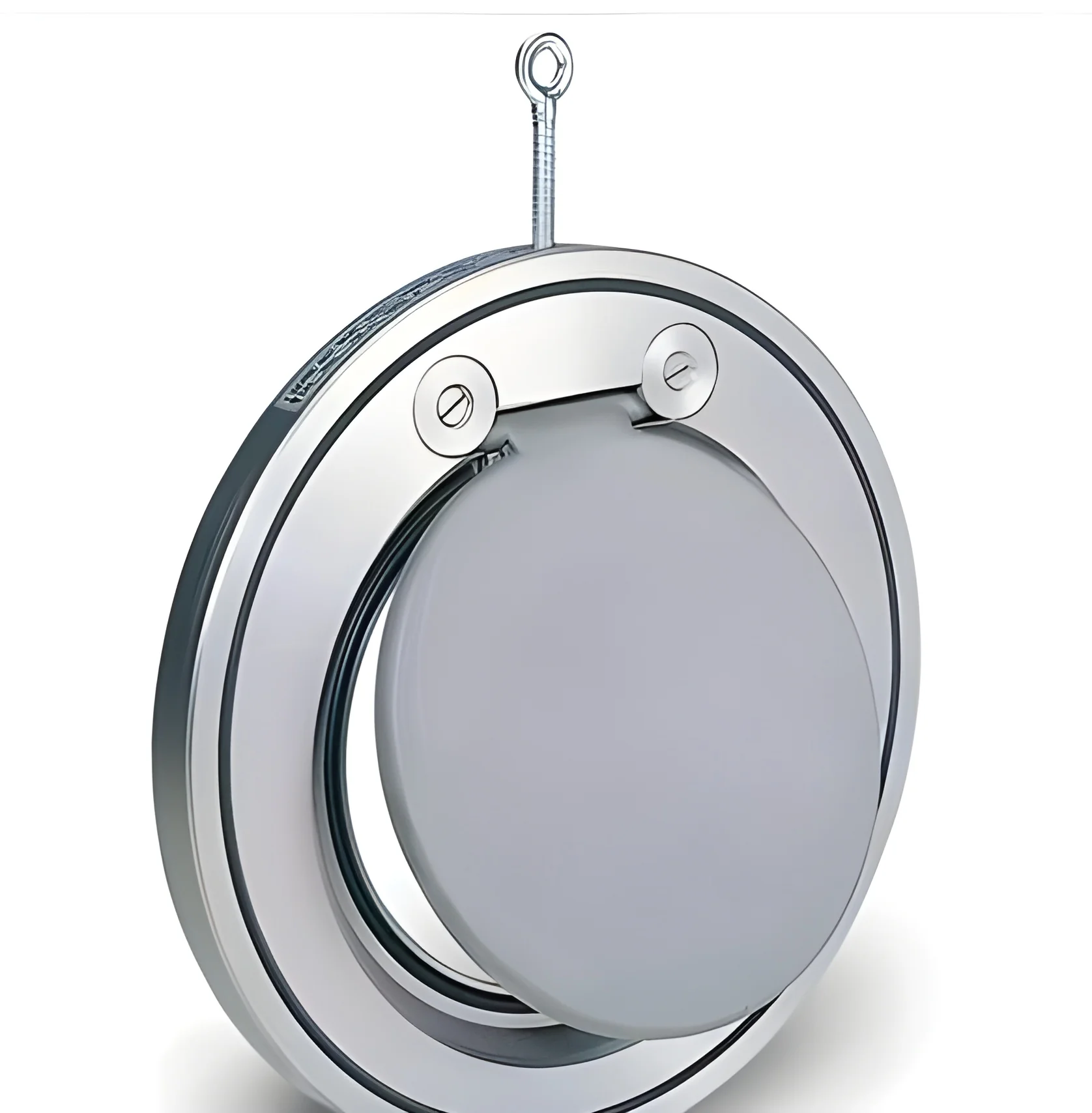
The single plate check valve, commonly known as a swing check valve, operates through a hinged disc mechanism that automatically responds to flow direction changes. This straightforward design allows fluid to pass freely in the forward direction while immediately sealing against reverse flow when pressure differentials shift. Constructed from robust materials like stainless steel, carbon steel, or specialized alloys, these valves withstand demanding operational conditions while providing long service life. The simplicity of their mechanism translates to minimal maintenance requirements and reliable performance across various pressure ratings and temperature ranges, making them a fundamental component in fluid management systems worldwide.

Across industrial sectors, single plate check valves deliver essential protection for critical equipment and processes. In water and wastewater treatment facilities, they prevent backflow contamination and protect pumping systems. The oil and gas ind...
The single plate check valve, commonly known as a swing check valve, operates through a hinged disc mechanism that automatically responds to flow direction changes. This straightforward design allows fluid to pass freely in the forward direction while immediately sealing against reverse flow when pressure differentials shift. Constructed from robust materials like stainless steel, carbon steel, or specialized alloys, these valves withstand demanding operational conditions while providing long service life. The simplicity of their mechanism translates to minimal maintenance requirements and reliable performance across various pressure ratings and temperature ranges, making them a fundamental component in fluid management systems worldwide.

Across industrial sectors, single plate check valves deliver essential protection for critical equipment and processes. In water and wastewater treatment facilities, they prevent backflow contamination and protect pumping systems. The oil and gas industry utilizes these valves in pipeline networks to maintain directional flow integrity. Chemical processing plants rely on them to prevent hazardous material mixing, while power generation facilities incorporate them into cooling and feedwater systems. HVAC applications benefit from their ability to maintain proper circulation in heating and cooling loops, demonstrating their versatility across both heavy industrial and commercial settings.

The business value of single plate check valves lies in their operational reliability and cost-effective protection of larger system components. By preventing backflow, these valves safeguard expensive pumps, compressors, and processing equipment from damage that could result in costly downtime and repairs. Their automatic operation eliminates the need for manual intervention or external power sources, reducing operational complexity and energy costs. The durability of construction materials ensures extended service life with minimal maintenance, while standardized designs facilitate easy integration into existing systems. These factors combine to deliver significant return on investment through reduced maintenance expenses, extended equipment lifespan, and uninterrupted process operations.

Key Features:
- Hinged disc design for automatic one-way flow control
- Robust construction using corrosion-resistant materials
- Compact design for easy installation in limited spaces
- Low pressure drop characteristics for energy efficiency
- Multiple end connection options for system compatibility

Benefits:
- Prevents costly equipment damage from backflow incidents
- Reduces maintenance requirements with simple mechanical operation
- Enhances system safety by automatically sealing against reverse flow
- Provides long service life with durable material construction
- Offers customization options for specific application requirements
Specifications
| Additional Information | |
|---|---|
| Country of Origin | India |
Application
Single plate check valves serve critical roles across multiple industries where directional flow control is essential. Their simple yet effective design makes them suitable for diverse fluid handling applications, from water distribution to chemical processing systems. These valves automatically prevent reverse flow without requiring external power, ensuring continuous operational safety in dynamic industrial environments.
Industries including municipal water supply, oil and gas transportation, chemical manufacturing, and power generation rely on these valves for pipeline protection. The versatility of single plate check valves extends to HVAC systems, marine applications, and industrial processing plants where maintaining unidirectional flow is crucial for equipment safety and system efficiency. Real-world applications:
Real-world applications:
- Protecting water treatment plant pumps from backflow damage
- Ensuring directional flow in oil and gas pipeline systems
- Preventing chemical mixing in processing equipment
- Maintaining HVAC system efficiency in commercial buildings
- Safeguarding marine engine cooling systems from seawater reverse flow
Trade Details
| Available Stock | In Stock |
| Sample Availability | No |
Payment Terms
| Payment Terms |
|
Company Profile

K Tech Fluid Controls, Gujarat
 Gujarat, India
Gujarat, IndiaManufacturer•Distributor•Wholesaler•Retailer
Factory Details
Factory SizeBelow 1000 sqm
Industrial Single Plate Check Valve For Water Treatment And Oil Gas
Our single plate check valve ensures reliable one-way fluid flow control, preventing backflow in pipelines. Ideal for water treatment, oil and gas, and industrial systems with durable construction and smooth operation.
Min. Order Quantity: 1
Shipping
Shipping fee and delivery date to be negotiated. Contact supplier now for more details.
K Tech Fluid Controls
 Gujarat, India
Gujarat, IndiaManufacturer