IN
₹
Apparel & Fashion
Description
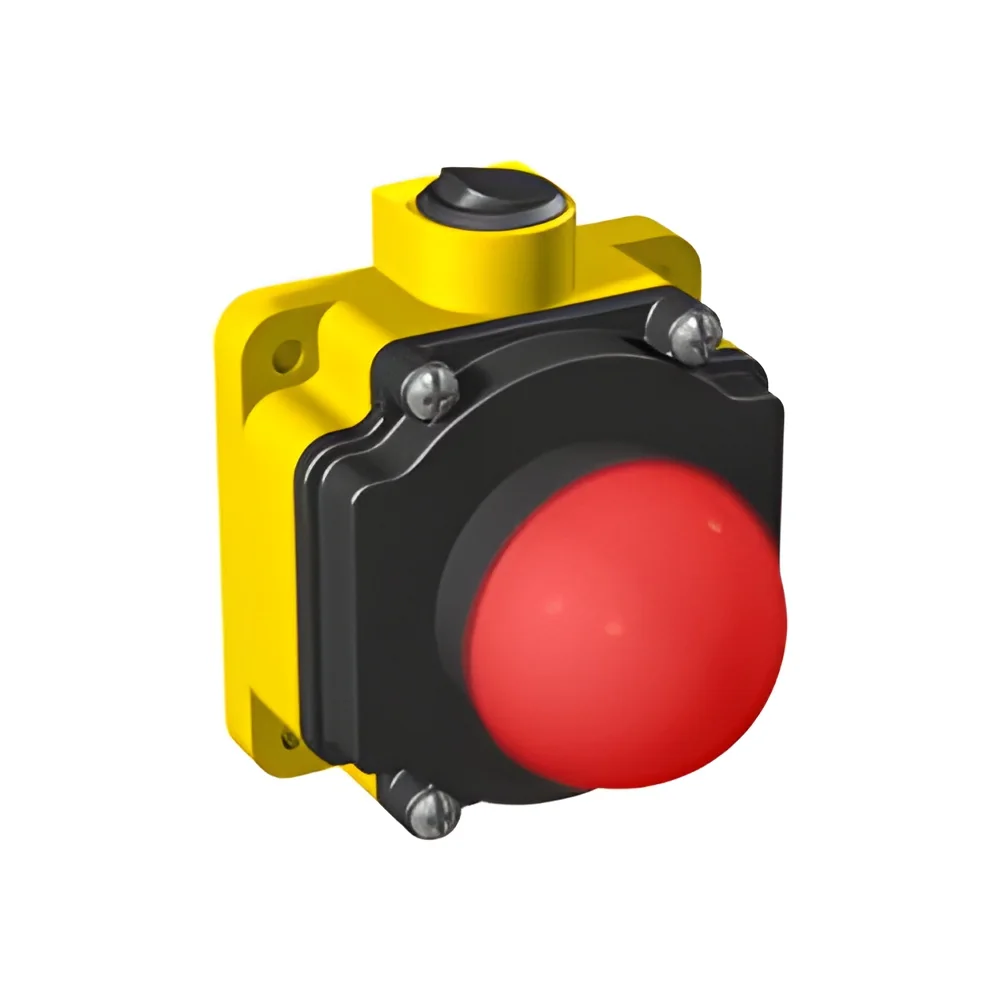
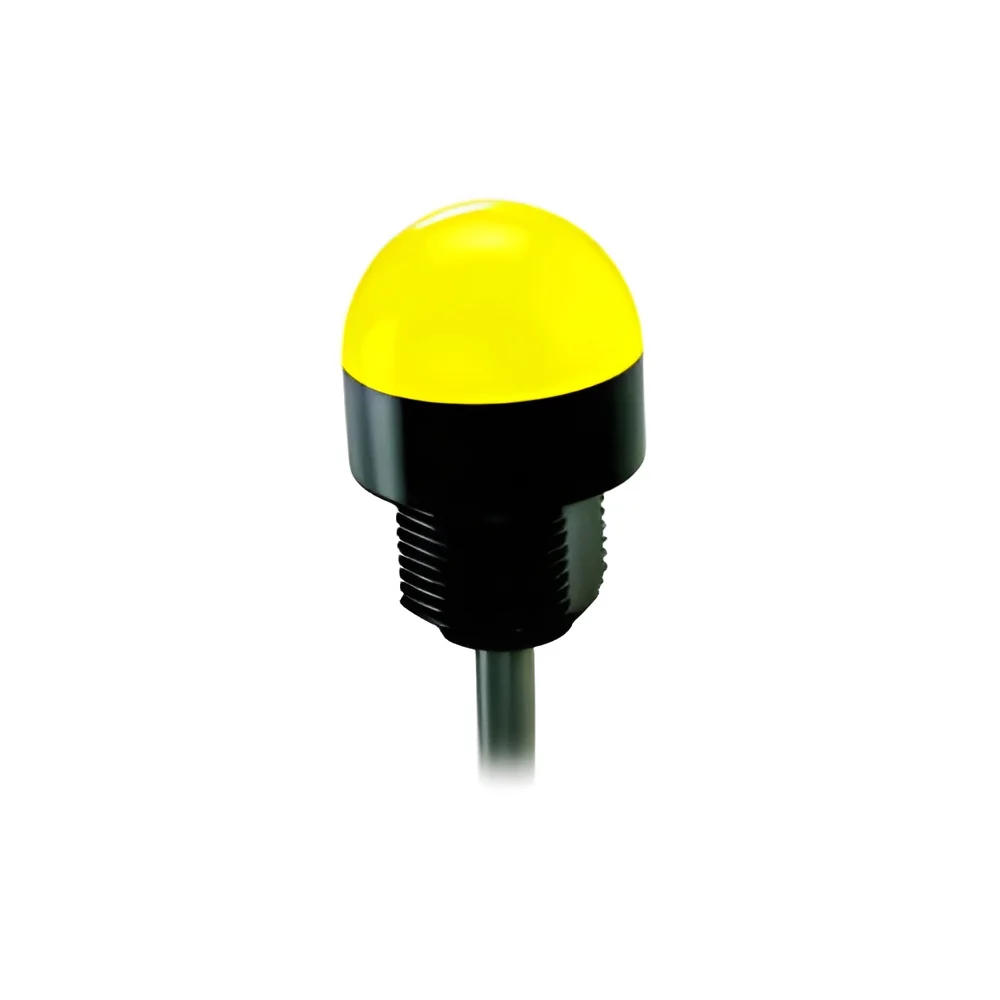
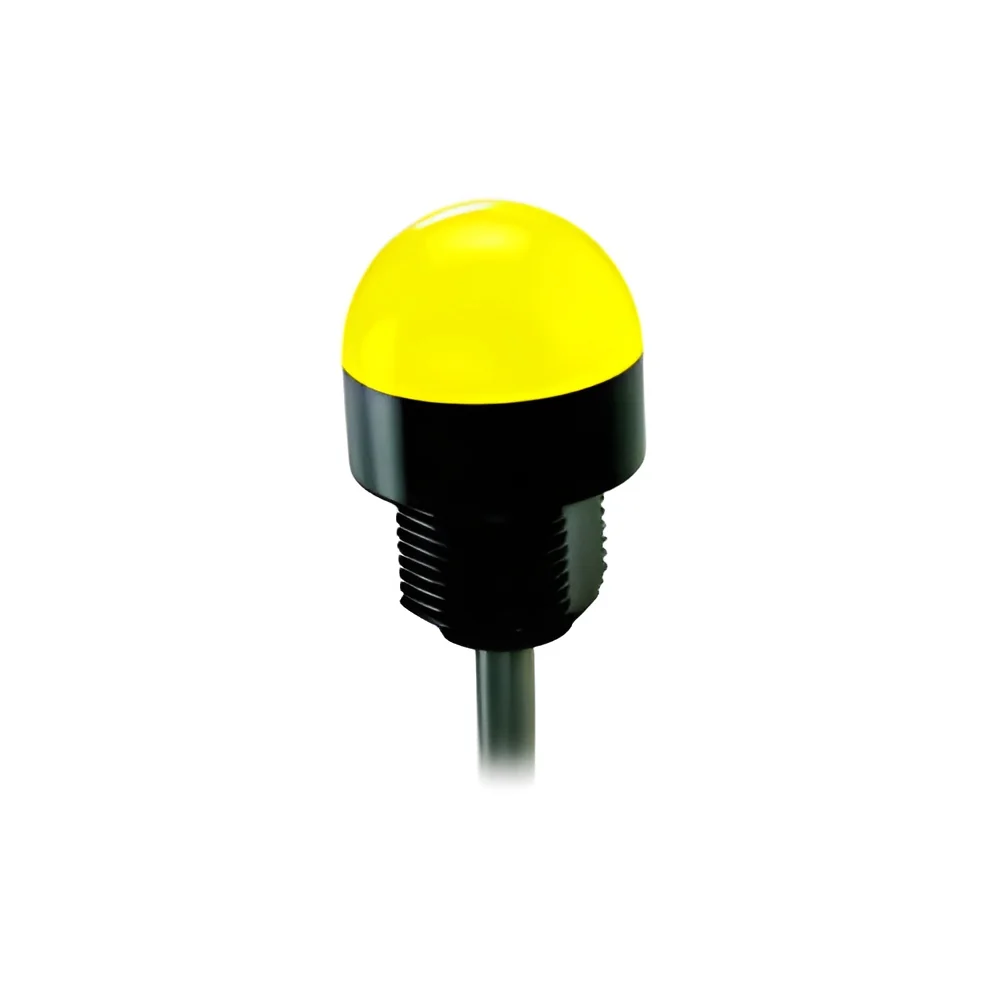
The Industrial Automation Sensor Emulator SE-1 represents a critical testing instrument for industrial automation professionals, providing reliable simulation of sensor outputs for comprehensive system verification and troubleshooting. This DC-operated device features a durable 22mm threaded polycarbonate base that ensures secure mounting in various industrial environments while maintaining consistent performance. With its advanced 2-color indicator system, it accurately duplicates the green and yellow output signals of photoelectric and proximity sensors, allowing technicians to test control circuits without requiring actual sensor operation. The emulator serves as an indispensable diagnostic tool that significantly reduces equipment downtime and improves maintenance efficiency across multiple industrial applications, making it an essential component of any industrial maintenance toolkit.

This sensor emulator finds extensive application across manufacturing, packaging, automotive, an...
The Industrial Automation Sensor Emulator SE-1 represents a critical testing instrument for industrial automation professionals, providing reliable simulation of sensor outputs for comprehensive system verification and troubleshooting. This DC-operated device features a durable 22mm threaded polycarbonate base that ensures secure mounting in various industrial environments while maintaining consistent performance. With its advanced 2-color indicator system, it accurately duplicates the green and yellow output signals of photoelectric and proximity sensors, allowing technicians to test control circuits without requiring actual sensor operation. The emulator serves as an indispensable diagnostic tool that significantly reduces equipment downtime and improves maintenance efficiency across multiple industrial applications, making it an essential component of any industrial maintenance toolkit.

This sensor emulator finds extensive application across manufacturing, packaging, automotive, and material handling industries where sensor reliability is paramount. In automotive assembly lines, it verifies sensor circuits in robotic welding systems, painting applications, and assembly verification stations. Packaging facilities utilize it extensively to test photoelectric sensors that detect product presence, positioning accuracy, and orientation on high-speed conveyor systems. Manufacturing plants employ the emulator for maintaining quality control stations, automated inspection systems, and production monitoring equipment. Logistics and warehouse operations rely on it for troubleshooting automated sorting systems, retrieval mechanisms, and inventory tracking where sensor reliability directly impacts operational continuity and overall system efficiency.

The Sensor Emulator SE-1 delivers significant business value through reduced equipment downtime and lower maintenance costs across industrial operations. Its proven reliability ensures accurate testing results, preventing false diagnoses that could lead to unnecessary part replacements and additional expenses. The robust polycarbonate construction ensures long-term durability in demanding environments, providing consistent performance even under challenging conditions. This tool enhances workforce efficiency by enabling quick verification of sensor circuits, substantially reducing troubleshooting time, and minimizing production interruptions. The emulator's compatibility with standard industrial sensors makes it a versatile investment that delivers continuous returns through improved operational reliability, reduced maintenance requirements, and enhanced system performance monitoring capabilities.

Key Features:
- DC-powered operation with universal industrial compatibility
- 22mm threaded polycarbonate base for secure mounting
- Dual-color indicator system replicating sensor outputs
- Compatibility with photoelectric and proximity sensors
- Discrete output simulation for control circuit verification

Benefits:
- Reduces equipment downtime through efficient troubleshooting
- Lowers maintenance costs by preventing unnecessary part replacements
- Enhances workforce efficiency with quick circuit verification
- Provides reliable performance in demanding industrial environments
- Improves operational reliability through accurate sensor testing
Specifications
| Additional Information | |
|---|---|
| Country of Origin | India |
Application
The Sensor Emulator SE-1 serves as an essential diagnostic tool for industrial automation maintenance teams. It accurately replicates sensor outputs to verify control circuit functionality without requiring actual sensor operation, enabling efficient testing of wiring, PLC inputs, and indicator circuits during installation, maintenance, and troubleshooting procedures across various manufacturing environments and production facilities.
Designed specifically for compatibility with discrete output photoelectric and proximity sensors commonly used in industrial settings, this emulator features a 2-color indication system that provides clear visual feedback by duplicating actual sensor green and yellow indicator patterns. The 22mm threaded polycarbonate base ensures secure mounting and durability in harsh industrial conditions where vibration, dust, and environmental factors are common concerns, making it suitable for continuous use in demanding operational environments.
- Production line sensor circuit verification and fault isolation during maintenance
- Automated assembly system troubleshooting and performance validation
- Warehouse automation and conveyor system diagnostics and testing
- Packaging machinery sensor simulation and functional verification
- Quality control station sensor function validation and calibration
Trade Details
| Available Stock | In Stock |
| Sample Availability | No |
Payment Terms
| Payment Terms |
|
Company Profile

Automation Systems & Solution, New Delhi
 New Delhi, India
Electronics & Electrical•Manufacturer•Retailer
Factory Details
Factory SizeBelow 1000 sqm
Annual Production Capacity0
Industrial Automation Sensor Emulator SE 1 22mm Threaded Base
Industrial Automation Sensor Emulator SE-1 with 22mm threaded base duplicates photoelectric and proximity sensor outputs for reliable DC-operated testing in industrial automation systems.
Min. Order Quantity: 1 unit
Shipping
Shipping fee and delivery date to be negotiated. Contact supplier now for more details.
Automation Systems & Solution
 New Delhi, India
Electronics & ElectricalManufacturer