IN
₹
Apparel & Fashion
Description
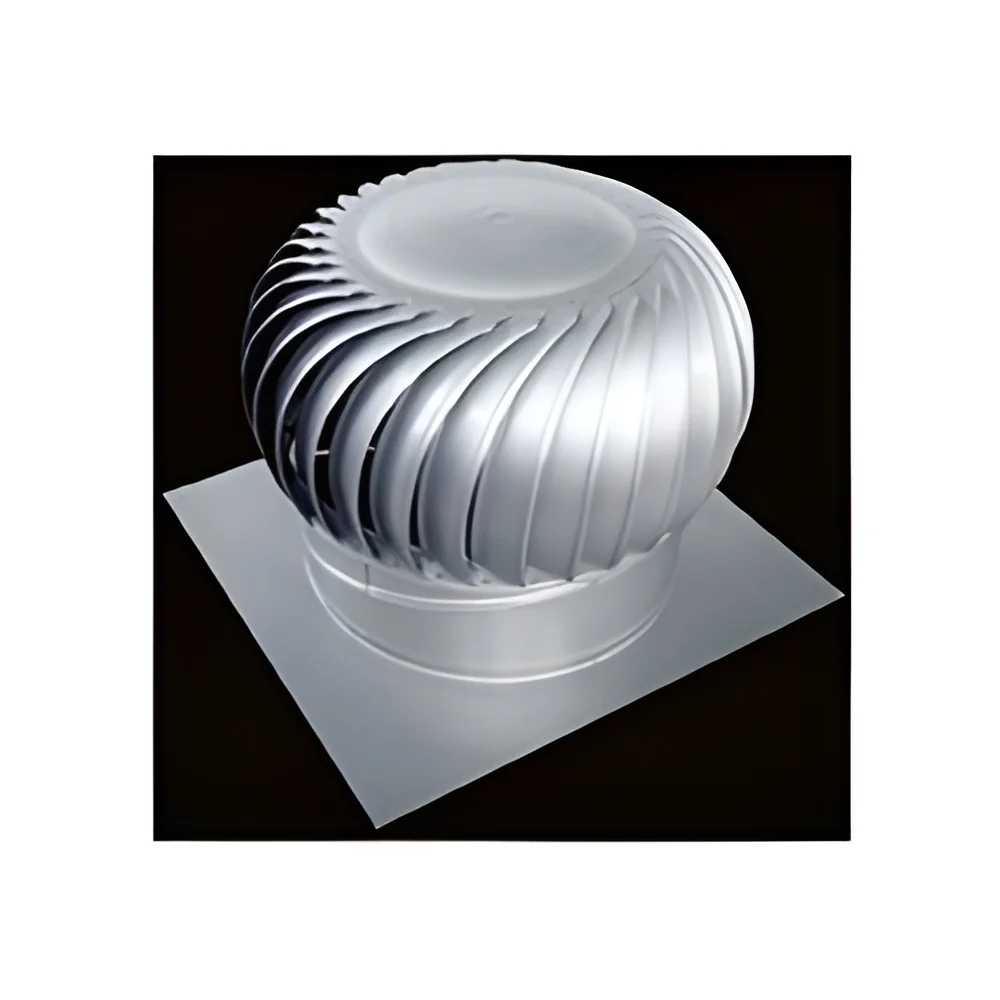
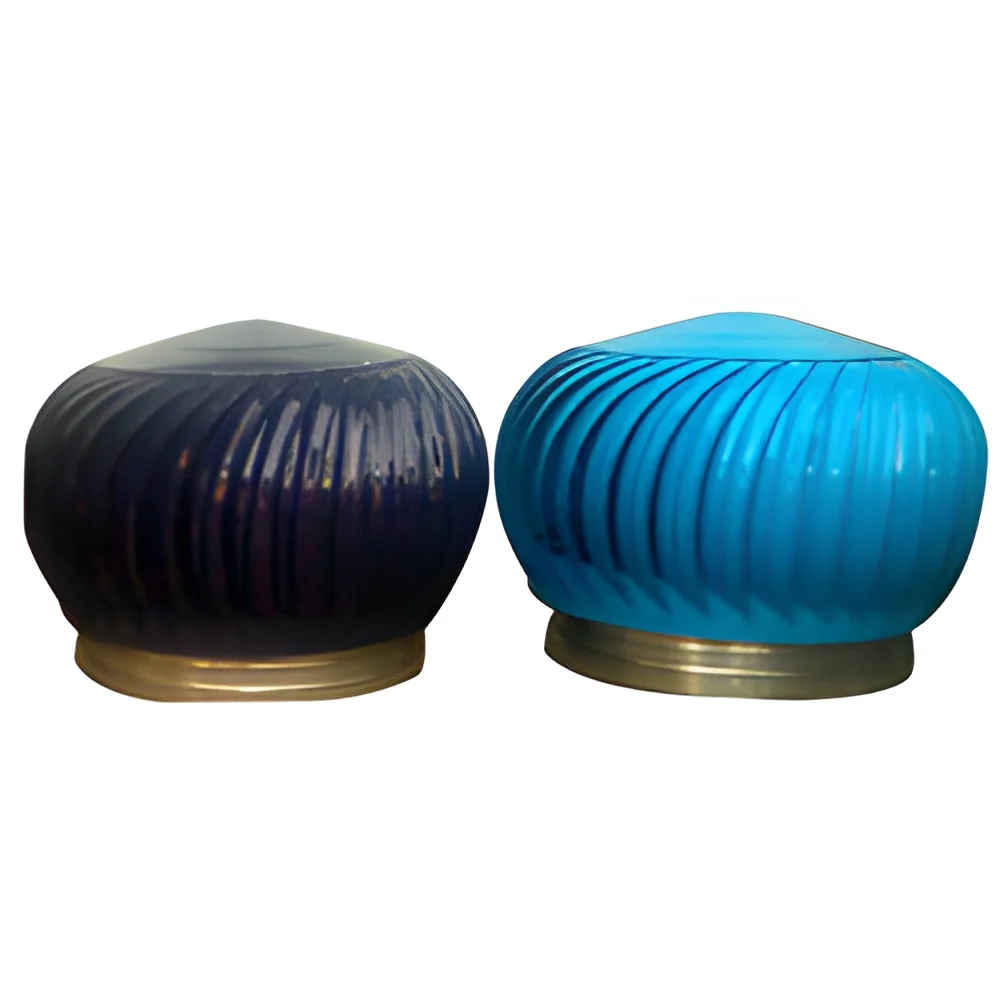
Our industrial rooftop air ventilators are engineered as a primary defense against heat buildup and hazardous air contamination in large facilities. These systems operate on natural airflow principles, requiring no electricity to create powerful ventilation. They are constructed from corrosion-resistant materials to withstand harsh industrial environments, from chemical-laden atmospheres to coastal salty air. Designed for set-and-forget reliability, they provide continuous extraction of hot air, smoke, fumes, and stale air, drawing in cooler, fresher air to maintain a balanced and safer interior climate. This passive yet highly effective operation makes them a cornerstone for sustainable facility management.

These ventilators serve a vital role in sectors where air quality directly impacts safety, productivity, and regulatory compliance. In manufacturing and metalworking plants, they are crucial for removing welding fumes and metal dust. Warehouses and distribution centers utilize the...
Our industrial rooftop air ventilators are engineered as a primary defense against heat buildup and hazardous air contamination in large facilities. These systems operate on natural airflow principles, requiring no electricity to create powerful ventilation. They are constructed from corrosion-resistant materials to withstand harsh industrial environments, from chemical-laden atmospheres to coastal salty air. Designed for set-and-forget reliability, they provide continuous extraction of hot air, smoke, fumes, and stale air, drawing in cooler, fresher air to maintain a balanced and safer interior climate. This passive yet highly effective operation makes them a cornerstone for sustainable facility management.

These ventilators serve a vital role in sectors where air quality directly impacts safety, productivity, and regulatory compliance. In manufacturing and metalworking plants, they are crucial for removing welding fumes and metal dust. Warehouses and distribution centers utilize them for heat stratification control and general air circulation. The chemical industry relies on them for fume extraction in processing and storage zones, while the food and beverage sector uses them to manage steam, humidity, and odors. Their application is universal in any industrial setting where removing heat, moisture, or contaminants is essential for protecting both the workforce and the integrity of manufacturing processes.

Choosing our rooftop ventilators delivers tangible business value through operational savings and risk reduction. Their zero-energy operation translates directly to lower utility costs compared to powered exhaust fans. The robust, low-maintenance design ensures years of reliable service with minimal downtime, protecting your investment. By consistently improving indoor air quality, they help reduce employee health incidents, minimize corrosion on sensitive equipment, and can enhance overall productivity through a more comfortable work environment. This reliability and cost-effectiveness provide a clear return on investment, making them a smart, long-term solution for industrial ventilation needs.

Key Features:
- Heavy-duty, corrosion-resistant construction ensures longevity in aggressive industrial environments.
- Operates on natural wind and thermal buoyancy principles, requiring zero electrical power.
- Engineered for high-capacity extraction of heat, fumes, smoke, and airborne pollutants.
- Designed for minimal maintenance with durable components that withstand continuous operation.
- Available in various sizes and specifications to match specific airflow and structural requirements.

Benefits:
- Significantly reduces energy consumption and operational costs by eliminating electrical fan motors.
- Enhances workplace safety and health by continuously removing hazardous fumes and particulates.
- Lowers ambient temperatures naturally, improving worker comfort and potentially reducing cooling loads.
- Provides a reliable, maintenance-friendly solution that minimizes downtime and repair expenses.
- Helps facilities comply with industrial health, safety, and air quality regulations effectively.
Specifications
| Additional Information | |
|---|---|
| Country of Origin | India |
Application
Industrial rooftop air ventilators are engineered to solve critical air quality challenges in large-scale facilities. They actively extract accumulated heat, noxious fumes, and airborne contaminants, replacing stale indoor air with fresh outdoor air. This continuous exchange is fundamental for maintaining safe working conditions, protecting equipment, and ensuring consistent production processes without interruption.
These robust ventilation systems are indispensable across heavy industries where air management is non-negotiable. By effectively controlling the indoor environment, they help reduce ambient temperatures, mitigate fire risks from flammable vapors, and remove particulates that can harm both personnel and precision machinery. Their reliable operation supports compliance with occupational health and safety regulations in the most demanding settings.
- Extracting welding smoke, grinding dust, and metal fumes from automotive and fabrication shop floors.
- Ventilating chemical processing and storage areas to safely disperse hazardous vapors and prevent explosive atmospheres.
- Exhausting hot air and humidity from large warehouses, foundries, and forging plants to improve worker comfort.
- Removing lint, fiber particles, and chemical mists from textile mills and printing facilities to protect air quality.
- Controlling moisture, steam, and persistent odors in food processing, pharmaceutical, and agricultural drying operations.
Trade Details
| Available Stock | In Stock |
| Sample Availability | No |
Payment Terms
| Payment Terms |
|
Company Profile
Aditya Roof & Decors, Gujarat
 Gujarat, India
Manufacturer•Distributor / Wholesaler•Importer / Exporter
Factory Details
Factory SizeBelow 1000 sqm
Annual Production Capacity0
Main Markets
Domestic
Industrial Rooftop Air Ventilators For Heat And Fume Removal
Industrial rooftop air ventilators efficiently remove heat, fumes, and pollutants from manufacturing plants and factories. These corrosion-resistant, high-performance systems ensure reliable ventilation for improved air quality and safety.
Min. Order Quantity: 1 unit
Shipping
Shipping fee and delivery date to be negotiated. Contact supplier now for more details.
Aditya Roof & Decors
 Gujarat, India
Manufacturer