
 IN
INundefined

Similar Products
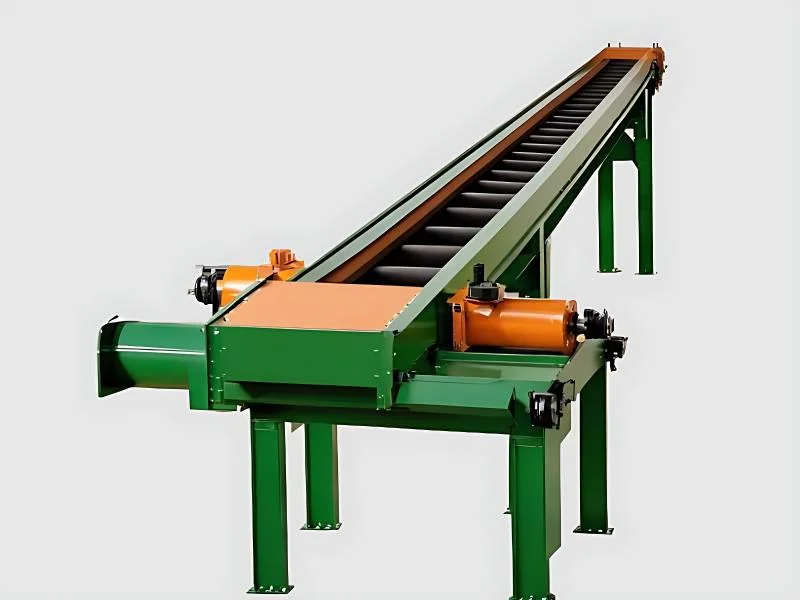

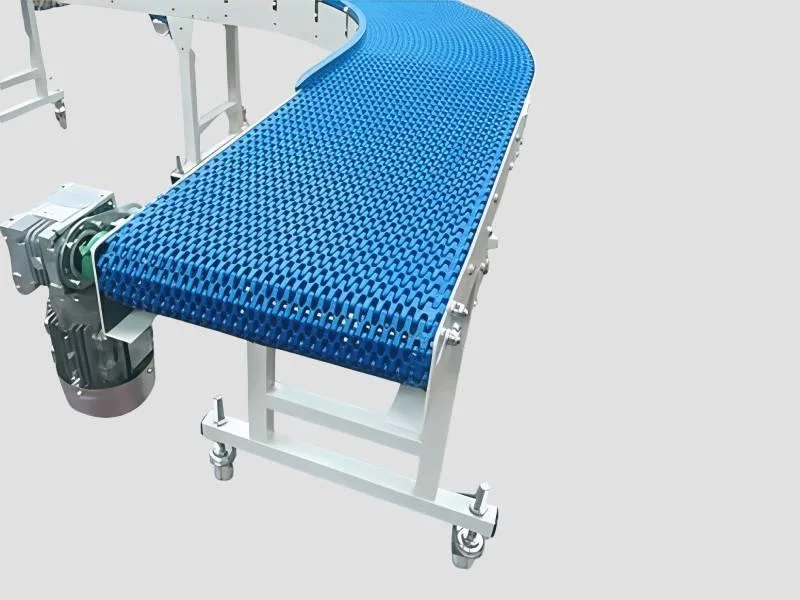
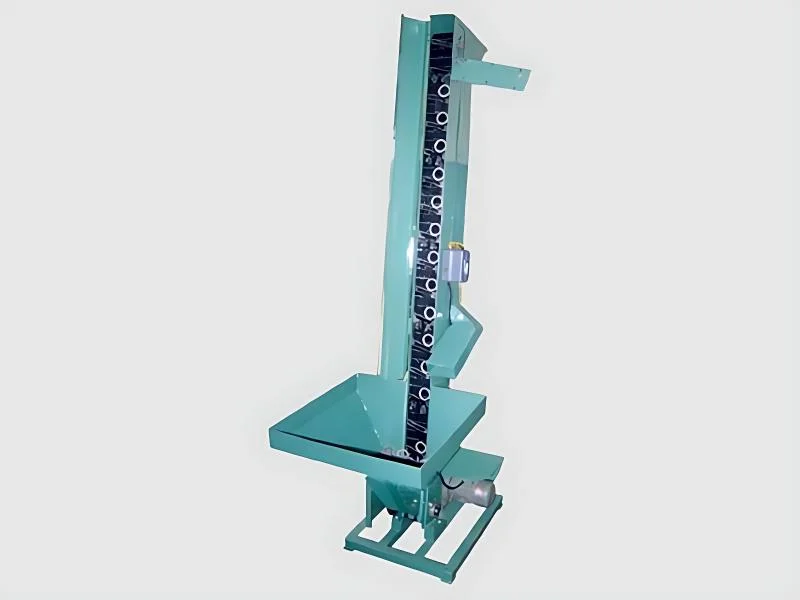
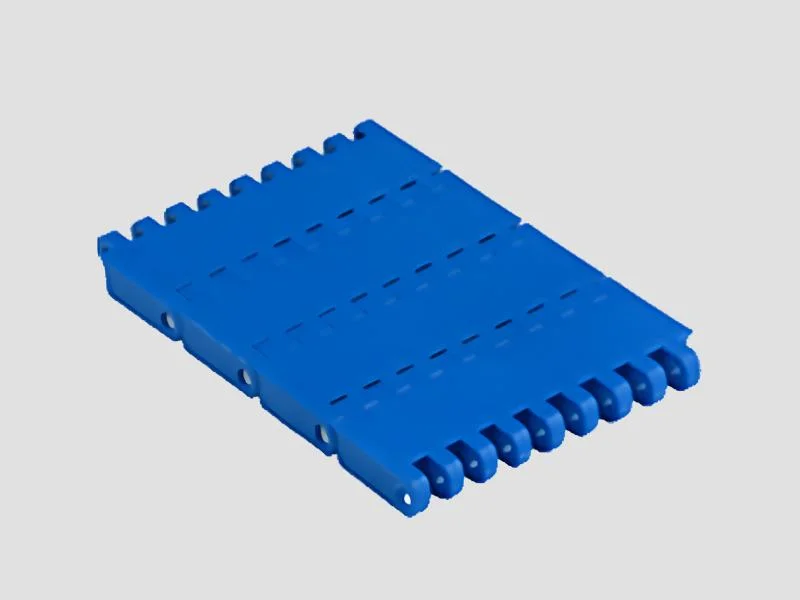
Description
Industrial rollers represent critical components in material handling infrastructure, designed to facilitate smooth and efficient movement of goods throughout industrial operations...
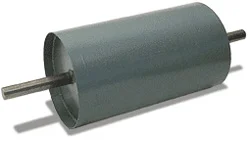
Industrial rollers represent critical components in material handling infrastructure, designed to facilitate smooth and efficient movement of goods throughout industrial operations. These precision-engineered rollers reduce operational friction while supporting significant loads across conveyor systems and automated machinery. Manufactured to exacting standards, they deliver consistent performance in demanding environments where reliability directly impacts productivity. Their durable construction ensures long service life while maintaining operational efficiency across continuous use cycles in various industrial settings.

These industrial rollers serve essential functions across multiple sectors including manufacturing, logistics, packaging, and processing industries. In manufacturing environments, they enable seamless product movement through assembly lines and between workstations. Logistics and distribution centers utilize them in sorting systems and automated handling equipment to manage inventory flow. Packaging operations depend on them for transporting containers and finished goods, while processing industries integrate them into production lines where consistent material movement is crucial. Their versatility extends to specialized applications in food processing, pharmaceuticals, and automotive manufacturing where specific requirements must be met.

The business value of these industrial rollers lies in their ability to enhance operational efficiency while reducing maintenance requirements and downtime. Their reliable performance minimizes production interruptions and supports consistent throughput in material handling systems. The durable construction translates to lower replacement costs and reduced total cost of ownership over time. By ensuring smooth material flow and reducing operational friction, these rollers contribute directly to productivity improvements and operational cost savings. Their compatibility with various systems and machinery makes them a practical investment for businesses seeking to optimize their material handling processes.

Key Features:
- Heavy-duty construction for long-lasting performance in demanding conditions
- Precision engineering ensuring smooth rotation and reduced vibration
- High load capacity supporting substantial weight requirements
- Corrosion-resistant materials suitable for various industrial environments
- Standard dimensions compatible with most conveyor system designs

Benefits:
- Enhanced operational efficiency through reduced friction and smooth material flow
- Lower maintenance requirements due to durable construction and reliable performance
- Reduced operational costs through extended service life and minimal downtime
- Improved workplace safety with consistent and predictable material movement
- Versatile application across multiple industries and material handling scenarios
Specifications
| Additional Information | |
|---|---|
| Country of Origin | India |
| Customisable | No |
Application
Industrial rollers enable efficient material movement in demanding environments, reducing friction while supporting substantial loads in conveyor systems and automated machinery. Their robust construction ensures consistent performance across manufacturing facilities, distribution centers, and packaging operations where reliability is paramount. These components maintain operational flow in high-volume settings while withstanding continuous use in various industrial configurations.

Engineered for diverse industrial requirements, these rollers provide stable material transport in assembly lines, sorting systems, and processing equipment. They accommodate different load capacities and operational speeds while maintaining precision in material positioning and transfer. Their adaptability makes them suitable for integration with existing machinery and new system installations across multiple industry sectors.
- Conveyor systems in automotive manufacturing plants moving components between assembly stations
- Food processing facilities transporting packaged goods through production and packaging lines
- E-commerce fulfillment centers sorting and routing packages through automated systems
- Pharmaceutical manufacturing moving products through clean room environments
- Airport baggage handling systems reliably transferring luggage between check-in and aircraft
Trade Details
| Available Stock | In stock |
| Sample Availability | No |
Payment Terms
| Payment Terms |
|
Company Profile
Bhavesh Engineering, Gujarat
 Gujarat, India
Gujarat, IndiaTools & Hardware•Manufacturer
Factory Details
Factory SizeBelow 1000 sqm
Annual Production Capacity0
Industrial Rollers For Material Handling Conveyor Systems Durable
Industrial rollers for material handling conveyor systems deliver durable performance in manufacturing, packaging, and logistics applications with reliable load-bearing capacity and smooth operation.
Min. Order Quantity: 1 units
Shipping
Shipping fee and delivery date to be negotiated. Contact supplier now for more details.
Bhavesh Engineering Gujarat, India
Gujarat, IndiaTools & HardwareManufacturer


