IN
IN₹
Apparel & Fashion
Description
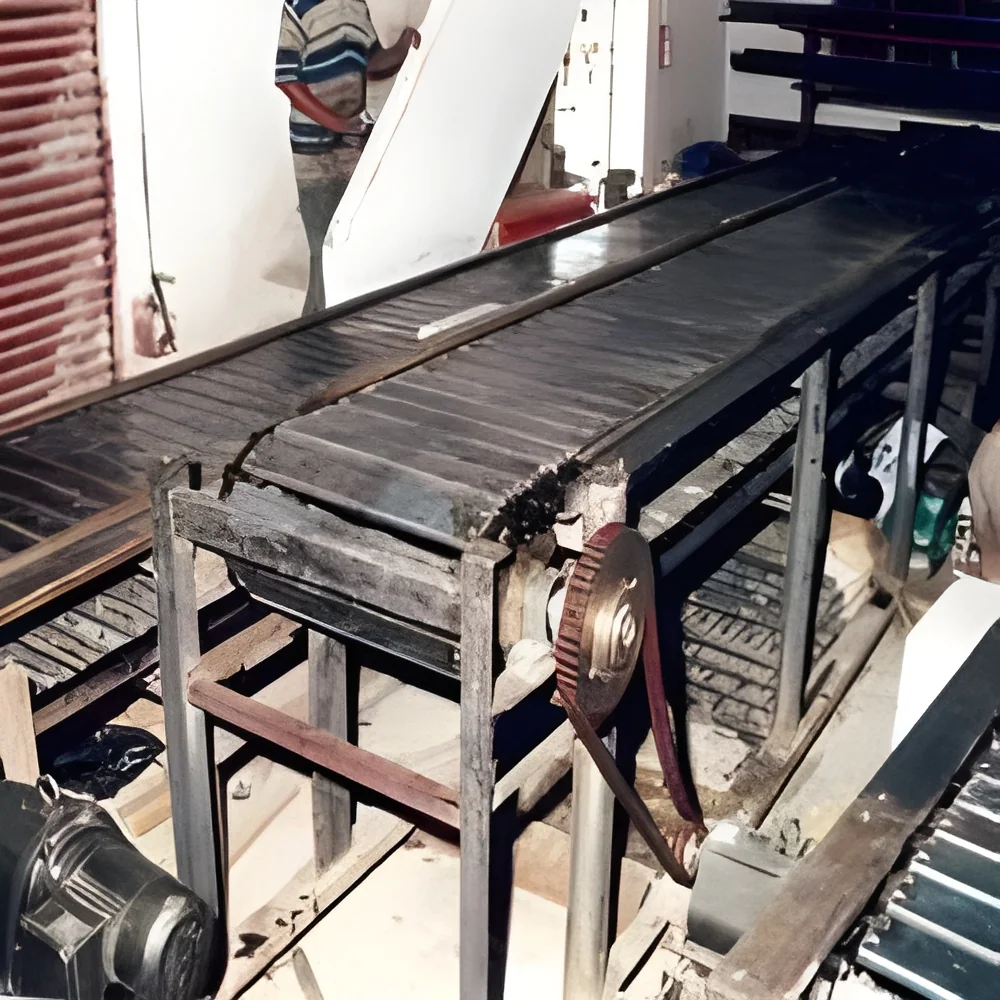
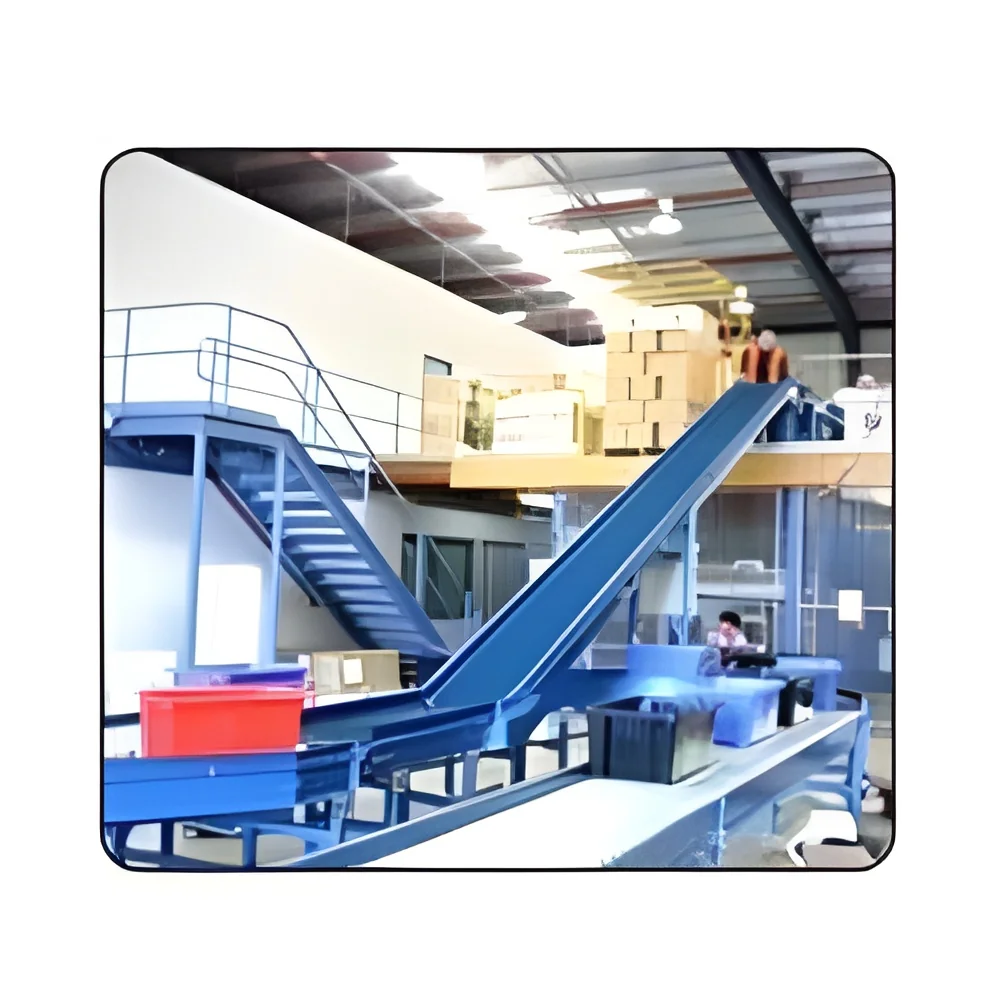
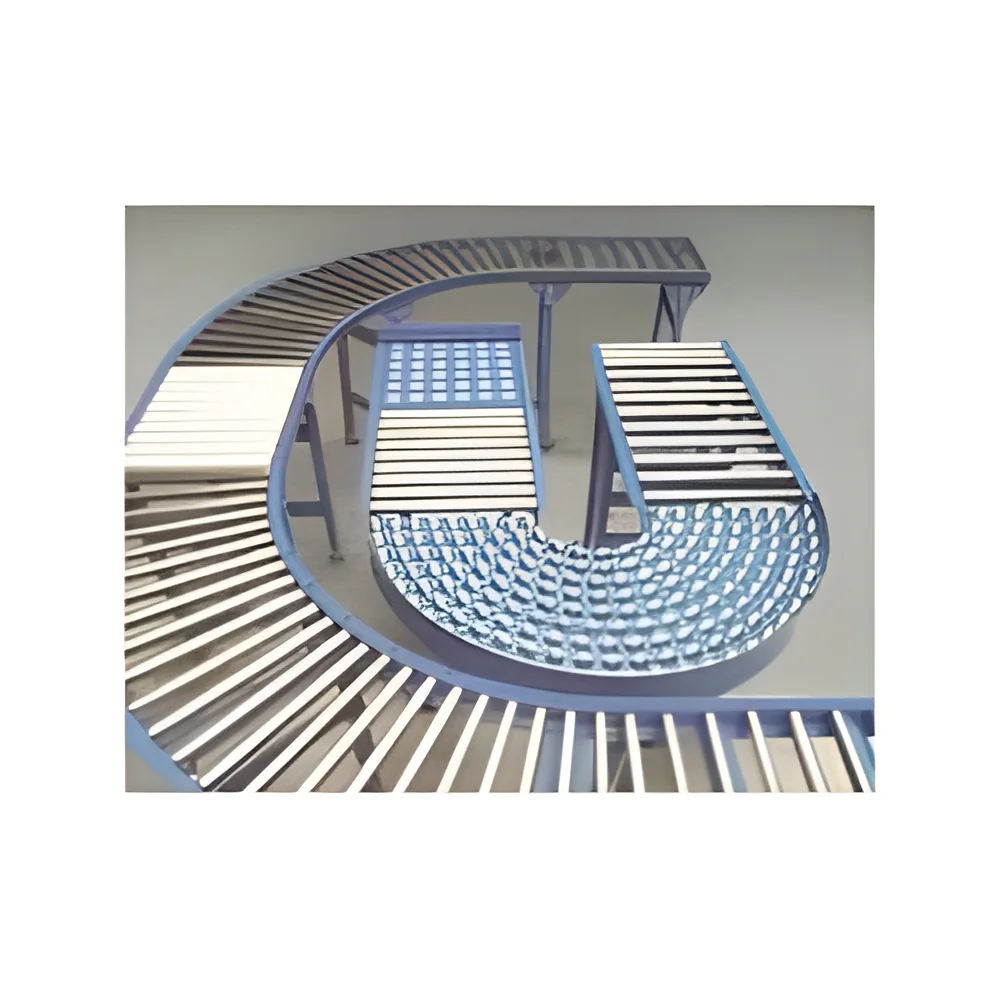
Heavy-duty roller conveyors represent a fundamental advancement in industrial material handling, specifically designed to transport discrete, heavy items with unmatched reliability. Unlike conventional belt conveyors, these systems are built with reinforced rollers and sturdy frames to withstand the constant stress of pallets, large boxes, and dense industrial loads. Their primary function is to provide a continuous, low-friction path for goods, enabling efficient movement through various stages of warehousing, manufacturing, and distribution. Available in both powered and gravity-fed models, they offer a versatile solution that can be tailored to specific flow requirements, ensuring goods move smoothly from point A to point B with minimal manual intervention and maximum operational uptime.

Industries with intensive material flow demands rely on these conveyors as critical infrastructure. In warehousing and logistics, they form the backbone of sortation systems, distribution channels,...
Heavy-duty roller conveyors represent a fundamental advancement in industrial material handling, specifically designed to transport discrete, heavy items with unmatched reliability. Unlike conventional belt conveyors, these systems are built with reinforced rollers and sturdy frames to withstand the constant stress of pallets, large boxes, and dense industrial loads. Their primary function is to provide a continuous, low-friction path for goods, enabling efficient movement through various stages of warehousing, manufacturing, and distribution. Available in both powered and gravity-fed models, they offer a versatile solution that can be tailored to specific flow requirements, ensuring goods move smoothly from point A to point B with minimal manual intervention and maximum operational uptime.

Industries with intensive material flow demands rely on these conveyors as critical infrastructure. In warehousing and logistics, they form the backbone of sortation systems, distribution channels, and loading docks, handling everything from bulk shipments to individual orders. Manufacturing sectors integrate them directly into production lines to move components between workstations and to transport finished goods to packaging or shipping areas. Facilities in automotive, aerospace, metal fabrication, and heavy machinery manufacturing depend on their capacity to move substantial, often awkwardly shaped loads that would challenge or damage less robust systems. Their implementation directly translates to streamlined processes, reduced congestion, and scalable operations.

The investment in a heavy-duty roller conveyor system delivers tangible business value through enhanced operational efficiency and long-term cost savings. Their superior construction and durability lead to a significantly longer service life and lower lifetime maintenance costs compared to lighter alternatives. By automating the movement of heavy loads, businesses drastically reduce labor costs, minimize workplace injuries associated with manual handling, and increase overall throughput. The reliability of these systems minimizes unplanned downtime, ensuring consistent material flow that keeps production schedules and shipping timelines on track. This combination of durability, efficiency, and reliability provides a strong return on investment, making them an indispensable asset for businesses aiming to optimize their material handling capabilities and maintain a competitive edge.

Key Features:
- Heavy-duty construction with reinforced rollers and frames for superior load capacity and extended lifespan.
- Engineered to reliably transport heavy pallets, industrial boxes, and dense loads without system strain.
- Available in both powered (motor-driven) and gravity-driven configurations for layout flexibility.
- Designed for seamless integration into existing warehouse, manufacturing, and logistics floor plans.
- Robust build quality ensures consistent performance in demanding, high-use industrial environments.

Benefits:
- Increases operational throughput and efficiency by automating the movement of heavy materials.
- Reduces labor costs and manual handling risks by minimizing the need for physical transport.
- Lowers long-term operational costs through durable construction that reduces maintenance and replacement frequency.
- Enhances workflow reliability by providing a consistent, uninterrupted path for material transport.
- Protects product integrity by offering a stable, smooth transport surface that minimizes load shifting and damage.
Specifications
| Additional Information | |
|---|---|
| Country of Origin | India |
Application
Heavy-duty roller conveyors are engineered for demanding material handling where strength and continuous operation are non-negotiable. They excel in moving discrete, heavy items like pallets, corrugated boxes, and industrial components across facilities. Their robust construction outperforms standard belt systems, ensuring reliable transport without damage to products or the conveyor itself, making them a cornerstone for efficient logistics and production workflows.
These systems offer critical adaptability with both powered and gravity-driven configurations to suit specific operational layouts. This flexibility allows seamless integration into existing warehouse racking, assembly lines, and distribution centers. By automating the movement of substantial loads, they significantly reduce manual handling, minimize product damage, and maintain a smooth, uninterrupted flow of materials in high-volume environments.
- Palletized goods movement in warehouse distribution centers and cross-docking facilities.
- Assembly line integration for transporting components and finished products in manufacturing plants.
- Loading and unloading operations for trucks and containers in logistics and freight terminals.
- Handling heavy raw materials and work-in-progress items in automotive and industrial manufacturing.
- Order consolidation and sortation systems in large-scale fulfillment and distribution operations.
Trade Details
| Available Stock | In Stock |
| Sample Availability | No |
Payment Terms
| Payment Terms |
|
Company Profile
Jay Engineering Company, Maharashtra
 Maharashtra, India
Maharashtra, IndiaConstruction•Manufacturer•Distributor / Wholesaler
Factory Details
Factory SizeBelow 1000 sqm
Annual Production Capacity0
Main Markets
South Asia
Heavy Duty Roller Conveyors For Warehousing And Manufacturing
Heavy-duty roller conveyors for warehousing and manufacturing provide robust material handling for pallets, boxes, and heavy loads. Built stronger than belt conveyors for reliable, long-lasting transport in demanding industrial environments.
Min. Order Quantity: 1 unit
Shipping
Shipping fee and delivery date to be negotiated. Contact supplier now for more details.
Jay Engineering Company
 Maharashtra, India
Maharashtra, IndiaConstructionManufacturer