IN
IN₹
Description
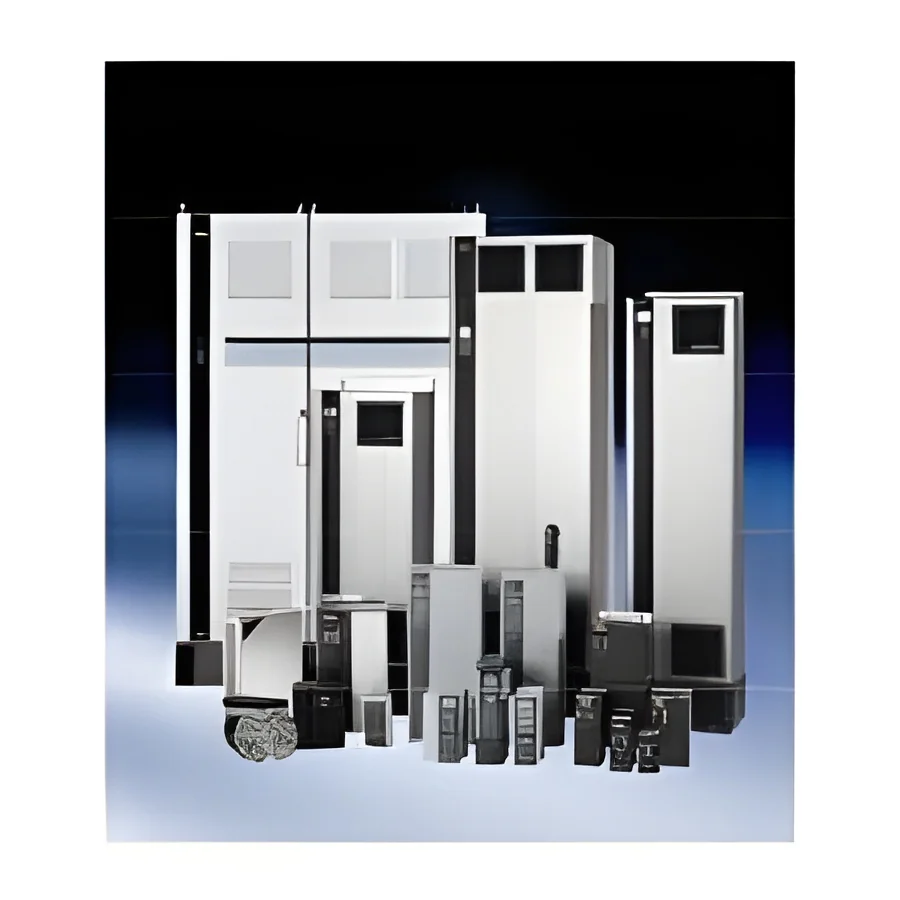
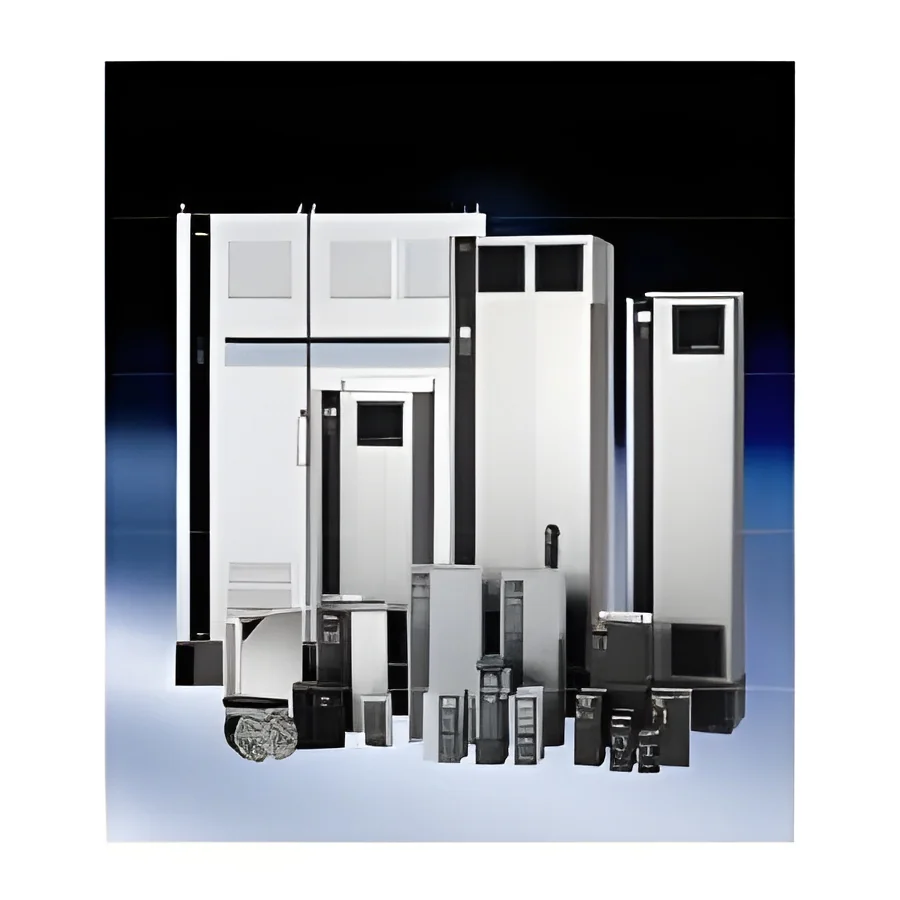
Industrial Variable Frequency Drives (VFDs) are sophisticated power conversion devices that control the speed and torque of alternating current (AC) electric motors. They achieve this by varying the frequency and voltage supplied to the motor, allowing its rotational speed to be precisely matched to the specific demands of the application. This capability transforms fixed-speed motors into highly efficient, variable-speed assets. Beyond simple speed adjustment, modern VFDs offer advanced features like programmable acceleration/deceleration ramps, multiple control modes, and comprehensive diagnostic monitoring. This precise control is the foundation for achieving substantial energy savings, enhancing process accuracy, and prolonging the operational life of both the motor and the driven equipment. Their robust construction is engineered to withstand the electrical noise, vibration, and temperature fluctuations common in industrial settings, ensuring dependable performance day after day.
...
Industrial Variable Frequency Drives (VFDs) are sophisticated power conversion devices that control the speed and torque of alternating current (AC) electric motors. They achieve this by varying the frequency and voltage supplied to the motor, allowing its rotational speed to be precisely matched to the specific demands of the application. This capability transforms fixed-speed motors into highly efficient, variable-speed assets. Beyond simple speed adjustment, modern VFDs offer advanced features like programmable acceleration/deceleration ramps, multiple control modes, and comprehensive diagnostic monitoring. This precise control is the foundation for achieving substantial energy savings, enhancing process accuracy, and prolonging the operational life of both the motor and the driven equipment. Their robust construction is engineered to withstand the electrical noise, vibration, and temperature fluctuations common in industrial settings, ensuring dependable performance day after day.

These drives are indispensable across a vast spectrum of industries. In manufacturing and processing plants, they are the workhorses behind conveyor systems, mixers, extruders, and machine tools, enabling precise production speeds. The water and wastewater sector relies on them to control pump stations, optimizing flow for irrigation, drainage, and treatment processes while preventing pipeline hammer. For commercial and industrial HVAC, VFDs on fans, pumps, and compressors are key to achieving optimal climate control and meeting green building standards. Within material handling and logistics, they ensure smooth operation of cranes, hoists, and automated storage systems. Their versatility also makes them essential in sectors like mining for crusher control, in oil and gas for pipeline pumping, and in food and beverage for processing line consistency, demonstrating their role as a universal tool for industrial efficiency.

The business value proposition of integrating these drives is clear and compelling, centered on operational cost reduction and enhanced reliability. The primary financial benefit comes from dramatic energy savings, as motors no longer need to run at full speed regardless of load; instead, they consume only the power necessary for the task, often cutting electricity use by 20-50% on variable-torque applications like pumps and fans. This translates to a rapid return on investment. Furthermore, by eliminating harsh mechanical starts and allowing soft acceleration, VFDs drastically reduce wear on motor windings, bearings, belts, and couplings, leading to lower maintenance costs and fewer production interruptions. Their built-in protective features guard against electrical faults, overheating, and phase loss, safeguarding expensive downstream equipment. This combination of energy efficiency, equipment protection, and process control delivers a powerful competitive advantage through lower operating expenses, increased production uptime, and improved product quality, making them a strategic investment for any operation focused on sustainability and profitability.

Key Features:
- Precise speed and torque control via adjustable frequency and voltage output for optimal motor performance.
- Advanced energy-saving algorithms that automatically minimize power consumption based on real-time load demands.
- Comprehensive integrated protection against overloads, short circuits, phase loss, and over/under voltage conditions.
- User-friendly interface with programmable parameters for acceleration, deceleration, and multiple preset speeds.
- Rugged industrial design with high noise immunity and wide operating temperature range for harsh environments.

Benefits:
- Significant reduction in electricity costs by matching motor speed to actual process requirements, eliminating energy waste.
- Extended lifespan of motors, pumps, fans, and driven equipment through soft-start functionality and reduced mechanical stress.
- Improved process control and product consistency with precise, repeatable speed adjustments for manufacturing and handling.
- Lower maintenance and downtime expenses due to fewer mechanical failures and proactive fault diagnostics.
- Enhanced system flexibility and adaptability to changing production needs without requiring motor or equipment changes.
Specifications
| Additional Information | |
|---|---|
| Country of Origin | India |
Application
Industrial variable frequency drives deliver precise motor speed and torque control, allowing machinery to operate exactly as needed for each process. This precise adjustment prevents energy waste by eliminating constant full-speed operation, directly reducing electricity consumption and lowering operational costs across facilities. Their application extends to virtually any motor-driven system where speed variation improves efficiency or process quality.
These drives are fundamental in industries managing fluid flow, air movement, and material handling. By enabling smooth acceleration and deceleration, they reduce mechanical stress on motors, belts, and gears, significantly extending equipment lifespan and minimizing unplanned downtime. This reliability makes them a critical component for maintaining consistent production output and protecting capital investments in heavy machinery.
- Regulating centrifugal pump speeds in municipal water supply and wastewater treatment plants to maintain consistent pressure and flow rates.
- Controlling fan motor speeds in large commercial building HVAC systems to dynamically adjust airflow based on occupancy and temperature.
- Adjusting conveyor belt speeds in automotive assembly lines and packaging facilities for synchronized material transport.
- Managing compressor output in industrial refrigeration and compressed air systems to precisely match cooling or air demand.
- Optimizing spindle and feed drives in CNC machining centers for improved surface finish, accuracy, and tool life.
Trade Details
| Available Stock | In Stock |
| Sample Availability | No |
Payment Terms
| Payment Terms |
|
Company Profile
Active Automation Systems, Gujarat
 Gujarat, India
Gujarat, IndiaServices & Support•Manufacturer•Distributor / Wholesaler•Importer / Exporter
Factory Details
Factory Size1000-5000 sqm
Annual Production Capacity0
Main Markets
North America
Oceania
Northern Europe
South America
Mid East
Southern Europe
Eastern Europe
Eastern Asia
South Asia
Southeast Asia
Western Europe
Africa
Central America
Domestic
Industrial Variable Frequency Drives For Motor Speed Control & Energy Savings
Industrial Variable Frequency Drives for precise motor speed control and energy savings. These reliable drives optimize performance for pumps, fans, and conveyors across manufacturing, HVAC, and water treatment applications.
Min. Order Quantity: 1 unit
Shipping
Shipping fee and delivery date to be negotiated. Contact supplier now for more details.
Active Automation Systems
 Gujarat, India
Gujarat, IndiaServices & SupportManufacturer