IN
IN₹
Apparel & Fashion
Description
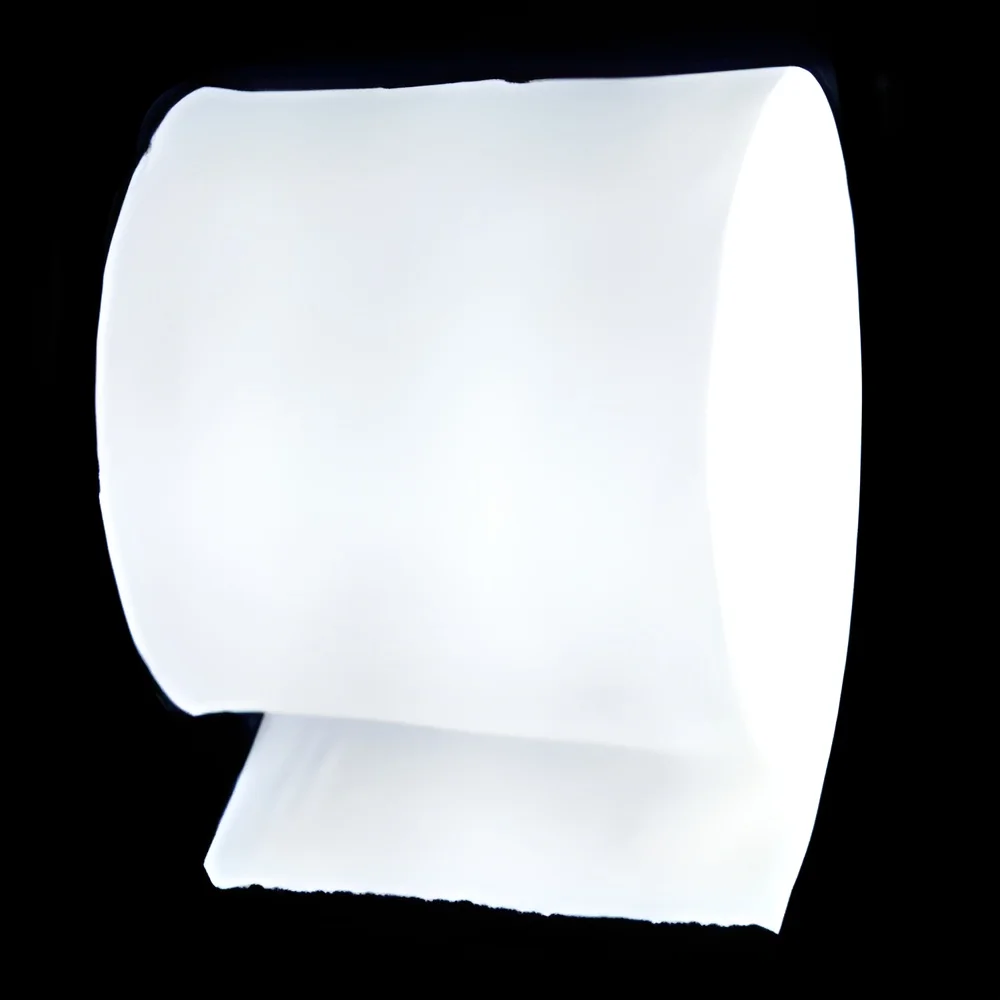
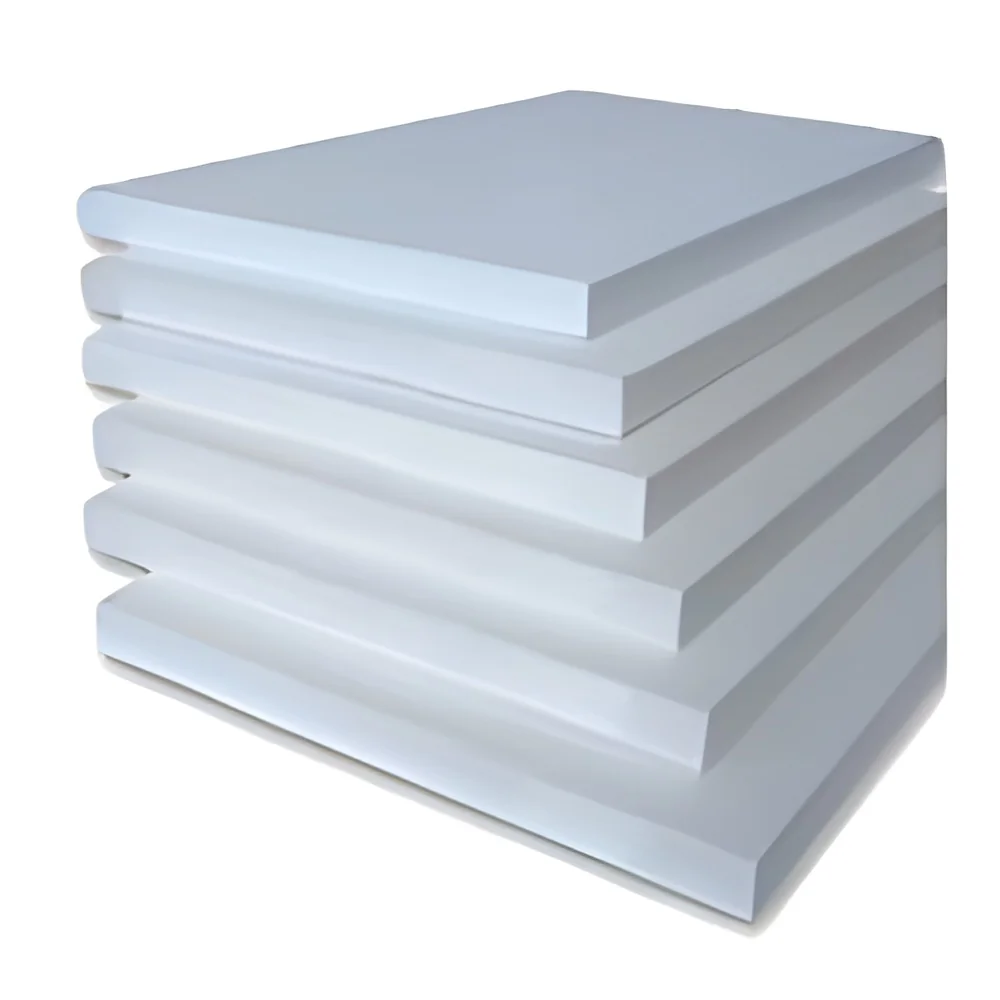
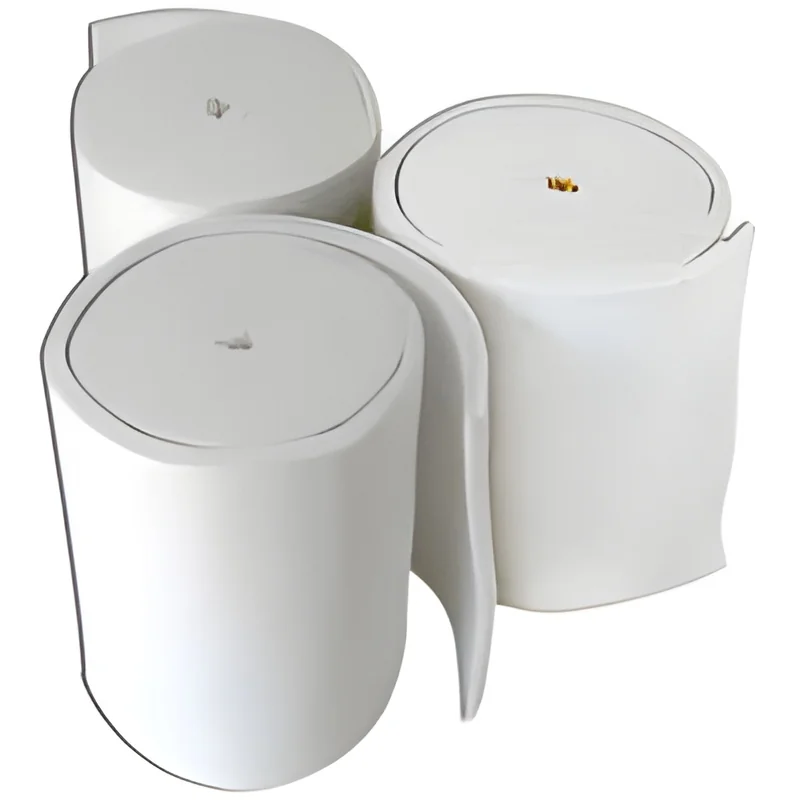
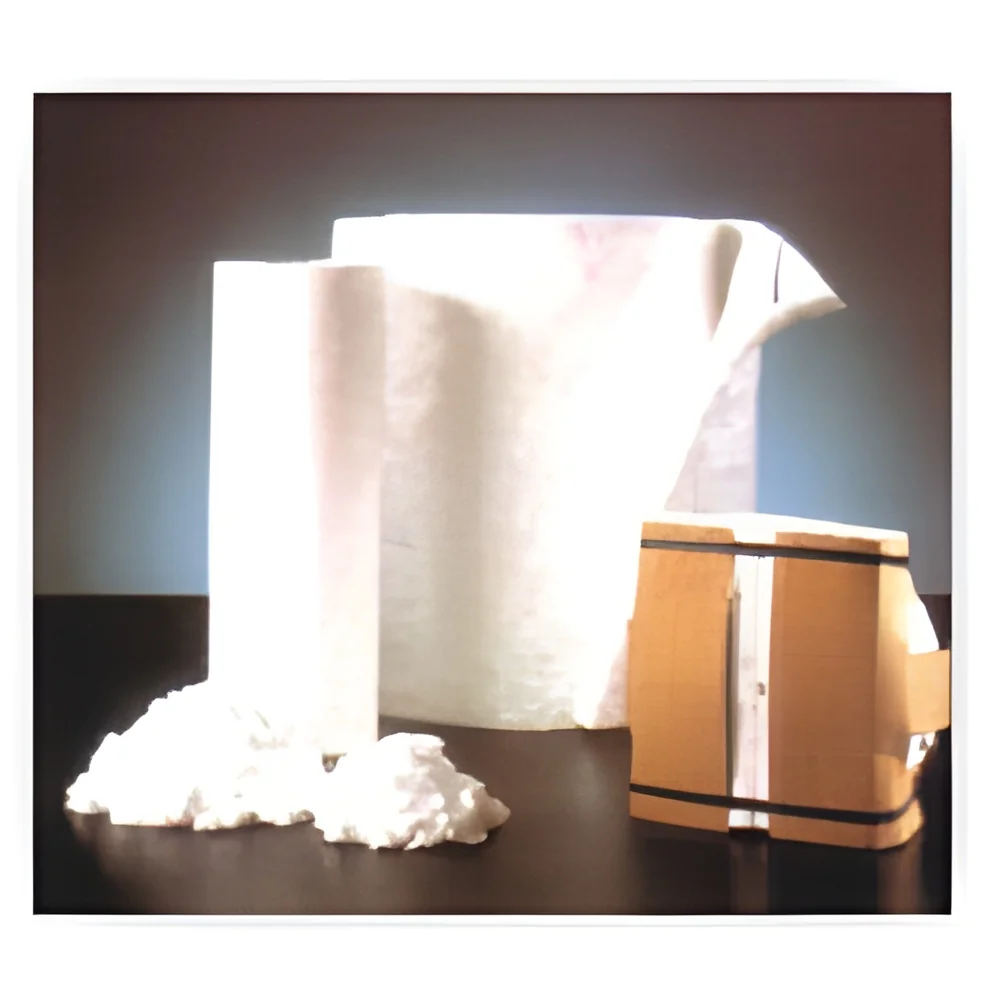
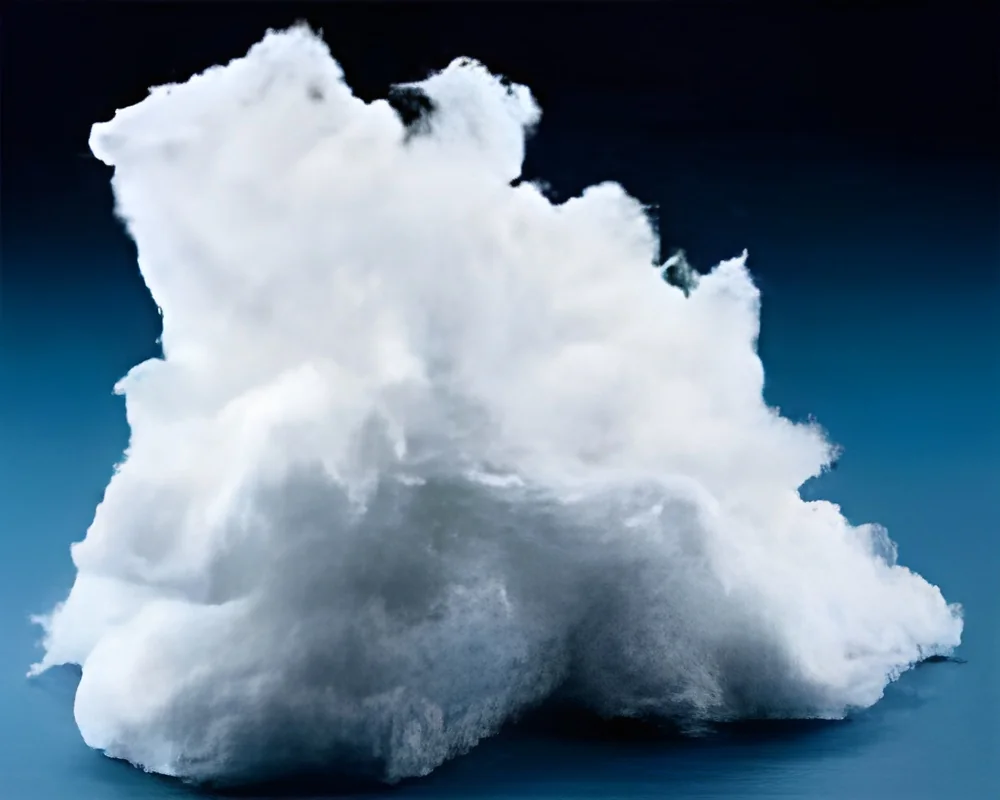
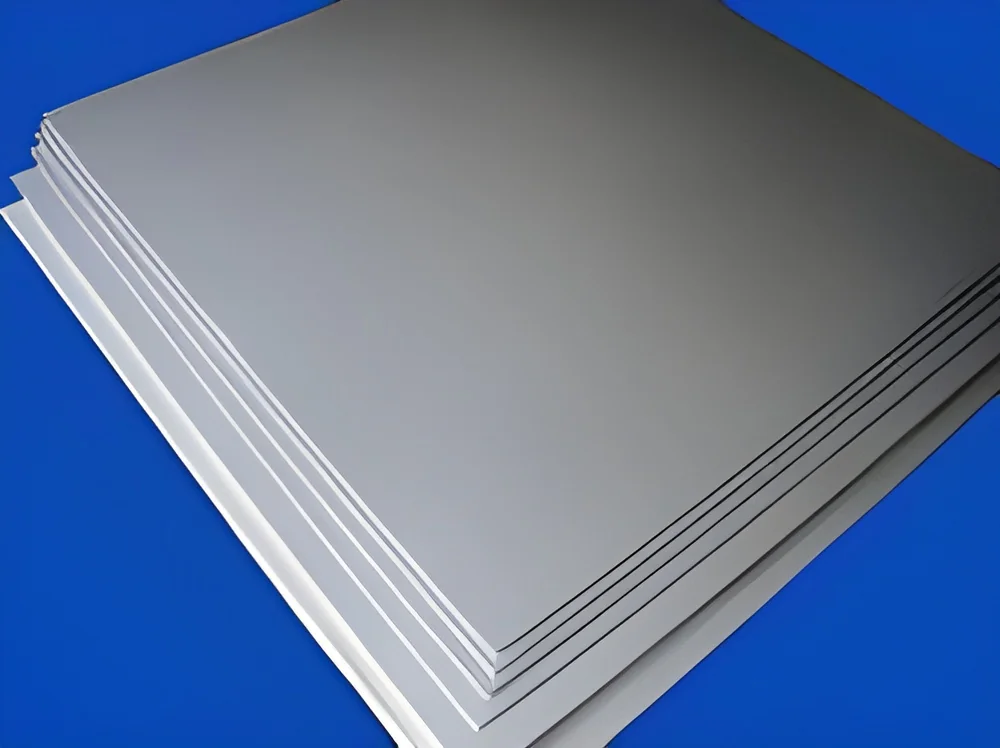
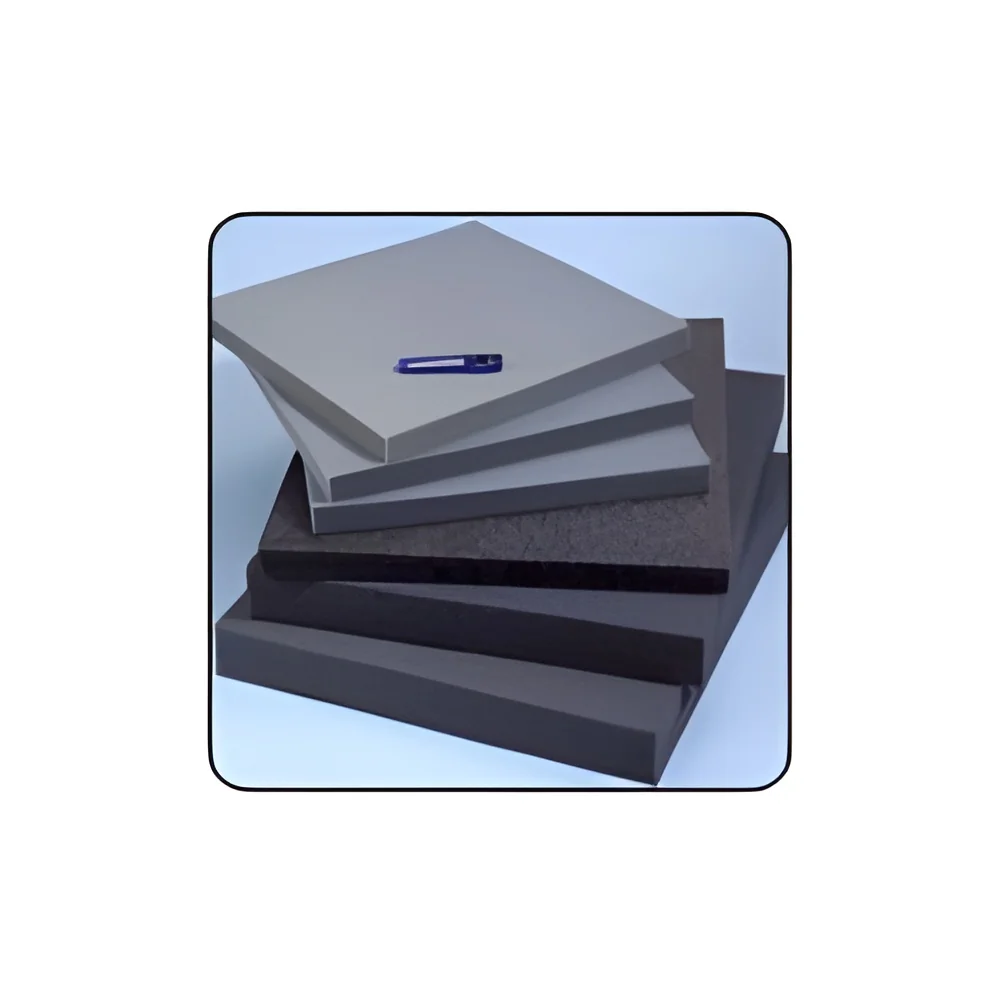
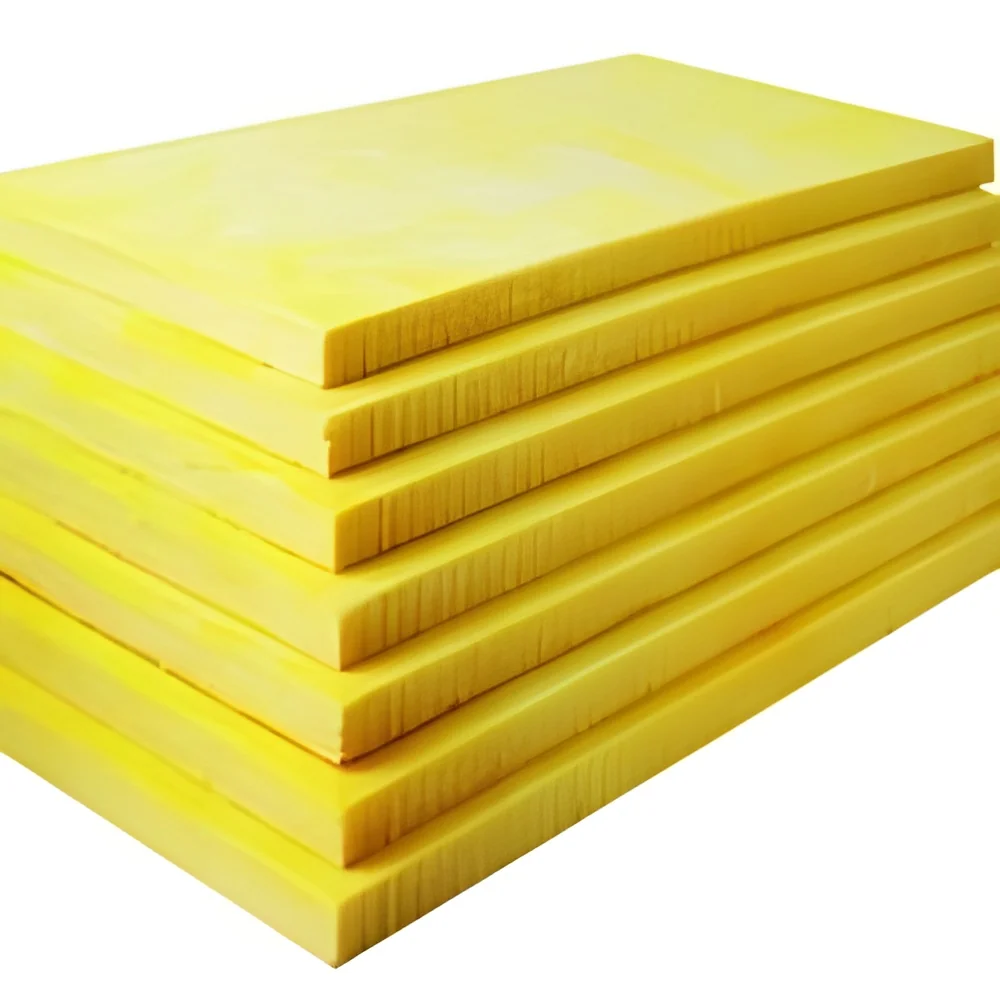
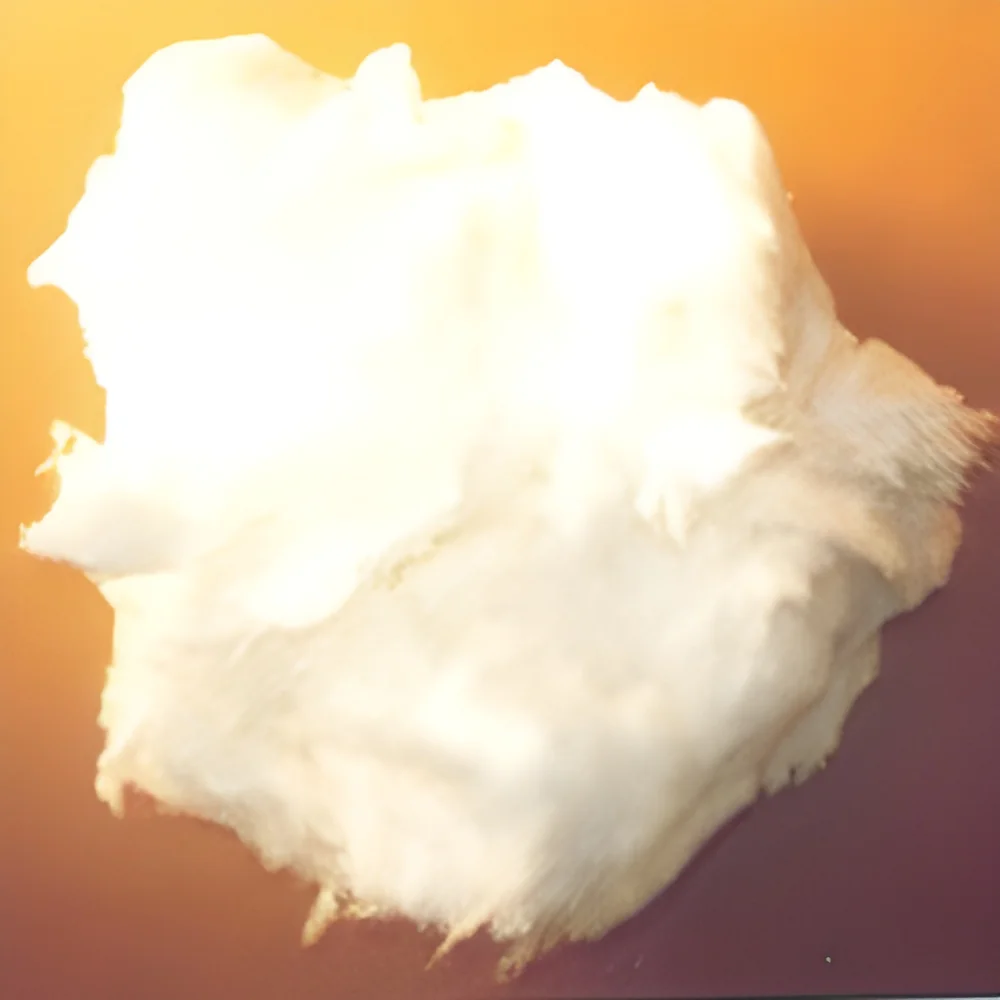
Industrial High Temperature Ceramic Bulk Fibres Insulation represents a premium refractory solution engineered for extreme thermal environments. These specialized fibres demonstrate outstanding thermal stability, effectively resisting devitrification and maintaining structural integrity at sustained temperatures ranging from 1260°C to 1425°C. Their advanced composition ensures reliable performance where conventional insulation materials would degrade, providing superior protection for critical industrial equipment. The material combines low thermal conductivity with exceptional thermal shock resistance, creating an efficient barrier that minimizes heat transfer while withstanding rapid temperature fluctuations common in industrial processes.

Multiple heavy industries depend on ceramic bulk fibres for essential high-temperature applications. Metal processing facilities utilize these fibres for furnace linings, ladle covers, and thermal barriers in smelting and heat treatment operations...
Industrial High Temperature Ceramic Bulk Fibres Insulation represents a premium refractory solution engineered for extreme thermal environments. These specialized fibres demonstrate outstanding thermal stability, effectively resisting devitrification and maintaining structural integrity at sustained temperatures ranging from 1260°C to 1425°C. Their advanced composition ensures reliable performance where conventional insulation materials would degrade, providing superior protection for critical industrial equipment. The material combines low thermal conductivity with exceptional thermal shock resistance, creating an efficient barrier that minimizes heat transfer while withstanding rapid temperature fluctuations common in industrial processes.

Multiple heavy industries depend on ceramic bulk fibres for essential high-temperature applications. Metal processing facilities utilize these fibres for furnace linings, ladle covers, and thermal barriers in smelting and heat treatment operations. Glass manufacturing plants incorporate them into tank furnace constructions, forehearths, and lehr insulation to maintain precise temperature control. Ceramic production operations rely on these fibres for kiln car tops, burner blocks, and door seals. The chemical processing industry values their excellent chemical stability for insulating reactors and vessels exposed to corrosive environments, while power generation facilities implement them for boiler insulation and exhaust system protection.

The business value of ceramic bulk fibres lies in their proven reliability and significant operational advantages. These materials deliver substantial energy savings through superior insulation properties, reducing heat loss and lowering fuel consumption across industrial processes. Their exceptional thermal shock resistance minimizes maintenance requirements and prevents premature equipment failure, extending operational lifespan and reducing replacement costs. The fibres' consistent quality ensures predictable performance in critical applications, enhancing process stability and product quality. This reliability translates to reduced downtime, improved safety compliance, and lower total cost of ownership, providing long-term value through enhanced efficiency and operational continuity.

Key Features:
- Superior thermal stability resisting devitrification at continuous temperatures up to 1425°C
- Low thermal conductivity ensuring maximum heat retention and energy efficiency
- Exceptional thermal shock resistance maintaining integrity during rapid temperature changes
- Excellent chemical stability resisting corrosion in harsh industrial environments
- High resiliency with good sound absorption properties for comprehensive protection

Benefits:
- Significant energy savings through reduced heat loss and improved thermal efficiency
- Extended equipment lifespan with minimized maintenance requirements and downtime
- Enhanced process consistency and product quality through stable thermal management
- Improved operational safety with reliable high-temperature protection
- Reduced total cost of ownership through long-lasting performance and durability
Specifications
| Additional Information | |
|---|---|
| Country of Origin | India |
Application
Ceramic bulk fibres deliver critical high-temperature insulation for industrial processes requiring consistent thermal management. Their exceptional stability and resistance to devitrification make them ideal for lining furnaces, kilns, and reactors where maintaining structural integrity under extreme heat is essential. These fibres ensure reliable performance in continuous operations, protecting equipment while optimizing thermal efficiency across demanding manufacturing environments.
These insulation materials are extensively used in metal processing, glass manufacturing, ceramic production, and chemical processing facilities. Their low thermal conductivity reduces heat loss significantly, leading to substantial energy savings and lower operational costs. The excellent thermal shock resistance prevents cracking and degradation during rapid temperature changes, extending equipment lifespan and minimizing maintenance downtime while ensuring process consistency and operational safety.
- Furnace and kiln insulation linings for metal smelting, forging, and heat treatment operations
- High-temperature gaskets, seals, and expansion joints in industrial processing equipment
- Thermal barrier systems within glass manufacturing furnaces and ceramic production kilns
- Insulation for chemical reactors, vessels, and piping in processing plants
- Backup insulation for boilers, incinerators, and thermal power generation systems
Trade Details
| Available Stock | In Stock |
| Sample Availability | No |
Payment Terms
| Payment Terms |
|
Company Profile
Manal Enter Prises, Karnataka
 Karnataka, India
Karnataka, IndiaRaw Materials & Chemicals•Trading Company•Distributor / Wholesaler•Importer / Exporter
Factory Details
Factory SizeBelow 1000 sqm
Annual Production Capacity0
Industrial High Temperature Ceramic Bulk Fibres Insulation
Industrial High Temperature Ceramic Bulk Fibres Insulation provides superior thermal stability up to 1425°C, low thermal conductivity, and excellent chemical resistance for demanding industrial furnace, kiln, and reactor applications.
Min. Order Quantity: 1 unit
Shipping
Shipping fee and delivery date to be negotiated. Contact supplier now for more details.
Manal Enter Prises
 Karnataka, India
Karnataka, IndiaRaw Materials & ChemicalsTrading Company