IN
IN₹
Apparel & Fashion
Description
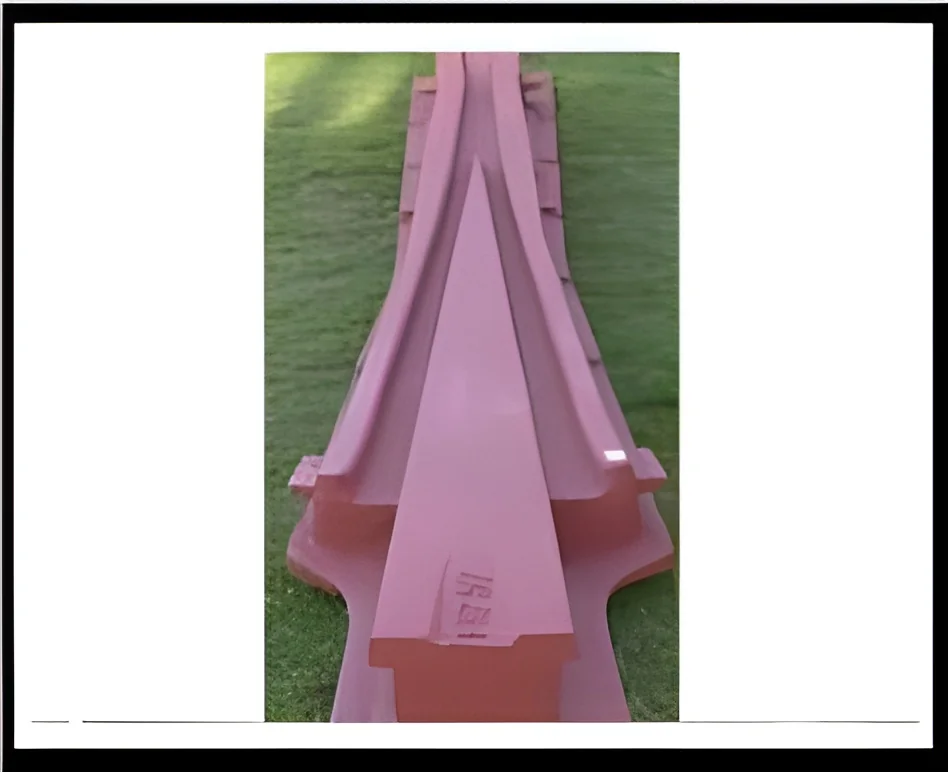
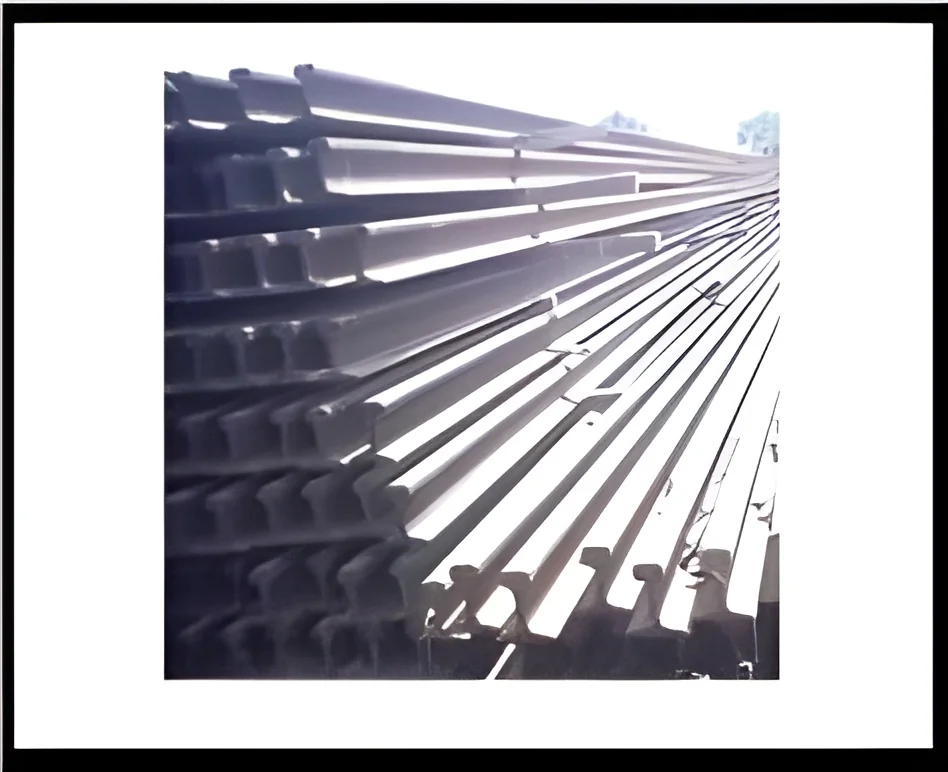
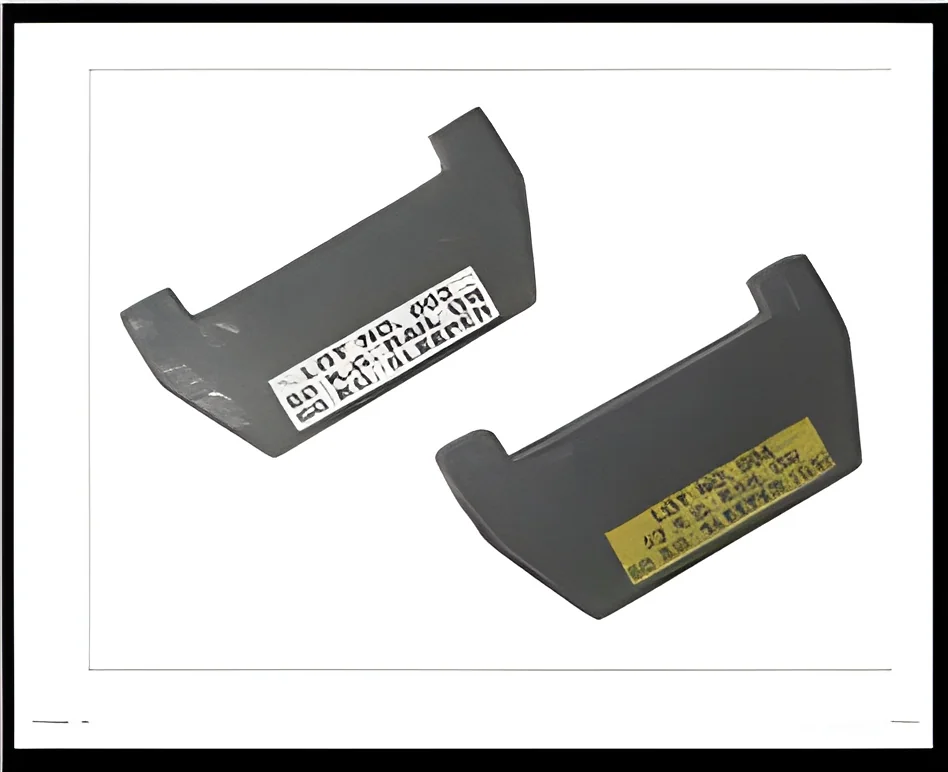
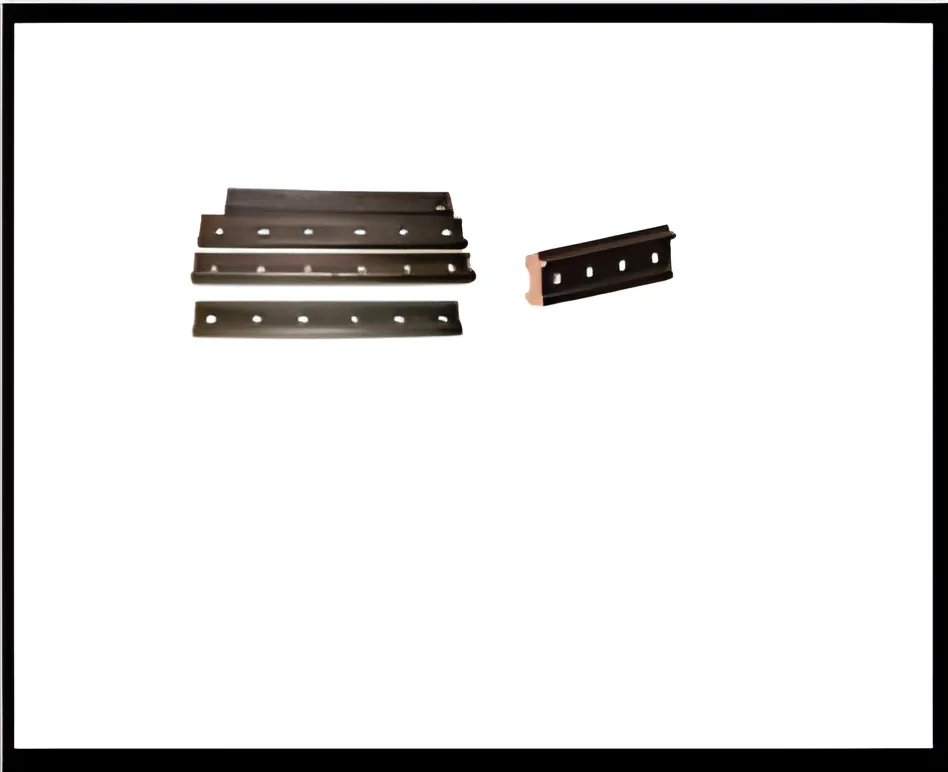
Railway fish plates represent essential steel connectors designed to join two rail ends securely, ensuring continuous and stable track alignment throughout railway networks. Manufactured from high-grade steel alloys, these components undergo comprehensive quality verification processes to meet international standards for mechanical strength and operational durability. They are engineered to withstand immense pressure, constant vibration, and dynamic loads generated by passing trains, delivering reliable performance for maintaining track continuity and safety protocols. The precision manufacturing ensures optimal fitment with various rail profiles, significantly reducing the risk of rail fractures and extending the overall service life of railway infrastructure systems. These plates are available in multiple standard sizes and technical specifications to accommodate different rail profiles and operational demands across global railway networks.

These critical components find extensive ...
Railway fish plates represent essential steel connectors designed to join two rail ends securely, ensuring continuous and stable track alignment throughout railway networks. Manufactured from high-grade steel alloys, these components undergo comprehensive quality verification processes to meet international standards for mechanical strength and operational durability. They are engineered to withstand immense pressure, constant vibration, and dynamic loads generated by passing trains, delivering reliable performance for maintaining track continuity and safety protocols. The precision manufacturing ensures optimal fitment with various rail profiles, significantly reducing the risk of rail fractures and extending the overall service life of railway infrastructure systems. These plates are available in multiple standard sizes and technical specifications to accommodate different rail profiles and operational demands across global railway networks.

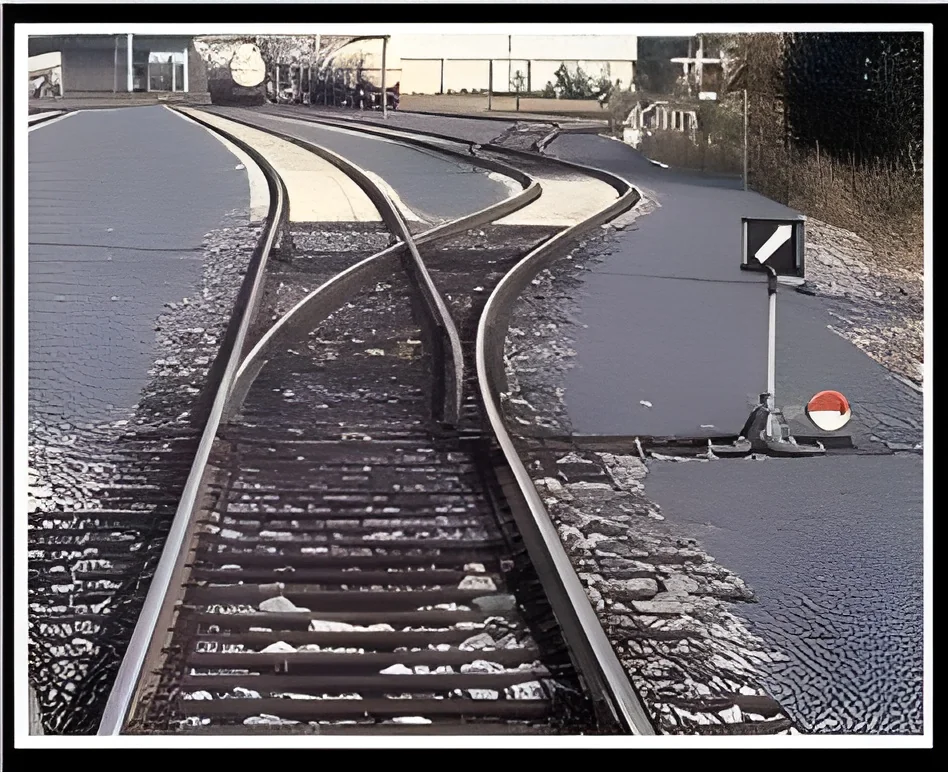
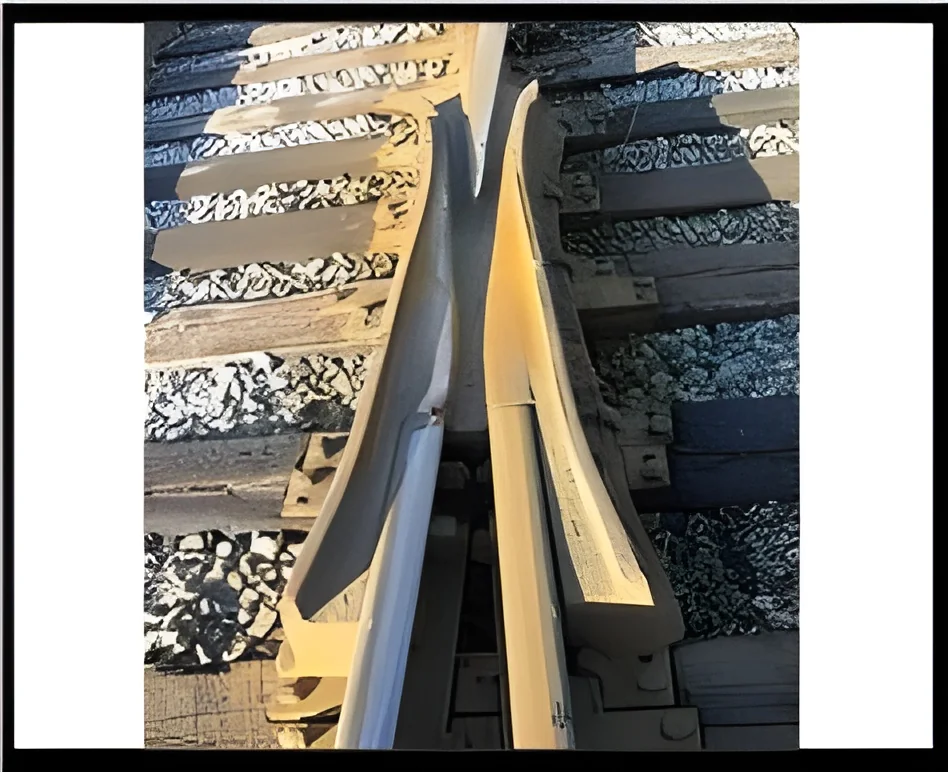
These critical components find extensive application throughout railway infrastructure, including mainline networks, urban mass transit systems, industrial sidings, and specialized mining operations. They are utilized by railway construction contractors, government rail authorities, and private infrastructure development companies for both new construction initiatives and maintenance programs. Industries such as transportation, logistics, mining, and heavy manufacturing depend on these connectors to ensure safe and efficient rail operations. Their implementation extends to high-speed rail corridors, dedicated freight lines, and specialized industrial tracks where joint integrity remains crucial for operational safety and network efficiency across diverse geographical conditions.

The inherent business value of these railway fish plates lies in their proven reliability, extended service life, and adherence to global safety standards. They contribute significantly to reducing maintenance expenditures and operational downtime by providing durable solutions that endure challenging operational environments. Their corrosion-resistant properties combined with high tensile strength ensure consistent performance over extended periods, minimizing the necessity for frequent replacements and associated labor costs. The availability of standard specifications allows project managers to source plates that precisely match their operational requirements, enhancing system suitability and overall operational efficiency. This product supports critical infrastructure development by delivering a fundamental component that prioritizes safety protocols, long-term durability, and cost-effective operational performance.

Key Features:
- Constructed from high-strength steel alloys for exceptional durability and load-bearing capacity
- Advanced corrosion and abrasion resistance for harsh environmental conditions
- Precision engineering ensures perfect compatibility with various rail profiles
- Available in multiple standard sizes to match specific project requirements
- Full compliance with international railway safety and quality certifications

Benefits:
- Enhanced operational safety through reliable joint connections and track stability
- Reduced maintenance frequency and associated operational costs
- Extended service life minimizes replacement needs and project interruptions
- Consistent performance under extreme pressure and vibration conditions
- Global safety standard compliance ensures regulatory acceptance and project approval
Specifications
| Additional Information | |
|---|---|
| Country of Origin | India |
Application
Railway fish plates serve as critical connectors for joining rail ends securely, maintaining perfect alignment under extreme loads and vibrations. These components are engineered to withstand heavy train traffic and harsh environmental conditions, ensuring long-term track stability and operational safety for both passenger and freight transportation systems. Their robust construction prevents joint failures and track misalignment, making them essential for continuous rail operations across diverse geographical conditions and climate variations.
These plates are widely implemented in mainline railways, urban transit networks, industrial sidings, and specialized track systems. They provide reliable performance in high-stress environments including heavy-haul corridors, mining operations, and bridge approaches. The design facilitates straightforward installation and maintenance procedures, making them the preferred choice for railway construction, rehabilitation, and repair projects across multiple sectors and operational requirements.
- Mainline railway track construction and maintenance operations
- Metro systems and urban transit rail networks
- Heavy-haul freight corridors and industrial siding installations
- Mining and quarry rail tracks for material transport operations
- Bridge approaches and tunnel tracks where joint integrity is paramount
Trade Details
| Available Stock | In Stock |
| Sample Availability | No |
Payment Terms
| Payment Terms |
|
Company Profile
N Mohan Lal Railtrack Pvt Ltd, Gujarat
 Gujarat, India
Gujarat, IndiaManufacturer•Distributor / Wholesaler•Importer / Exporter
Factory Details
Factory SizeBelow 1000 sqm
Annual Production Capacity0
Main Markets
South Asia
Railway Fish Plates High Strength Steel Corrosion Resistant Track Joints
High-strength steel railway fish plates provide secure track joints with corrosion resistance. Trusted by rail contractors worldwide for reliable performance and safety compliance in demanding railway infrastructure projects.
Min. Order Quantity: 1 unit
Shipping
Shipping fee and delivery date to be negotiated. Contact supplier now for more details.
N Mohan Lal Railtrack Pvt Ltd
 Gujarat, India
Gujarat, IndiaManufacturer