IN
IN₹
Apparel & Fashion
Description
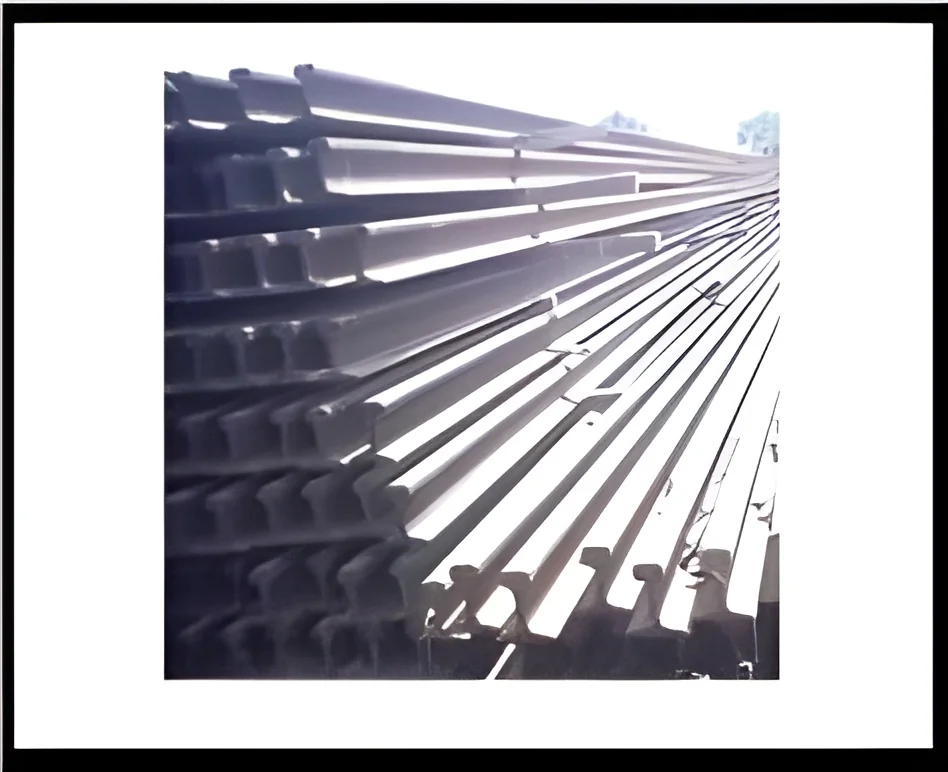
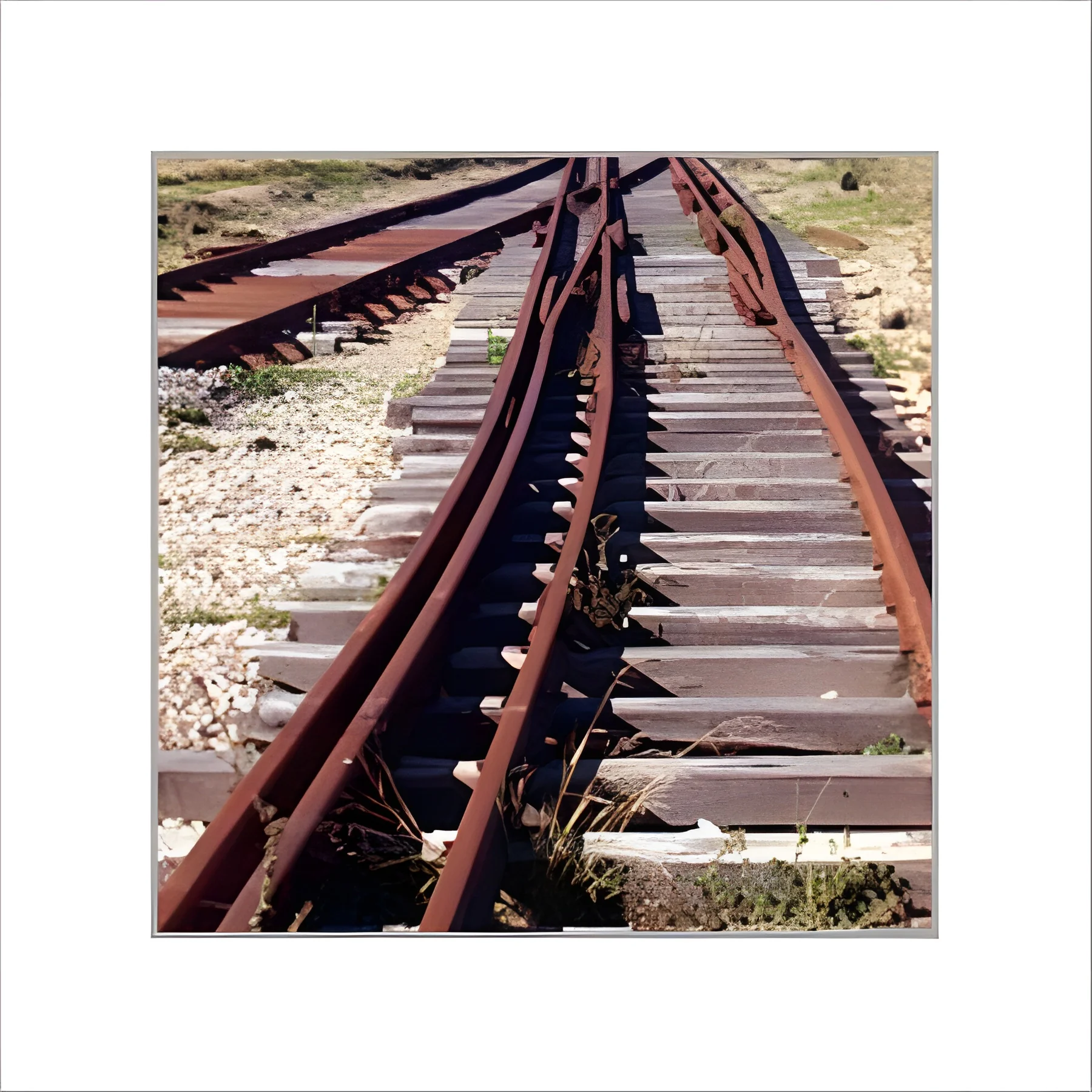
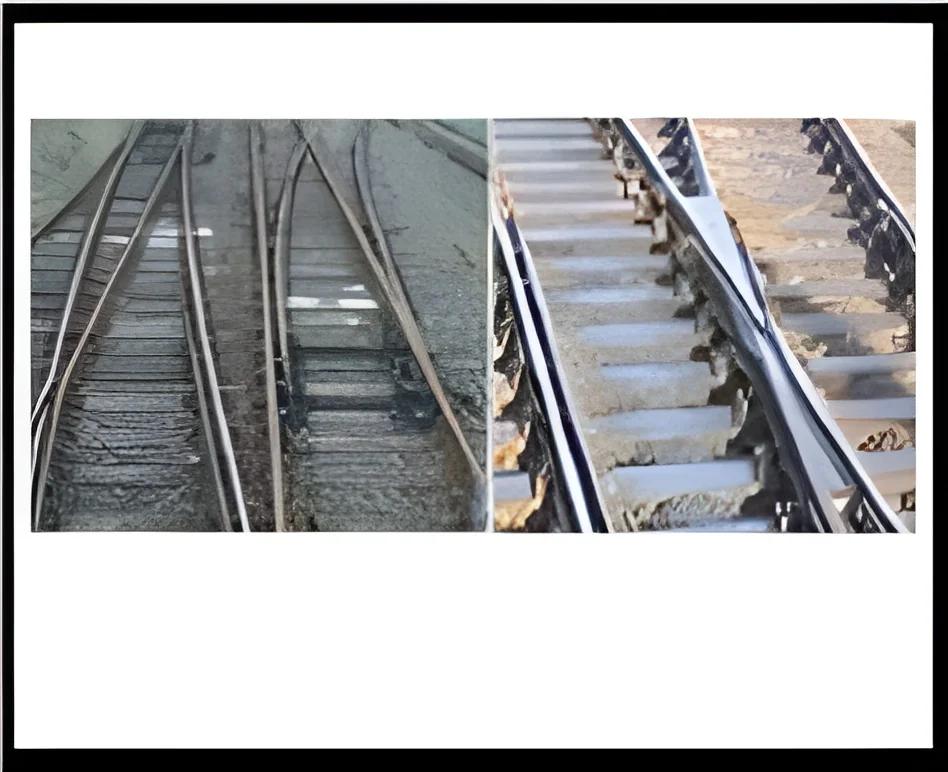
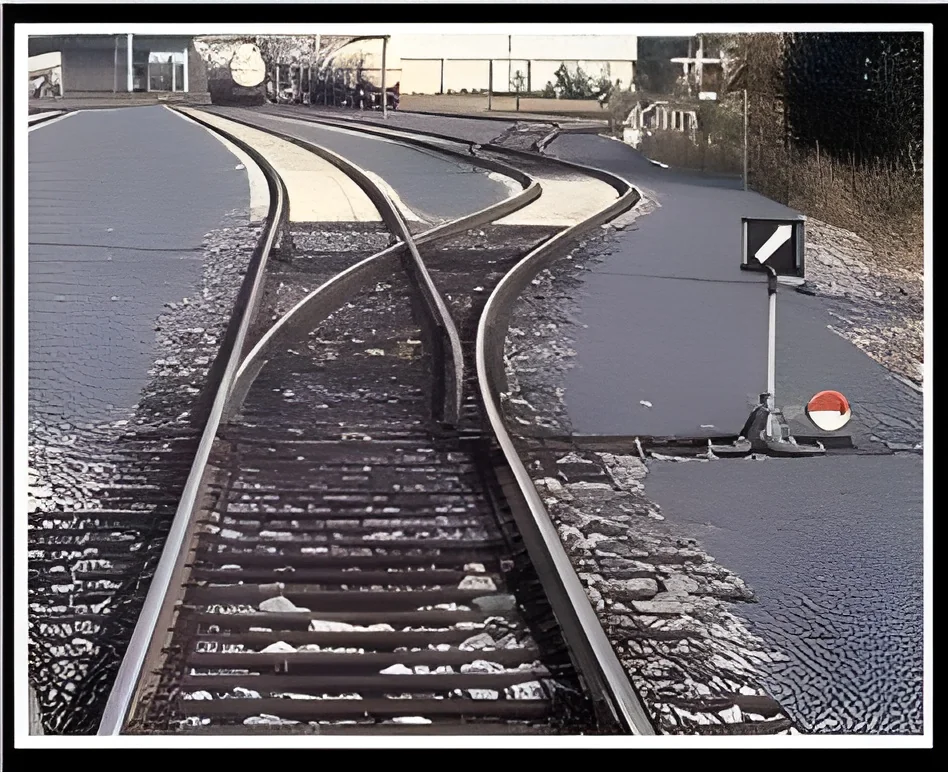
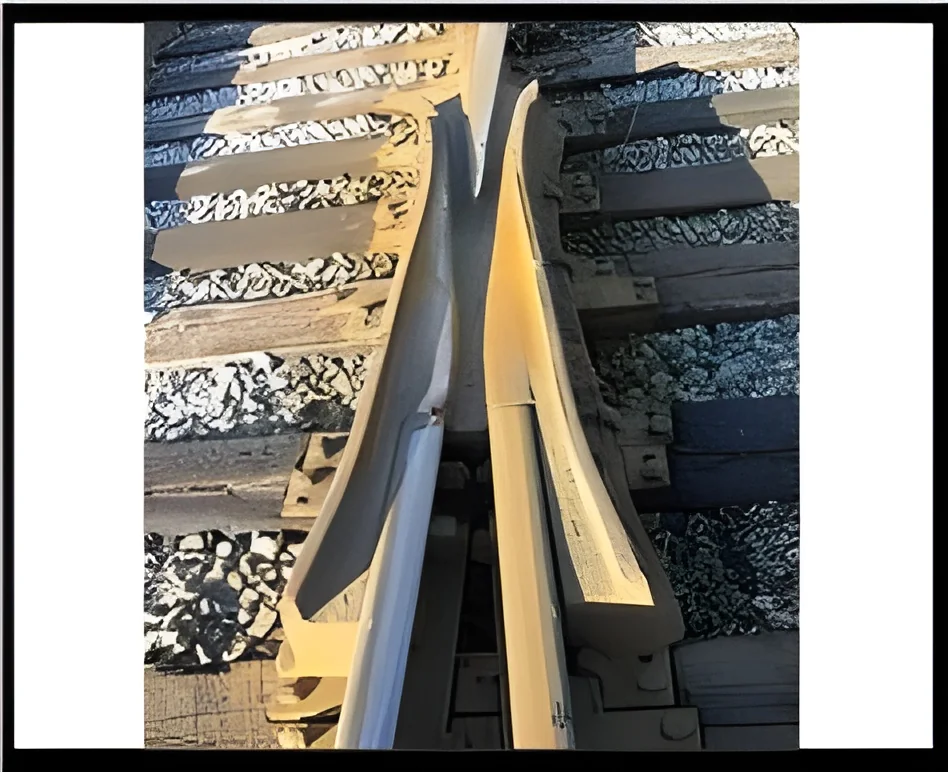
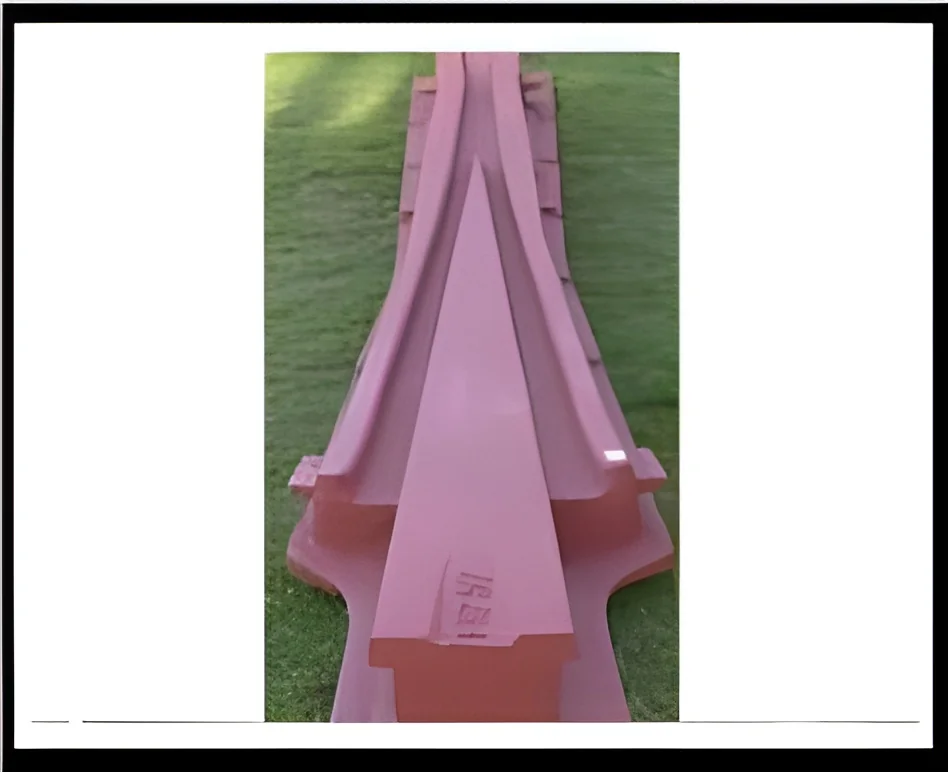
Railway Infrastructure CMS Crossings are precision-engineered components designed for the critical junction where tracks intersect. Manufactured from high-grade, wear-resistant materials, they are built to endure the immense static and dynamic forces imposed by modern rolling stock. The primary function is to provide a seamless and stable transition for train wheels, ensuring safe passage while protecting both the rolling stock and the permanent way from excessive impact and wear. This focus on durability and precise geometry translates directly into reliable performance, reduced maintenance cycles, and enhanced safety for the entire rail system. Each crossing is the product of advanced manufacturing techniques and stringent quality assurance protocols, resulting in a component that meets the exacting demands of railway operators and infrastructure managers.

These crossings are indispensable across the global railway industry. National rail networks and transit authorities integrate t...
Railway Infrastructure CMS Crossings are precision-engineered components designed for the critical junction where tracks intersect. Manufactured from high-grade, wear-resistant materials, they are built to endure the immense static and dynamic forces imposed by modern rolling stock. The primary function is to provide a seamless and stable transition for train wheels, ensuring safe passage while protecting both the rolling stock and the permanent way from excessive impact and wear. This focus on durability and precise geometry translates directly into reliable performance, reduced maintenance cycles, and enhanced safety for the entire rail system. Each crossing is the product of advanced manufacturing techniques and stringent quality assurance protocols, resulting in a component that meets the exacting demands of railway operators and infrastructure managers.

These crossings are indispensable across the global railway industry. National rail networks and transit authorities integrate them into mainline upgrades and new construction projects to ensure network resilience and capacity. In the industrial sector, they are vital for private sidings serving ports, steel plants, mines, and large manufacturing facilities, where they facilitate the efficient movement of heavy raw materials and finished goods. Furthermore, they are specified for urban transit projects, including metro systems and tramways, where reliability and passenger safety are paramount. Their application ensures that diverse rail-dependent industries can operate smoothly, supporting economic activity and public mobility with a proven, robust infrastructure solution.

The inherent business value of these CMS crossings lies in their contribution to lower total cost of ownership and increased operational uptime. Their superior durability directly reduces the frequency and cost of replacement and track maintenance, leading to significant long-term savings. Reliability is engineered into every unit, minimizing the risk of service-disrupting failures and the associated costs of delays and repairs. By providing a consistent, high-performance product, they help infrastructure managers and operators plan with confidence, optimize their maintenance schedules, and improve the overall efficiency and safety of their rail assets. This reliability builds trust and forms the foundation for long-term partnerships between suppliers and rail industry professionals.

Key Features:
- Constructed from premium, high-wear-resistant steel alloys for maximum longevity
- Precision-machined geometry ensures perfect wheel-rail interface and smooth transitions
- Engineered to withstand extreme static and dynamic loads from heavy axle traffic
- Manufactured under strict quality control systems for consistent dimensional accuracy
- Designed for compatibility with international rail profiles and standard track designs

Benefits:
- Extends service life and reduces long-term infrastructure replacement costs
- Minimizes maintenance downtime and associated operational disruptions
- Enhances operational safety by providing stable and predictable track conditions
- Delivers reliable performance under high-traffic and heavy-load scenarios
- Supports efficient rail network operations with proven, industry-accepted technology
Specifications
| Additional Information | |
|---|---|
| Country of Origin | India |
Application
CMS crossings are engineered components that create smooth, safe transitions where railway tracks intersect. They are built to withstand constant heavy axle loads from both passenger and freight trains, ensuring reliable operation while minimizing track wear and maintenance interventions. Their robust design is critical for maintaining uninterrupted rail traffic and operational safety across diverse network conditions.
These crossings serve as fundamental infrastructure in both public and private rail networks. They are deployed in settings ranging from high-speed mainlines to industrial sidings, adapting to various rail profiles and traffic densities. The consistent performance of CMS crossings supports efficient logistics, public transit reliability, and heavy industrial operations, forming a dependable backbone for transportation and supply chain infrastructure.
- Mainline railway intersections for high-speed passenger and freight corridors
- Industrial sidings and classification yards within manufacturing and logistics hubs
- Urban and suburban mass transit networks, including metro and light rail systems
- Heavy-haul mining and resource extraction rail lines
- Port terminal rail infrastructure for efficient cargo container movement
Trade Details
| Available Stock | In Stock |
| Sample Availability | No |
Payment Terms
| Payment Terms |
|
Company Profile
N Mohan Lal Railtrack Pvt Ltd, Gujarat
 Gujarat, India
Gujarat, IndiaManufacturer•Distributor / Wholesaler•Importer / Exporter
Factory Details
Factory SizeBelow 1000 sqm
Annual Production Capacity0
Main Markets
South Asia
Railway Infrastructure CMS Crossings Durable Reliable Performance
Railway Infrastructure CMS Crossings deliver durable, reliable performance for track intersections. Engineered with premium materials for heavy loads and long service life in mainline and industrial rail applications.
Min. Order Quantity: 1 unit
Shipping
Shipping fee and delivery date to be negotiated. Contact supplier now for more details.
N Mohan Lal Railtrack Pvt Ltd
 Gujarat, India
Gujarat, IndiaManufacturer