IN
IN₹
Description
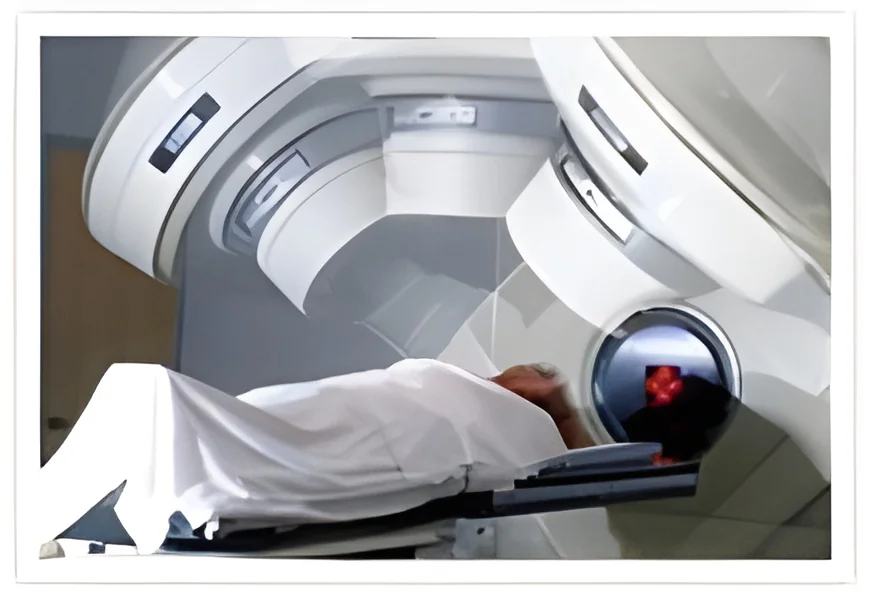
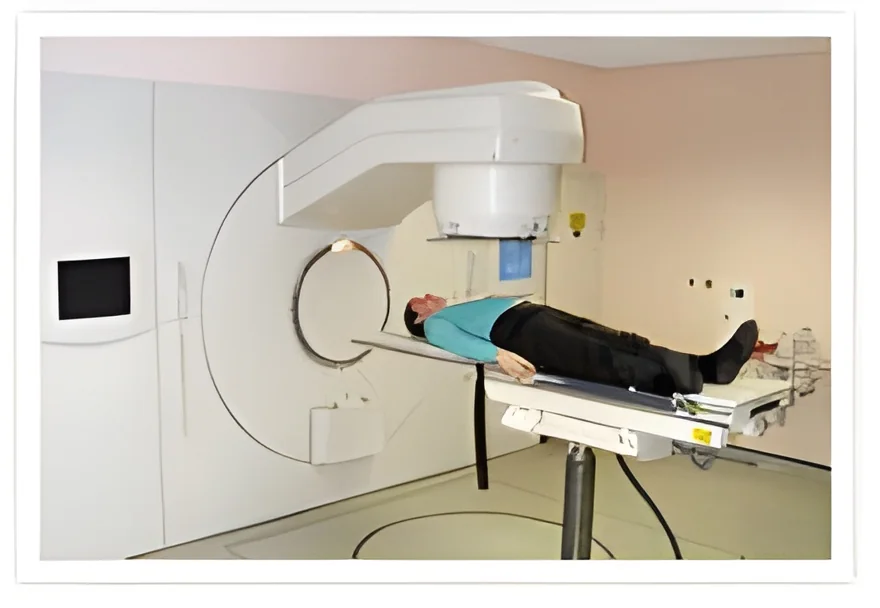
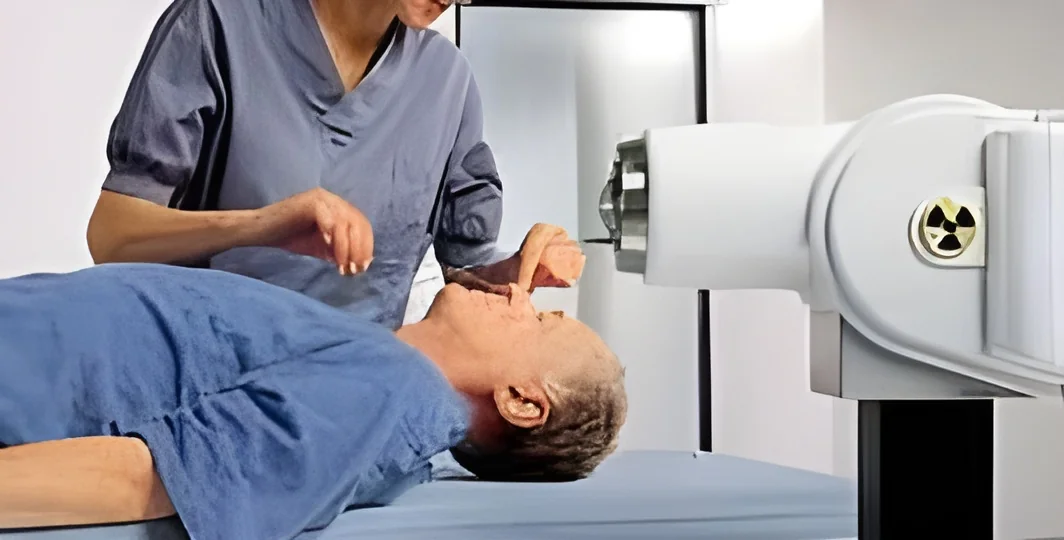
Radiation therapy represents a cornerstone in modern cancer treatment, utilizing precisely controlled high-energy radiation beams to target and destroy malignant cells. This advanced medical technology operates through two primary methodologies: teletherapy, which delivers radiation from external machines without physical contact, and brachytherapy, which involves placing radioactive sources directly near or within the tumor site. Linear accelerators serve as the most sophisticated teletherapy equipment, generating adjustable radiation beams that can be meticulously shaped to match individual tumor geometries. These systems incorporate advanced imaging and computer-guided targeting to ensure optimal dose delivery while minimizing exposure to surrounding healthy tissues. The technology continues to evolve with innovations in precision targeting and treatment monitoring, providing oncology teams with increasingly effective tools for cancer management.

Hospitals and specialized cancer tr...
Radiation therapy represents a cornerstone in modern cancer treatment, utilizing precisely controlled high-energy radiation beams to target and destroy malignant cells. This advanced medical technology operates through two primary methodologies: teletherapy, which delivers radiation from external machines without physical contact, and brachytherapy, which involves placing radioactive sources directly near or within the tumor site. Linear accelerators serve as the most sophisticated teletherapy equipment, generating adjustable radiation beams that can be meticulously shaped to match individual tumor geometries. These systems incorporate advanced imaging and computer-guided targeting to ensure optimal dose delivery while minimizing exposure to surrounding healthy tissues. The technology continues to evolve with innovations in precision targeting and treatment monitoring, providing oncology teams with increasingly effective tools for cancer management.

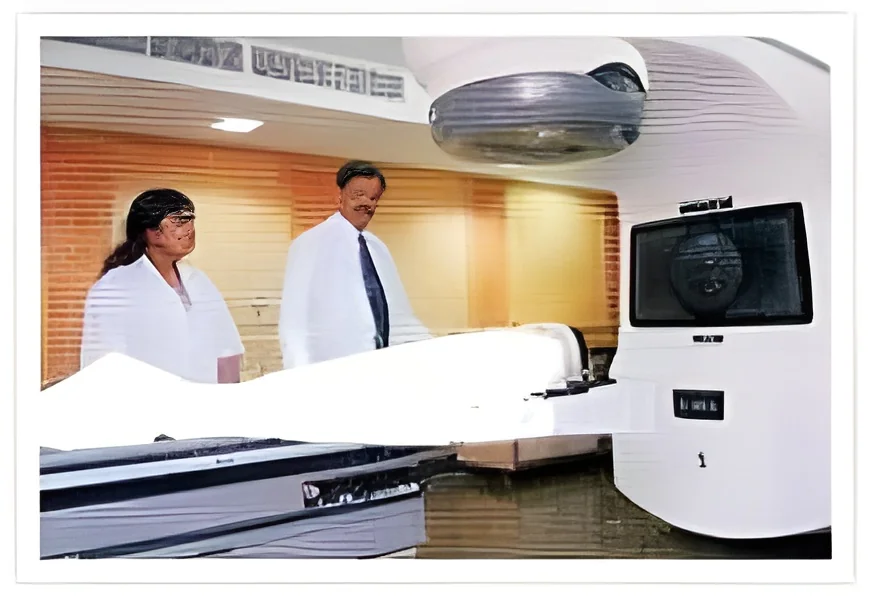
Hospitals and specialized cancer treatment centers worldwide implement radiation therapy across multiple clinical specialties including radiation oncology, surgical oncology, and palliative care. The technology serves diverse medical facilities from large university hospitals to community cancer centers, addressing various cancer types including carcinomas, sarcomas, and hematologic malignancies. Oncology departments utilize these systems for comprehensive treatment programs that may stand alone or integrate with chemotherapy and surgical interventions. The equipment meets rigorous clinical requirements across multiple specialties including head and neck oncology, breast cancer treatment, neurological malignancies, and pediatric oncology. Medical institutions value these systems for their ability to support standardized treatment protocols while accommodating patient-specific adaptations.

Businesses investing in radiation therapy equipment gain access to reliable medical technology with proven clinical efficacy and long-term operational sustainability. These systems offer exceptional value through their durability, minimal downtime requirements, and compatibility with evolving treatment methodologies. Medical facilities benefit from customizable configurations that adapt to specific space constraints and workflow requirements while maintaining consistent treatment quality. The technology demonstrates remarkable reliability through robust construction, redundant safety systems, and comprehensive service support networks. Equipment manufacturers provide extensive training programs, technical support, and upgrade pathways that ensure long-term operational excellence and return on investment for healthcare organizations.

Key Features:
- Advanced linear accelerator technology for precise beam delivery
- Dual capability for both teletherapy and brachytherapy applications
- Customizable configuration options for specific facility requirements
- Integrated imaging systems for real-time treatment monitoring
- Robust safety systems with multiple redundancy protocols

Benefits:
- Enhanced treatment precision for improved patient outcomes
- Versatile application across multiple cancer types and stages
- Adaptable to various clinical environments and space constraints
- Continuous treatment monitoring for optimal dose delivery
- Maximum patient and staff safety through comprehensive protection systems
Specifications
| Additional Information | |
|---|---|
| Country of Origin | India |
Application
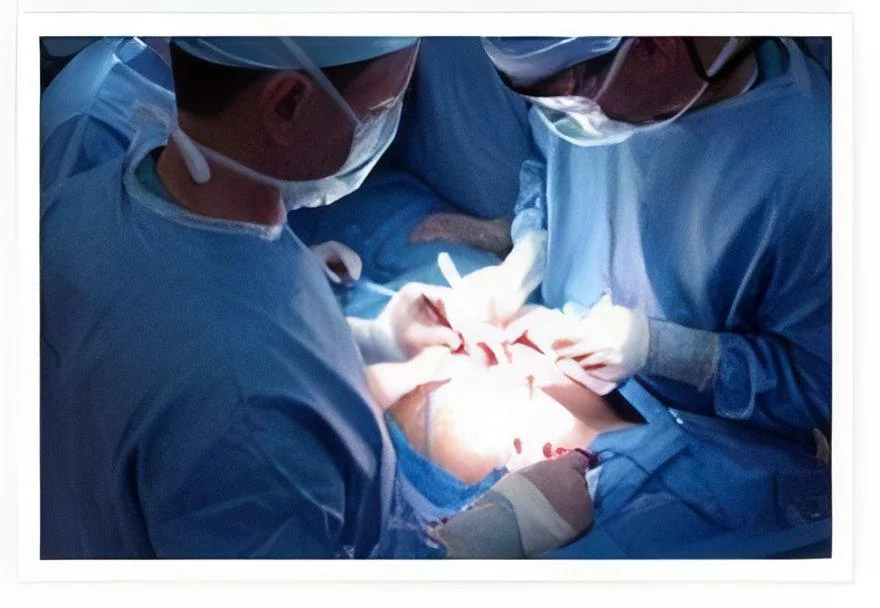
Radiation therapy systems are essential in modern oncology departments, providing non-invasive treatment options for various cancer types. These advanced machines enable targeted tumor destruction while preserving surrounding healthy tissues, making them indispensable in comprehensive cancer care programs. Hospitals and specialized treatment centers rely on this technology for both primary and adjuvant cancer therapy approaches.
Medical facilities utilize radiation therapy equipment for diverse patient cases, from common carcinomas to complex tumor presentations. The technology supports multiple treatment protocols including curative, palliative, and intraoperative radiation therapy. Healthcare providers value these systems for their precision, reliability, and ability to integrate with existing medical infrastructure while maintaining strict safety standards.
- Curative treatment for localized tumors in organs including prostate, breast, and lung tissues
- Palliative care for pain management and symptom control in advanced cancer cases
- Adjuvant therapy following surgical procedures to eliminate remaining cancer cells
- Primary treatment for inoperable tumors or patients unsuitable for surgery
- Intraoperative radiation therapy during surgical procedures for direct tumor targeting
Trade Details
| Available Stock | In Stock |
| Sample Availability | No |
Payment Terms
| Payment Terms |
|
Company Profile

Vs Hospital, Tamil Nadu
 Tamil Nadu, India
Tamil Nadu, IndiaHealth & Personal Care
Factory Details
Factory SizeBelow 1000 sqm
Annual Production Capacity0
Main Markets
South Asia
Radiation Therapy Equipment High Energy Beams Cancer Treatment
Radiation therapy equipment delivers precise high-energy beams for effective cancer treatment. Trusted by hospitals and oncology centers globally for reliable teletherapy and brachytherapy solutions with advanced safety features.
Min. Order Quantity: 1 unit
Shipping
Shipping fee and delivery date to be negotiated. Contact supplier now for more details.
Vs Hospital
 Tamil Nadu, India
Tamil Nadu, IndiaHealth & Personal Care