IN
IN₹

Description
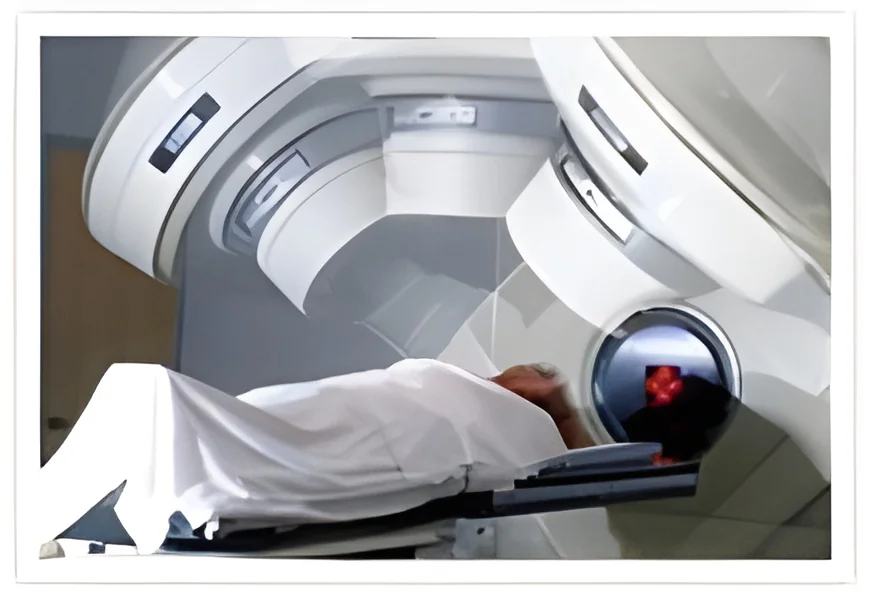
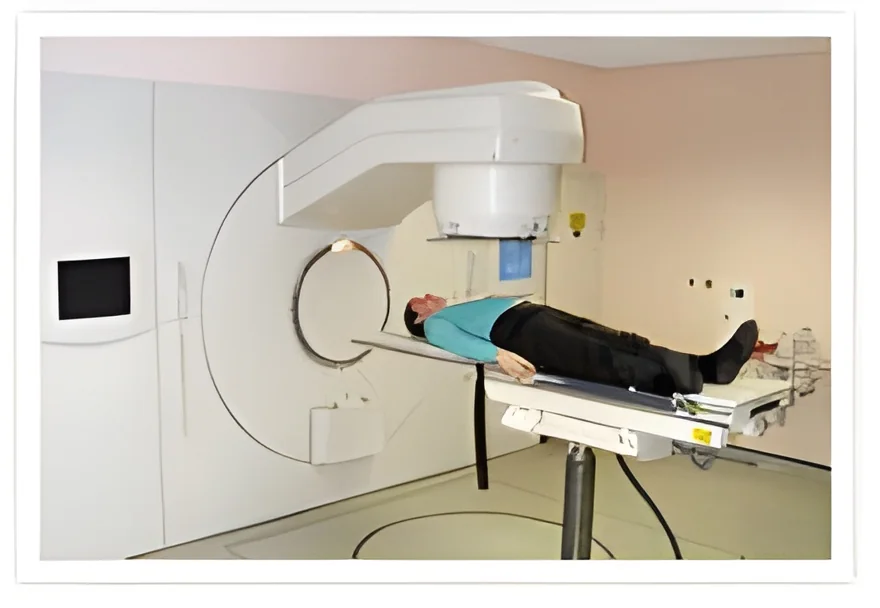
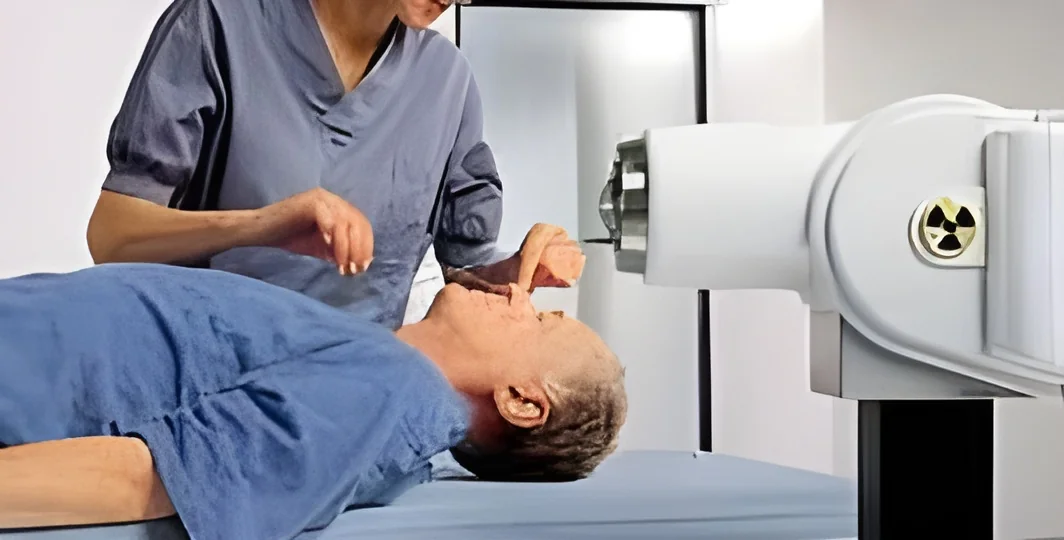
The Hospital Oncology IMRT Radiation Therapy System with Inverse Planning represents cutting-edge technology in precision radiation treatment. This advanced system utilizes sophisticated inverse treatment planning software and dynamic multi-leaf collimators to deliver highly conformal radiation doses that precisely match tumor contours. Unlike conventional radiation systems, IMRT allows radiation oncologists to specify exact dose constraints for both cancerous tissues and surrounding healthy organs. The computer-controlled system develops optimized treatment plans that maximize tumor control while significantly minimizing side effects and damage to adjacent healthy tissues. This technology operates effectively with existing medical linear accelerators while adding sophisticated beam-shaping capabilities through independently movable leaves that modulate radiation intensity across treatment fields with exceptional accuracy.

This IMRT system serves comprehensive cancer centers, universi...
The Hospital Oncology IMRT Radiation Therapy System with Inverse Planning represents cutting-edge technology in precision radiation treatment. This advanced system utilizes sophisticated inverse treatment planning software and dynamic multi-leaf collimators to deliver highly conformal radiation doses that precisely match tumor contours. Unlike conventional radiation systems, IMRT allows radiation oncologists to specify exact dose constraints for both cancerous tissues and surrounding healthy organs. The computer-controlled system develops optimized treatment plans that maximize tumor control while significantly minimizing side effects and damage to adjacent healthy tissues. This technology operates effectively with existing medical linear accelerators while adding sophisticated beam-shaping capabilities through independently movable leaves that modulate radiation intensity across treatment fields with exceptional accuracy.

This IMRT system serves comprehensive cancer centers, university hospitals, and specialized oncology departments worldwide. The technology proves particularly valuable for radiation oncology departments treating complex head and neck cancers, prostate malignancies, and pediatric cases requiring precise radiation delivery. Major medical institutions utilize IMRT for nasopharyngeal tumors, sinus cancers, and recurrent malignancies where precision dose delivery is critical for treatment success. The system integrates smoothly with existing CT simulation and treatment planning infrastructure, making it suitable for facilities upgrading from conventional radiation therapy to advanced treatment capabilities. Oncology departments benefit from improved treatment outcomes for complex cases while maintaining efficient workflow integration and patient throughput.

Medical facilities investing in this IMRT technology gain significant advantages through superior treatment outcomes and enhanced patient safety profiles. The system's reliability is demonstrated through rigorous quality assurance protocols covering both machine performance and patient-specific treatment validation. The technology's proven track record in reducing treatment side effects translates to higher patient satisfaction and improved clinical reputation. Hospitals benefit from the system's compatibility with existing linear accelerators, protecting previous capital investments while advancing treatment capabilities. The robust construction and advanced engineering ensure consistent performance and minimal downtime, supporting continuous patient care and treatment schedule adherence.

Key Features:
- Advanced inverse treatment planning software for precise dose optimization
- Dynamic multi-leaf collimators with independently controlled leaves
- Compatibility with existing medical linear accelerators and treatment systems
- Dual operation modes supporting both dynamic and step-and-shoot IMRT techniques
- Comprehensive quality assurance protocols for machine and patient-specific validation

Benefits:
- Superior tumor control through precise radiation dose delivery
- Reduced side effects by protecting surrounding healthy tissues
- Enhanced treatment outcomes for complex cancer cases
- Improved patient safety with advanced dose optimization
- Reliable performance with minimal treatment interruptions
Specifications
| Additional Information | |
|---|---|
| Country of Origin | India |
Application
This advanced IMRT radiation therapy system provides precise cancer treatment through sophisticated inverse planning technology and dynamic multi-leaf collimators. It enables radiation oncologists to deliver highly conformal radiation doses that precisely match complex tumor shapes while protecting surrounding healthy tissues and critical organs during treatment sessions. The system integrates seamlessly with existing linear accelerators and treatment planning infrastructure, making it suitable for both new installations and facility upgrades requiring advanced radiation therapy capabilities.
Medical facilities utilize this technology across multiple specialties including radiation oncology, neurosurgery, and complex cancer cases. The system handles challenging anatomical regions where precision dose delivery is critical for treatment success and patient safety. Its advanced capabilities make it particularly valuable for departments treating head and neck cancers, prostate malignancies, and pediatric cases requiring minimized radiation exposure to developing tissues and organs at risk.
- Precision treatment of nasopharyngeal and sinus tumors with complex anatomical boundaries
- Advanced prostate cancer therapy with reduced radiation exposure to surrounding organs
- Complex head and neck cancer cases requiring dose painting around critical structures
- Recurrent tumors previously treated with conventional radiation techniques
- Pediatric cancer cases where minimizing radiation to developing tissues is crucial
Trade Details
| Available Stock | In Stock |
| Sample Availability | No |
Payment Terms
| Payment Terms |
|
Company Profile

Vs Hospital, Tamil Nadu
 Tamil Nadu, India
Tamil Nadu, IndiaHealth & Personal Care
Factory Details
Factory SizeBelow 1000 sqm
Annual Production Capacity0
Main Markets
South Asia
Hospital Oncology IMRT Radiation Therapy System with Inverse Planning
Hospital Oncology IMRT Radiation Therapy System delivers precision cancer treatment using advanced inverse planning and dynamic multi-leaf collimators for superior tumor control and minimal side effects in medical facilities.
Min. Order Quantity: 1 unit
Shipping
Shipping fee and delivery date to be negotiated. Contact supplier now for more details.
Vs Hospital
 Tamil Nadu, India
Tamil Nadu, IndiaHealth & Personal Care