IN
₹
Apparel & Fashion

Description
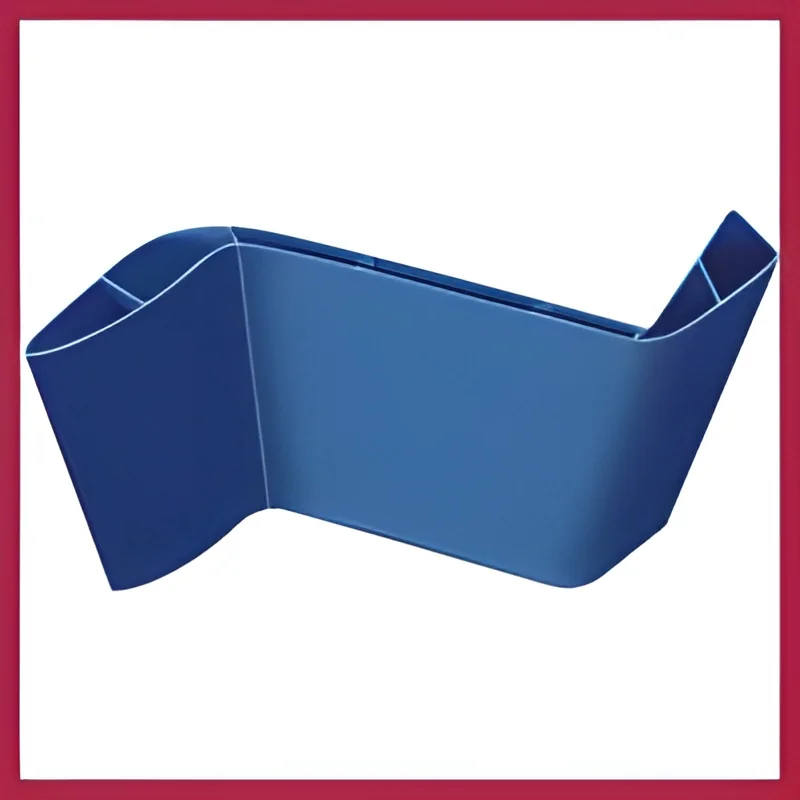
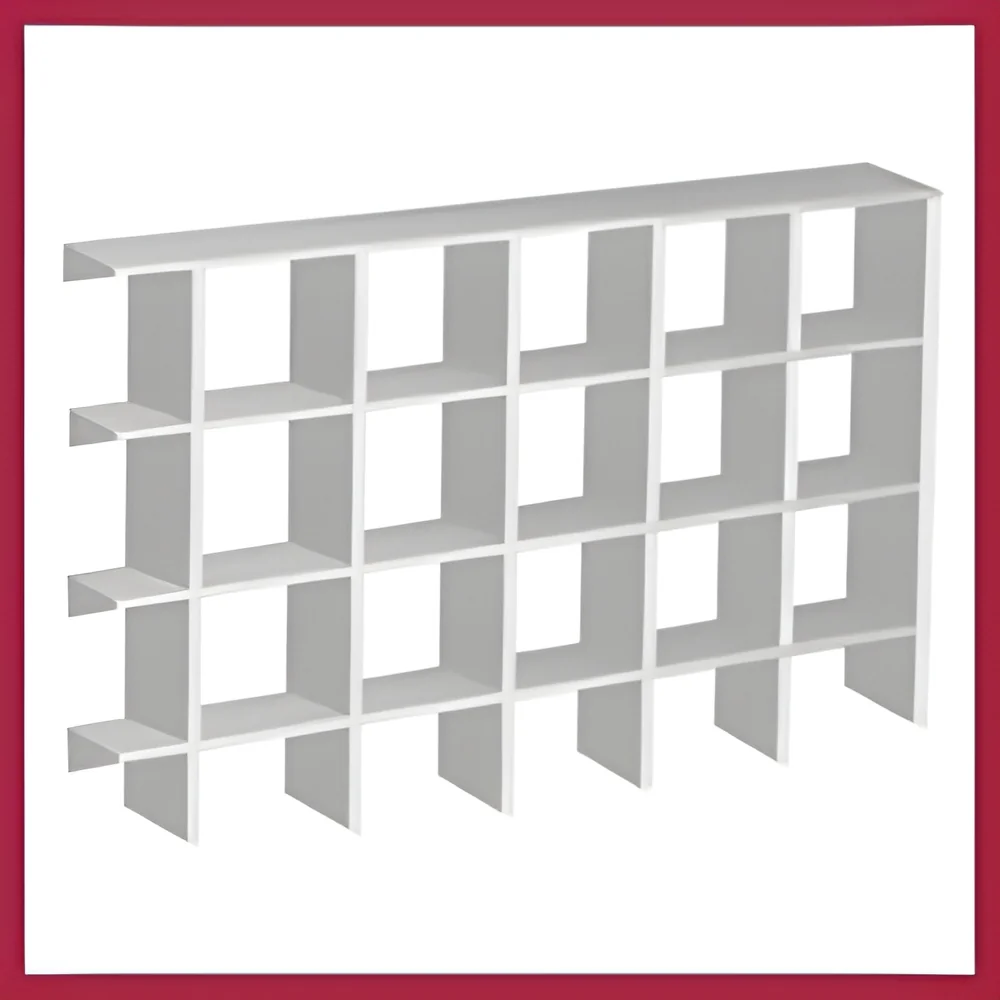
Industrial UPVC Mist Louvers represent advanced ventilation technology engineered for challenging industrial environments. Manufactured from unplasticized polyvinyl chloride, these louvers deliver exceptional chemical resistance while maintaining structural integrity across varying temperature and pressure conditions. Their high stiffness and long-term strength characteristics make them an ideal solution for managing airflow while effectively blocking harmful mists and corrosive fumes. The robust design ensures consistent performance with minimal maintenance requirements, providing reliable operation in facilities where ventilation system durability is critical. These mist louvers offer a practical alternative to metal components that may succumb to corrosion in aggressive environments.

These ventilation components play vital roles across multiple industrial sectors including chemical processing, manufacturing operations, water treatment facilities, pharmaceutical production, and spec...
Industrial UPVC Mist Louvers represent advanced ventilation technology engineered for challenging industrial environments. Manufactured from unplasticized polyvinyl chloride, these louvers deliver exceptional chemical resistance while maintaining structural integrity across varying temperature and pressure conditions. Their high stiffness and long-term strength characteristics make them an ideal solution for managing airflow while effectively blocking harmful mists and corrosive fumes. The robust design ensures consistent performance with minimal maintenance requirements, providing reliable operation in facilities where ventilation system durability is critical. These mist louvers offer a practical alternative to metal components that may succumb to corrosion in aggressive environments.

These ventilation components play vital roles across multiple industrial sectors including chemical processing, manufacturing operations, water treatment facilities, pharmaceutical production, and specialized HVAC applications. In chemical plants, they prevent corrosive fumes from compromising infrastructure while ensuring worker safety through effective ventilation. Manufacturing facilities utilize them to maintain optimal air quality by filtering industrial pollutants and controlling mist emissions. Water treatment plants depend on them for managing chemical vapors and corrosive mist particles. The pharmaceutical industry employs these louvers to maintain controlled environments by managing airflow and containing chemical vapors. HVAC systems operating in corrosive conditions benefit from their resistance to degradation and long service life.

The business value of UPVC Mist Louvers extends beyond initial cost savings to include reduced maintenance expenses, extended system lifespan, and enhanced operational safety. Their reliable performance ensures continuous ventilation without frequent replacements, significantly minimizing downtime and repair costs. The cost-effectiveness of UPVC construction provides economic advantages over metal alternatives that often require premature replacement due to corrosion. These louvers accommodate diverse industrial requirements through their versatile design and performance characteristics. Their unique quality and construction deliver consistent results in various applications, ensuring optimal functionality across different industrial settings while maintaining cost efficiency and operational reliability.

Key Features:
- Excellent chemical resistance against acids, alkalis, and corrosive substances
- High stiffness construction ensuring long-term structural integrity
- Broad operating temperature and pressure range compatibility
- Cost-effective UPVC material for economical industrial solutions
- Durable design suitable for harsh environmental conditions

Benefits:
- Reduced maintenance requirements and associated costs
- Extended equipment lifespan through corrosion resistance
- Enhanced workplace safety by controlling hazardous fumes
- Consistent performance across varying industrial conditions
- Reliable ventilation solution minimizing operational downtime
Specifications
| Additional Information | |
|---|---|
| Country of Origin | India |
Application
UPVC Mist Louvers deliver critical ventilation solutions where chemical resistance and durability are paramount. They effectively control airflow while blocking corrosive mists and fumes from damaging equipment or contaminating work areas. These components are essential for maintaining air quality and protecting infrastructure in demanding industrial settings.
These ventilation louvers serve diverse sectors including chemical processing, water treatment, manufacturing, and HVAC systems. Their robust construction withstands exposure to aggressive chemicals while ensuring long-term performance. Facilities benefit from reliable mist control that safeguards both operational continuity and workplace safety standards.
- Chemical processing plants for fume extraction and ventilation control
- Water treatment facilities managing corrosive mist and vapor emissions
- Manufacturing plants requiring industrial fume removal and air quality management
- HVAC systems operating in chemically aggressive environments
- Industrial facilities needing durable ventilation components for harsh conditions
Trade Details
| Available Stock | In Stock |
| Sample Availability | No |
Payment Terms
| Payment Terms |
|
Company Profile
L G Extrusions, Gujarat
 Gujarat, India
Industrial Equipment & Machinery•Manufacturer•Distributor / Wholesaler•Importer / Exporter
Factory Details
Factory SizeBelow 1000 sqm
Annual Production Capacity0
Industrial UPVC Mist Louvers Chemical Resistant Ventilation
Industrial UPVC Mist Louvers provide chemical-resistant ventilation with high stiffness and reliability for harsh industrial environments. These cost-effective louvers ensure durable performance in chemical processing, manufacturing, and HVAC applications.
Min. Order Quantity: 1 unit
Shipping
Shipping fee and delivery date to be negotiated. Contact supplier now for more details.
L G Extrusions
 Gujarat, India
Industrial Equipment & MachineryManufacturer