IN
₹

Description
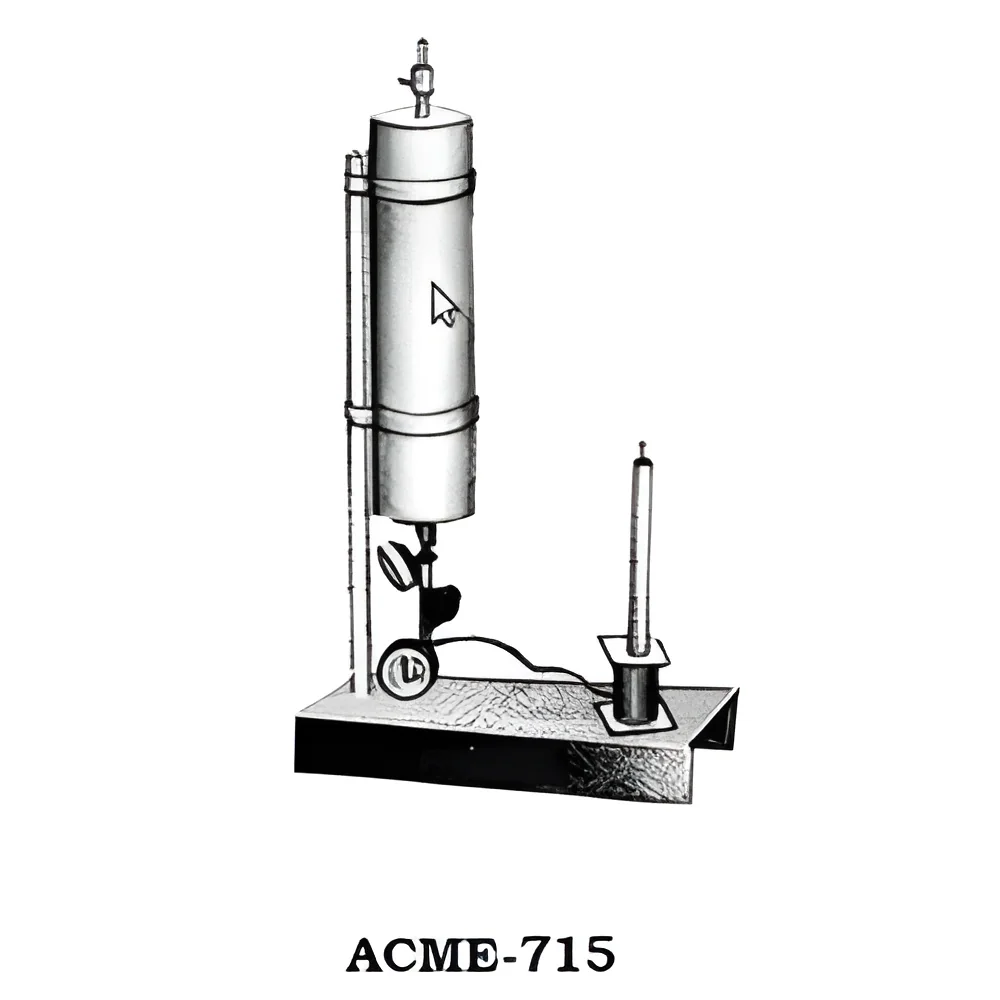
The Industrial Pressure Cyclic Testing Machine is a precision-engineered system designed to evaluate the fatigue life and endurance of components under repeated pressure cycling. It applies controlled pressure variations to test samples, simulating real-world operational stresses to accurately identify wear, leakage, or failure points. This machine is built for exceptional accuracy, repeatability, and compliance with international standards including ISO, ASTM, and ASME protocols. It serves as an essential tool for research and development laboratories, quality control departments, and manufacturing facilities committed to ensuring product reliability and safety. The system's robust design and advanced control mechanisms deliver consistent testing results across thousands of pressure cycles.

This testing equipment finds extensive application across multiple industries where pressure integrity is non-negotiable for safety and performance. In the automotive sector, it validates critical...
The Industrial Pressure Cyclic Testing Machine is a precision-engineered system designed to evaluate the fatigue life and endurance of components under repeated pressure cycling. It applies controlled pressure variations to test samples, simulating real-world operational stresses to accurately identify wear, leakage, or failure points. This machine is built for exceptional accuracy, repeatability, and compliance with international standards including ISO, ASTM, and ASME protocols. It serves as an essential tool for research and development laboratories, quality control departments, and manufacturing facilities committed to ensuring product reliability and safety. The system's robust design and advanced control mechanisms deliver consistent testing results across thousands of pressure cycles.

This testing equipment finds extensive application across multiple industries where pressure integrity is non-negotiable for safety and performance. In the automotive sector, it validates critical systems including fuel lines, brake hoses, transmission components, and air conditioning units. Aerospace manufacturers rely on it for testing hydraulic systems, pneumatic valves, and landing gear components. The oil and gas industry utilizes these machines to certify wellhead equipment, pipeline sections, valves, and pressure vessels. Additionally, it serves the plumbing, HVAC, industrial machinery, and renewable energy sectors by ensuring that pipes, fittings, connectors, and actuators withstand cyclic pressures without degradation or failure.

Investing in an Industrial Pressure Cyclic Testing Machine delivers substantial business value by significantly reducing product failure rates, enhancing customer trust through proven reliability, and minimizing warranty and liability costs. The machine's reliability stems from its robust construction using high-grade materials, advanced digital control systems with precise pressure regulation, and comprehensive data recording capabilities. With features like automated cycling sequences, real-time monitoring displays, and integrated fail-safe mechanisms, it provides unmatched testing accuracy and operational safety. This equipment not only ensures regulatory compliance with global standards but also strengthens your reputation for delivering quality-engineered products that perform under demanding conditions.

Key Features:
- Advanced digital control system for precise pressure application and real-time monitoring of test parameters.
- Robust construction with high-quality materials ensuring long-term durability and reliable operation.
- Compliance with international testing standards including ISO, ASTM, and ASME protocols.
- Automated data logging and reporting system for accurate analysis and comprehensive documentation.
- Configurable pressure ranges and cycle counts to accommodate diverse component specifications.

Benefits:
- Identifies potential failure points before products reach the market, preventing costly recalls.
- Provides reliable data on fatigue life and leak resistance for informed design improvements.
- Supports compliance with international safety standards and regulatory requirements.
- Reduces warranty claims and liability risks through thorough pre-deployment testing.
- Enhances product reliability and builds customer confidence in your components' durability.
Specifications
| Additional Information | |
|---|---|
| Country of Origin | India |
Application
Pressure Cyclic Testing Machines are engineered to validate the durability and structural integrity of components subjected to repetitive pressure loads. These systems simulate real-world operating conditions to identify potential failure points, ensuring products meet stringent safety and performance standards before deployment. They are indispensable for industries where pressure integrity is critical to operational safety and product longevity.
This testing equipment provides manufacturers and quality assurance teams with reliable data on fatigue life and leak resistance. It helps prevent costly field failures, reduces warranty claims, and supports compliance with international testing standards. Industries such as automotive, aerospace, oil and gas, and plumbing rely on these machines for certifying critical components, ensuring they perform reliably under cyclic stress conditions.
- Endurance testing of automotive fuel lines, brake hoses, and air conditioning components to ensure they withstand repeated pressure cycles without failure.
- Quality validation for hydraulic cylinders, actuators, and pumps used in construction equipment and heavy machinery applications.
- Fatigue testing of aerospace components including landing gear systems, pneumatic valves, and fuel system parts for safety compliance.
- Leak and burst testing for plumbing fixtures, pipes, valves, and fittings to meet building codes and industry standards.
- Reliability verification for oil and gas industry equipment such as wellhead components, pipelines, pressure vessels, and Christmas tree valves.
Trade Details
| Available Stock | In Stock |
| Sample Availability | No |
Payment Terms
| Payment Terms |
|
Company Profile

ACME Scientific International, New Delhi
 New Delhi, India
Manufacturer•Distributor / Wholesaler•Importer / Exporter
Factory Details
Factory SizeBelow 1000 sqm
Annual Production Capacity0
Industrial Pressure Cyclic Testing Machine For Fatigue Endurance Testing
Industrial Pressure Cyclic Testing Machine for accurate fatigue endurance testing of components under repeated pressure cycles. Ensures reliability and safety for valves, pipes, and hydraulic systems in demanding industrial environments.
Min. Order Quantity: 1 unit
Shipping
Shipping fee and delivery date to be negotiated. Contact supplier now for more details.
ACME Scientific International
 New Delhi, India
Manufacturer