IN
IN₹
Apparel & Fashion
Description
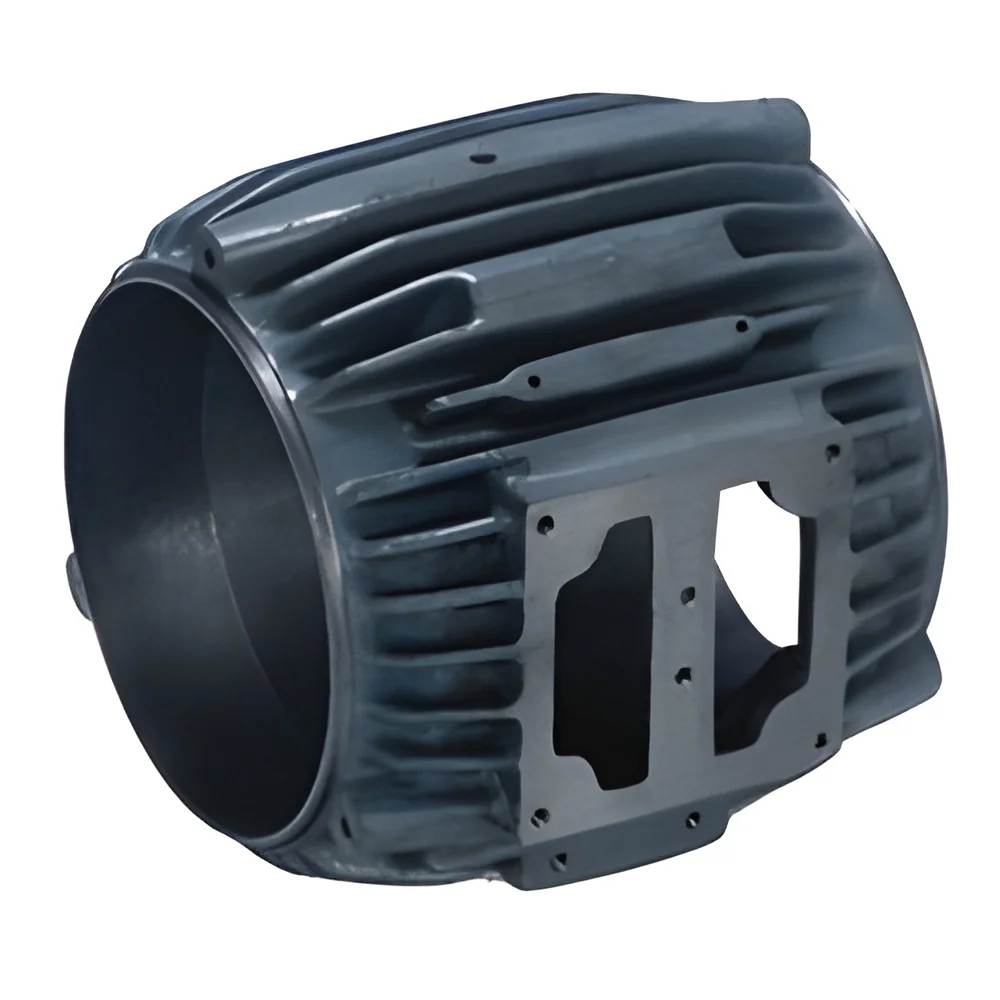
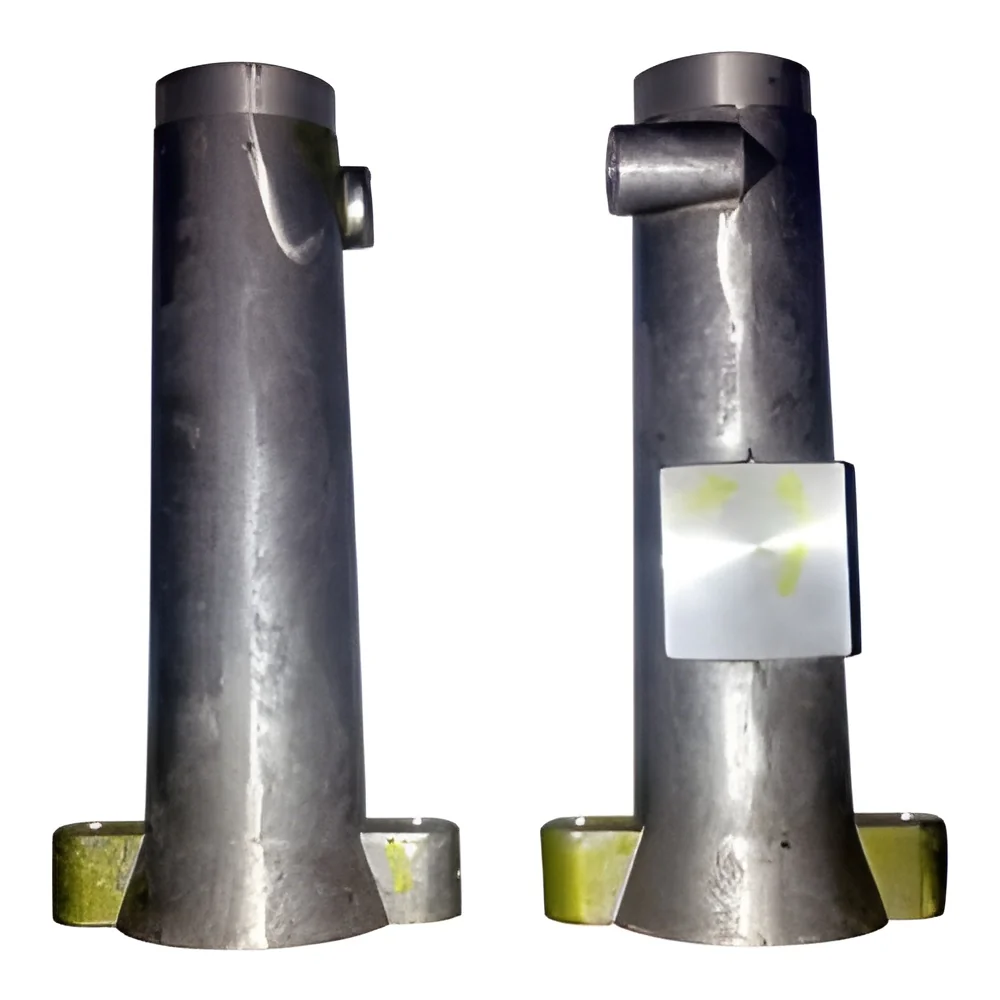
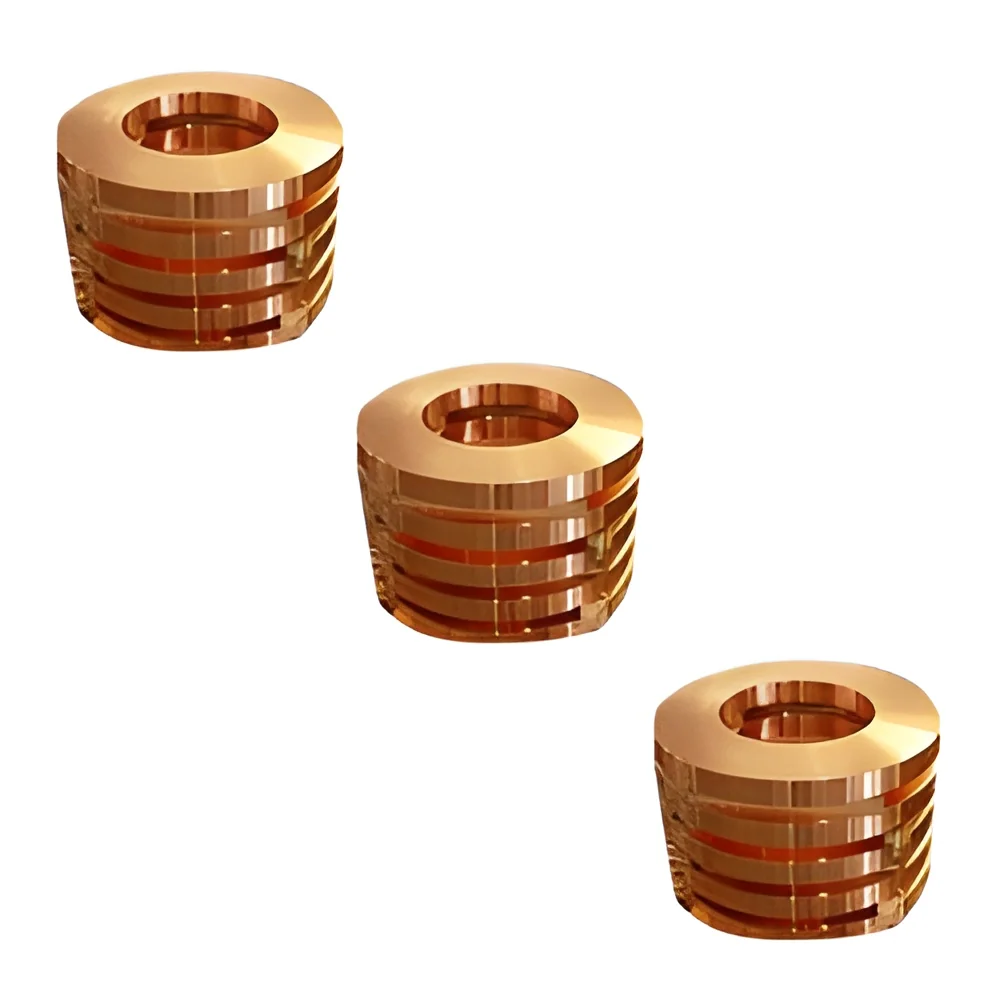
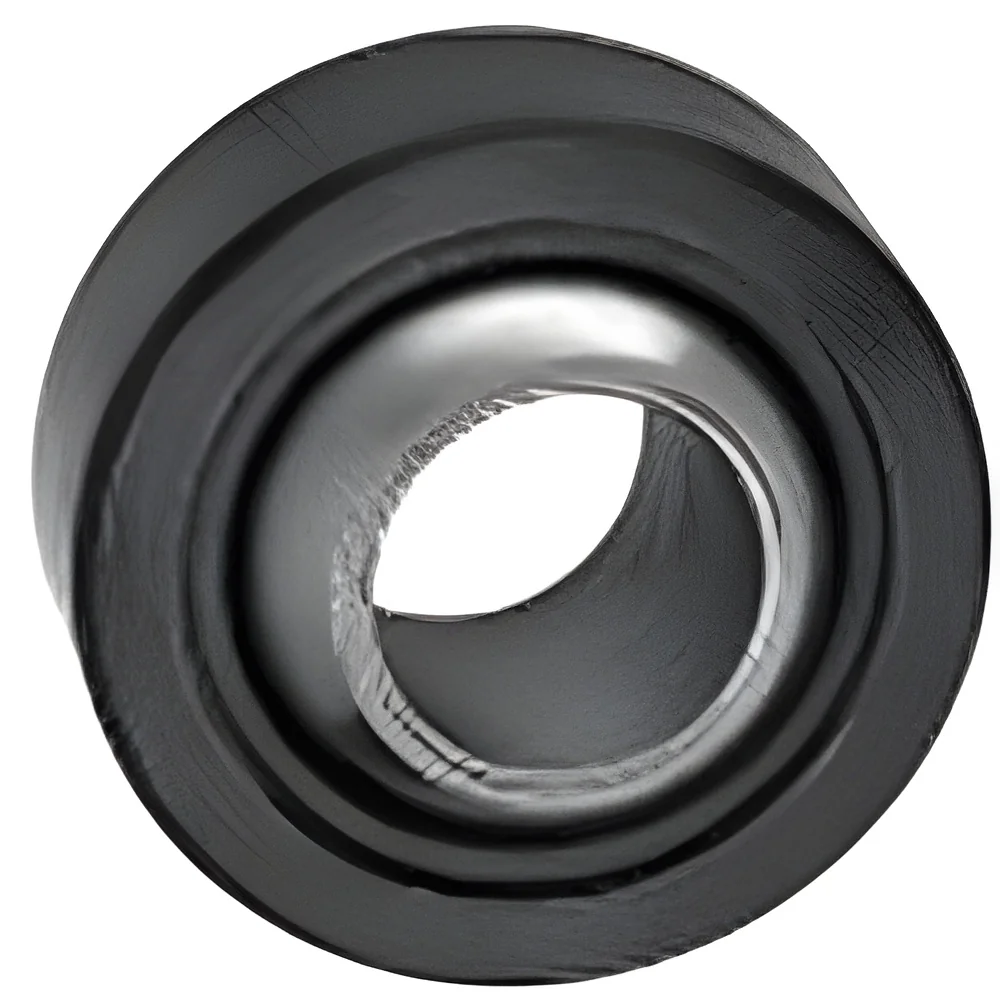
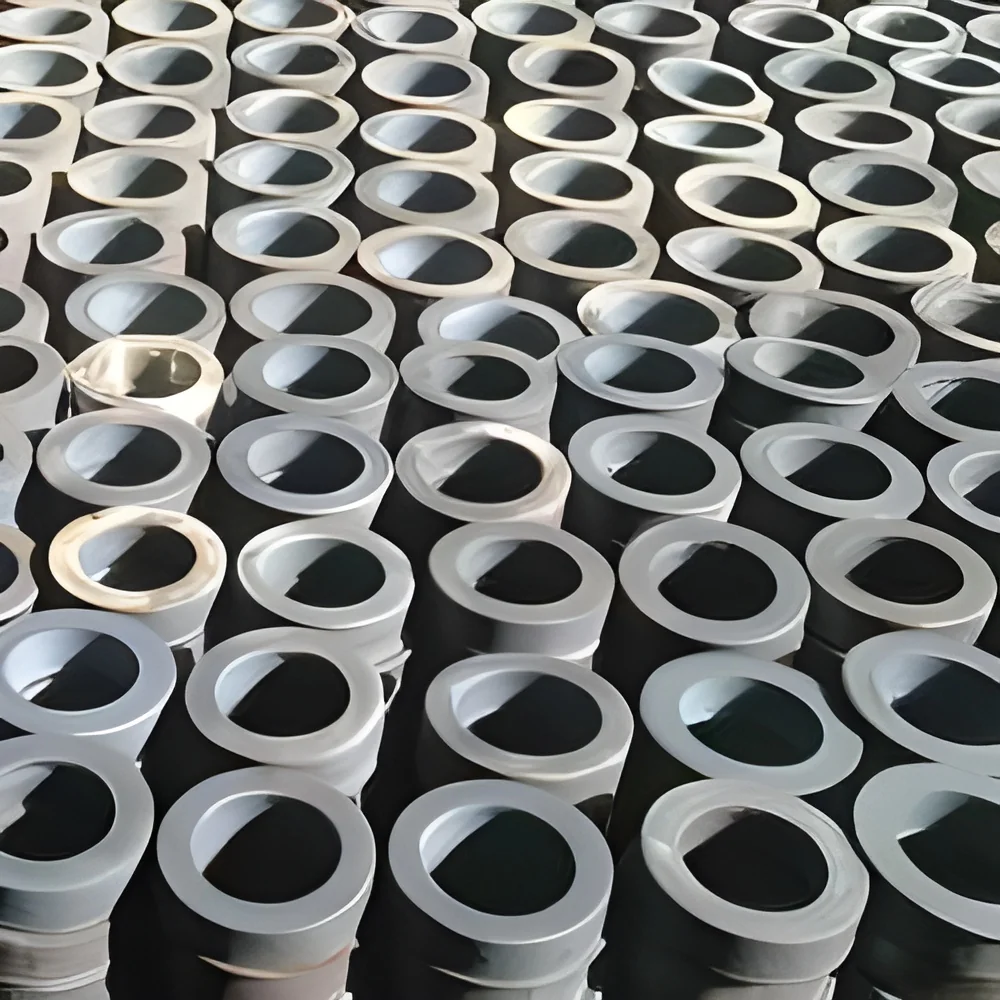
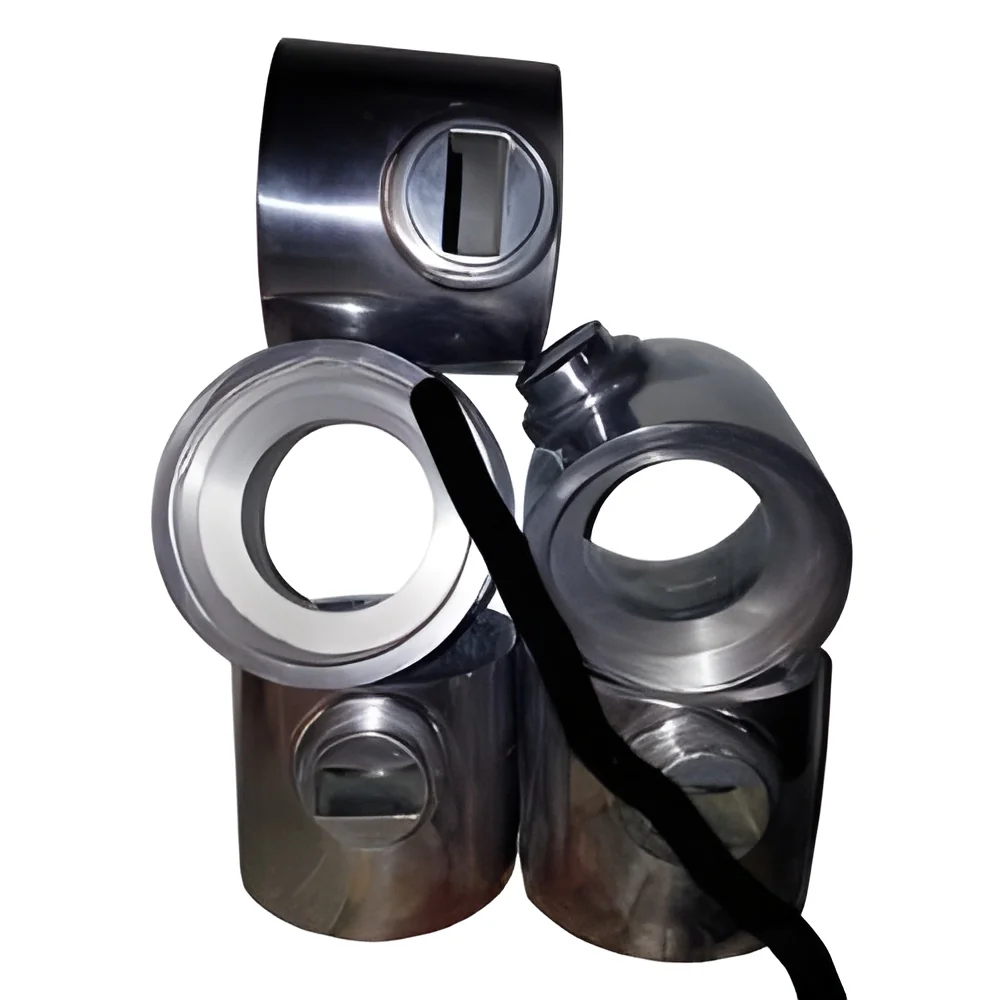
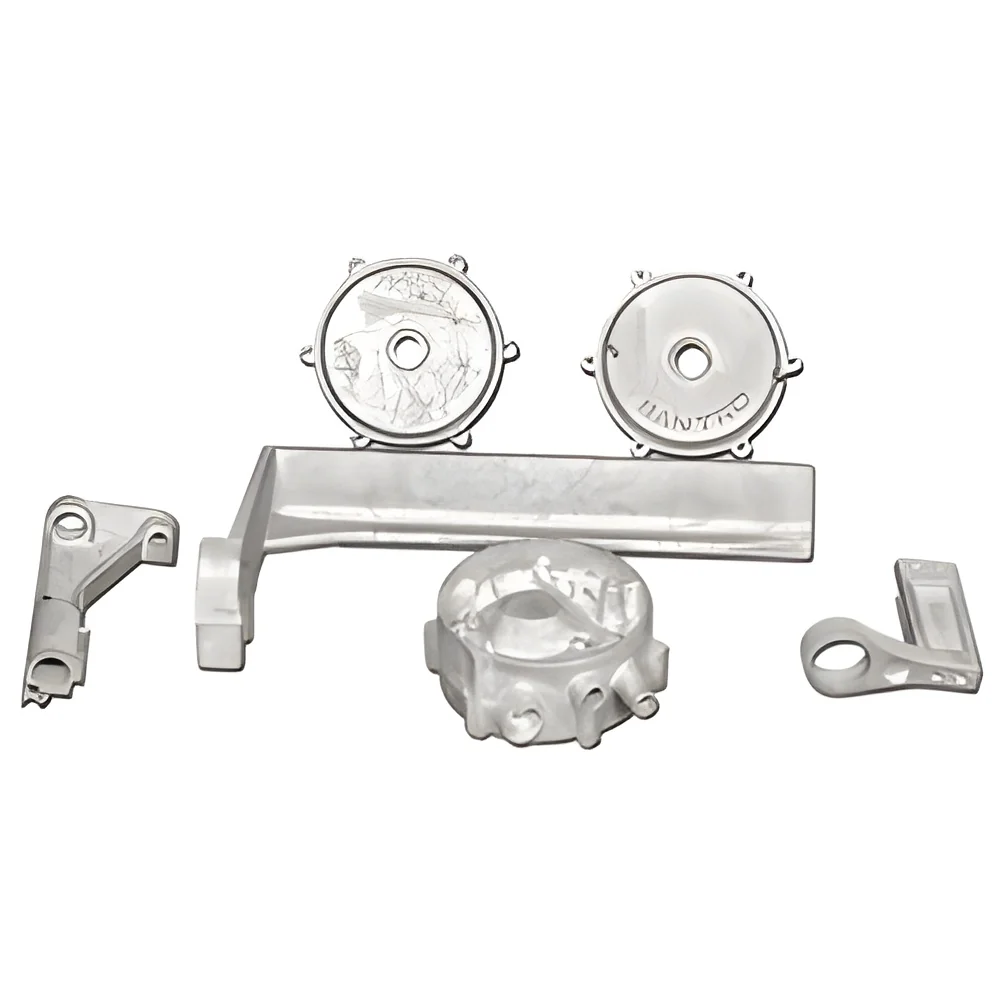
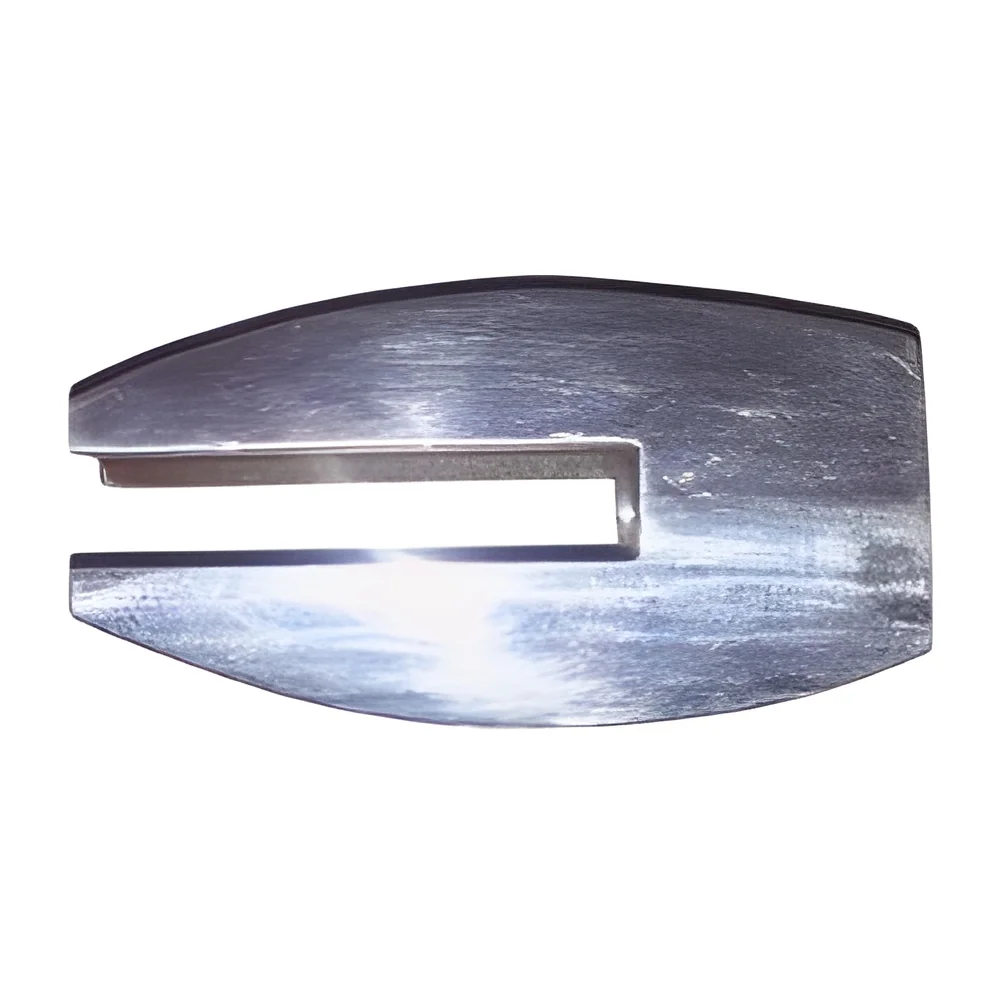
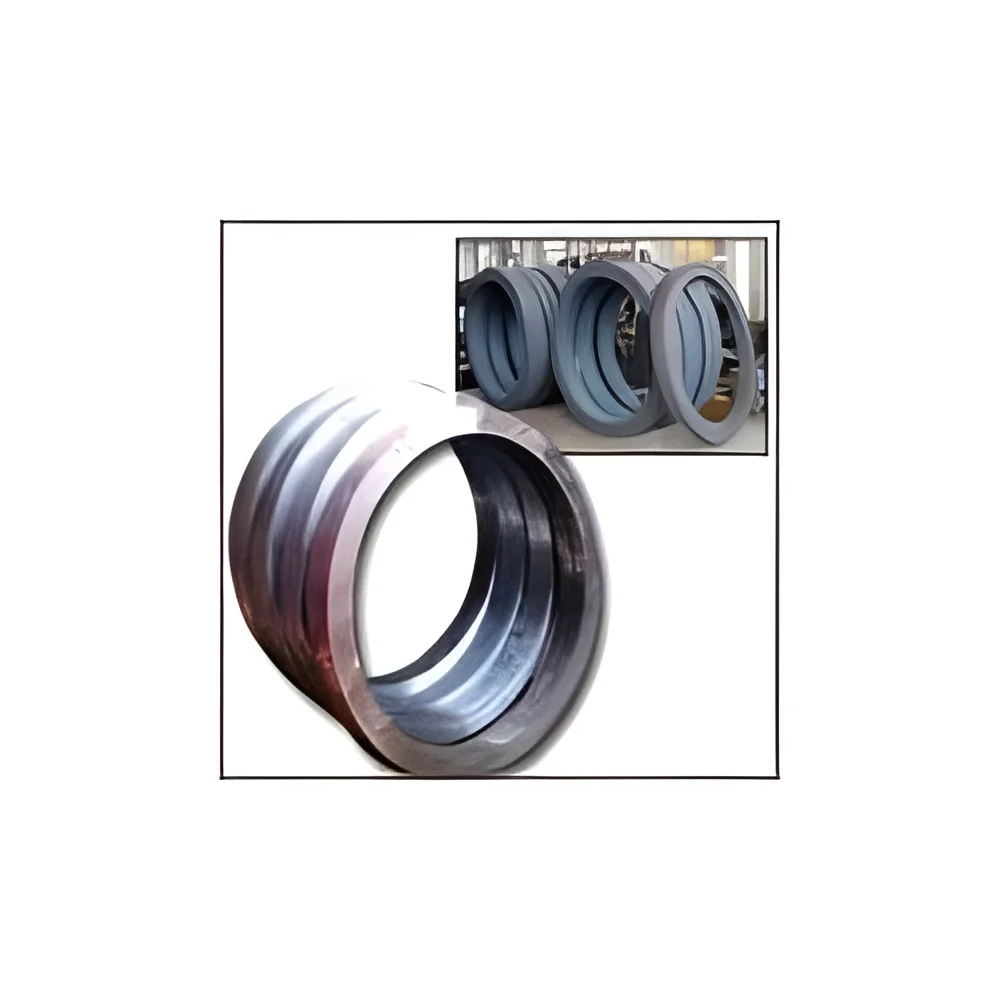
Precision forged rings represent advanced manufacturing solutions for industrial applications requiring superior strength and reliability. These components are produced through controlled forging processes that enhance material properties, grain structure, and mechanical performance. Available in various specifications including custom diameters, weights, and thicknesses, they are engineered to withstand extreme operational conditions while maintaining dimensional stability. The forging methodology ensures optimal strength-to-weight ratios, making these rings ideal for critical applications where safety and performance cannot be compromised. Each component undergoes thorough quality verification to guarantee precise dimensions and consistent material properties across production batches.

These forged rings fulfill essential functions across multiple industrial sectors. Aerospace applications incorporate them in jet engine assemblies, landing gear systems, and structural airframe compo...
Precision forged rings represent advanced manufacturing solutions for industrial applications requiring superior strength and reliability. These components are produced through controlled forging processes that enhance material properties, grain structure, and mechanical performance. Available in various specifications including custom diameters, weights, and thicknesses, they are engineered to withstand extreme operational conditions while maintaining dimensional stability. The forging methodology ensures optimal strength-to-weight ratios, making these rings ideal for critical applications where safety and performance cannot be compromised. Each component undergoes thorough quality verification to guarantee precise dimensions and consistent material properties across production batches.

These forged rings fulfill essential functions across multiple industrial sectors. Aerospace applications incorporate them in jet engine assemblies, landing gear systems, and structural airframe components where lightweight durability is crucial. Automotive manufacturers utilize them in transmission systems, differential assemblies, and wheel bearing applications requiring high fatigue resistance. The oil and gas industry depends on these rings for high-pressure valve bodies, pipeline connectors, and drilling equipment components. Renewable energy systems integrate them into wind turbine main shafts, gearbox assemblies, and hydraulic systems. Heavy machinery manufacturers employ them in excavator swing rings, industrial press frames, and mining equipment where impact resistance and long service life are paramount.

Businesses select precision forged rings for their proven reliability and long-term operational value. These components significantly reduce maintenance requirements and downtime through their exceptional wear resistance and fatigue strength characteristics. The availability of customized specifications enables seamless integration into existing systems, optimizing performance efficiency and operational reliability. Manufacturers benefit from consistent product quality, reliable delivery schedules, and competitive pricing structures that help maintain project timelines and budget constraints. The forged manufacturing process delivers superior mechanical properties compared to cast or machined alternatives, providing enhanced safety margins and operational confidence in demanding industrial environments.

Key Features:
- Precision forging process enhances material strength and structural integrity
- Custom diameters, weights, and thicknesses available for specific requirements
- Superior grain flow characteristics compared to casting methods
- Comprehensive quality control ensures dimensional accuracy
- Compatible with various ferrous materials for diverse applications

Benefits:
- Enhanced durability and extended service life in demanding conditions
- Custom specifications ensure perfect fit for specific applications
- Superior mechanical properties compared to cast alternatives
- Consistent quality and reliable performance across all components
- Versatile material compatibility for various industrial requirements
Specifications
| Additional Information | |
|---|---|
| Country of Origin | India |
Application
Precision forged rings serve as critical components in industries where strength, durability, and dimensional accuracy are essential. These rings provide reliable performance in rotational systems, structural assemblies, and high-stress machinery applications. Their forged construction ensures superior mechanical properties that withstand extreme operational conditions while maintaining precise specifications for perfect system integration.
Multiple industrial sectors depend on precision forged rings for their demanding applications. Aerospace manufacturers utilize them in engine and landing systems, while automotive companies integrate them into transmission and powertrain assemblies. Heavy equipment, oil and gas, and renewable energy industries rely on these rings for their exceptional performance under high pressure, temperature variations, and corrosive environments where component failure is not an option.
- Gear rings and transmission components in automotive systems
- High-pressure flanges and connectors for oil and gas pipelines
- Structural rings for wind turbine generators and renewable energy
- Bearing races and slewing rings in construction equipment
- Engine components and turbine rings in aerospace applications
Trade Details
| Available Stock | In Stock |
| Sample Availability | No |
Payment Terms
| Payment Terms |
|
Company Profile
Devam Cast & Forge, Gujarat
 Gujarat, India
Gujarat, IndiaManufacturer
Factory Details
Factory SizeBelow 1000 sqm
Annual Production Capacity0
Precision Forged Rings For Industrial Applications In Aerospace Automotive
Precision forged rings for industrial applications in aerospace, automotive, and heavy machinery sectors. Engineered for reliability with custom diameters, weights, and thicknesses to meet demanding performance requirements.
Min. Order Quantity: 1 unit
Shipping
Shipping fee and delivery date to be negotiated. Contact supplier now for more details.
Devam Cast & Forge
 Gujarat, India
Gujarat, IndiaManufacturer