IN
IN₹
Apparel & Fashion
Loading subcategories...
View More
Description
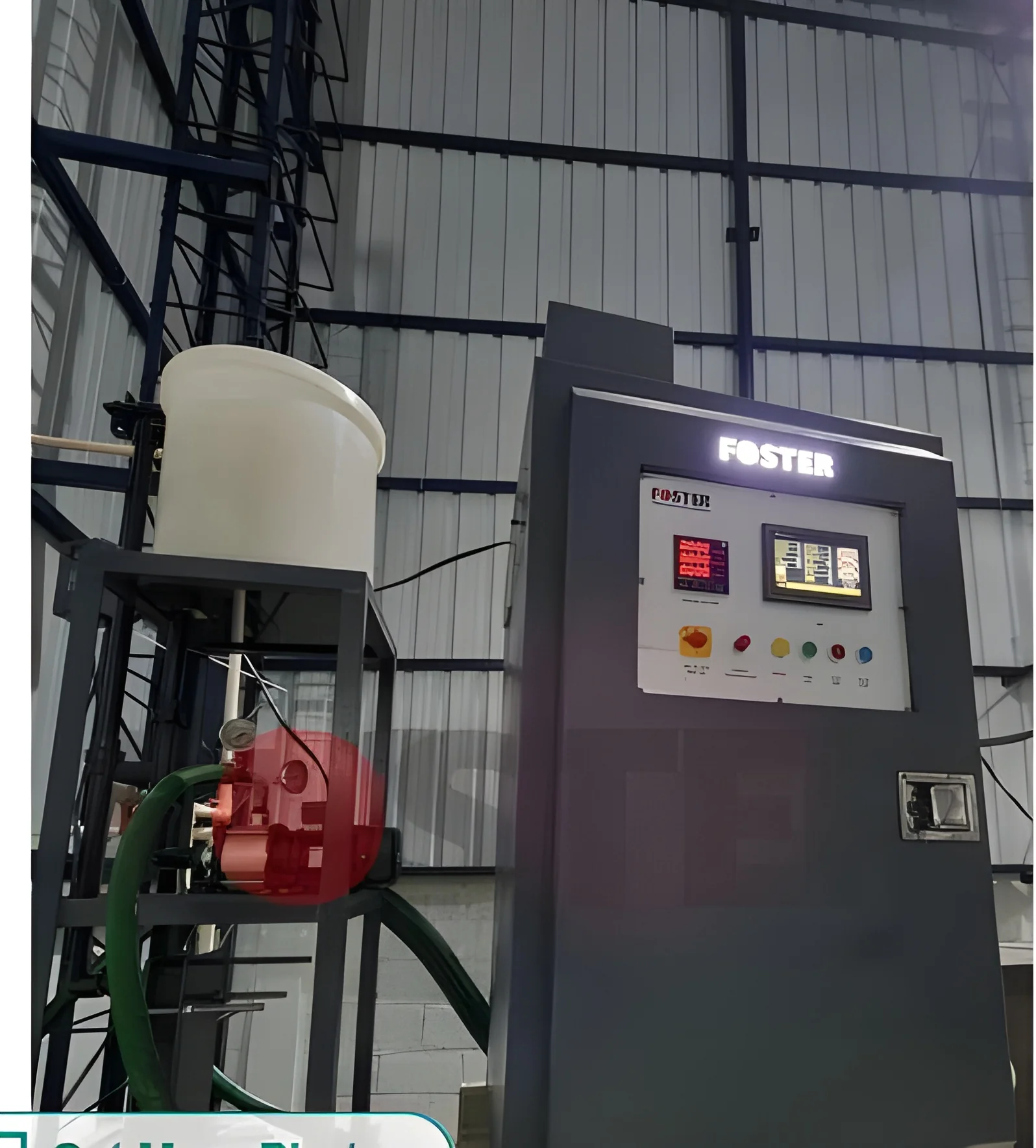
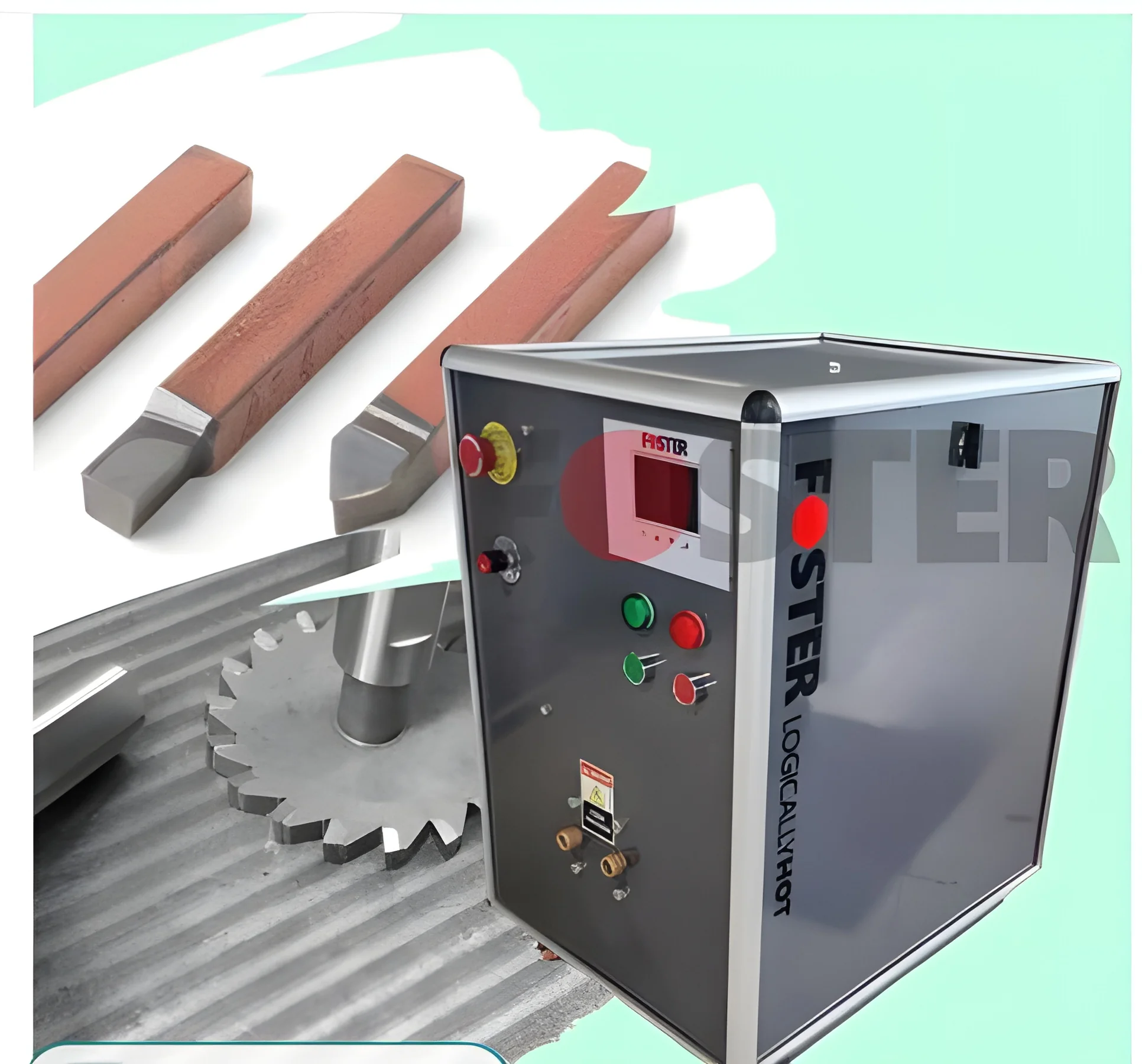
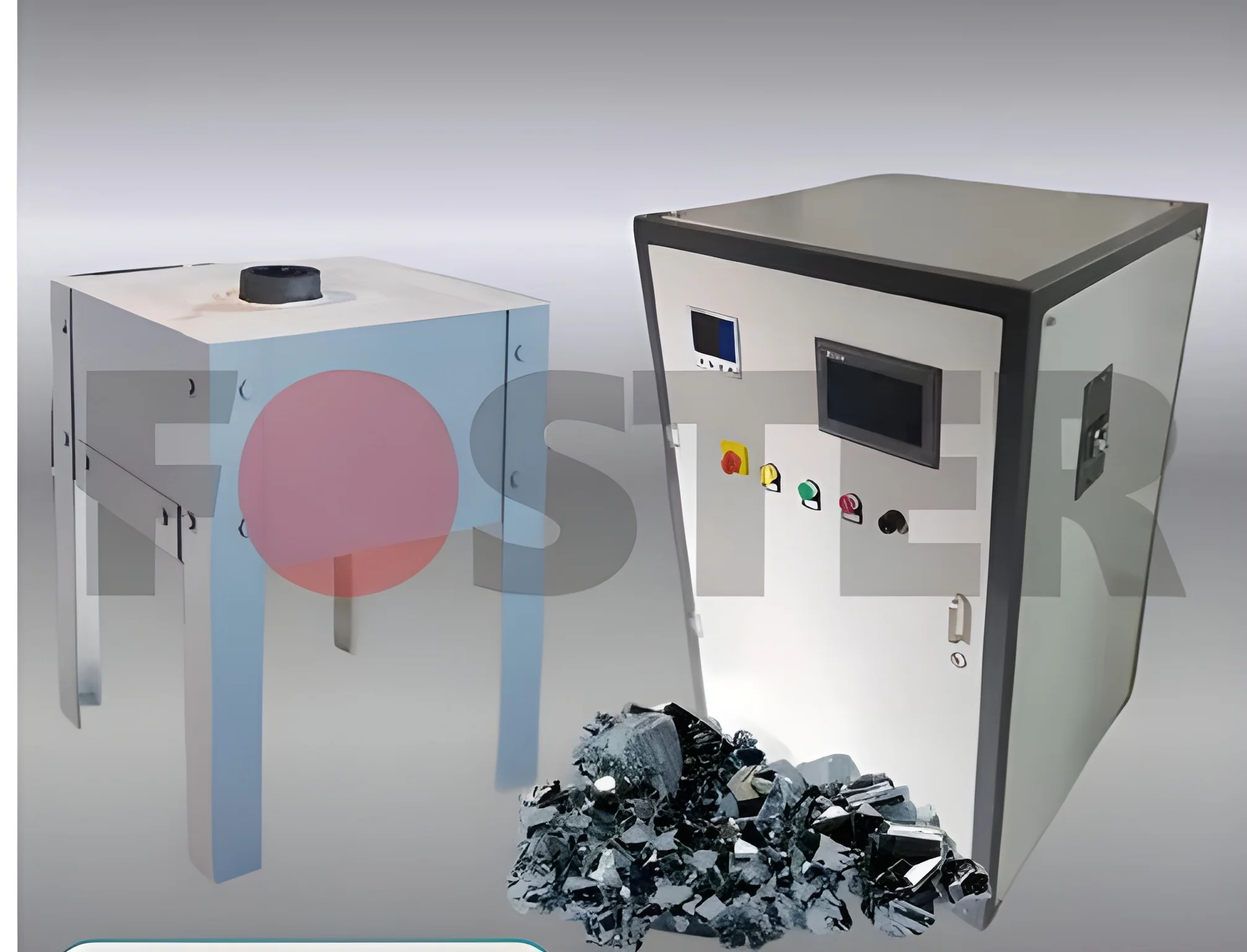
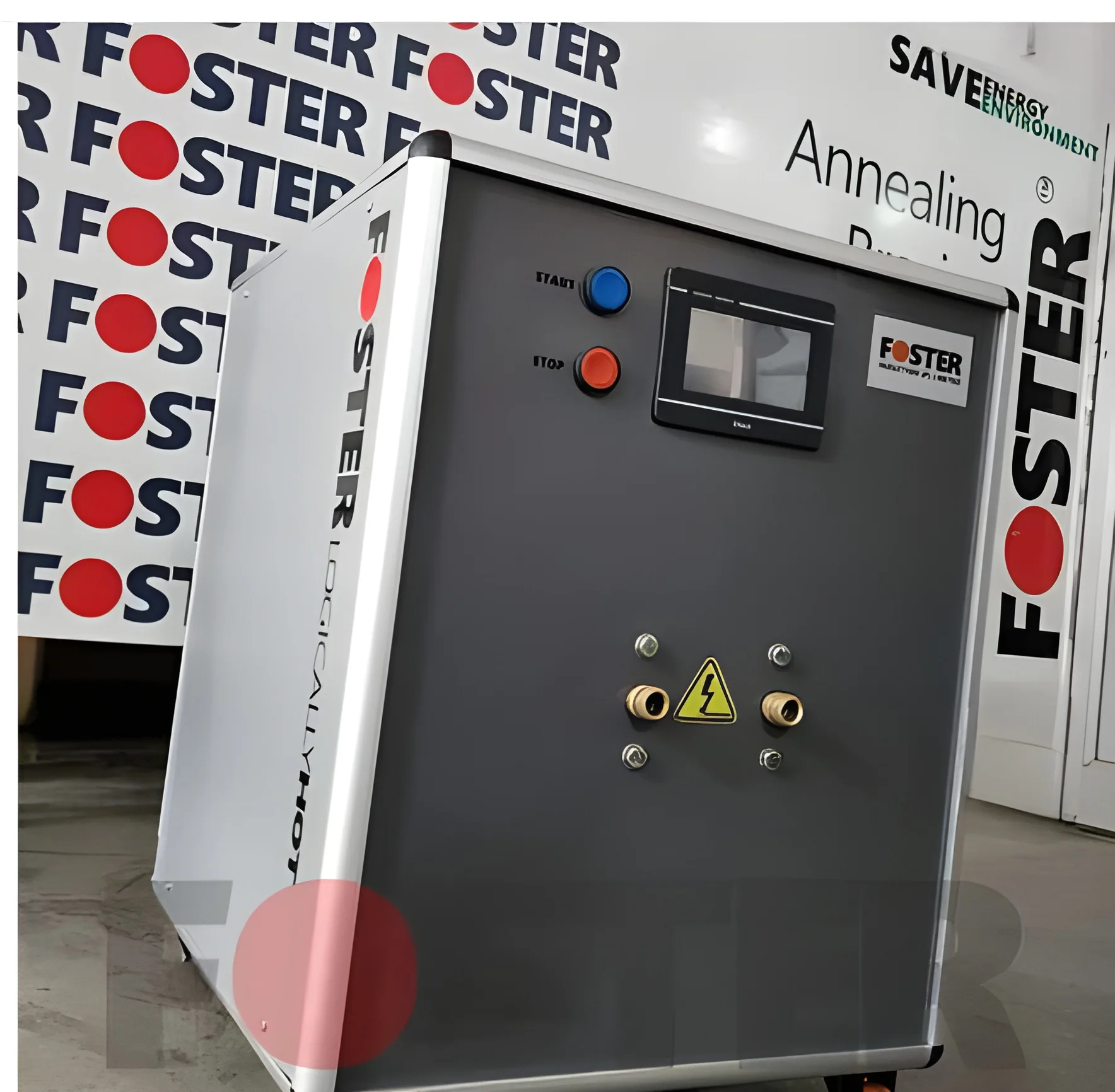
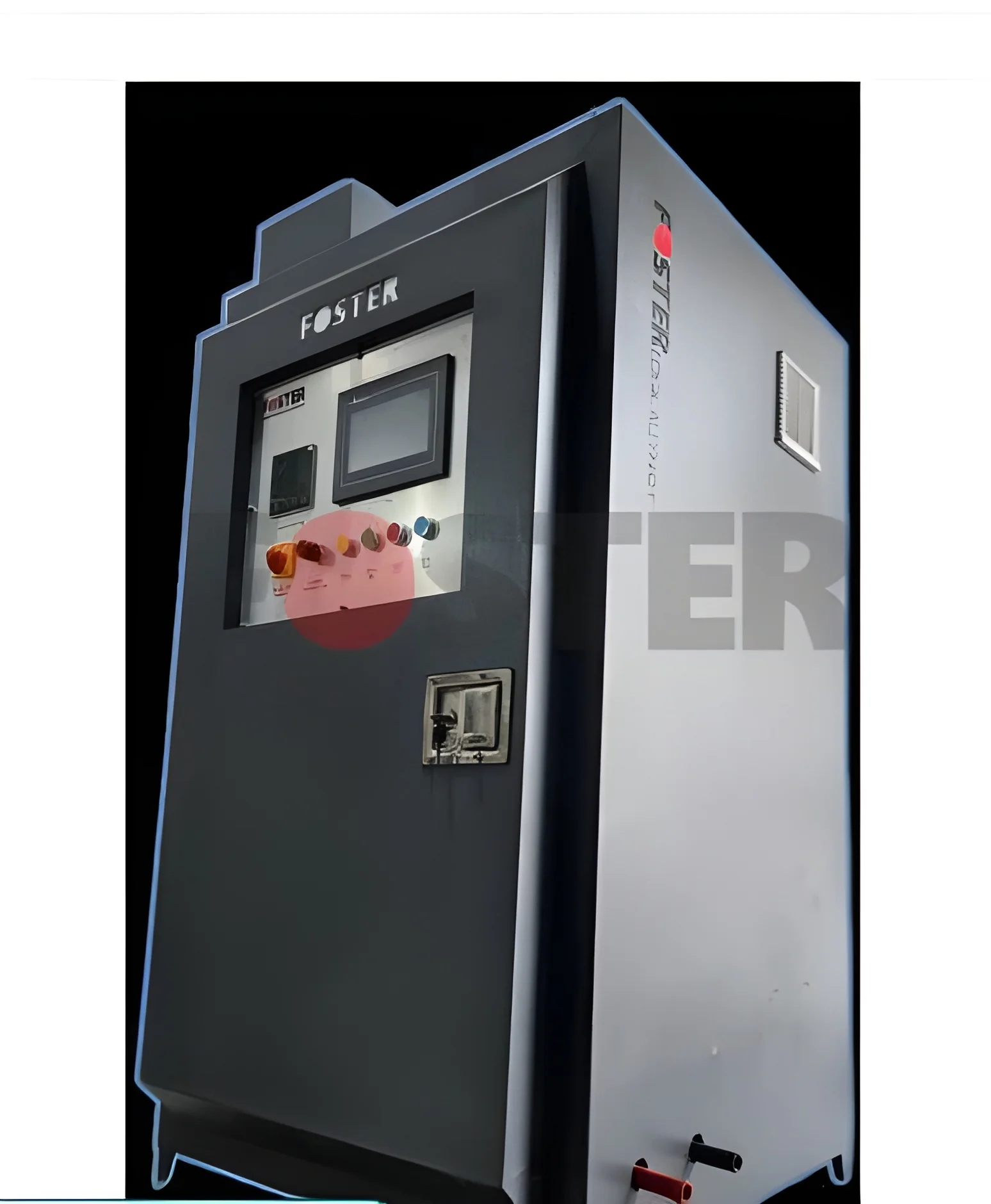
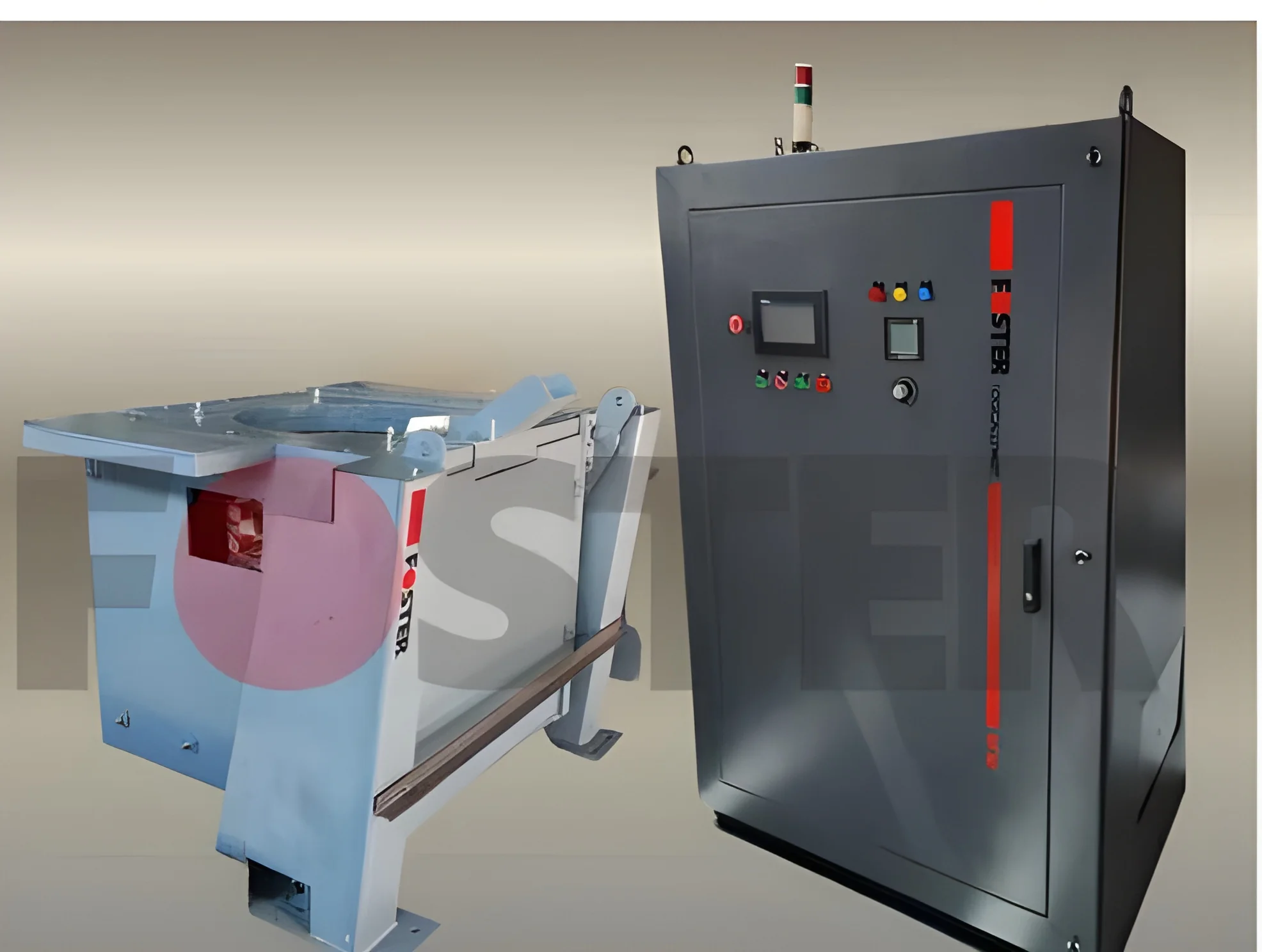
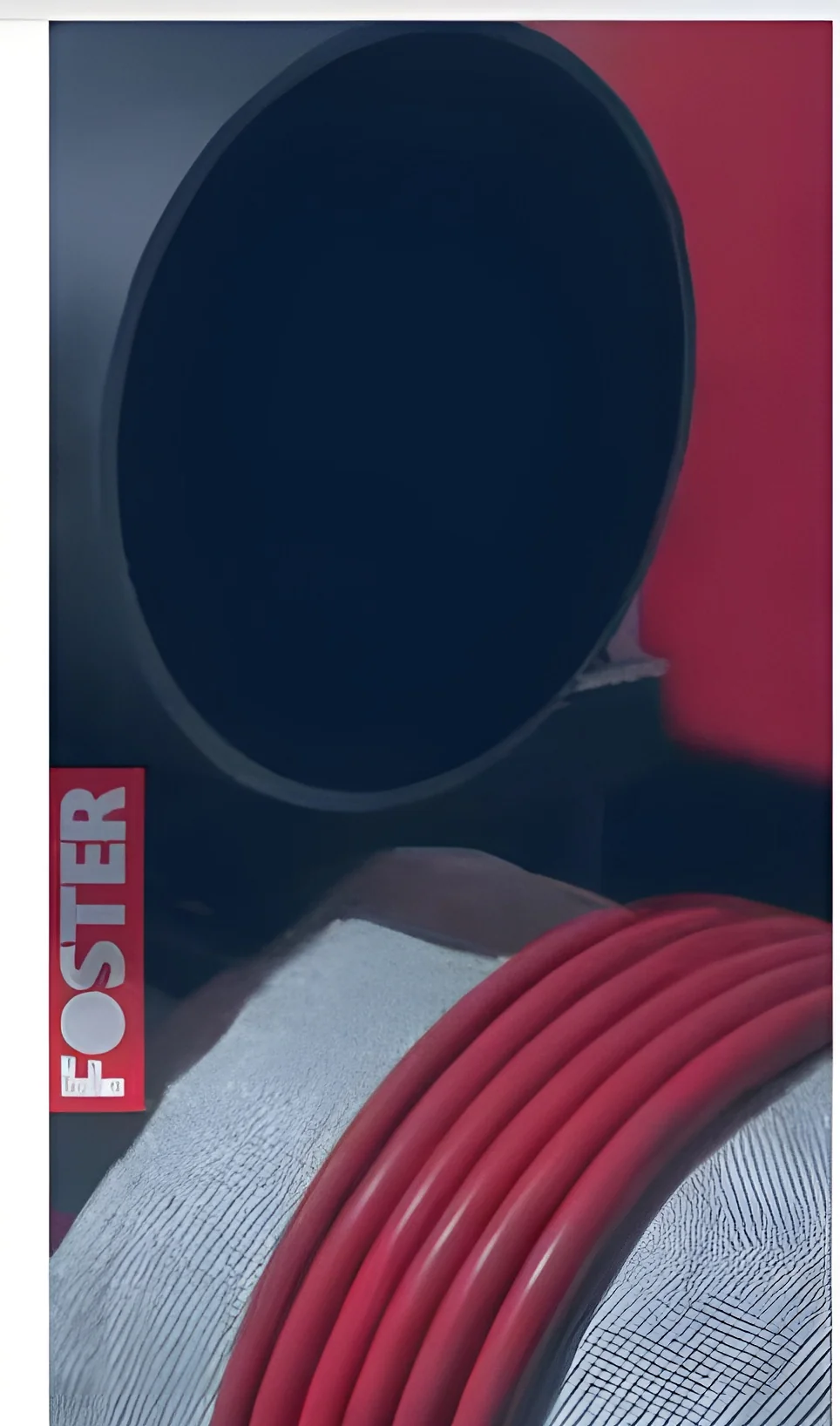
Post Weld Heat Treatment Equipment delivers precise thermal processing for welded components through controlled heating and cooling cycles. This specialized equipment heats welded joints to specific temperatures, holds them for predetermined durations, then gradually cools them to ambient conditions. Using advanced induction or resistance heating technologies, it ensures uniform temperature distribution across the weld zone and heat-affected areas. The system incorporates digital controllers for accurate temperature monitoring and programmable cycles, making it suitable for both workshop and field applications. This process is essential for metallurgical transformation that relieves residual stresses, improves mechanical properties, and prevents premature failure in critical welded structures.

This equipment serves vital roles across multiple heavy industries where weld integrity is non-negotiable. In oil and gas sectors, it treats pipeline girth welds and pressure vessel seams to wit...
Post Weld Heat Treatment Equipment delivers precise thermal processing for welded components through controlled heating and cooling cycles. This specialized equipment heats welded joints to specific temperatures, holds them for predetermined durations, then gradually cools them to ambient conditions. Using advanced induction or resistance heating technologies, it ensures uniform temperature distribution across the weld zone and heat-affected areas. The system incorporates digital controllers for accurate temperature monitoring and programmable cycles, making it suitable for both workshop and field applications. This process is essential for metallurgical transformation that relieves residual stresses, improves mechanical properties, and prevents premature failure in critical welded structures.

This equipment serves vital roles across multiple heavy industries where weld integrity is non-negotiable. In oil and gas sectors, it treats pipeline girth welds and pressure vessel seams to withstand extreme operating conditions. Power generation facilities utilize PWHT for boiler components, turbine casings, and high-pressure piping systems. Structural steel fabricators employ it for bridges, building frames, and industrial structures requiring certified welds. Manufacturing industries depend on it for heavy equipment, mining machinery, and transportation infrastructure. The maritime and offshore industries apply PWHT to ship hulls, platform structures, and subsea installations where reliability is paramount.

Investing in quality post weld heat treatment equipment delivers significant business value through enhanced operational safety and reduced lifecycle costs. Proper PWHT extends component service life, minimizes unexpected failures, and lowers maintenance expenses. The equipment's reliability ensures consistent results batch after batch, supporting quality certification and regulatory compliance. Customizable configurations allow adaptation to specific project requirements, while portable options enable on-site treatment without disassembly. This flexibility reduces downtime and transportation costs, providing competitive advantages for contractors and fabricators. The equipment's durability and low maintenance requirements contribute to long-term operational efficiency and return on investment.

Key Features:
- Precision digital temperature control with programmable cycles
- Uniform heating distribution using induction or resistance methods
- Portable and stationary configurations for workshop or field use
- Robust construction with durable heating elements and insulation
- Customizable solutions for specific application requirements

Benefits:
- Reduces residual stresses and prevents cracking in welded joints
- Improves mechanical properties including toughness and ductility
- Ensures compliance with international codes and quality standards
- Extends service life of critical components and structures
- Enhances safety and reliability in demanding operating environments
Specifications
| Additional Information | |
|---|---|
| Country of Origin | India |
| Customisable | No |
Application
Post weld heat treatment equipment is essential for industries where weld integrity directly impacts safety and longevity. It is used to relieve residual stresses in metal components after welding, preventing cracking and failure. This process is critical for maintaining structural integrity under high pressure, temperature fluctuations, and heavy loads, ensuring long-term operational reliability and compliance with international standards.
Industries such as oil and gas, power generation, and heavy fabrication rely on PWHT to meet stringent quality and safety regulations. The equipment enables precise temperature control during heating and cooling cycles, which is vital for complex assemblies and high-value components. Its application spans manufacturing, construction, and maintenance sectors, supporting projects from new builds to repair and requalification of existing structures. Real-world applications:
Real-world applications:
- Stress relieving and tempering of welded pressure vessels and boilers
- Pipeline girth weld heat treatment during construction and maintenance
- Post weld heat treatment for structural steel in bridges and buildings
- Enhancing weld properties in heavy machinery and equipment manufacturing
- PWHT for critical welds in offshore platforms and refinery piping
Trade Details
| Available Stock | In Stock |
| Sample Availability | No |
Payment Terms
| Payment Terms |
|
Company Profile

Foster Induction, Gujarat
 Gujarat, India
Gujarat, IndiaIndustrial Equipment & Machinery•Manufacturer
Factory Details
Factory SizeBelow 1000 sqm
Industrial Post Weld Heat Treatment Equipment For Stress Relief
Professional post weld heat treatment equipment for controlled heating and cooling of welded joints. Reduces stress, enhances strength, and ensures durability in pipelines, pressure vessels, and structural steel applications.
Min. Order Quantity: 1
Shipping
Shipping fee and delivery date to be negotiated. Contact supplier now for more details.
Foster Induction
 Gujarat, India
Gujarat, IndiaIndustrial Equipment & MachineryManufacturer