IN
IN₹
Apparel & Fashion
Description
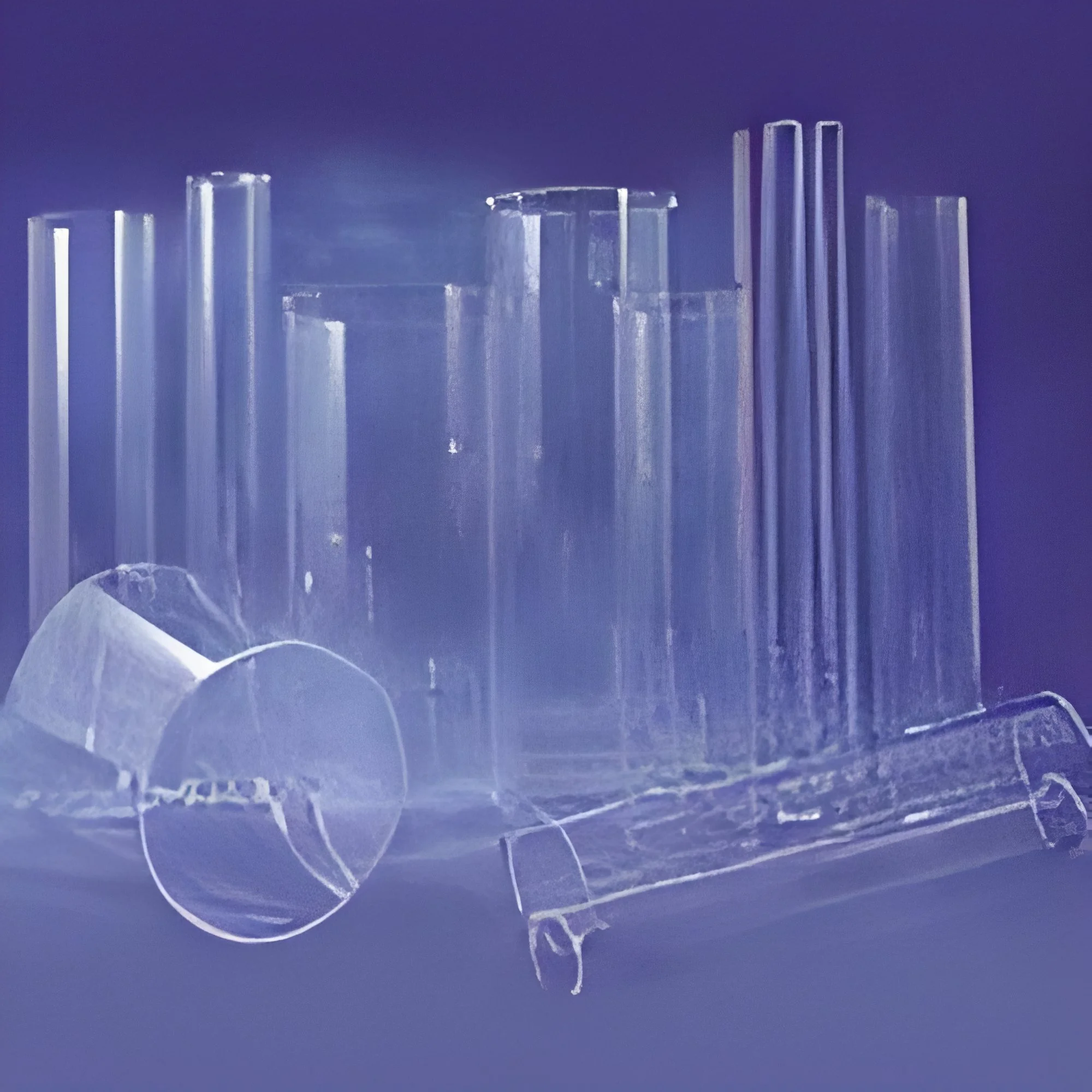
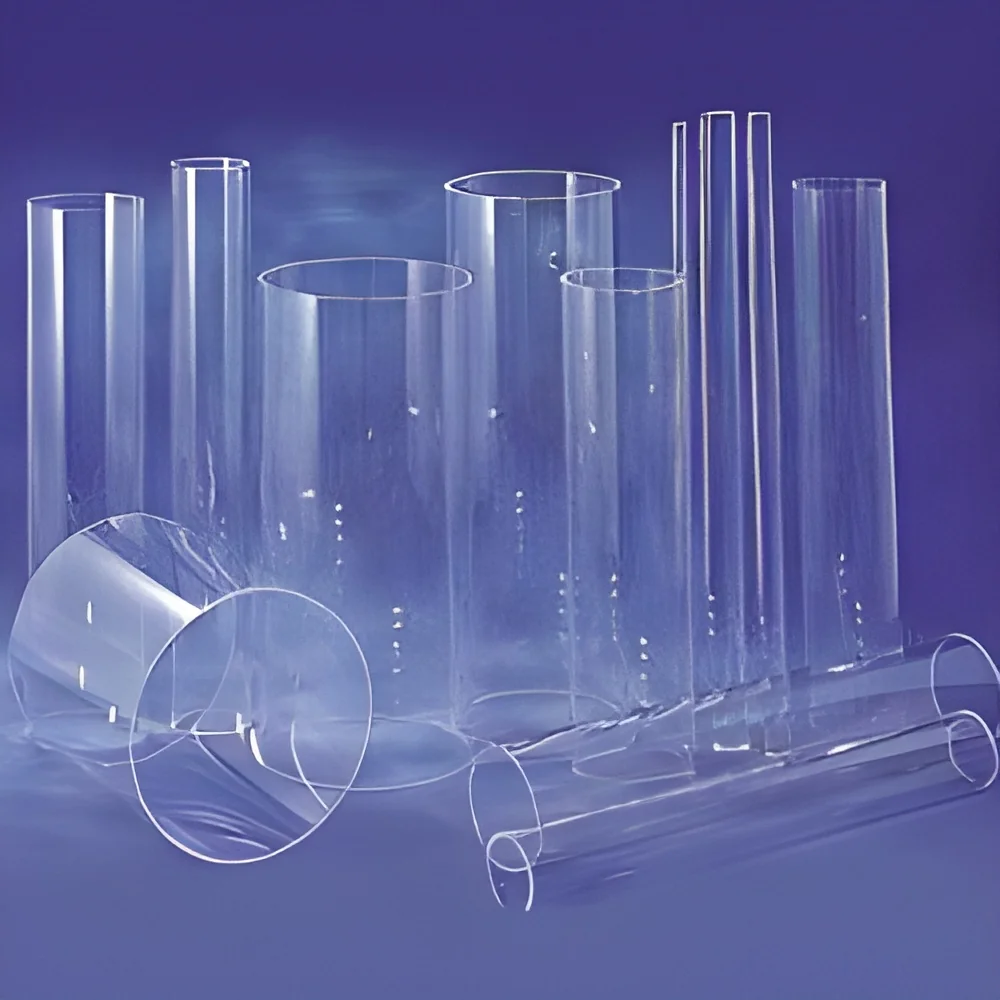
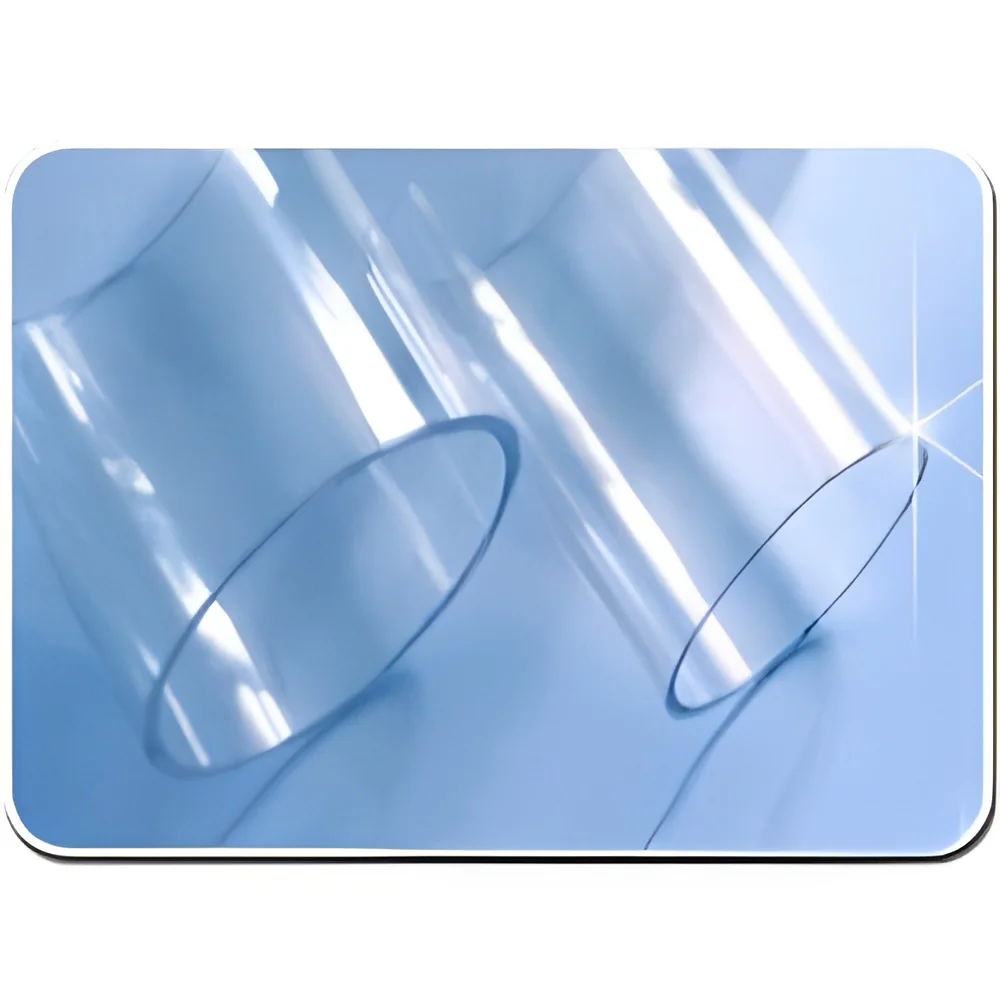
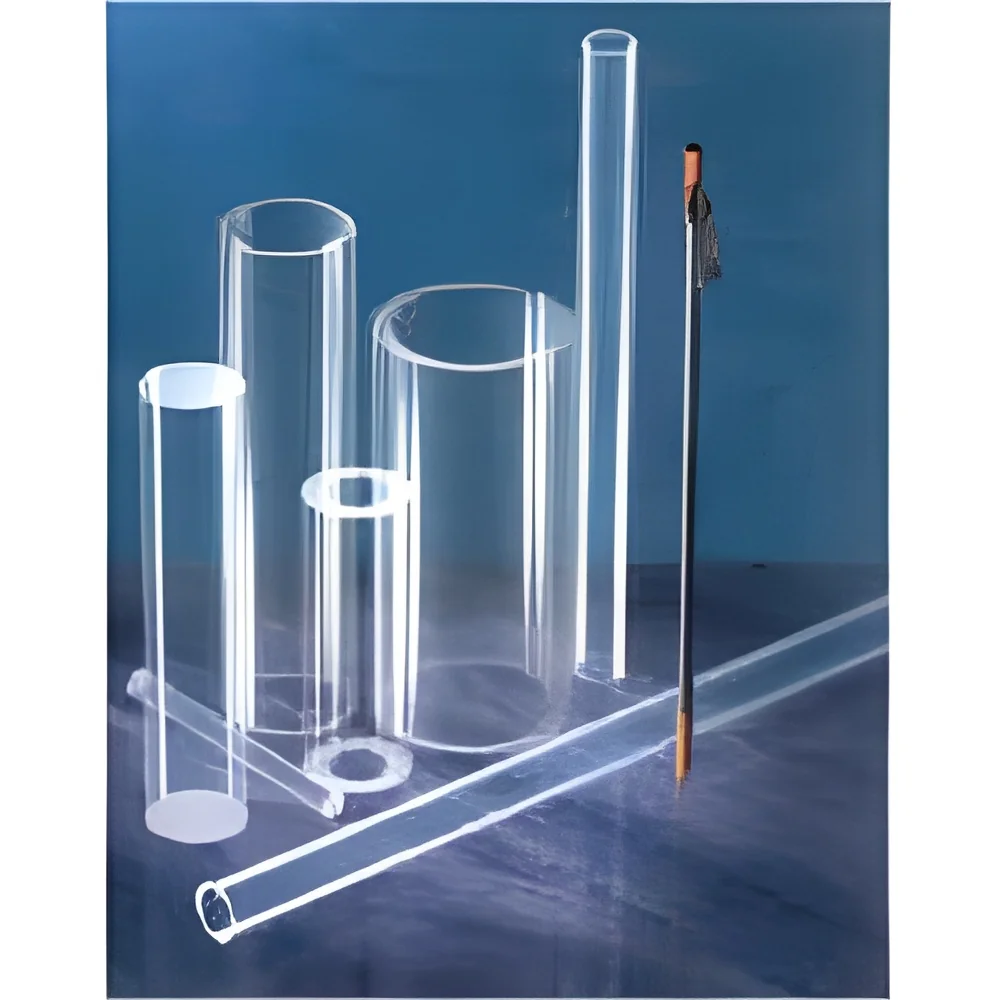
Industrial polycarbonate crystal clear pipes represent advanced transparent tubing technology engineered for demanding industrial environments where both visibility and durability are essential. These pipes combine exceptional optical clarity with remarkable physical properties, creating solutions that outperform both glass and standard plastic alternatives. Manufactured from premium polycarbonate material, they maintain transparency during continuous operation while providing superior resistance to heat, impact, and abrasion. The material's inherent strength ensures extended service life without yellowing or clouding, making them perfect for applications requiring consistent visual monitoring throughout their operational lifespan. Available in standard 1-meter lengths with diameter options from 17x25 ID/OD to 61x64 ID/OD, these pipes deliver reliable performance across various industrial settings.

These crystal clear polycarbonate pipes serve critical functions across multiple indust...
Industrial polycarbonate crystal clear pipes represent advanced transparent tubing technology engineered for demanding industrial environments where both visibility and durability are essential. These pipes combine exceptional optical clarity with remarkable physical properties, creating solutions that outperform both glass and standard plastic alternatives. Manufactured from premium polycarbonate material, they maintain transparency during continuous operation while providing superior resistance to heat, impact, and abrasion. The material's inherent strength ensures extended service life without yellowing or clouding, making them perfect for applications requiring consistent visual monitoring throughout their operational lifespan. Available in standard 1-meter lengths with diameter options from 17x25 ID/OD to 61x64 ID/OD, these pipes deliver reliable performance across various industrial settings.

These crystal clear polycarbonate pipes serve critical functions across multiple industries requiring dependable transparent fluid transfer systems. Chemical processing facilities utilize them for visual monitoring of reactions and flow without compromising safety. Food production operations employ these pipes for hygienic transfer lines where cleanliness and inspection capabilities are paramount. Pharmaceutical manufacturers rely on them for sterile processes where contamination prevention is visible. Water treatment plants benefit from their transparency for monitoring filtration processes, while industrial machinery applications use them as protective sheathing for hydraulic lines requiring status visibility. Their compatibility with various fluids and resistance to chemical corrosion makes them suitable for handling everything from purified water to aggressive industrial chemicals.

The operational value of these polycarbonate pipes lies in their exceptional reliability and long-term cost-effectiveness. Unlike glass tubing, they resist shattering under impact or pressure fluctuations, significantly reducing downtime and replacement expenses. Compared to other plastic alternatives, they maintain structural integrity and optical clarity at higher temperatures, typically withstanding continuous operation at elevated temperatures that would compromise other materials. Their abrasion resistance ensures they preserve smooth interior surfaces that won't degrade flow characteristics or trap contaminants. This combination of durability, visibility, and performance creates a tubing solution that delivers consistent operation while minimizing maintenance requirements and operational costs across various industrial applications.

Key Features:
- Exceptional optical clarity maintained throughout product lifespan
- High heat resistance suitable for elevated temperature applications
- Superior abrasion and impact resistance compared to alternatives
- Available in standard sizes from 17x25 to 61x64 ID/OD dimensions
- Chemical corrosion resistance for handling various industrial fluids

Benefits:
- Continuous visual monitoring capabilities without operational interruption
- Reduced maintenance costs and extended service life
- Enhanced safety compared to fragile glass alternatives
- Consistent performance under demanding temperature conditions
- Reliable fluid transfer with maintained flow characteristics
Specifications
| Additional Information | |
|---|---|
| Country of Origin | India |
Application
Our polycarbonate crystal clear pipes deliver reliable performance in environments requiring both transparency and durability. Their exceptional heat resistance and abrasion-proof qualities make them suitable for handling various fluids while allowing continuous visual monitoring without interrupting operations. The material maintains clarity under demanding conditions where other transparent materials would fail.
Available in standard diameters from 17x25 ID/OD to 61x64 ID/OD in 1-meter lengths, these pipes withstand temperatures that compromise ordinary plastic tubing. They resist chemical corrosion and mechanical wear while providing excellent flow characteristics. The crystal clear construction ensures consistent visibility throughout the product lifecycle without yellowing or clouding.
- Chemical processing plants for transparent transfer lines enabling visual monitoring of reactions
- Food production facilities for hygienic fluid transfer where cleanliness and visibility are critical
- Pharmaceutical manufacturing for sterile processes requiring clear inspection capabilities
- Water treatment systems for monitoring filtration and purification processes visually
- Industrial machinery as protective sheathing for hydraulic lines with status visibility
Trade Details
| Available Stock | In Stock |
| Sample Availability | No |
Payment Terms
| Payment Terms |
|
Company Profile
Dutron Sinter Plast, Gujarat
 Gujarat, India
Gujarat, IndiaIndustrial Equipment & Machinery•Manufacturer•Importer / Exporter
Factory Details
Factory SizeBelow 1000 sqm
Annual Production Capacity0
Industrial Polycarbonate Crystal Clear Pipes Heat Abrasion Resistant
Industrial polycarbonate crystal clear pipes provide exceptional heat and abrasion resistance for demanding fluid transfer applications. These transparent pipes maintain clarity under tough conditions, ideal for chemical processing, food production, and industrial machinery where visual monitoring is essential.
Min. Order Quantity: 1 unit
Shipping
Shipping fee and delivery date to be negotiated. Contact supplier now for more details.
Dutron Sinter Plast
 Gujarat, India
Gujarat, IndiaIndustrial Equipment & MachineryManufacturer