IN
IN₹
Apparel & Fashion
Description
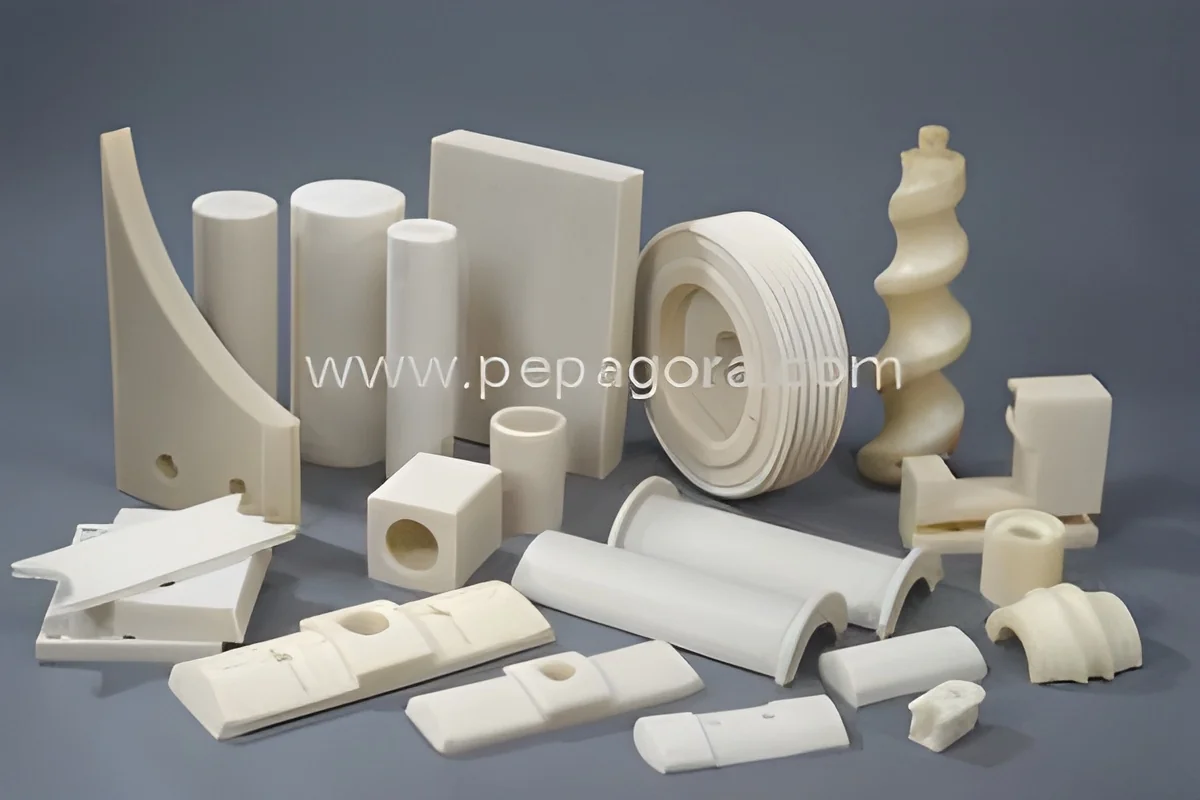
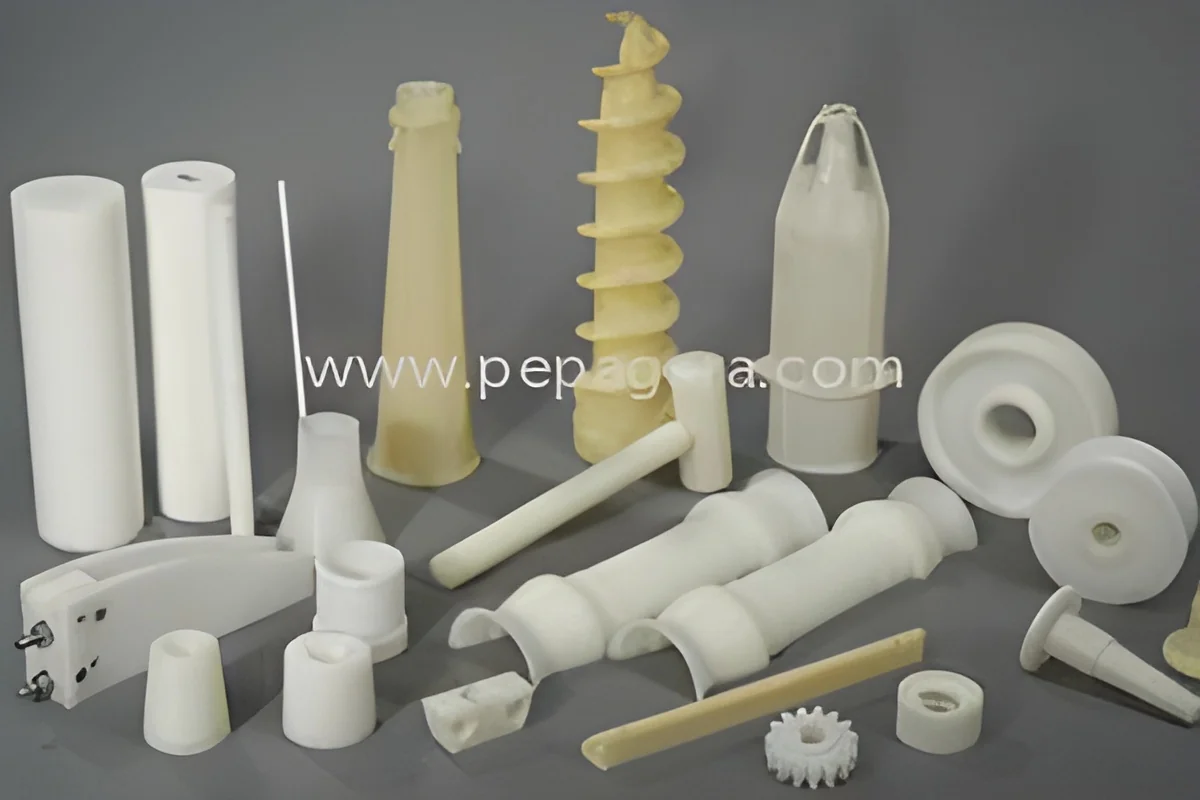
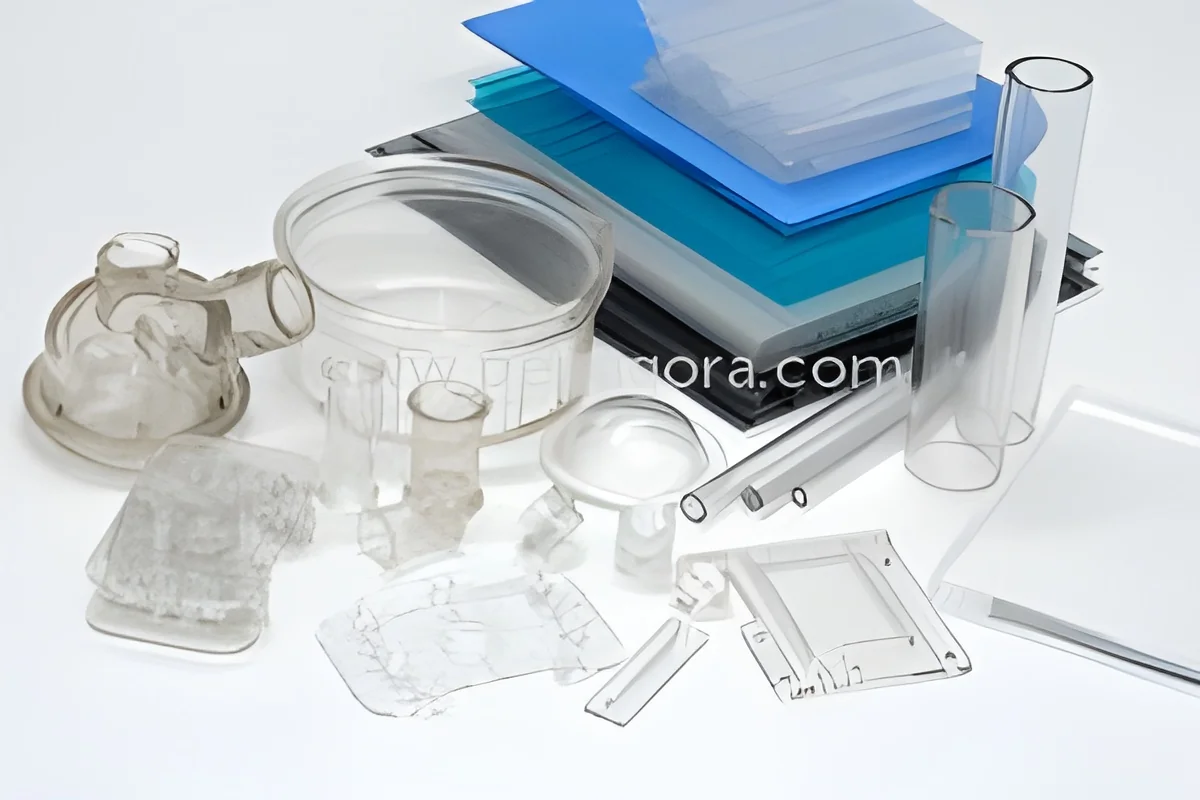
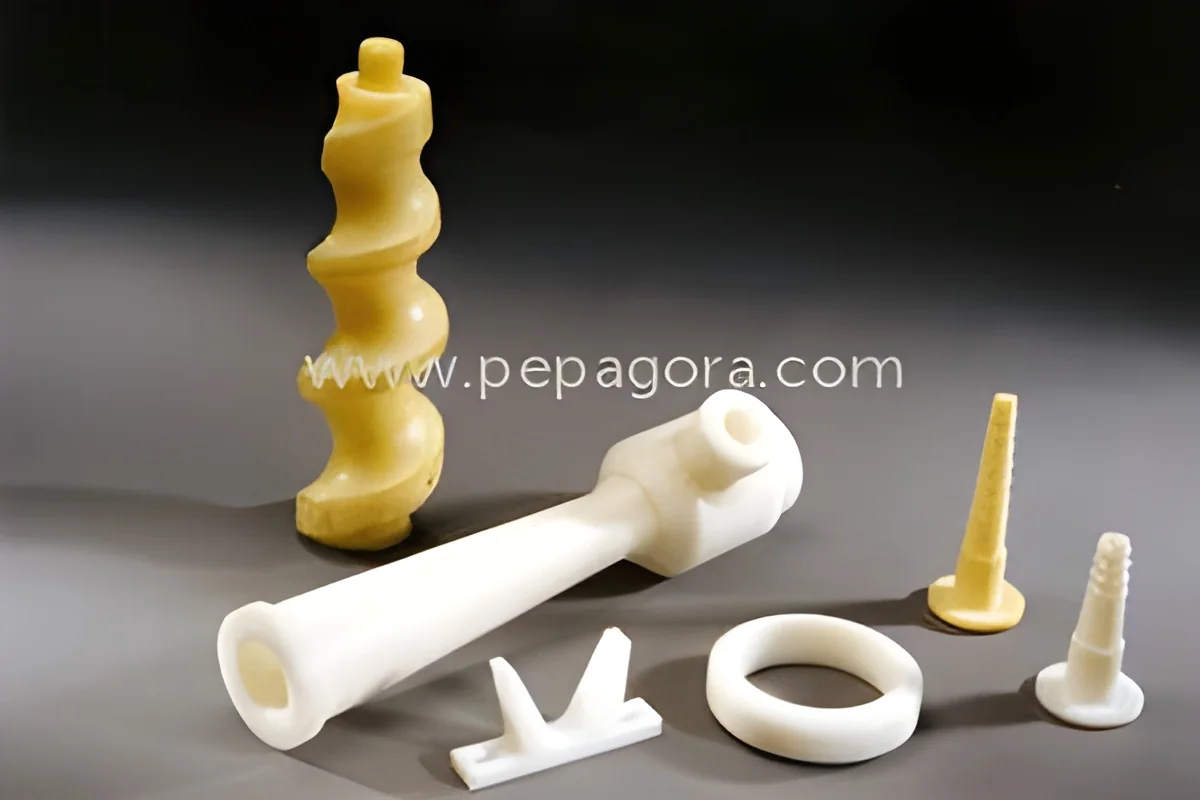
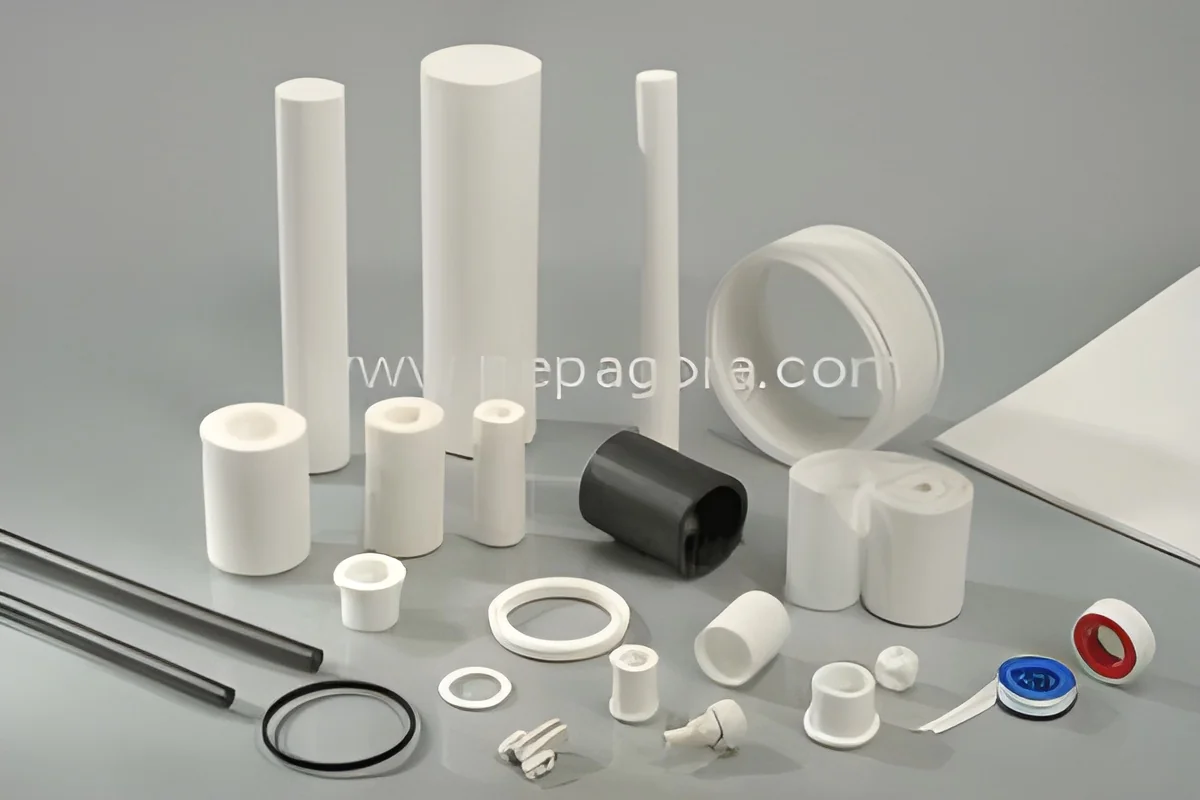
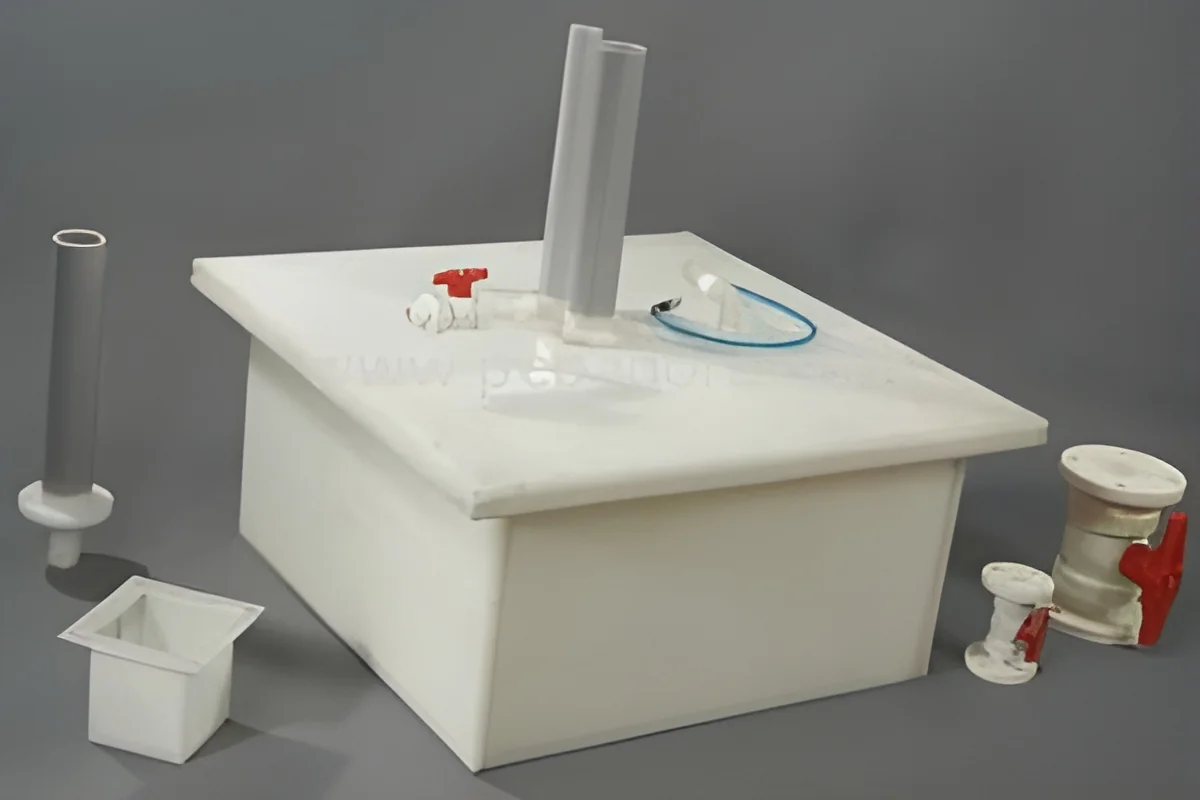
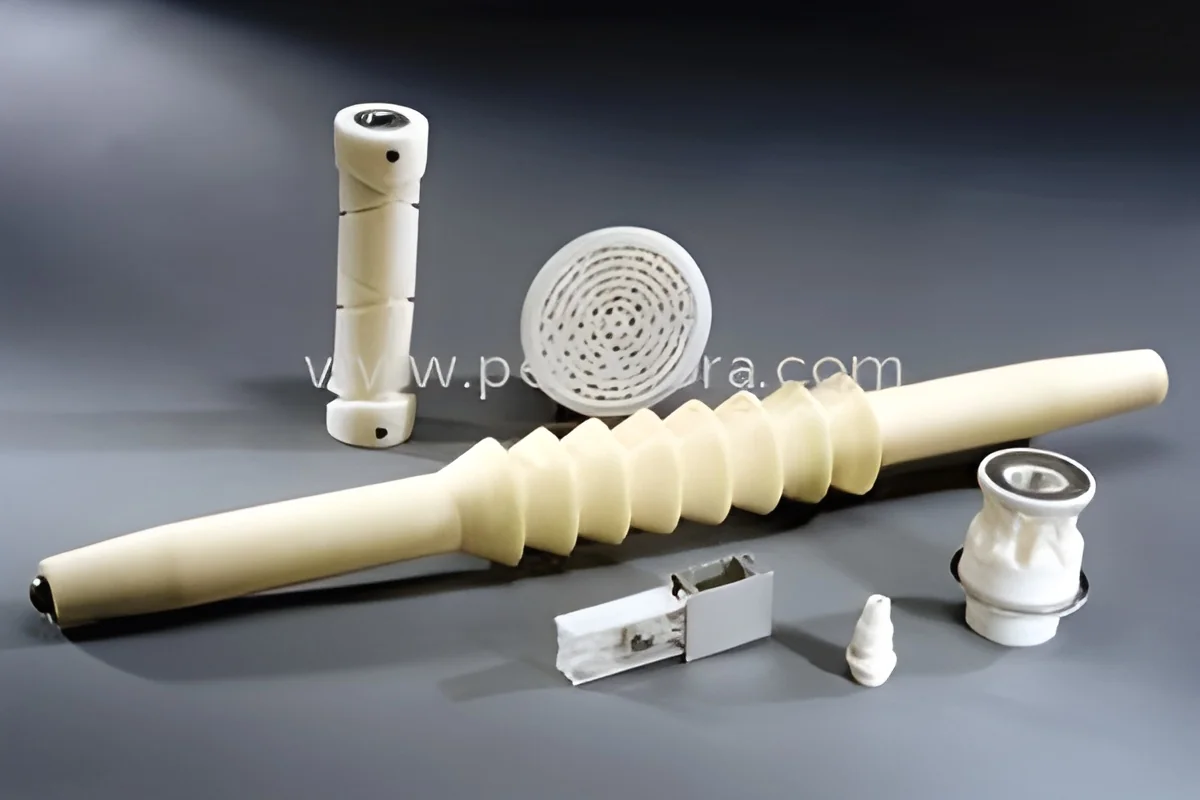
Polyacetal POM stands as a premier engineering thermoplastic renowned for its exceptional tensile strength, rigidity, and minimal moisture absorption characteristics. This high-performance material delivers reliable operation across diverse mechanical and structural applications, ensuring consistent quality and extended service life in demanding conditions. Particularly valued in sectors requiring precision engineering, low friction coefficients, and superior wear resistance, polyacetal provides manufacturers with a material solution that meets rigorous performance standards while maintaining dimensional stability across varying environmental conditions.

Multiple industries depend on polyacetal for critical components that must withstand continuous mechanical stress and challenging operational environments. The automotive sector utilizes it extensively for fuel system parts, gears, and bearings that require precision movement and long-term durability. Industrial equipment manufacturer...
Polyacetal POM stands as a premier engineering thermoplastic renowned for its exceptional tensile strength, rigidity, and minimal moisture absorption characteristics. This high-performance material delivers reliable operation across diverse mechanical and structural applications, ensuring consistent quality and extended service life in demanding conditions. Particularly valued in sectors requiring precision engineering, low friction coefficients, and superior wear resistance, polyacetal provides manufacturers with a material solution that meets rigorous performance standards while maintaining dimensional stability across varying environmental conditions.

Multiple industries depend on polyacetal for critical components that must withstand continuous mechanical stress and challenging operational environments. The automotive sector utilizes it extensively for fuel system parts, gears, and bearings that require precision movement and long-term durability. Industrial equipment manufacturers incorporate polyacetal in conveyor systems, precision gears, and structural components where low maintenance requirements and extended service life are essential for operational efficiency. Electronics and consumer goods producers benefit from its excellent electrical insulation properties and reliability in mechanical systems and protective housings, making it a trusted material choice for engineers seeking consistent performance across diverse application requirements.

Businesses selecting polyacetal gain significant operational value through reduced total cost of ownership, improved product performance, and enhanced reliability in their manufacturing processes. The material's unique combination of mechanical properties allows for direct metal replacement with superior results including lighter weight components, reduced operational noise, and lower maintenance requirements over time. Its exceptional dimensional stability ensures manufactured parts maintain precision tolerances throughout their service life, while chemical resistance extends component durability in harsh industrial environments. These characteristics make polyacetal a strategic investment for manufacturers prioritizing quality assurance, operational reliability, and long-term performance consistency in their product offerings.

Key Features:
- High tensile strength measuring 68 N/mm² for structural integrity and load-bearing capacity
- Low coefficient of friction ranging from 0.15 to 0.50 for smooth mechanical operation
- Shore D hardness between 80-85 ensuring exceptional durability and wear resistance
- Service temperature capability up to 130°C for thermal stability in various environments
- Recyclable material composition supporting environmental sustainability initiatives

Benefits:
- Reduced maintenance costs through exceptional wear resistance and long service life
- Improved operational efficiency with low friction characteristics and smooth performance
- Enhanced product reliability with consistent dimensional stability across temperature variations
- Weight reduction opportunities when replacing metal components without sacrificing strength
- Environmental compliance through recyclable material properties and sustainable manufacturing
Specifications
| Key Attributes | |
|---|---|
| Material | PVC |
| Application | Construction / Furniture |
| Color | As Request |
| Feature | Recyclable |
| Additional Information | |
|---|---|
| Country of Origin | India |
Application
Polyacetal POM engineering plastic is specifically engineered for high-precision components requiring exceptional mechanical properties and long-term reliability. Its outstanding wear resistance, chemical stability, and dimensional accuracy make it ideal for demanding applications across multiple industries where performance consistency is critical for operational success and reduced maintenance requirements.
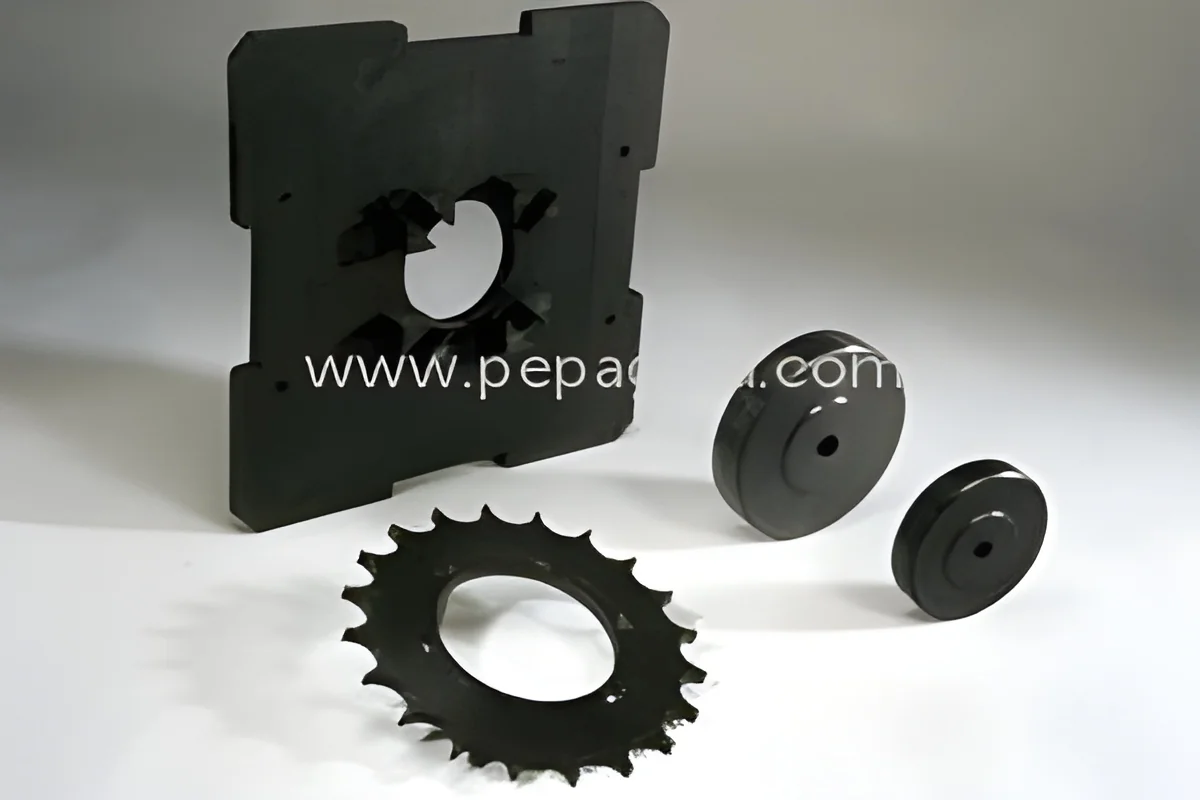
This advanced material excels in replacing traditional metal parts while significantly reducing weight, noise levels, and ongoing maintenance needs. Common applications include precision gears, bearings, fasteners, and conveyor system components, along with automotive fuel systems and electrical insulators due to its consistent performance characteristics and proven durability in challenging operational environments.
- Precision gears and bearings in industrial machinery and automation systems
- Automotive fuel system components including pumps and valve mechanisms
- Conveyor system wheels, rollers, and guides for material handling operations
- Electrical insulators and protective housing components for electronic devices
- Consumer appliance mechanisms, fasteners, and moving parts
Trade Details
| Available Stock | In Stock |
| Sample Availability | No |
Payment Terms
| Payment Terms |
|
Company Profile

Plastic Shilp Udyog, Andhra Pradesh
 Andhra Pradesh, India
Andhra Pradesh, IndiaConstruction•Manufacturer•Distributor / Wholesaler
Factory Details
Factory SizeBelow 1000 sqm
Annual Production Capacity0
Main Markets
Eastern Asia
South Asia
Southeast Asia
Polyacetal POM High Performance Engineering Plastic For Precision Components
Polyacetal POM high-performance engineering plastic delivers superior strength, low friction, and excellent durability for precision components in automotive, industrial machinery, and consumer goods manufacturing applications.
Min. Order Quantity: 1 piece
Shipping
Shipping fee and delivery date to be negotiated. Contact supplier now for more details.
Plastic Shilp Udyog
 Andhra Pradesh, India
Andhra Pradesh, IndiaConstructionManufacturer