IN
IN₹
Apparel & Fashion
Description
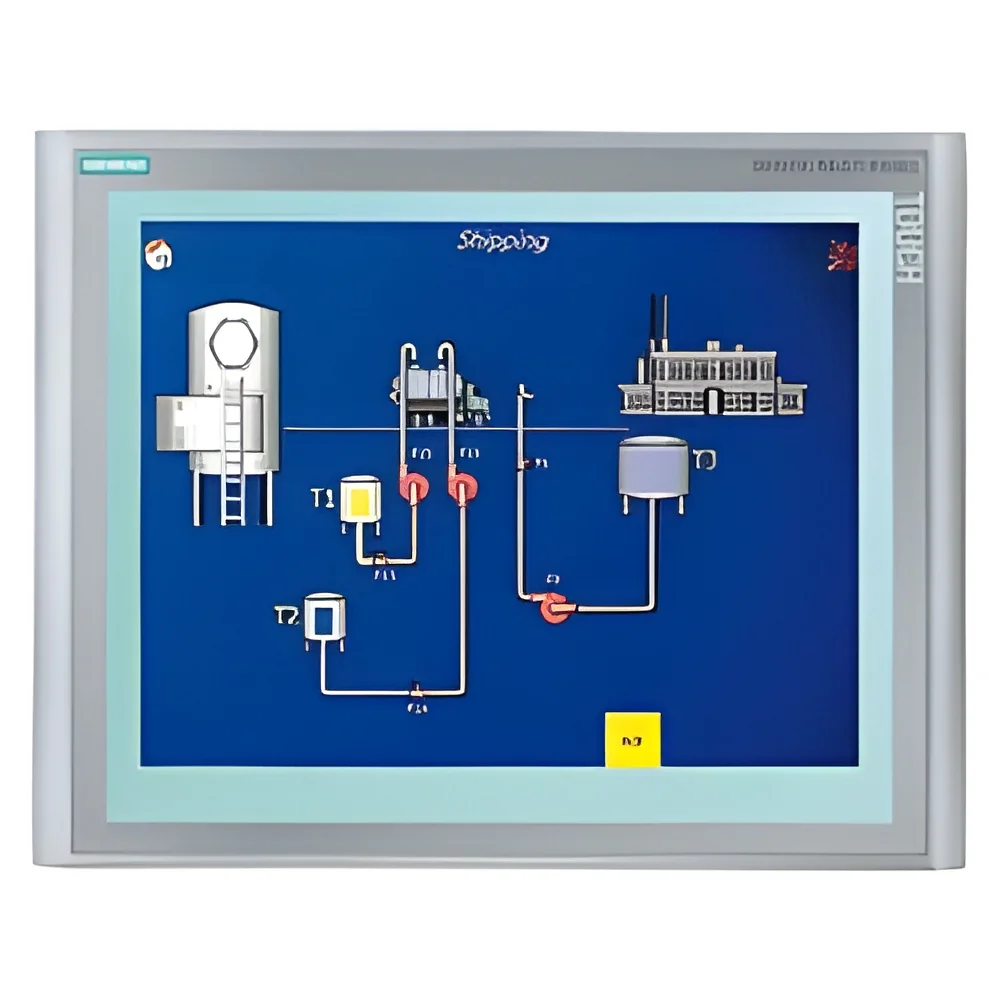
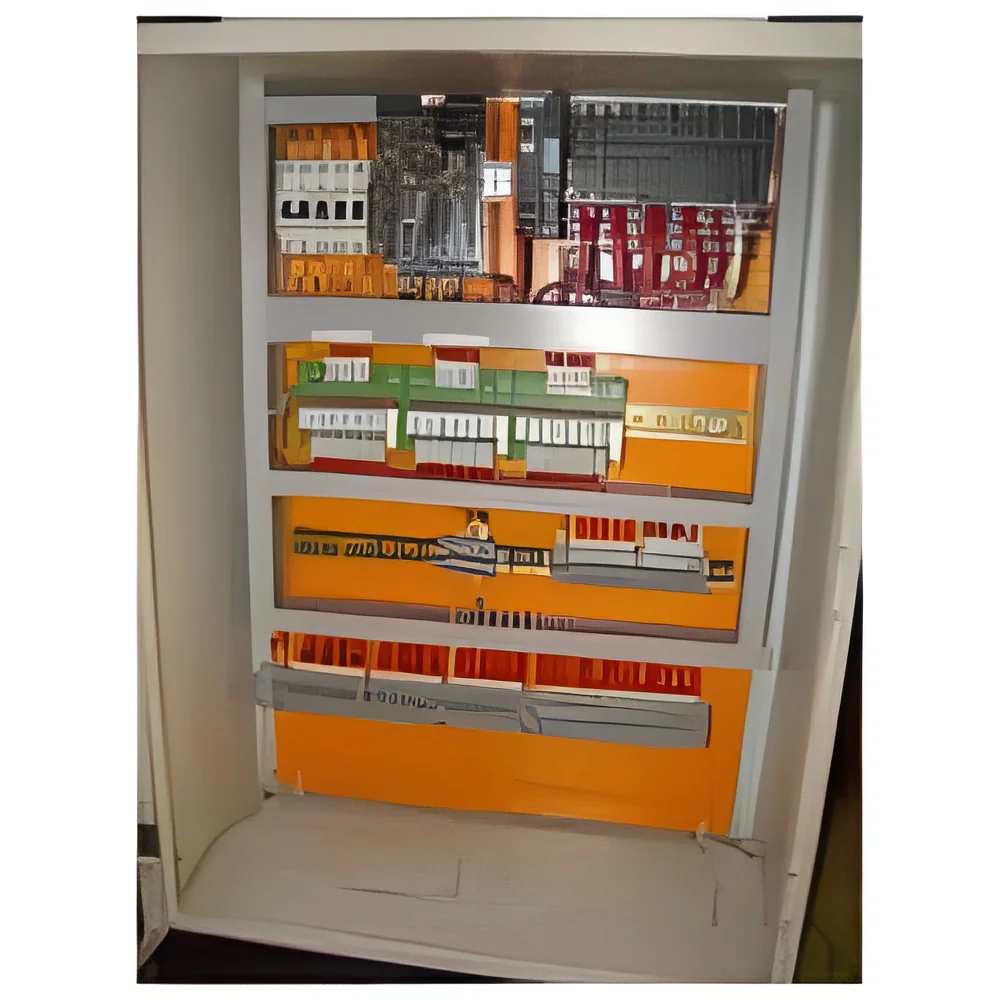
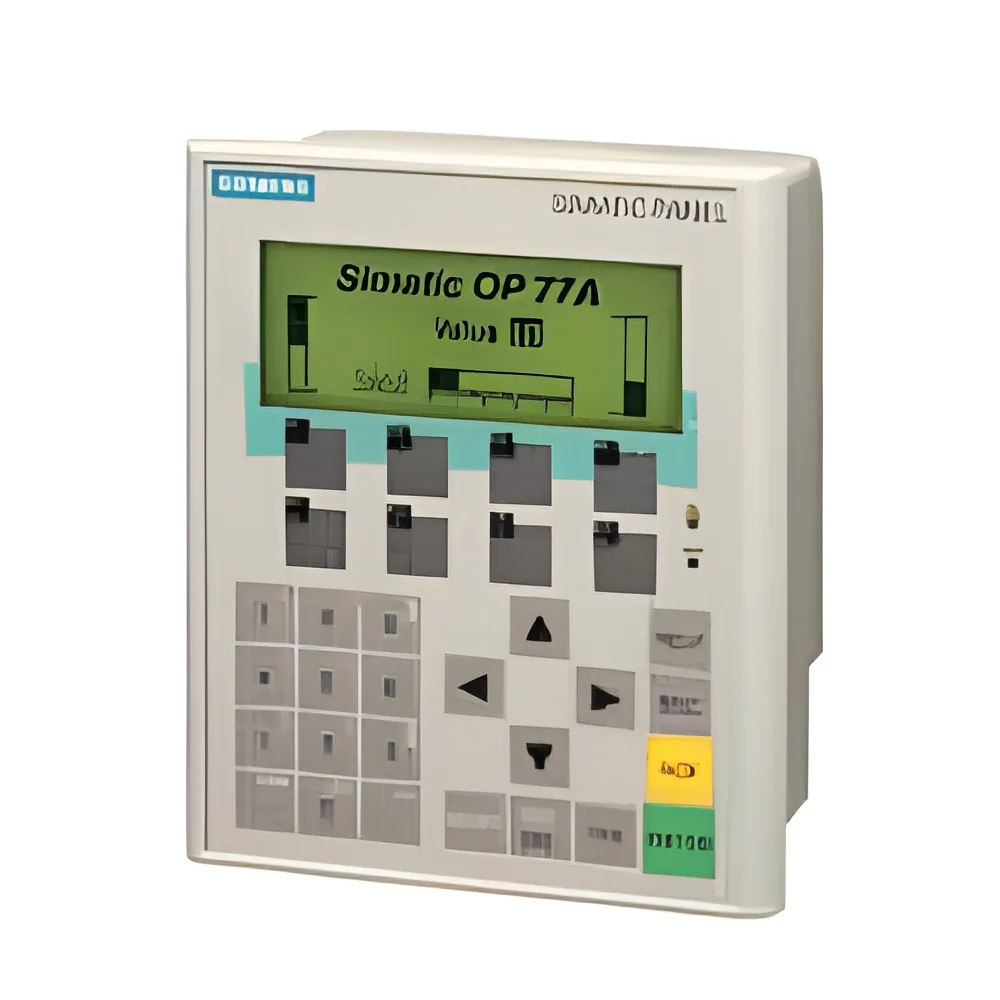
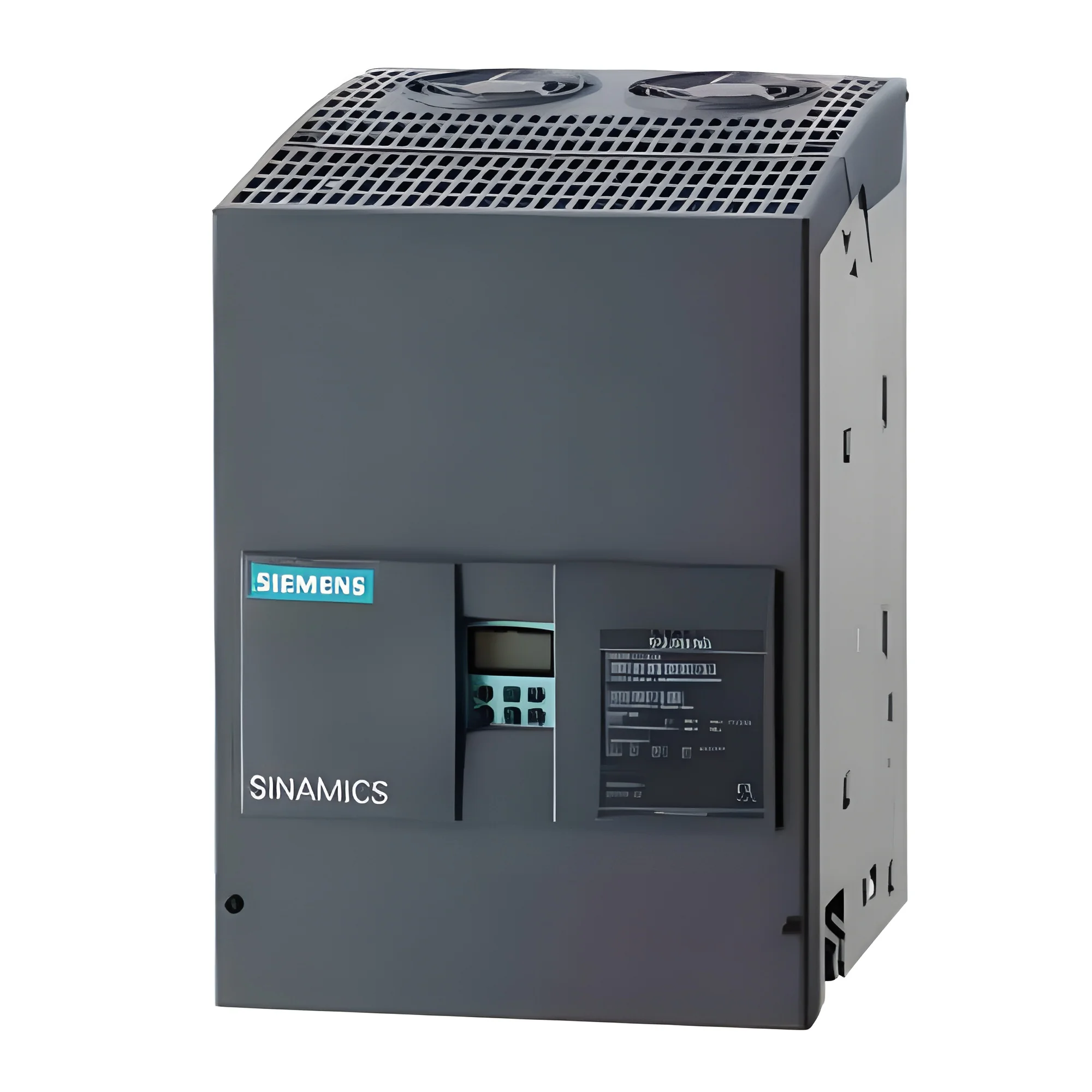
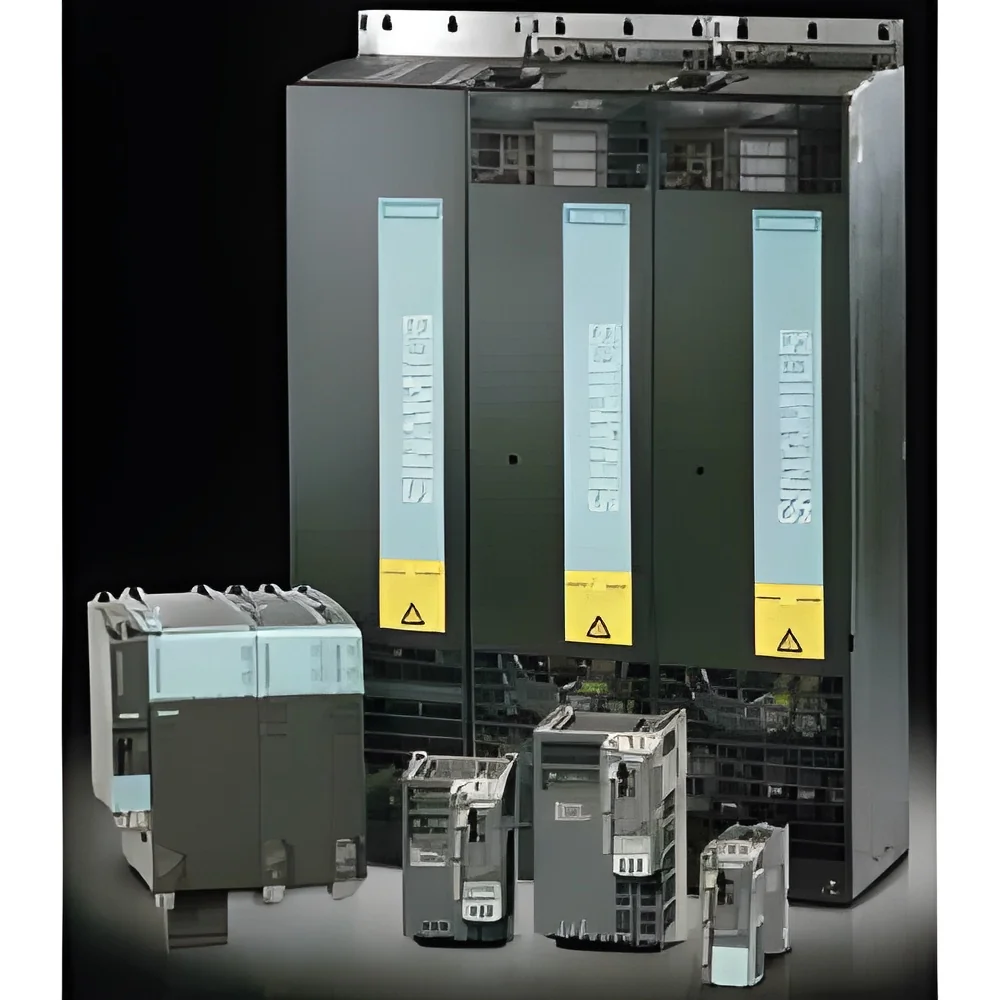
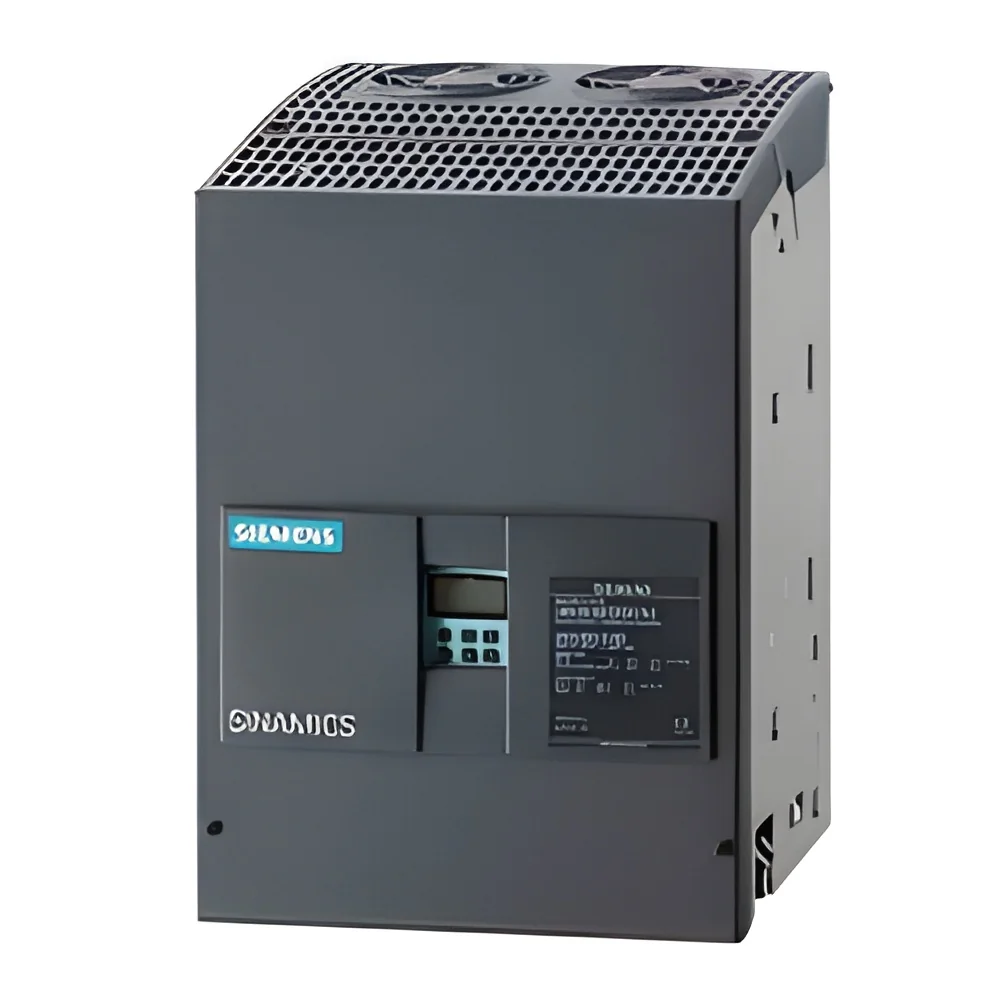
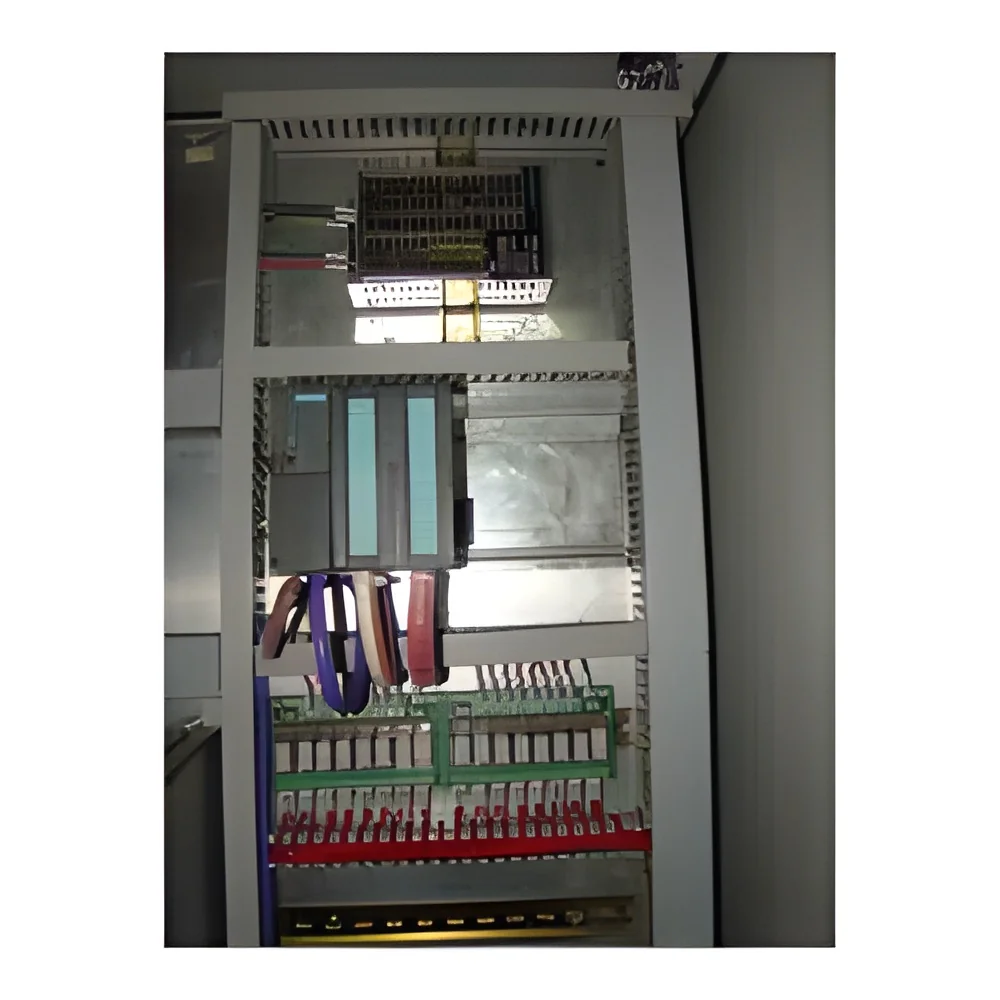
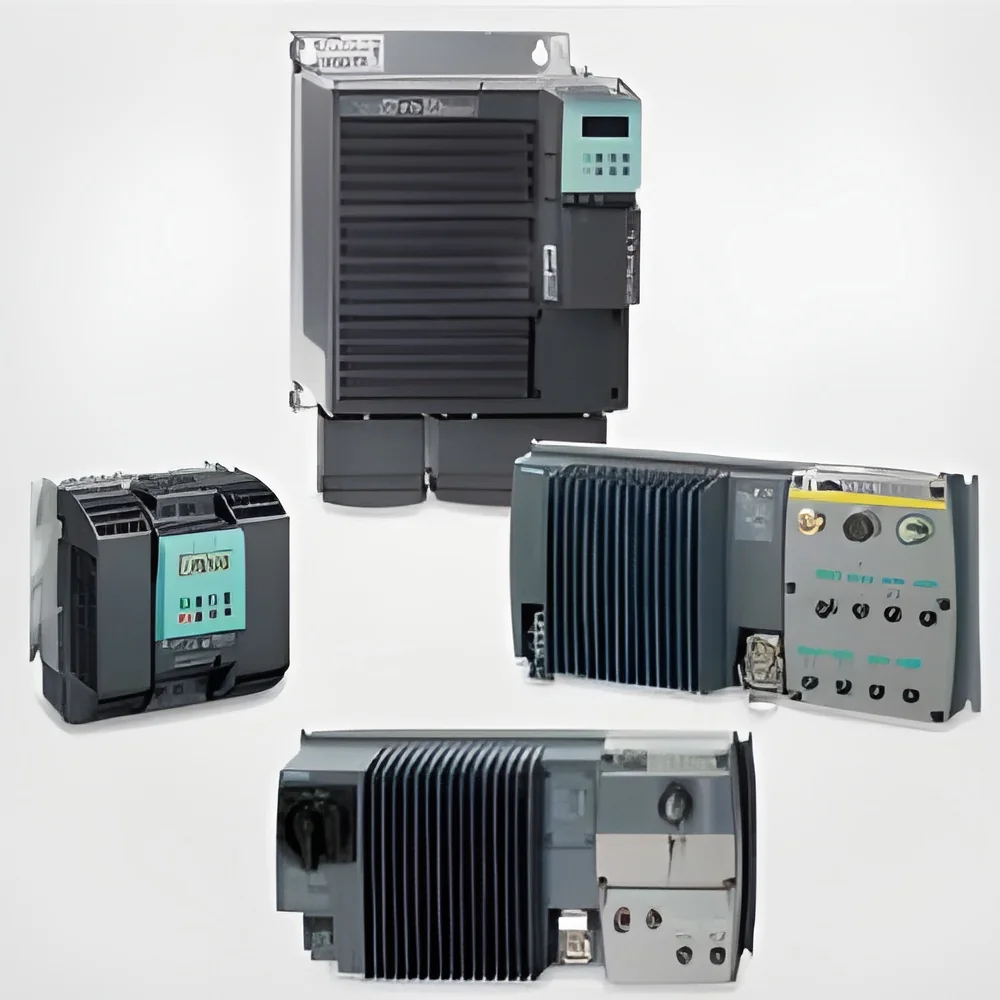
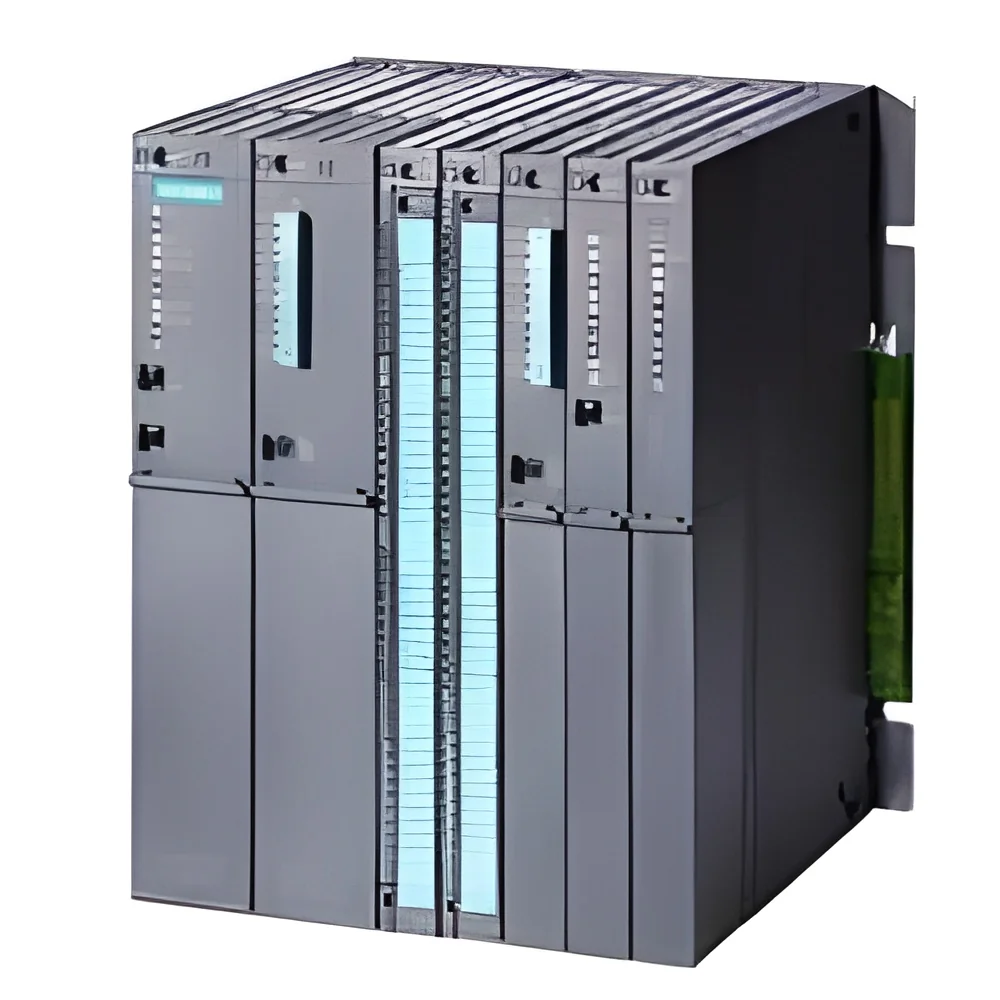
Industrial Automation PLC Systems represent advanced computing solutions designed specifically for industrial control applications. These robust systems serve as the central control unit in automation environments, executing programmed instructions to manage inputs, outputs, and complex logic operations. Engineered for durability, they withstand challenging industrial conditions including extreme temperatures, electrical interference, and continuous operation demands. Their architecture supports reliable performance in critical applications where precision and uptime are paramount, making them essential components in modern industrial infrastructure.

These PLC systems find extensive application across multiple industrial sectors due to their versatility and reliability. Manufacturing facilities utilize them for production line automation, robotic control, and quality assurance systems. Energy sector operations employ PLCs for monitoring power generation equipment, managing distributio...
Industrial Automation PLC Systems represent advanced computing solutions designed specifically for industrial control applications. These robust systems serve as the central control unit in automation environments, executing programmed instructions to manage inputs, outputs, and complex logic operations. Engineered for durability, they withstand challenging industrial conditions including extreme temperatures, electrical interference, and continuous operation demands. Their architecture supports reliable performance in critical applications where precision and uptime are paramount, making them essential components in modern industrial infrastructure.

These PLC systems find extensive application across multiple industrial sectors due to their versatility and reliability. Manufacturing facilities utilize them for production line automation, robotic control, and quality assurance systems. Energy sector operations employ PLCs for monitoring power generation equipment, managing distribution networks, and controlling renewable energy systems. Water treatment plants rely on them for precise management of filtration processes, chemical dosing, and pump station operations. Additional industries including automotive manufacturing, pharmaceutical production, and food processing benefit from their precise control capabilities and adaptability to specific process requirements.

The business value of Industrial Automation PLC Systems centers on their ability to enhance operational efficiency and deliver measurable return on investment. By automating complex and repetitive tasks, these systems reduce labor requirements while minimizing human error and increasing production throughput. Their proven reliability translates to reduced maintenance costs and avoided downtime expenses. The systems' design supports long-term operation with consistent performance, providing trustworthy automation solutions for businesses focused on operational excellence. Safety features including fail-safe mechanisms and real-time monitoring protect both personnel and equipment while ensuring regulatory compliance.

Key Features:
- Industrial-grade components designed for harsh operating environments
- Modular architecture supporting system expansion and customization
- Multiple programming language support including ladder logic
- Real-time processing for precise control and monitoring functions
- Comprehensive communication protocols for system integration

Benefits:
- Enhanced operational efficiency through automated process control
- Reduced labor costs and minimized human error in operations
- Increased production throughput and consistent output quality
- Lower maintenance requirements and reduced downtime expenses
- Improved safety through fail-safe mechanisms and real-time monitoring
Specifications
| Additional Information | |
|---|---|
| Country of Origin | India |
Application
Industrial Automation PLC Systems provide precise control for complex machinery and processes across manufacturing and energy sectors. These systems handle everything from sequential logic operations to advanced process automation, ensuring consistent performance in demanding environments where accuracy and uptime are critical. Their modular architecture supports seamless integration with existing equipment while enabling scalable solutions that adapt to evolving operational requirements.
Industries including automotive assembly, pharmaceutical production, food processing, water treatment plants, and power generation facilities rely on PLC systems for their automation needs. The systems' durability and real-time processing capabilities make them ideal for harsh industrial settings, while their communication protocols enable connectivity with broader automation networks. This versatility supports continuous operation and process optimization across diverse industrial applications.
- Automating automotive assembly lines for precision control and consistent production quality
- Monitoring chemical processes in pharmaceutical manufacturing for compliance and safety
- Controlling packaging and bottling operations in food processing industries
- Managing water treatment processes including filtration and pump operations
- Regulating power generation and distribution systems in energy facilities
Trade Details
| Available Stock | In Stock |
| Sample Availability | No |
Payment Terms
| Payment Terms |
|
Company Profile
Active Systems, Maharashtra
 Maharashtra, India
Maharashtra, IndiaIndustrial Equipment & Machinery•Manufacturer•Distributor / Wholesaler•Importer / Exporter
Factory Details
Factory SizeBelow 1000 sqm
Annual Production Capacity0
Industrial Automation PLC Systems for Manufacturing and Energy
Industrial Automation PLC Systems deliver robust performance and seamless integration for manufacturing and energy sectors, ensuring reliable process control with precision engineering.
Min. Order Quantity: 1 unit
Shipping
Shipping fee and delivery date to be negotiated. Contact supplier now for more details.
Active Systems
 Maharashtra, India
Maharashtra, IndiaIndustrial Equipment & MachineryManufacturer