IN
₹
Apparel & Fashion
Description
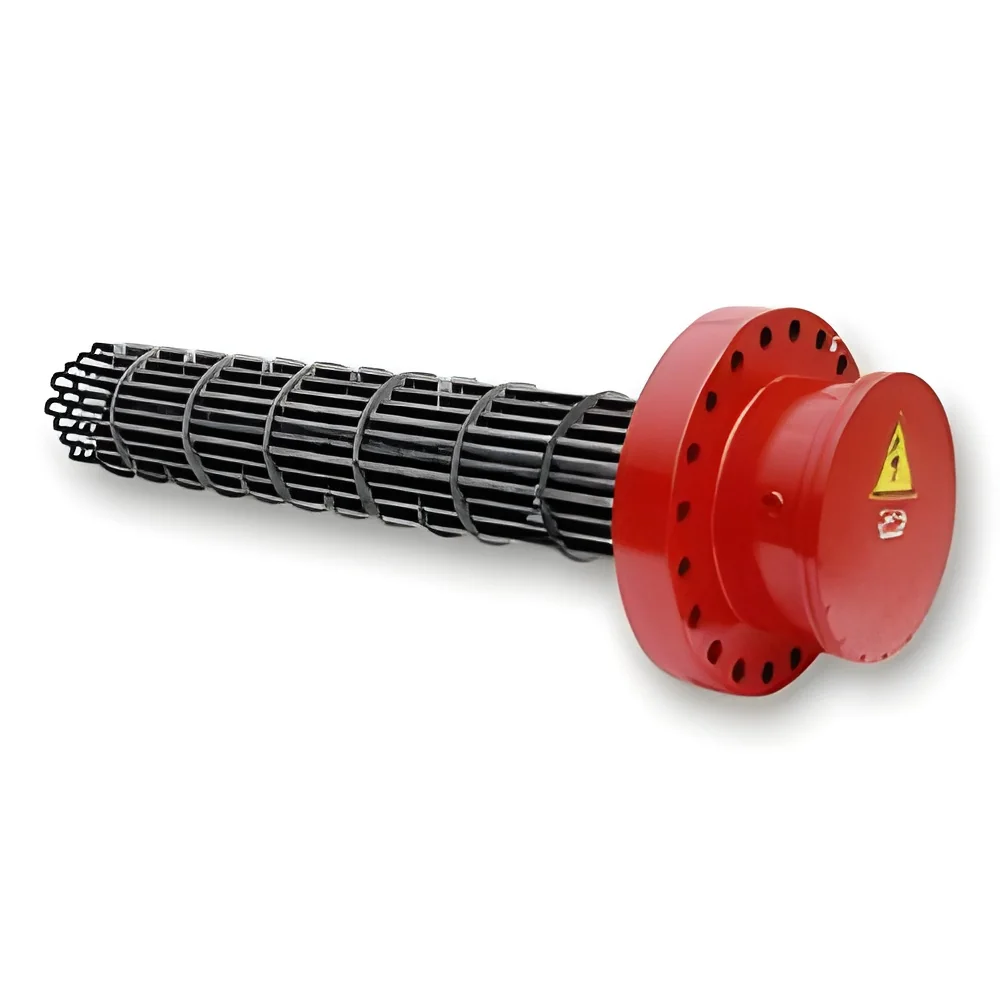
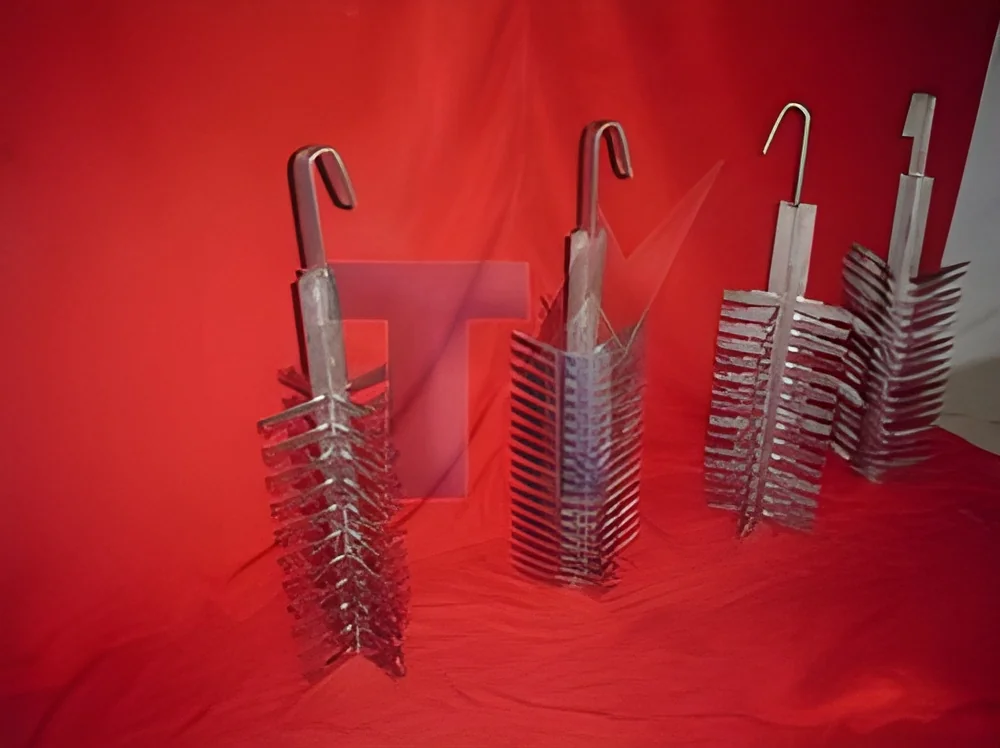
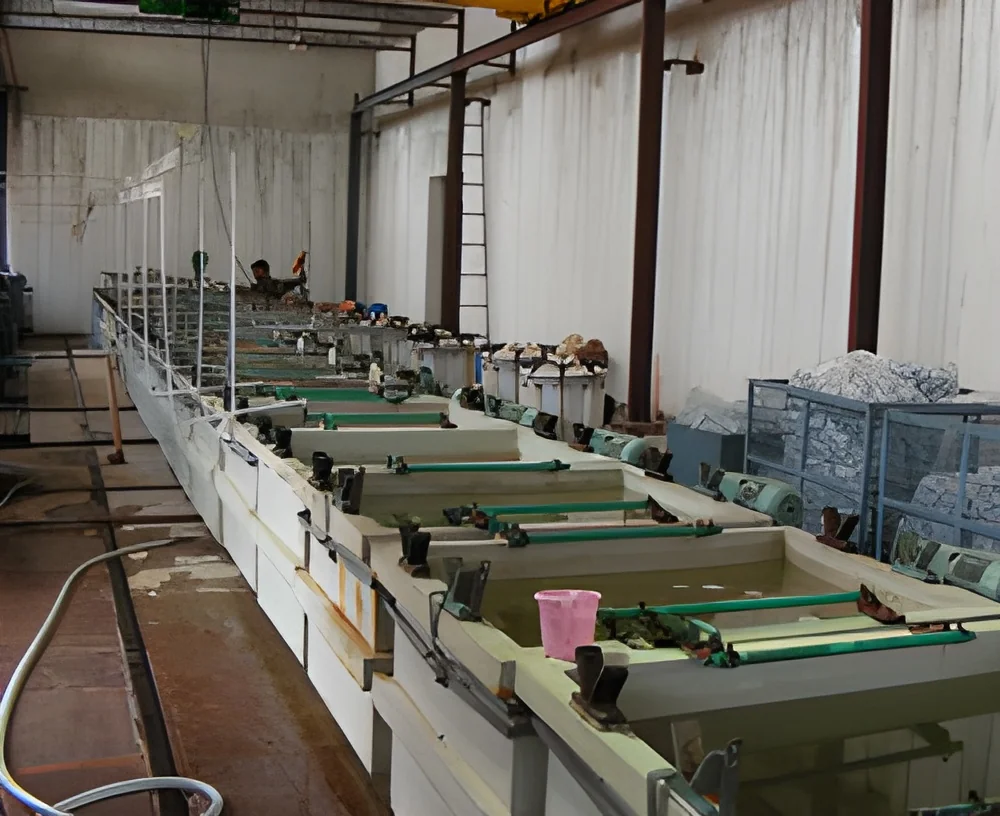
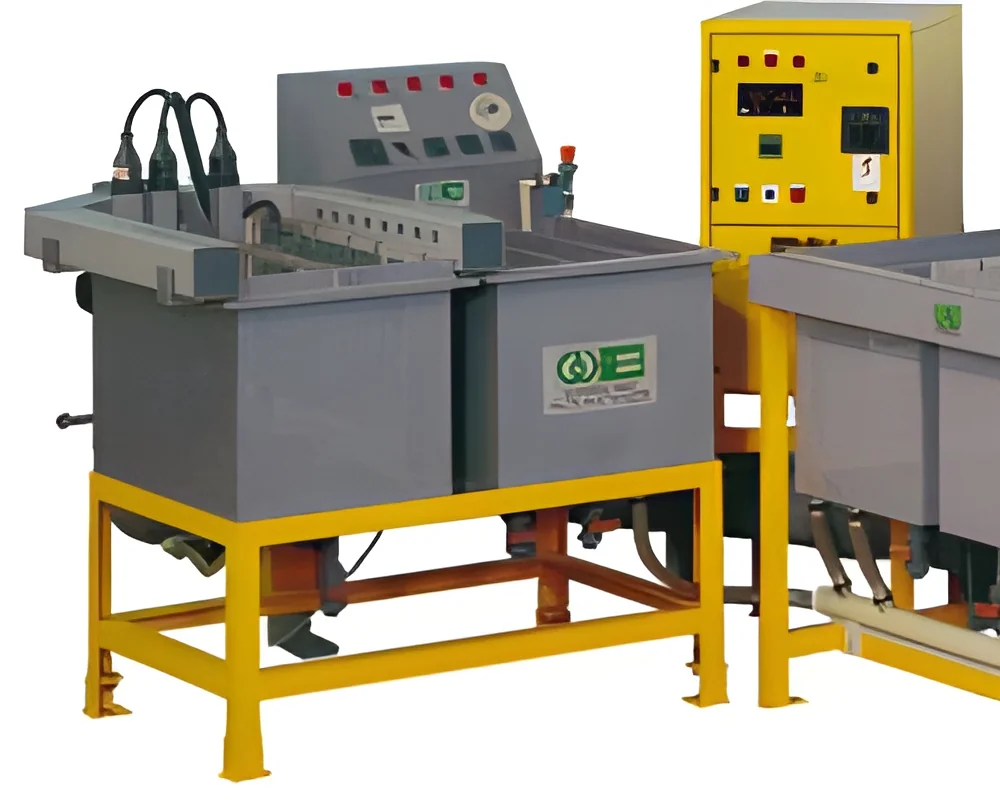
Industrial electroplating systems are comprehensive solutions designed for applying metal coatings to substrates, enhancing properties like corrosion protection, wear resistance, and conductivity. These systems integrate essential components such as plating tanks, rectifiers, filtration units, and control mechanisms to ensure precise, efficient operations. They accommodate various coating metals including zinc, nickel, chromium, and copper, meeting functional requirements for durability and performance. Built for reliability and consistent output, these systems are ideal for high-volume production or specialized applications, offering scalability and adherence to industry standards for superior surface finishing.

These electroplating systems are extensively used across multiple industries due to their critical role in enhancing product performance and longevity. In automotive manufacturing, they plate components like brackets, bolts, and decorative trims to prevent corrosion and impro...
Industrial electroplating systems are comprehensive solutions designed for applying metal coatings to substrates, enhancing properties like corrosion protection, wear resistance, and conductivity. These systems integrate essential components such as plating tanks, rectifiers, filtration units, and control mechanisms to ensure precise, efficient operations. They accommodate various coating metals including zinc, nickel, chromium, and copper, meeting functional requirements for durability and performance. Built for reliability and consistent output, these systems are ideal for high-volume production or specialized applications, offering scalability and adherence to industry standards for superior surface finishing.

These electroplating systems are extensively used across multiple industries due to their critical role in enhancing product performance and longevity. In automotive manufacturing, they plate components like brackets, bolts, and decorative trims to prevent corrosion and improve aesthetic value. The electronics sector relies on them for applying gold or tin coatings on connectors and printed circuit boards to ensure stable conductivity and solderability. Aerospace applications involve protective coatings on parts exposed to extreme temperatures and corrosive conditions, while heavy machinery industries use them to coat tools and components for increased wear resistance and extended service life.

Investing in a high-quality industrial electroplating system delivers substantial business value through improved product quality, reduced defect rates, and heightened customer satisfaction. Engineered for durability and low maintenance, these systems minimize operational disruptions and ensure long-term reliability. Their design supports consistent, high-performance plating, helping businesses meet strict industry regulations, lower long-term operational expenses, and gain a competitive advantage in markets that demand exceptional surface finishes and dependable part performance.

Key Features:
- Robust construction using corrosion-resistant materials for extended operational life.
- Advanced filtration and rectifier systems to maintain consistent plating quality.
- Automation capabilities for precise process control and reduced manual errors.
- Compatibility with various plating metals including zinc, nickel, chromium, and copper.
- Scalable design to accommodate different production volumes and facility requirements.

Benefits:
- Enhanced product durability and corrosion resistance for longer component life.
- Consistent, high-quality finishes that reduce rejection rates and improve reliability.
- Lower maintenance needs and operational costs due to robust system design.
- Increased production efficiency through automation and precise control features.
- Versatility in handling diverse materials and part geometries for broad application use.
Specifications
| Additional Information | |
|---|---|
| Country of Origin | India |
Application
Industrial electroplating systems apply precise metal coatings to components, enhancing surface properties like corrosion resistance, hardness, and electrical conductivity. These systems support various plating methods including electroplating and electroless processes, tailored for diverse materials and complex part geometries to ensure uniform, high-quality finishes in demanding production environments.
These systems are vital across sectors requiring durable and functional surface treatments. Industries such as automotive, aerospace, electronics, and heavy machinery utilize electroplating for both performance and decorative applications, coating parts like engine components, connectors, and tools to improve wear resistance, solderability, and aesthetic appeal while ensuring long-term reliability.
- Automotive: Electroplating brake components and fasteners to prevent rust and ensure reliable performance under harsh conditions.
- Electronics: Applying gold or tin coatings on connectors and circuit boards to enhance electrical conductivity and prevent oxidation.
- Aerospace: Coating turbine blades and structural parts with protective layers to withstand high temperatures and corrosive environments.
- Industrial machinery: Plating tools, molds, and mechanical parts to reduce wear, minimize friction, and lower maintenance costs.
- Consumer goods: Providing decorative and protective finishes on hardware items and accessories for improved appearance and longevity.
Trade Details
| Available Stock | In Stock |
| Sample Availability | No |
Payment Terms
| Payment Terms |
|
Company Profile
Balaji Enterprises Krishna & Co, Maharashtra
 Maharashtra, India
Manufacturer•Distributor / Wholesaler
Factory Details
Factory SizeBelow 1000 sqm
Annual Production Capacity0
Industrial Electroplating Systems For Metal Coating And Corrosion Protection
Industrial electroplating systems for metal coating and corrosion protection deliver reliable surface finishing solutions for automotive, aerospace, and electronics manufacturing with enhanced durability and consistent performance.
Min. Order Quantity: 1 unit
Shipping
Shipping fee and delivery date to be negotiated. Contact supplier now for more details.
Balaji Enterprises Krishna & Co
 Maharashtra, India
Manufacturer