IN
IN₹
Apparel & Fashion
Description
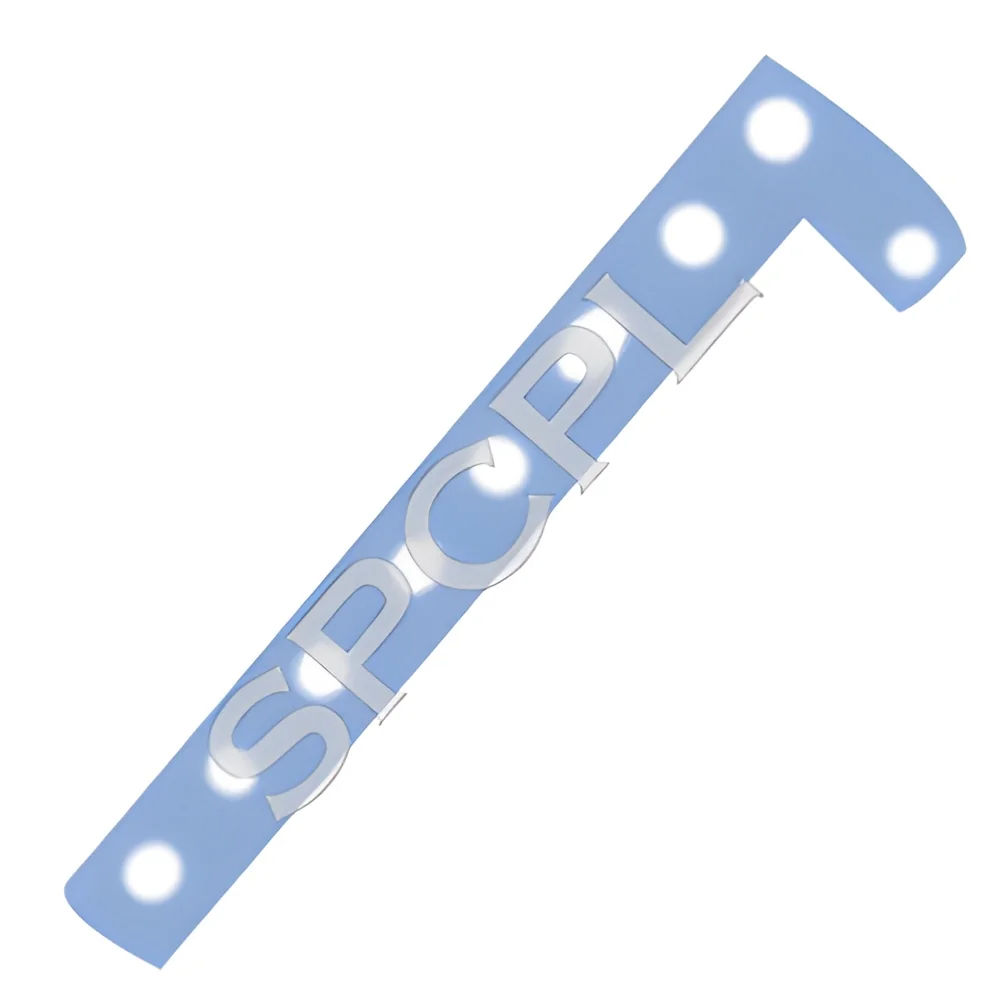
The Orthopedic L R Plate represents specialized surgical technology designed specifically for proximal tibia fracture management. Manufactured from medical-grade stainless steel or titanium, this implant offers surgeons material choices based on procedural requirements and patient considerations. The plate features multiple hole configurations ranging from 3 to 12 holes, providing significant flexibility in surgical approach and screw placement strategies. Its anatomical design ensures proper contouring to the proximal tibia's unique shape, facilitating optimal fracture reduction and maintaining stable fixation throughout the healing process. The implant is engineered to withstand physiological loads while promoting proper bone union, making it an essential component in modern orthopedic trauma surgery protocols.

This specialized orthopedic implant serves critical roles across various healthcare settings including trauma centers, orthopedic specialty facilities, and multi-specialty su...
The Orthopedic L R Plate represents specialized surgical technology designed specifically for proximal tibia fracture management. Manufactured from medical-grade stainless steel or titanium, this implant offers surgeons material choices based on procedural requirements and patient considerations. The plate features multiple hole configurations ranging from 3 to 12 holes, providing significant flexibility in surgical approach and screw placement strategies. Its anatomical design ensures proper contouring to the proximal tibia's unique shape, facilitating optimal fracture reduction and maintaining stable fixation throughout the healing process. The implant is engineered to withstand physiological loads while promoting proper bone union, making it an essential component in modern orthopedic trauma surgery protocols.

This specialized orthopedic implant serves critical roles across various healthcare settings including trauma centers, orthopedic specialty facilities, and multi-specialty surgical hospitals. Orthopedic surgeons utilize the L R Plate for treating complex proximal tibia fractures resulting from high-energy trauma, sports injuries, or age-related fragility fractures. The device proves particularly valuable in cases involving tibial plateau fractures with metaphyseal extension, where conventional plating systems may not provide sufficient stability. Medical institutions worldwide incorporate this implant into their surgical protocols for managing challenging fracture patterns that demand precise anatomical reduction and rigid internal fixation to restore normal limb function and alignment.

The Orthopedic L R Plate delivers substantial value through its proven reliability and clinical effectiveness in fracture management. Healthcare facilities benefit from reduced surgery times due to the plate's intuitive design and multiple fixation options, leading to improved operational efficiency and better resource utilization. The availability of both stainless steel and titanium materials allows medical institutions to select based on budget considerations and specific patient needs, including MRI compatibility requirements where necessary. Manufacturers ensure consistent quality through rigorous testing protocols and compliance with international medical device standards, providing healthcare providers with confidence in product performance and patient safety outcomes. The plate's design supports biological fixation principles, potentially leading to improved patient recovery rates and reduced complication risks.

Key Features:
- Manufactured from medical-grade stainless steel or titanium materials
- Available in multiple hole configurations from 3 to 12 holes
- Anatomical design specifically contoured for proximal tibia application
- Compatible with standard orthopedic instrumentation systems
- Engineered for optimal strength and durability in fracture fixation

Benefits:
- Provides stable internal fixation for reliable bone healing
- Reduces surgery time through intuitive design and application
- Offers material choices to meet different clinical requirements
- Ensures compatibility with existing surgical instrumentation
- Supports improved patient outcomes through anatomical design
Specifications
| Additional Information | |
|---|---|
| Country of Origin | India |
Application
The Orthopedic L R Plate provides stable internal fixation for complex proximal tibia fractures through its anatomical design that conforms precisely to bone contours. Surgeons achieve optimal fracture reduction and maintain alignment during healing, with the plate's multiple hole configurations allowing customized screw placement for each patient's specific anatomy and fracture pattern. This ensures reliable support throughout the recovery process.
Available in both stainless steel and titanium options, this implant accommodates different surgical preferences and patient requirements. The versatility across various fracture patterns makes it suitable for diverse clinical scenarios, from simple fractures to complex multi-fragment cases. Medical professionals value the predictable performance and compatibility with standard orthopedic instrumentation systems.
- Treatment of complex proximal tibia fractures in trauma surgery
- Management of tibial plateau fractures with metaphyseal involvement
- Revision procedures for failed previous fracture fixation
- Orthopedic trauma cases in hospital emergency departments
- Surgical correction of fractures from high-impact injuries
Trade Details
| Available Stock | In Stock |
| Sample Availability | No |
Payment Terms
| Payment Terms |
|
Company Profile

Bharucha Associates, Gujarat
 Gujarat, India
Gujarat, IndiaHealth & Personal Care•Distributor / Wholesaler•Retailer•Importer / Exporter
Factory Details
Factory SizeBelow 1000 sqm
Annual Production Capacity0
Orthopedic L R Plate For Proximal Tibia Fracture Fixation In Steel Or Titanium
Orthopedic L R Plate for proximal tibia fracture fixation in steel or titanium offers precise anatomical design with 3-12 hole configurations for reliable bone healing support in orthopedic surgery applications.
Min. Order Quantity: 1 unit
Shipping
Shipping fee and delivery date to be negotiated. Contact supplier now for more details.
Bharucha Associates
 Gujarat, India
Gujarat, IndiaHealth & Personal CareDistributor / Wholesaler