IN
IN₹
Apparel & Fashion
Description
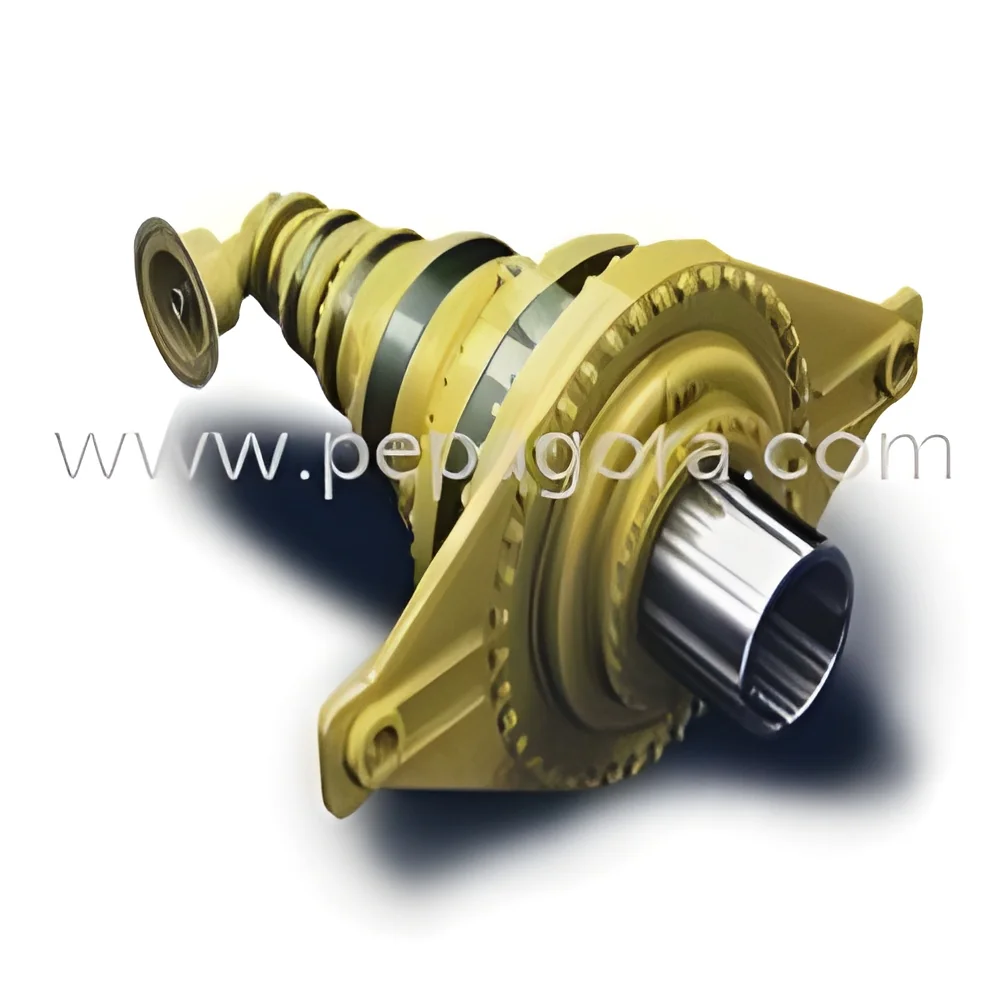
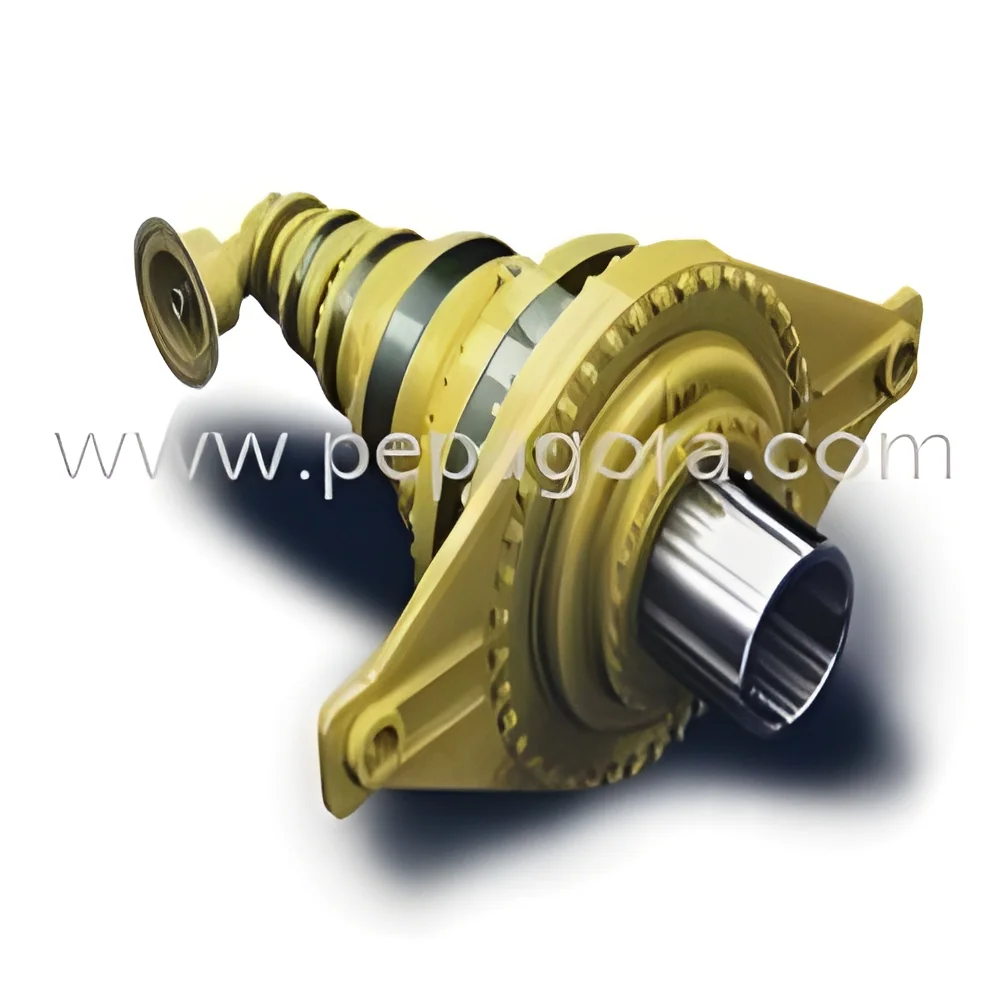
Industrial planetary gearboxes represent advanced power transmission solutions engineered for maximum torque delivery in minimal space. Unlike conventional gear systems, planetary configurations utilize multiple gear contact points simultaneously through their sun gear, planetary gears, and ring gear arrangement. This design distributes mechanical stress across several teeth rather than concentrating it on single points, resulting in higher load capacity, greater efficiency, and significantly reduced size-to-power ratio. The fundamental mechanism involves the central sun gear driving multiple planetary gears that rotate within a stationary ring gear, with the planetary carrier transmitting output motion. This multi-point engagement ensures smooth power transfer, minimal backlash, and superior durability under demanding operating conditions.

These gearboxes have become essential across industries where equipment reliability and space optimization directly impact operational success. Co...
Industrial planetary gearboxes represent advanced power transmission solutions engineered for maximum torque delivery in minimal space. Unlike conventional gear systems, planetary configurations utilize multiple gear contact points simultaneously through their sun gear, planetary gears, and ring gear arrangement. This design distributes mechanical stress across several teeth rather than concentrating it on single points, resulting in higher load capacity, greater efficiency, and significantly reduced size-to-power ratio. The fundamental mechanism involves the central sun gear driving multiple planetary gears that rotate within a stationary ring gear, with the planetary carrier transmitting output motion. This multi-point engagement ensures smooth power transfer, minimal backlash, and superior durability under demanding operating conditions.

These gearboxes have become essential across industries where equipment reliability and space optimization directly impact operational success. Construction machinery manufacturers integrate planetary systems into concrete mixers, tower cranes, and earth-moving equipment for their exceptional shock load absorption and variable speed handling capabilities. The automotive sector relies on them for electric vehicle drivetrains, automatic transmissions, and precision assembly robotics. Renewable energy installations utilize planetary gearboxes for wind turbine alignment systems, while material handling equipment depends on them for conveyor drives, hoisting mechanisms, and automated storage systems due to their precise speed control and high overload tolerance.

The operational value of planetary gearboxes lies in their proven reliability, extended service intervals, and long operational lifespan, which collectively reduce total ownership costs. Their compact footprint enables equipment designers to create more efficient machinery layouts without compromising power transmission requirements. The availability of tailored configurations means operations can obtain gearboxes specifically matched to their torque, speed, and mounting specifications, ensuring optimal integration with existing systems. This combination of durability under extreme conditions, space efficiency, and customization potential makes planetary gearboxes a strategic investment for operations prioritizing equipment performance and long-term reliability.

Key Features:
- Compact high-torque design ideal for space-constrained industrial installations
- Multiple planetary gears distributing load evenly for enhanced durability
- Higher efficiency compared to traditional worm or helical gear systems
- Robust construction handling significant radial and axial loads
- Precision engineering for smooth operation with minimal backlash

Benefits:
- Space-saving design allows integration into compact machinery layouts
- Extended service life through distributed load across multiple gear teeth
- Reduced energy consumption due to higher operational efficiency
- Lower maintenance requirements and longer intervals between servicing
- Reliable performance under extreme loads and variable operating conditions
Specifications
| Additional Information | |
|---|---|
| Country of Origin | India |
Application
Planetary gearboxes excel in environments where space is limited but power demands are high. Their compact yet robust construction allows seamless integration into machinery where traditional gearboxes would be too bulky. These units maintain exceptional performance under continuous heavy loads, making them ideal for applications requiring both precision and durability. The multi-gear load distribution ensures smooth operation even during sudden torque spikes or variable speed conditions.
These gearboxes serve as critical components across multiple sectors that depend on reliable power transmission. Their ability to handle high radial and axial loads makes them indispensable for equipment operating under extreme stress. Industries value their consistent performance, reduced maintenance cycles, and adaptability to specific operational parameters. The precision engineering behind planetary systems ensures accurate motion control essential for modern automated processes and heavy-duty mechanical operations.
- Construction excavators and cranes for precise boom and arm movement control
- Automotive manufacturing lines for robotic welding arms and assembly positioning
- Wind turbine systems for accurate blade pitch adjustment and yaw control
- Food processing conveyor systems for consistent speed regulation
- Mining equipment including drilling rigs and material handling conveyors
Trade Details
| Available Stock | In Stock |
| Sample Availability | No |
Payment Terms
| Payment Terms |
|
Company Profile
Gayatri Exim, Gujarat
 Gujarat, India
Gujarat, IndiaConstruction•Manufacturer•Distributor / Wholesaler•Importer / Exporter
Factory Details
Factory SizeBelow 1000 sqm
Annual Production Capacity0
Industrial Planetary Gearbox High Torque Compact Design
Industrial planetary gearbox delivers high torque in compact design for automation, construction, and heavy machinery. Superior reliability and power transmission for demanding applications.
Min. Order Quantity: 1 unit
Shipping
Shipping fee and delivery date to be negotiated. Contact supplier now for more details.
Gayatri Exim
 Gujarat, India
Gujarat, IndiaConstructionManufacturer