IN
₹
Apparel & Fashion
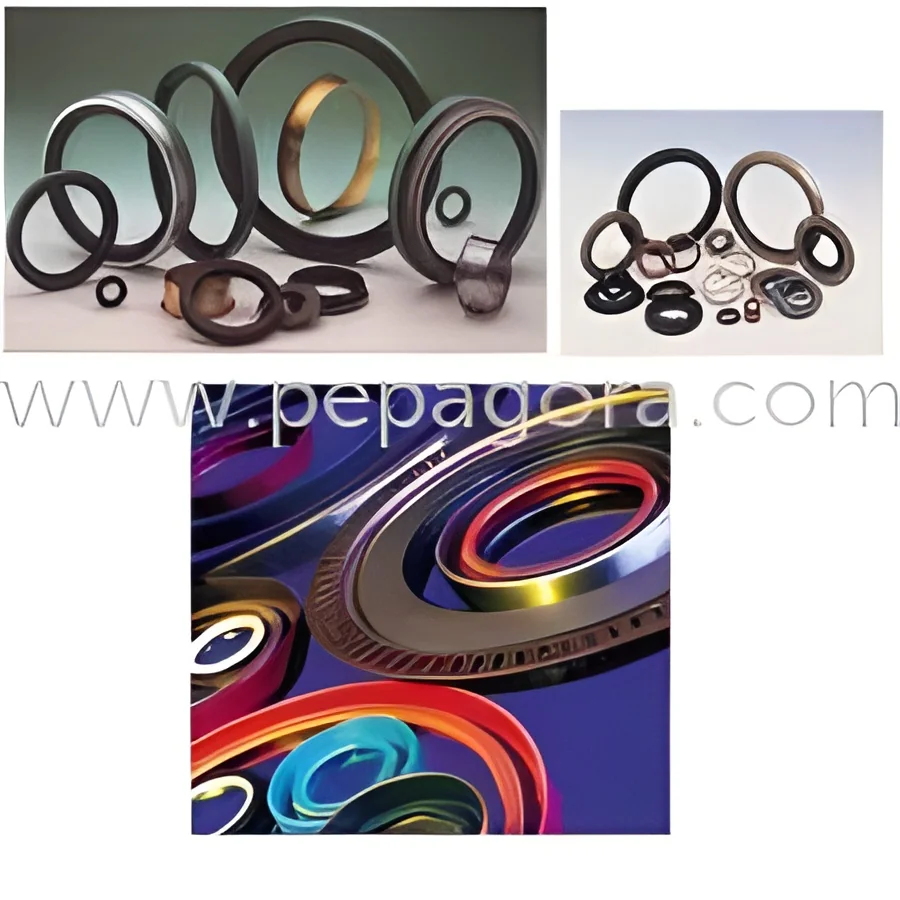
Description
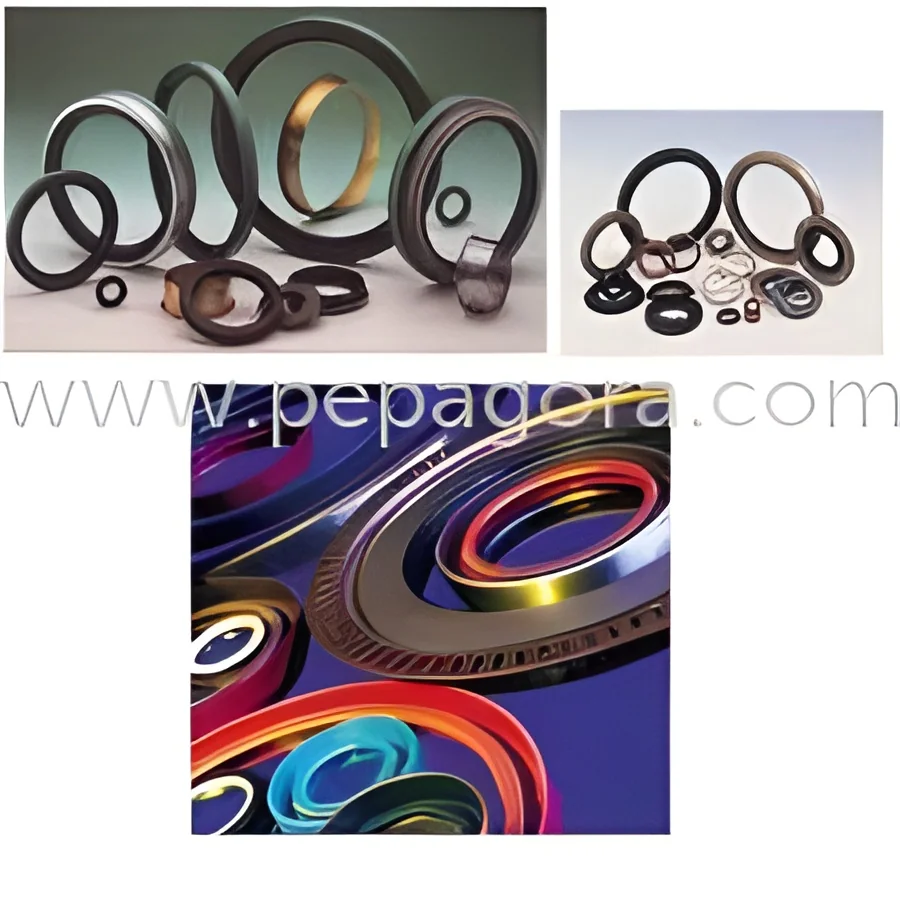
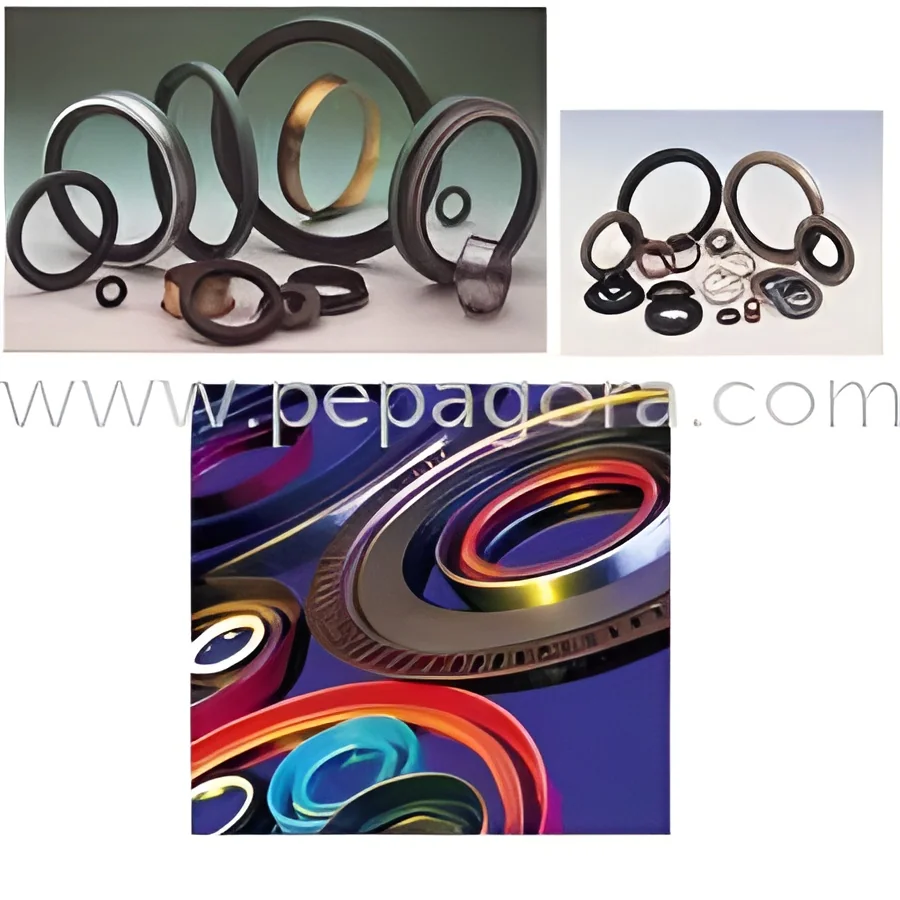
Industrial machinery premium oil seals are precision-engineered components designed for one critical purpose: to prevent lubricant leakage and block contaminants in rotating shaft applications. They act as a dynamic barrier, sealing the interface between a moving shaft and a stationary housing. Constructed from robust materials such as nitrile rubber (NBR), polyurethane, or fluorocarbon (FKM/Viton), these seals offer exceptional resistance to heat, pressure, abrasion, and various chemicals. Their design often incorporates a sealing lip, sometimes reinforced with a garter spring, to maintain consistent contact and pressure against the shaft, ensuring effective sealing even under variable speeds and temperatures. This focus on durability and precise engineering makes them a fundamental component for ensuring machinery operates efficiently and reliably under demanding industrial conditions.

These seals serve as a frontline defense in numerous industries where equipment failure is not an ...
Industrial machinery premium oil seals are precision-engineered components designed for one critical purpose: to prevent lubricant leakage and block contaminants in rotating shaft applications. They act as a dynamic barrier, sealing the interface between a moving shaft and a stationary housing. Constructed from robust materials such as nitrile rubber (NBR), polyurethane, or fluorocarbon (FKM/Viton), these seals offer exceptional resistance to heat, pressure, abrasion, and various chemicals. Their design often incorporates a sealing lip, sometimes reinforced with a garter spring, to maintain consistent contact and pressure against the shaft, ensuring effective sealing even under variable speeds and temperatures. This focus on durability and precise engineering makes them a fundamental component for ensuring machinery operates efficiently and reliably under demanding industrial conditions.

These seals serve as a frontline defense in numerous industries where equipment failure is not an option. In the automotive sector, they are vital within engines, transmissions, and axles to retain oil and prevent leaks that could lead to breakdowns. Manufacturing plants rely on them in motors, compressors, and conveyor drives to minimize unplanned downtime and protect expensive components from contamination. The agricultural industry uses them in tractors, combines, and irrigation pumps to combat the harsh, dusty, and wet environments typical of fieldwork. Furthermore, heavy machinery for construction, mining, and material handling depends on these seals for longevity and performance in the most abrasive and high-load scenarios, proving their versatility and critical role in industrial operations.

Investing in high-quality, reliable oil seals delivers tangible business value by safeguarding operational continuity and reducing total cost of ownership. They directly prevent costly downtime by maintaining essential lubrication and protecting internal components from abrasive contaminants that cause rapid wear. Their reliability ensures consistent machinery output, reduces the risk of catastrophic bearing or gear failures, and extends the service intervals for equipment. By choosing seals engineered for specific pressure, temperature, and chemical exposures, businesses achieve a perfect fit for their application, optimizing performance and lifespan. This strategic component selection results in lower maintenance costs, extended equipment life, improved safety, and a stronger return on capital investment through sustained productivity.

Key Features:
- Manufactured from premium materials like nitrile rubber and fluorocarbon for superior durability and chemical resistance.
- Precision-engineered sealing lip design, often with spring reinforcement, ensures consistent leak-proof performance.
- Excellent thermal stability and resistance to abrasion, suitable for high-speed and high-pressure environments.
- Robust construction maintains integrity and sealing capability across a wide range of operating temperatures.
- Engineered to provide effective dual functionality: retaining lubricants and excluding dust, water, and debris.

Benefits:
- Extends machinery lifespan by preventing lubricant loss and protecting bearings from contaminant-induced wear.
- Reduces maintenance frequency and costs by minimizing downtime and preventing secondary component damage.
- Enhances operational reliability and safety by ensuring consistent equipment performance in critical applications.
- Improves energy efficiency by maintaining optimal lubrication, which reduces friction and power consumption.
- Offers a high return on investment through prolonged equipment service life and reduced total operational expenses.
Specifications
| Additional Information | |
|---|---|
| Country of Origin | India |
Application
Industrial oil seals are engineered to create a secure barrier between rotating shafts and their housings, effectively retaining lubricants like oil and grease while preventing the ingress of dirt, water, and other harmful contaminants. This dual action is critical for maintaining optimal internal conditions, reducing friction, and protecting sensitive bearing surfaces from premature wear and damage, which directly contributes to machinery longevity and consistent operational output.
These components are indispensable across sectors where equipment reliability is non-negotiable. Their application ensures that machinery operates at peak efficiency by maintaining proper lubrication levels and a clean internal environment. This translates to fewer unplanned stoppages, lower maintenance frequency, and protection against costly secondary damage from contamination or lubrication failure, making them a fundamental part of proactive industrial maintenance strategies.
- Automotive engines and transmissions to prevent oil leaks and ensure smooth, reliable vehicle operation.
- Industrial pumps and hydraulic systems for maintaining pressure integrity and preventing fluid loss.
- Agricultural tractors and harvesters to shield bearings and gears from dust, soil, and moisture in field conditions.
- Manufacturing conveyor systems and gearboxes to minimize downtime and reduce wear-related maintenance.
- Heavy construction equipment like excavators and loaders for durable performance in abrasive, high-load environments.
Trade Details
| Available Stock | In Stock |
| Sample Availability | No |
Payment Terms
| Payment Terms |
|
Company Profile
Minerva Hydro Peneumatics, Maharashtra
 Maharashtra, India
Industrial Equipment & Machinery•Trading Company•Retailer
Factory Details
Factory SizeBelow 1000 sqm
Annual Production Capacity0
Industrial Machinery Premium Oil Seals For Leak Prevention And Contaminant Blocking
Premium industrial oil seals prevent lubricant leakage and block contaminants in machinery. Customizable sizes and materials ensure reliable performance for automotive, manufacturing, and heavy equipment applications.
Min. Order Quantity: 1 unit
Shipping
Shipping fee and delivery date to be negotiated. Contact supplier now for more details.
Minerva Hydro Peneumatics
 Maharashtra, India
Industrial Equipment & MachineryTrading Company