IN
₹
Apparel & Fashion
Description
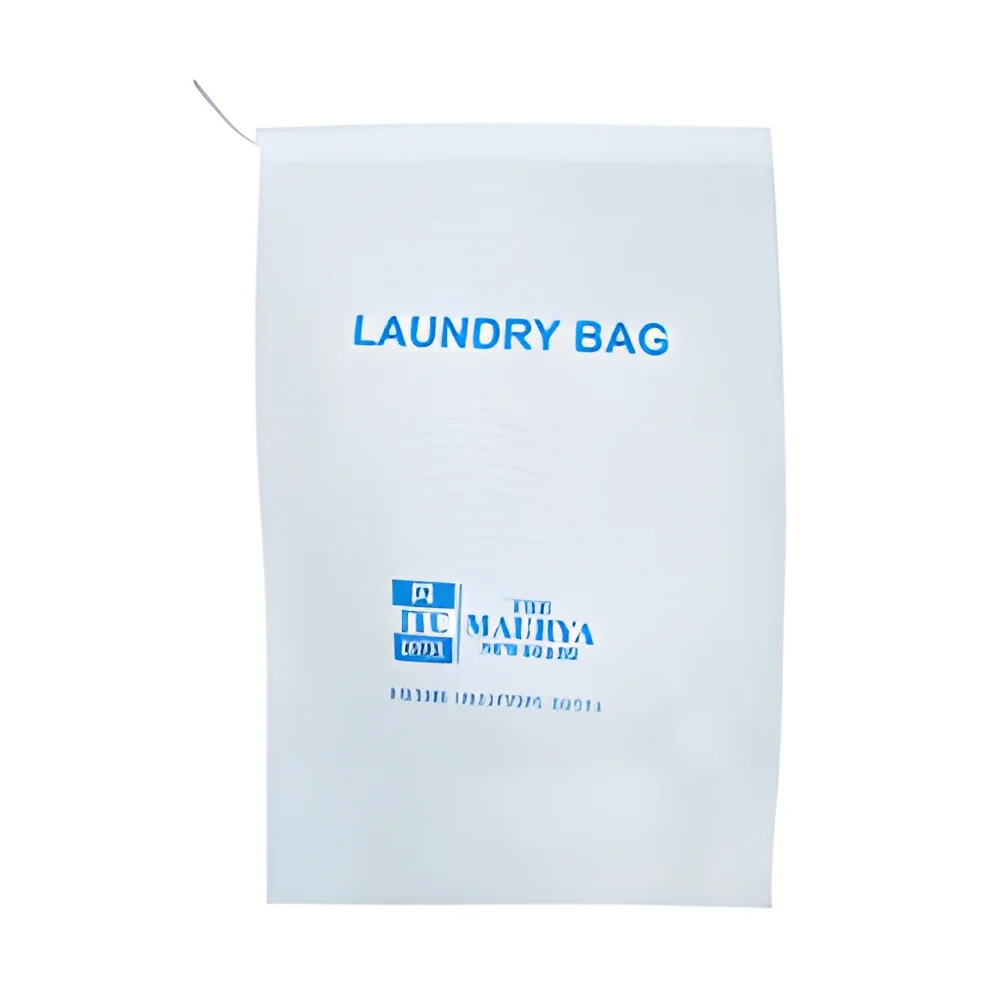
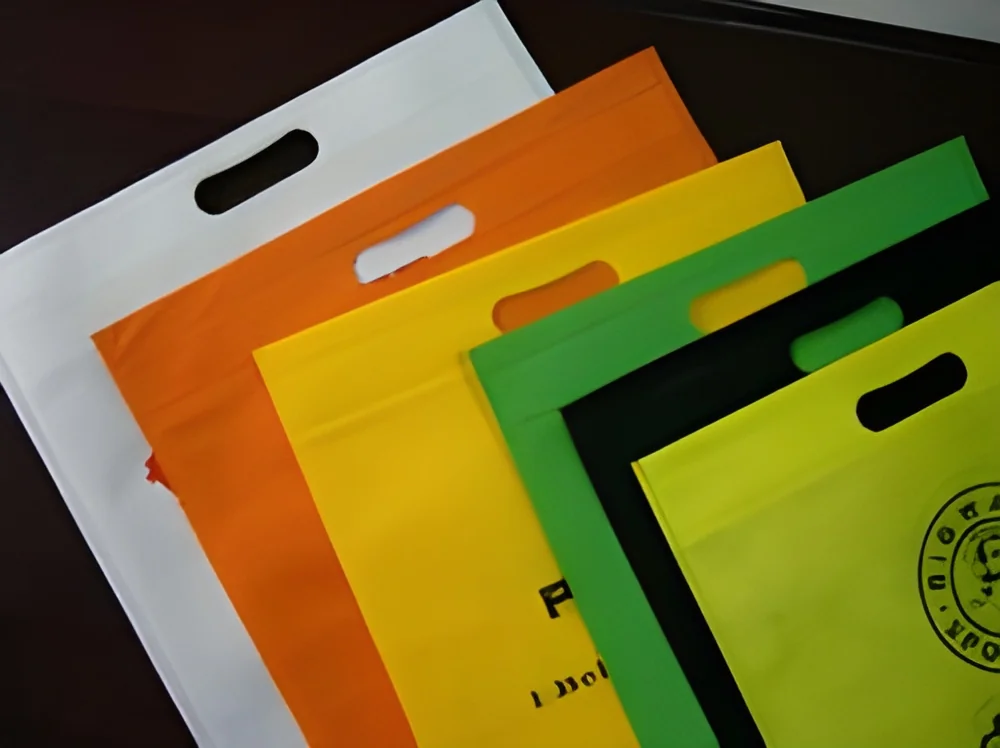
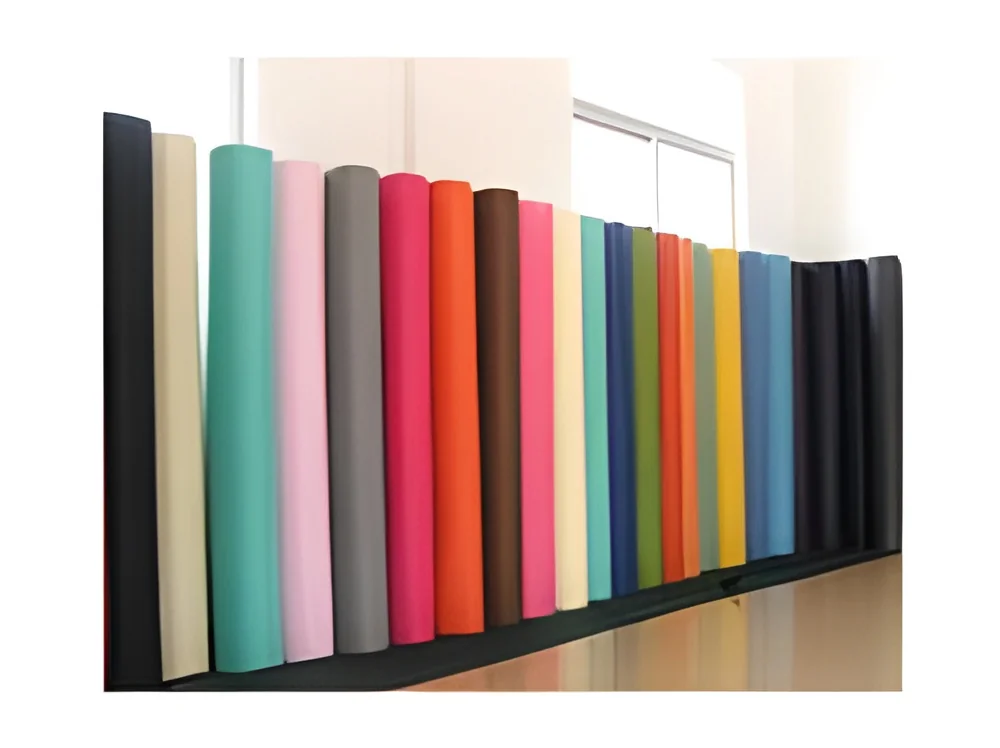
Premium non-woven fabric represents advanced engineered textile technology, providing businesses with a versatile and high-performance material solution. Manufactured through mechanical, thermal, or chemical processes that interlock fibers without traditional weaving, this innovative material delivers consistent quality, uniform structure, and tailored properties meeting specific industrial requirements. The fabric demonstrates exceptional durability, porosity, and flexibility while maintaining cost-effectiveness for large-scale applications. Companies choose this non-woven fabric for its reliability and consistent performance across various demanding environments, making it an ideal selection for manufacturers seeking quality materials that enhance their end products while optimizing production efficiency and operational consistency.

This non-woven fabric serves extensive applications across multiple industries due to its adaptable properties and functional characteristics. In medica...
Premium non-woven fabric represents advanced engineered textile technology, providing businesses with a versatile and high-performance material solution. Manufactured through mechanical, thermal, or chemical processes that interlock fibers without traditional weaving, this innovative material delivers consistent quality, uniform structure, and tailored properties meeting specific industrial requirements. The fabric demonstrates exceptional durability, porosity, and flexibility while maintaining cost-effectiveness for large-scale applications. Companies choose this non-woven fabric for its reliability and consistent performance across various demanding environments, making it an ideal selection for manufacturers seeking quality materials that enhance their end products while optimizing production efficiency and operational consistency.

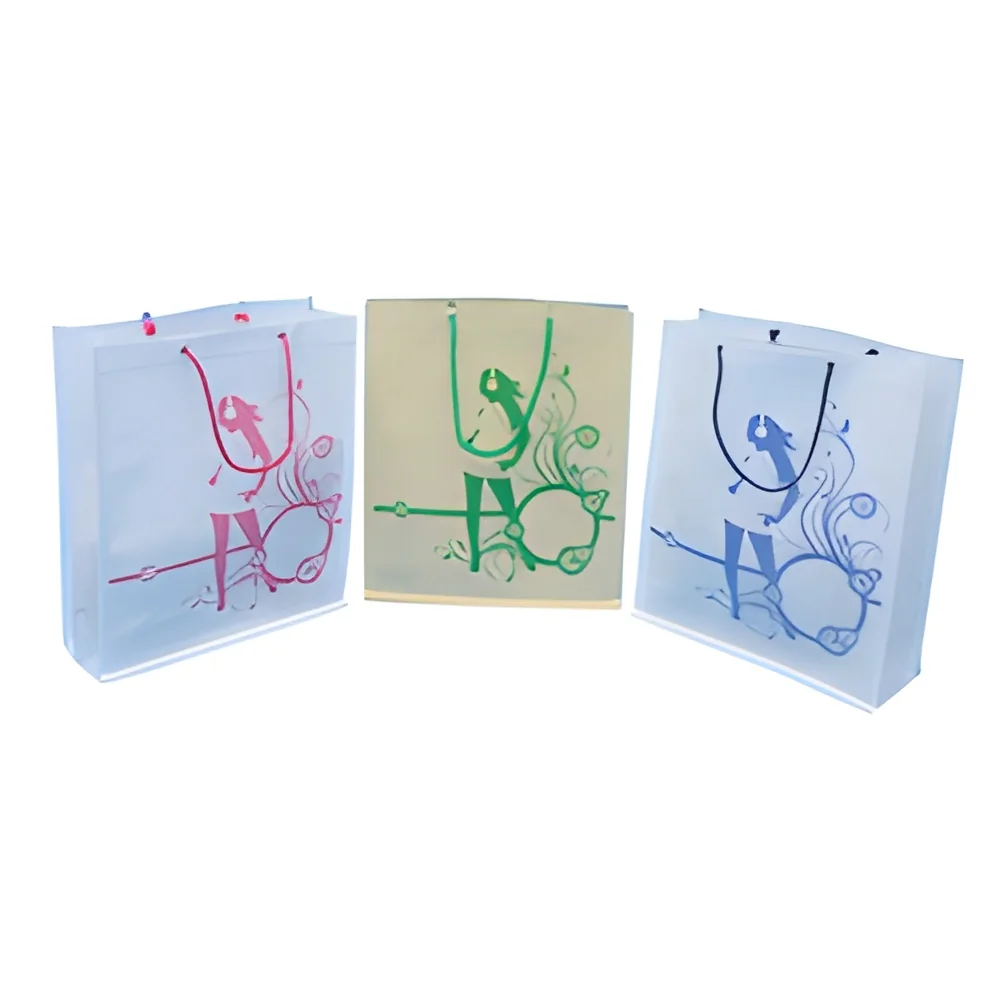
This non-woven fabric serves extensive applications across multiple industries due to its adaptable properties and functional characteristics. In medical and healthcare sectors, it functions as a critical component in disposable protective equipment, surgical supplies, and hygiene products where barrier protection and sterility are essential. The automotive industry utilizes it for interior trim components, insulation materials, and filtration systems requiring specific acoustic and thermal properties. Agricultural applications include crop protection covers, weed control fabrics, and nursery plant bags benefiting from its breathability and durability. The construction sector employs it in geotextiles for soil stabilization, drainage systems, and erosion control projects. Manufacturers across these industries value the material's consistency and performance reliability in their production processes and end-use applications.

The business value of this non-woven fabric extends beyond physical properties to encompass operational efficiency and cost-effectiveness. Companies benefit from reduced material waste during manufacturing due to the fabric's consistent quality and minimal defects. The material's reliable performance allows businesses to obtain precisely engineered solutions meeting specific application requirements without compromising on performance standards. This reliability translates into fewer production interruptions, consistent end-product quality, and enhanced customer satisfaction. Furthermore, the fabric's durability and performance characteristics often result in longer product lifecycles and reduced replacement costs for end-users. These factors combine to deliver significant return on investment for businesses incorporating this non-woven fabric into their products and manufacturing processes.

Key Features:
- Consistent quality and uniform fiber distribution throughout the material
- Customizable weight, thickness, and finish options for specific applications
- Excellent strength-to-weight ratio providing durability without added bulk
- Superior breathability and permeability for filtration and barrier applications
- Thermal bonding technology ensuring dimensional stability and resistance to fraying

Benefits:
- Reduced material waste during manufacturing due to consistent quality and minimal defects
- Enhanced production efficiency with reliable performance and fewer interruptions
- Cost-effective solution providing excellent value for large-scale applications
- Versatile performance across multiple industries and applications
- Long product lifecycles and reduced replacement costs for end-users
Specifications
| Additional Information | |
|---|---|
| Country of Origin | India |
Application
Our non-woven fabric delivers versatile performance across multiple industries with superior strength, breathability, and liquid resistance. This engineered material provides excellent barrier properties and thermal insulation while remaining lightweight and easy to process for various manufacturing requirements. The fabric's consistent quality ensures reliable performance in both disposable and durable applications, making it suitable for specialized industrial needs and commercial products where material reliability is essential.
Manufacturers choose our non-woven fabric for its manufacturing efficiency and functional characteristics that enhance end-product performance. The material offers excellent acoustic absorption and customizable properties while optimizing production costs and operational efficiency. This combination of features makes it a preferred choice for businesses seeking material solutions that deliver consistent results across different applications and production environments without compromising on quality or performance standards.
- Medical and healthcare products including surgical gowns, masks, and drapes for infection control
- Geotextiles for civil engineering projects providing soil stabilization and drainage solutions
- Automotive interior components such as trunk liners, headliners, and insulation materials
- Agricultural crop covers and weed control fabrics promoting plant growth and protection
- Filtration systems for industrial air and liquid purification applications across manufacturing facilities
Trade Details
| Available Stock | In Stock |
| Sample Availability | No |
Payment Terms
| Payment Terms |
|
Company Profile
Bengal Export Corporation, West Bengal
 West Bengal, India
Home & Lifestyle•Trading Company
Factory Details
Factory SizeBelow 1000 sqm
Annual Production Capacity0
Premium Non Woven Fabric For Industrial And Commercial Applications
Premium non-woven fabric offers durable, cost-effective material for industrial and commercial applications including filtration, packaging, medical, and hygiene uses. Trusted for consistent quality and reliable performance across various sectors.
Min. Order Quantity: 1 unit
Shipping
Shipping fee and delivery date to be negotiated. Contact supplier now for more details.
Bengal Export Corporation
 West Bengal, India
Home & LifestyleTrading Company