IN
IN₹
Apparel & Fashion
Description
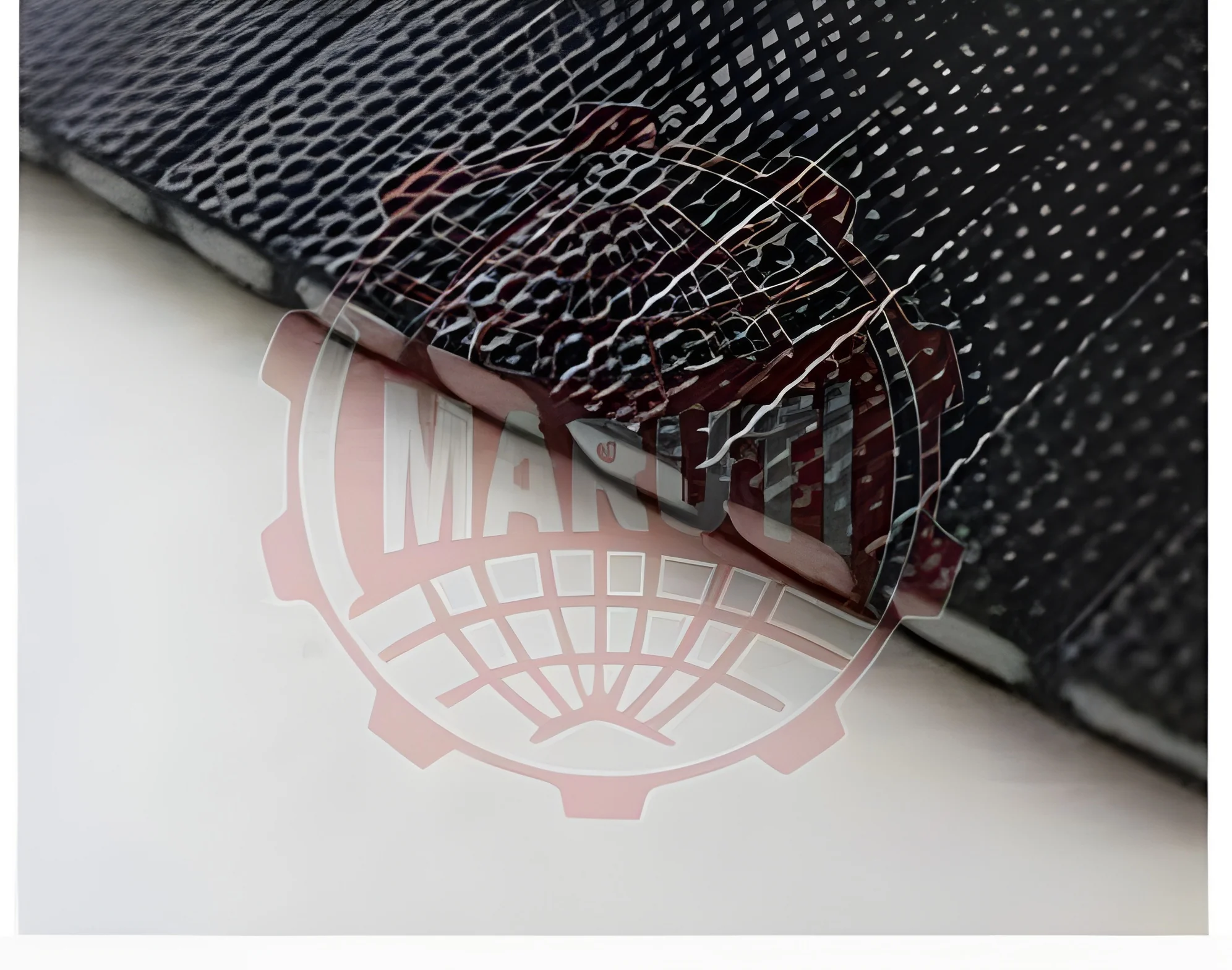
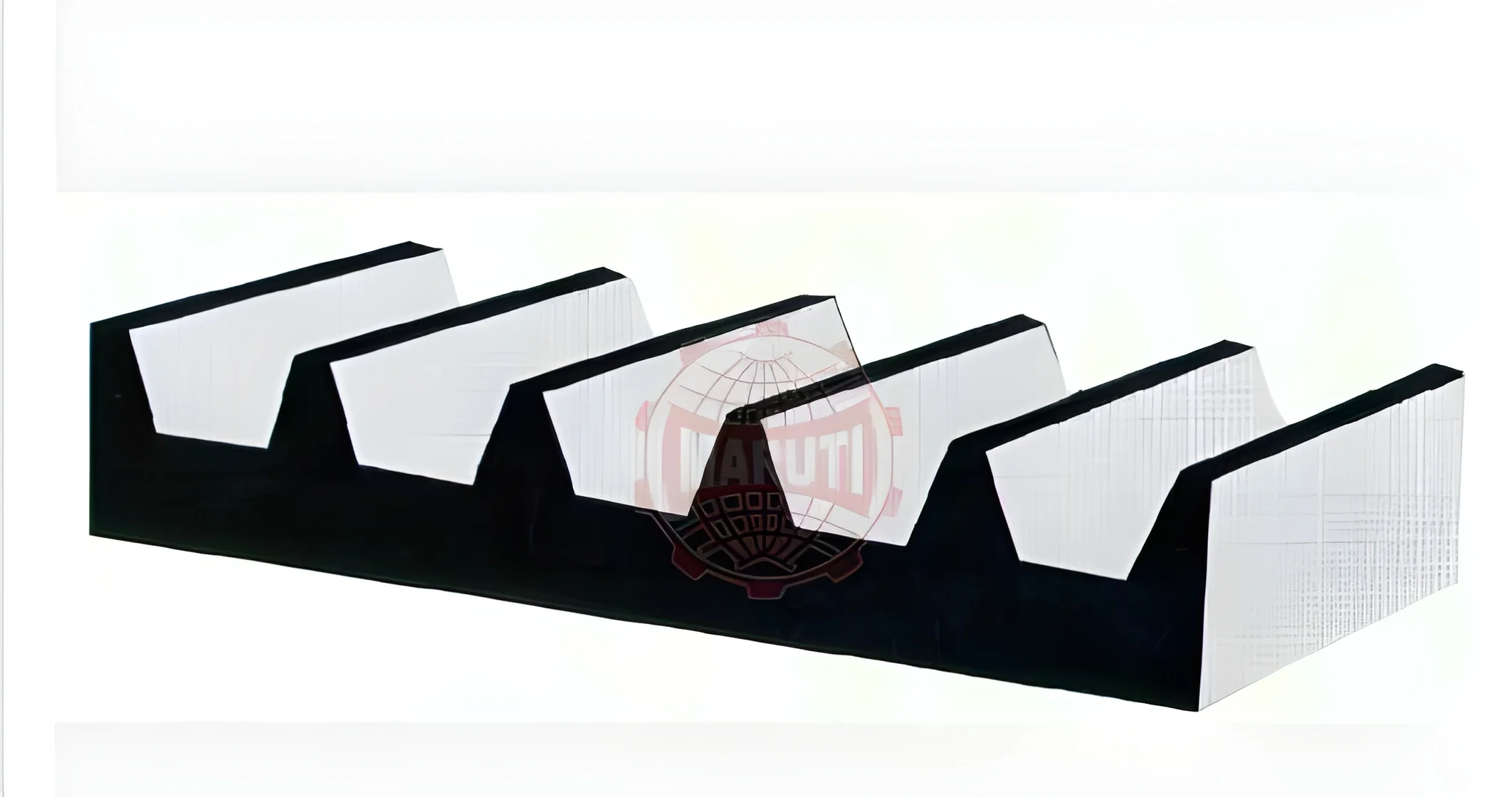
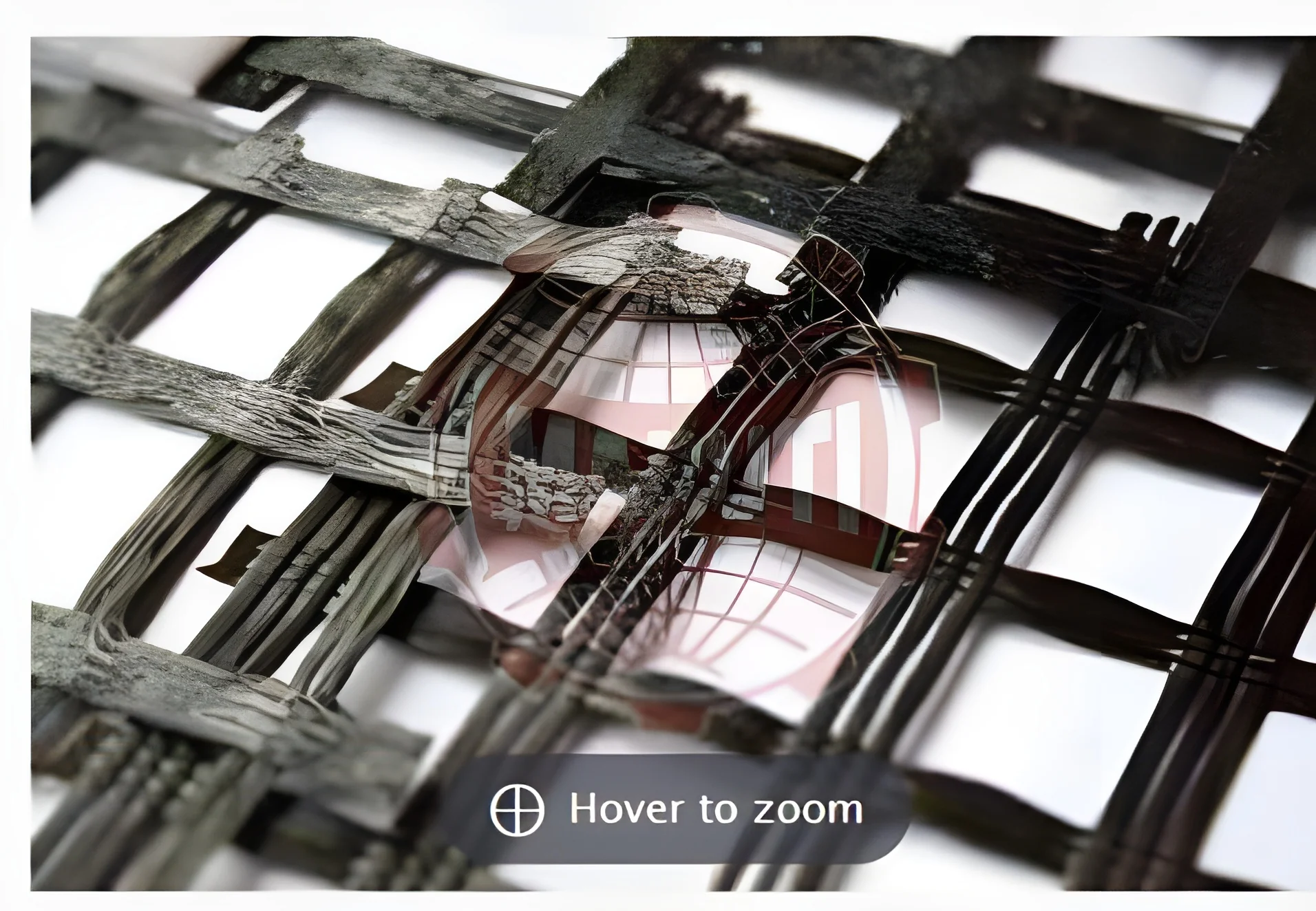
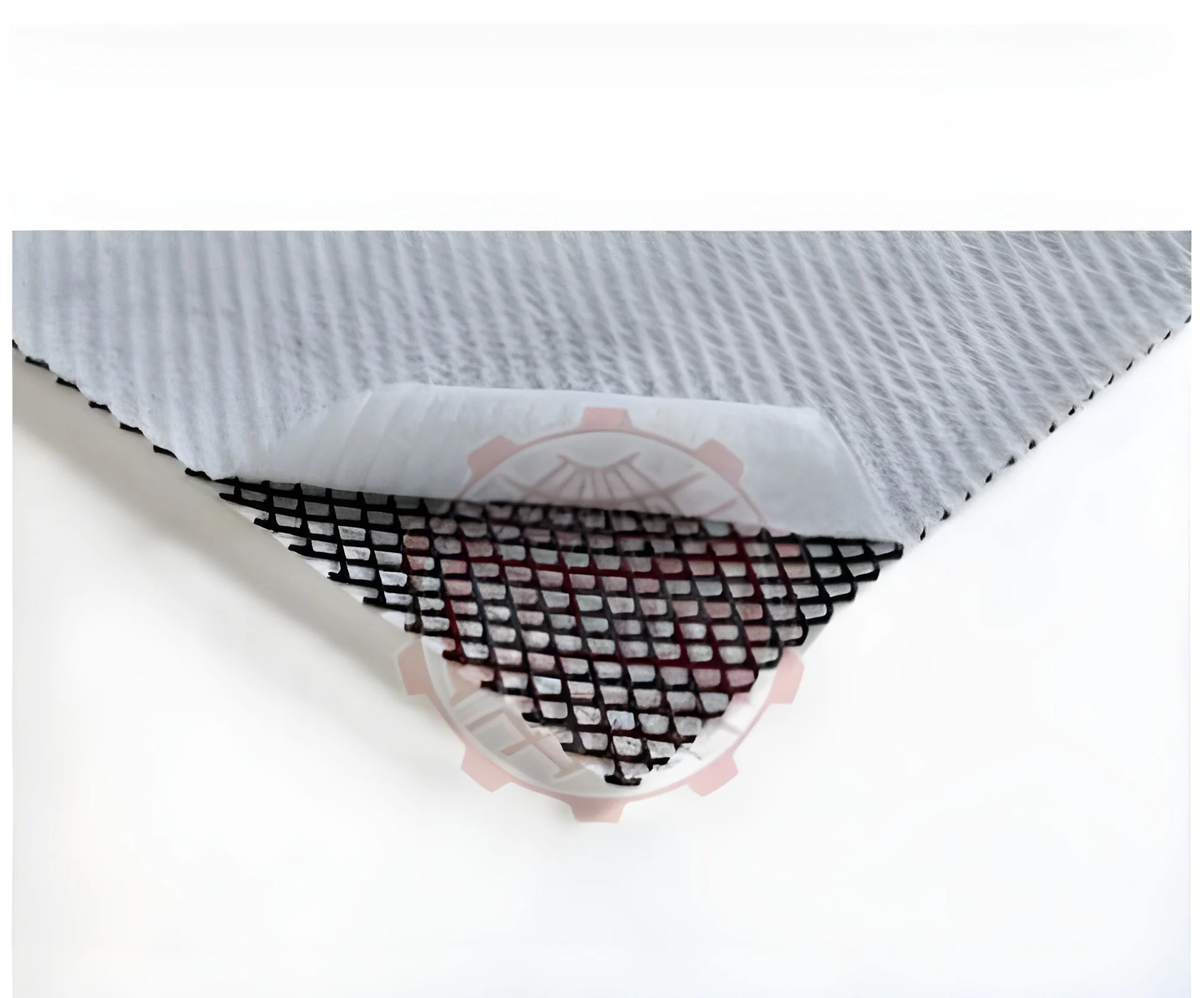
Geocomposites represent advanced engineering materials created by bonding multiple geosynthetic components like geotextiles, geomembranes, and geogrids into unified systems. These composite solutions deliver enhanced performance where single materials cannot address complex ground improvement challenges. By combining drainage capabilities with filtration and reinforcement functions, geocomposites provide comprehensive soil stabilization while efficiently managing water flow in civil engineering applications. Their engineered design ensures optimal interaction between different material properties, creating synergistic effects that outperform traditional methods. The manufacturing process carefully selects compatible materials to create durable, high-performance composites that withstand demanding installation and service conditions while maintaining consistent performance over decades. Geocomposites serve critical functions across multiple industries including transportation infrastruc...
Geocomposites represent advanced engineering materials created by bonding multiple geosynthetic components like geotextiles, geomembranes, and geogrids into unified systems. These composite solutions deliver enhanced performance where single materials cannot address complex ground improvement challenges. By combining drainage capabilities with filtration and reinforcement functions, geocomposites provide comprehensive soil stabilization while efficiently managing water flow in civil engineering applications. Their engineered design ensures optimal interaction between different material properties, creating synergistic effects that outperform traditional methods. The manufacturing process carefully selects compatible materials to create durable, high-performance composites that withstand demanding installation and service conditions while maintaining consistent performance over decades. Geocomposites serve critical functions across multiple industries including transportation infrastructure, environmental protection, and urban development. Civil engineering firms utilize them in road construction to stabilize subgrades and prevent pavement deterioration. Environmental engineers specify geocomposites for landfill lining systems, mining operations, and containment facilities where chemical resistance and reliable drainage are essential. The construction industry relies on these materials for basement waterproofing, tunnel construction, and foundation drainage where space constraints demand multifunctional solutions. Municipal projects increasingly incorporate geocomposites in green infrastructure like parks, sports facilities, and sustainable drainage systems. The reliability and business value of geocomposites stem from their proven performance in extending infrastructure lifespan while reducing maintenance costs. These engineered solutions deliver consistent results across varying soil conditions and climate challenges, providing predictable long-term behavior that engineers can depend on. Their composite nature eliminates compatibility issues between separate geosynthetic layers, ensuring integrated performance throughout the product's service life. Manufacturers offer customization options to meet specific project requirements, including material combinations, thickness variations, and permeability characteristics tailored to unique site conditions. This flexibility combined with standardized quality control processes makes geocomposites a trusted choice for critical infrastructure projects worldwide.

Key Features:
- Combines geotextiles, geomembranes, and geogrids in unified composite structure
- Provides simultaneous drainage, filtration, and reinforcement functions
- Customizable material combinations for specific project requirements
- High resistance to chemicals, UV exposure, and mechanical stress
- Lightweight and flexible for easy installation across various terrains

Benefits:
- Reduces construction time and labor costs through integrated functionality
- Extends infrastructure lifespan by preventing soil erosion and water damage
- Improves project safety through reliable ground stabilization
- Lowers long-term maintenance requirements with durable performance
- Offers cost-effective alternative to traditional multilayer systems
Specifications
| Additional Information | |
|---|---|
| Country of Origin | India |
Application
Geocomposites deliver versatile performance across infrastructure projects by integrating multiple geosynthetic functions. They provide simultaneous drainage, filtration, and reinforcement where single-layer solutions fall short, adapting to complex engineering requirements with proven reliability. Their composite design addresses multiple ground improvement challenges in one installation, saving time and reducing material costs while meeting strict technical specifications for demanding environments. This multifunctional appr
oach makes them indispensable for modern construction where space, weight, and performance constraints exist. Real-world applications: - Road and highway construction for subgrade stabilization and drainage layer systems - Landfill engineering including liner protection and leachate collection networks - Retaining wall backfill drainage to prevent hydrostatic pressure buildup - Slope and embankment erosion control with combined reinforcement and drainage - Green roof and sports field drainage layers managing water infiltration
Real-world applications:
- Road and highway construction for subgrade stabilization and drainage layer systems
- Landfill engineering including liner protection and leachate collection networks
- Retaining wall backfill drainage to prevent hydrostatic pressure buildup
- Slope and embankment erosion control with combined reinforcement and drainage
- Green roof and sports field drainage layers managing water infiltration
Trade Details
| Available Stock | In Stock |
| Sample Availability | No |
Payment Terms
| Payment Terms |
|
Company Profile

Maruti Techno Rubber Pvt. Ltd., Uttar Pradesh
 Uttar Pradesh, India
Uttar Pradesh, IndiaConstruction•Manufacturer•Distributor / Wholesaler•Retailer
Factory Details
Factory SizeBelow 1000 sqm
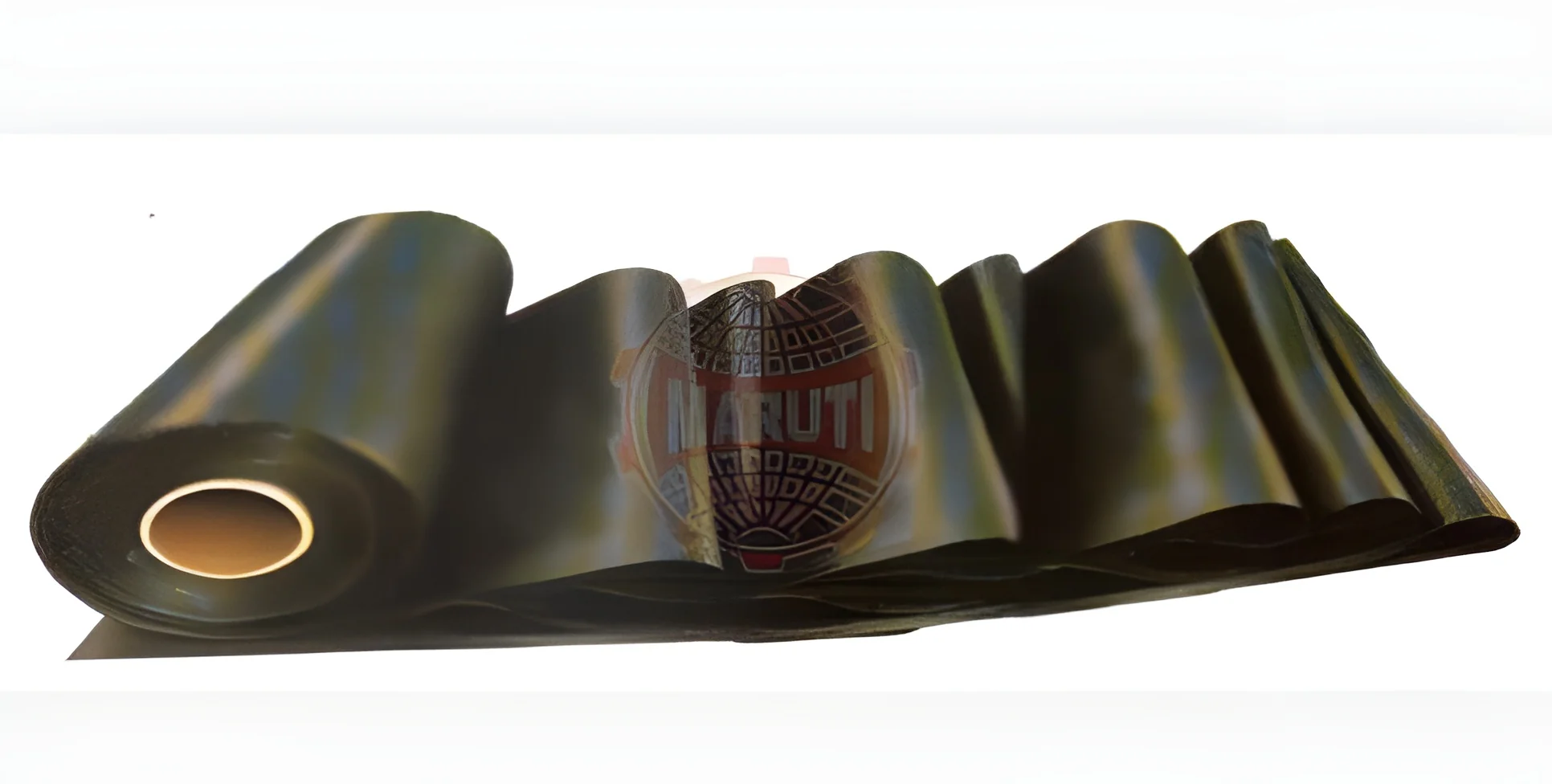
Geocomposites For Soil Stabilization, Drainage, And Erosion Control
Geocomposites combine geotextiles, geomembranes, and geogrids for superior soil stabilization, drainage, and erosion control in civil engineering projects. These engineered solutions enhance construction durability while managing water flow efficiently.
Min. Order Quantity: 1
Shipping
Shipping fee and delivery date to be negotiated. Contact supplier now for more details.
Maruti Techno Rubber Pvt. Ltd.
 Uttar Pradesh, India
Uttar Pradesh, IndiaConstructionManufacturer