IN
IN₹
Apparel & Fashion
Description
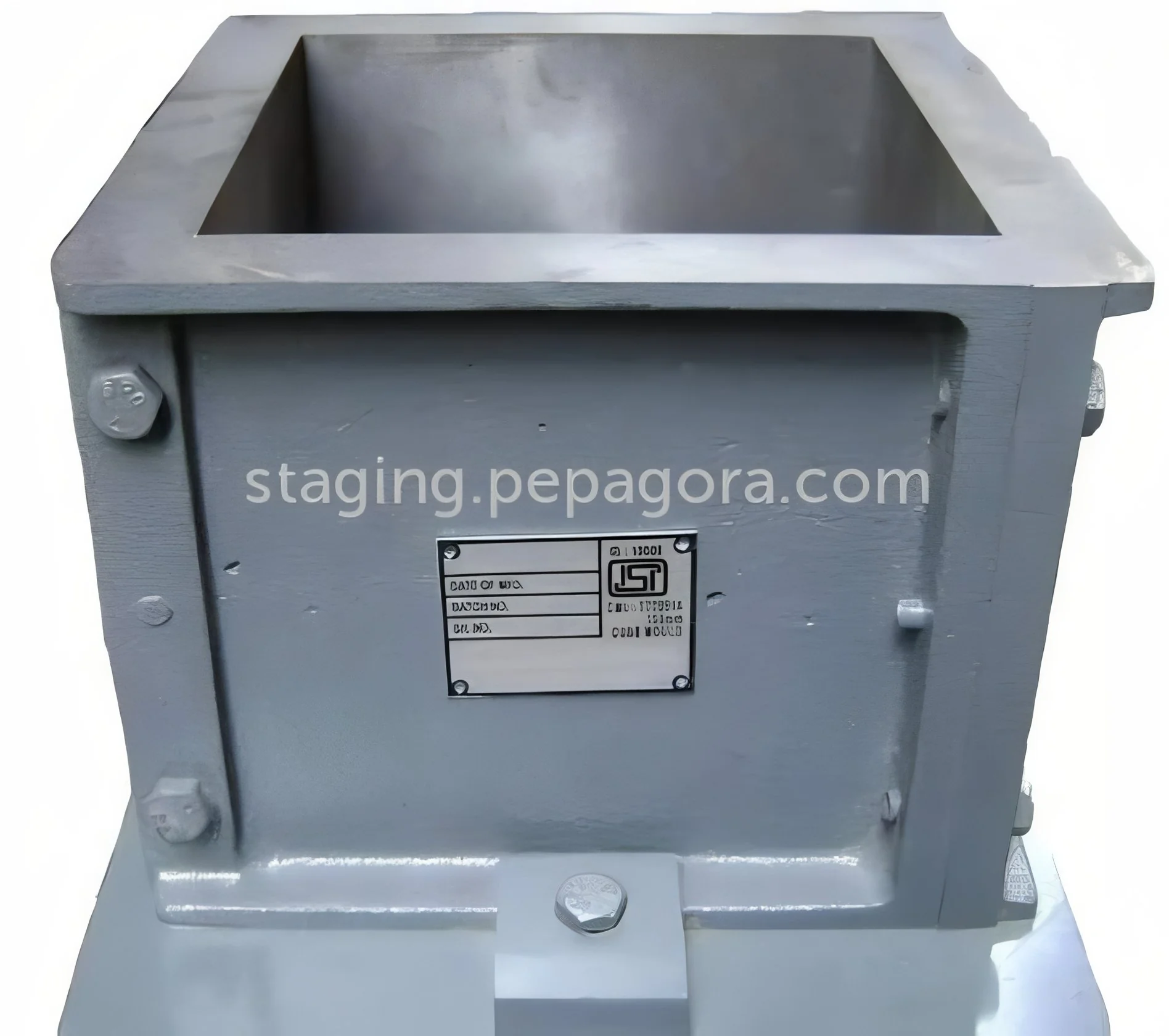
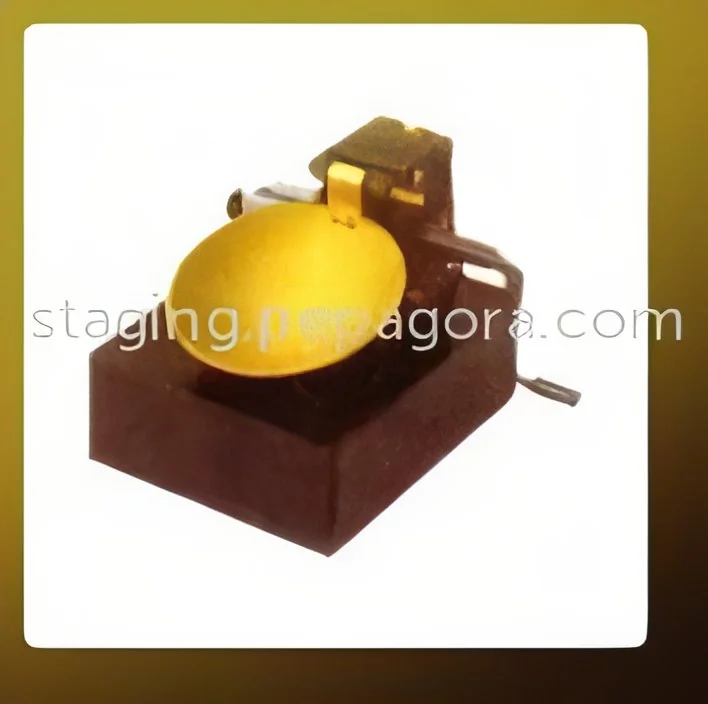
The Geotechnical Soil Testing Liquid Limit Device represents precision engineering for accurate soil analysis, designed to determine the critical moisture content where soil behavior transitions from plastic to liquid states. This fundamental testing instrument strictly follows IS 2720 (Part 5) and ASTM D4318 standards, ensuring global recognition and acceptance of test results. The device features a Casagrande brass cup mounted on a durable base, complete with a grooving tool for creating standardized soil samples. Through controlled impact testing, engineers establish the relationship between moisture content and soil consistency, providing essential data for construction planning and risk assessment. Available in both hand-operated and motorized versions, this instrument delivers consistent, repeatable results that form the basis of soil classification systems worldwide.

This testing equipment serves critical roles across multiple industries where soil properties directly impact pr...
The Geotechnical Soil Testing Liquid Limit Device represents precision engineering for accurate soil analysis, designed to determine the critical moisture content where soil behavior transitions from plastic to liquid states. This fundamental testing instrument strictly follows IS 2720 (Part 5) and ASTM D4318 standards, ensuring global recognition and acceptance of test results. The device features a Casagrande brass cup mounted on a durable base, complete with a grooving tool for creating standardized soil samples. Through controlled impact testing, engineers establish the relationship between moisture content and soil consistency, providing essential data for construction planning and risk assessment. Available in both hand-operated and motorized versions, this instrument delivers consistent, repeatable results that form the basis of soil classification systems worldwide.

This testing equipment serves critical roles across multiple industries where soil properties directly impact project success and safety. Civil engineering firms utilize liquid limit data for foundation design, slope stability analysis, and earthwork planning. Construction companies depend on these measurements to determine soil suitability for embankments, road subgrades, and building foundations. Geotechnical consulting firms incorporate liquid limit testing into comprehensive site investigations, while material testing laboratories use the device to verify soil specifications before construction begins. Educational institutions employ this equipment for soil mechanics education and research, training the next generation of geotechnical professionals.

The operational value of this Liquid Limit Device extends beyond standard compliance to deliver tangible reliability and performance benefits. Its robust brass and steel construction ensures long-term durability, significantly reducing replacement costs and maintenance requirements. The availability of both manual and motorized operation options allows facilities to select based on testing volume and precision needs. The device's proven accuracy builds confidence in test results, supporting informed decision-making in construction and infrastructure projects. This reliability, combined with strict standard compliance, makes it an essential investment for geotechnical testing operations seeking consistent, trustworthy soil analysis results.

Key Features:
- Compliant with IS 2720 (Part 5) and ASTM D4318 testing standards
- Premium brass cup construction for consistent performance
- Available in hand-operated and motorized operation versions
- Includes standardized grooving tool for precise sample preparation
- Durable steel base and components for extended service life

Benefits:
- Ensures accurate soil classification for construction safety
- Reduces testing time through efficient operation
- Minimizes maintenance requirements with robust construction
- Supports compliance with international building standards
- Enhances laboratory credibility with reliable test outcomes
Specifications
| Key Attributes | |
|---|---|
| Standard | IS 2720 (Part 5) / ASTM D4318 |
| Material | Brass / Steel Construction |
| Operation | Hand-operated or motorized |
| Additional Information | |
|---|---|
| SKU | AKR-LLD-001 |
| Country of Origin | 106 |
Application
The Liquid Limit Device delivers precise soil consistency measurements essential for geotechnical analysis. This instrument determines the critical moisture content where soil transitions from plastic to liquid state, providing fundamental data for construction planning and material selection. Accurate testing helps prevent structural issues and ensures compliance with international standards across various soil types and conditions.
Engineering teams rely on this device for comprehensive soil evaluation before project initiation. From infrastructure development to foundation design, liquid limit values inform critical decisions about soil stabilization and earthwork procedures. Testing laboratories and educational institutions utilize this equipment for quality verification and soil mechanics training, ensuring proper understanding of soil behavior under different moisture conditions.
- Foundation design projects requiring soil bearing capacity assessment
- Road construction and highway development for subgrade evaluation
- Dam construction and embankment design for stability analysis
- Material testing laboratories for construction quality control
- Educational institutions for soil mechanics training and research
Trade Details
| Available Stock | In Stock |
| Sample Availability | No |
Payment Terms
| Payment Terms |
|
Shipping & Logistics
| Port of Dispatch | Indore , Mumbai |
Company Profile
A. K. Rampurawala & Sons, Madhya Pradesh
 Madhya Pradesh, India
Madhya Pradesh, IndiaConstruction•Trading Company•Distributor / Wholesaler•Importer / Exporter
Factory Details
Factory SizeBelow 1000 sqm
Annual Production Capacity0
SKU: AKR-LLD-001
Geotechnical Soil Testing Liquid Limit Device Brass Cup ASTM D4318
Geotechnical Soil Testing Liquid Limit Device with brass cup construction for ASTM D4318 compliance. Accurately determines soil moisture content for construction and engineering applications with reliable performance.
Min. Order Quantity: 1 Unit
Shipping
Shipping fee and delivery date to be negotiated. Contact supplier now for more details.
A. K. Rampurawala & Sons
 Madhya Pradesh, India
Madhya Pradesh, IndiaConstructionTrading Company