IN
₹
Apparel & Fashion
Description
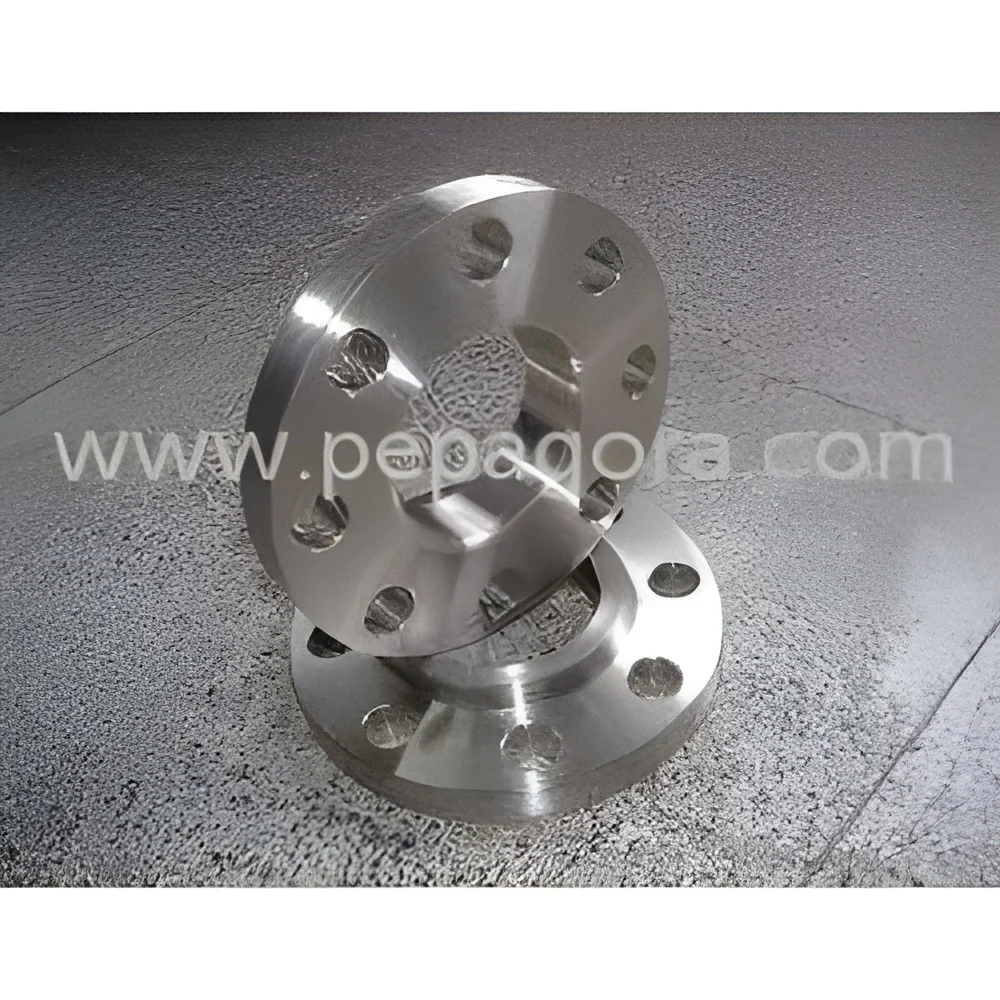
Lapjoint flanges, also known as loose flanges, are specialized piping components designed for systems that require easy assembly and disassembly. They consist of two parts: a stub end welded to the pipe and a backing flange that slides over the pipe and rotates freely. This design allows for quick alignment of bolt holes during installation, reducing labor time and minimizing errors. Manufactured through plate fabrication or forging processes, these flanges adhere to international standards such as ASME, ANSI, DIN, and IS, ensuring compatibility and reliability across global projects. They are available in various materials including carbon steel, stainless steel, alloy steel, and duplex steel, catering to diverse operational needs from high-pressure environments to corrosive fluid handling.

Lapjoint flanges are extensively used in industries where maintenance, inspection, and system modifications are frequent. In the chemical and petrochemical sectors, they facilitate the safe transp...
Lapjoint flanges, also known as loose flanges, are specialized piping components designed for systems that require easy assembly and disassembly. They consist of two parts: a stub end welded to the pipe and a backing flange that slides over the pipe and rotates freely. This design allows for quick alignment of bolt holes during installation, reducing labor time and minimizing errors. Manufactured through plate fabrication or forging processes, these flanges adhere to international standards such as ASME, ANSI, DIN, and IS, ensuring compatibility and reliability across global projects. They are available in various materials including carbon steel, stainless steel, alloy steel, and duplex steel, catering to diverse operational needs from high-pressure environments to corrosive fluid handling.

Lapjoint flanges are extensively used in industries where maintenance, inspection, and system modifications are frequent. In the chemical and petrochemical sectors, they facilitate the safe transport of aggressive substances by allowing easy access to piping sections. The oil and gas industry relies on them for pipeline systems that require regular upkeep, especially in remote or challenging environments. Water treatment plants utilize these flanges for their durability and ease of handling in filtration and distribution networks. Additionally, they are found in power generation facilities, HVAC systems, and industrial manufacturing units, providing versatile and reliable connections that enhance operational efficiency and safety.

The business value of lapjoint flanges lies in their cost-effectiveness and operational reliability. By enabling quick disassembly without disturbing the entire pipeline, they reduce downtime and maintenance costs, directly impacting productivity and profitability. Their design minimizes the risk of misalignment during installation, ensuring a secure and leak-proof connection that enhances system integrity. The availability in various materials and standards allows businesses to select options that meet specific project requirements without over-engineering or overspending. This combination of flexibility, durability, and efficiency makes them a smart investment for businesses aiming to optimize their piping infrastructure.

Key Features:
- Manufactured as per global standards including ASME, ANSI, DIN, and IS.
- Available in materials like carbon steel, stainless steel, alloy steel, and duplex steel.
- Designed for easy bolt hole alignment and simple installation.
- Compatible with stub ends for secure and reliable connections.
- Forged or plate-fabricated construction for durability and performance.

Benefits:
- Reduces installation time and labor costs through easy alignment.
- Minimizes downtime with quick disassembly for maintenance.
- Enhances system safety with leak-proof and secure connections.
- Offers cost efficiency by pairing materials for optimal performance.
- Ensures long-term reliability in demanding industrial environments.
Specifications
| Additional Information | |
|---|---|
| Country of Origin | India |
Application
Lapjoint flanges are essential for piping systems that require frequent disassembly and maintenance. Their unique design allows the stub end to be welded to the pipe while the backing flange rotates freely, simplifying bolt hole alignment during installation. This reduces labor time and minimizes errors, making them ideal for systems needing regular inspection, cleaning, or modification without disturbing the entire pipeline. They are widely used in industries dealing with corrosive fluids, high temperatures, or abrasive materials due to their adaptability and ease of assembly.
These flanges offer both performance and cost efficiency by enabling the pairing of a corrosion-resistant stub end with a carbon steel backing flange. They are specified in projects demanding long-term reliability under challenging operational conditions, such as those in chemical processing, oil and gas, and power generation. Their design ensures secure connections that withstand demanding environments while facilitating quick access for upkeep, enhancing overall system safety and efficiency across various industrial applications.
- Chemical processing plants for connecting pipes carrying corrosive acids and alkalis.
- Oil and gas pipelines, especially in sections requiring regular maintenance or inspection.
- Water treatment facilities for managing fluid flow in filtration and purification systems.
- Power generation plants in steam and coolant lines needing periodic disassembly.
- HVAC and industrial heating systems for efficient and secure pipe connections.
Trade Details
| Available Stock | In Stock |
| Sample Availability | No |
Payment Terms
| Payment Terms |
|
Company Profile
Bajaj Industries, New Delhi
 New Delhi, India
Tools & Hardware•Manufacturer•Distributor / Wholesaler
Factory Details
Factory SizeBelow 1000 sqm
Annual Production Capacity0
Industrial Piping Lapjoint Flanges Forged Standards
Industrial Piping Lapjoint Flanges are forged or plate-fabricated to global standards, serving as reliable backing flanges for stub end connections. Available in all standard grades and materials for industrial piping systems requiring easy assembly and maintenance.
Min. Order Quantity: 1 unit
Shipping
Shipping fee and delivery date to be negotiated. Contact supplier now for more details.
Bajaj Industries
 New Delhi, India
Tools & HardwareManufacturer