IN
IN₹
Apparel & Fashion
Description
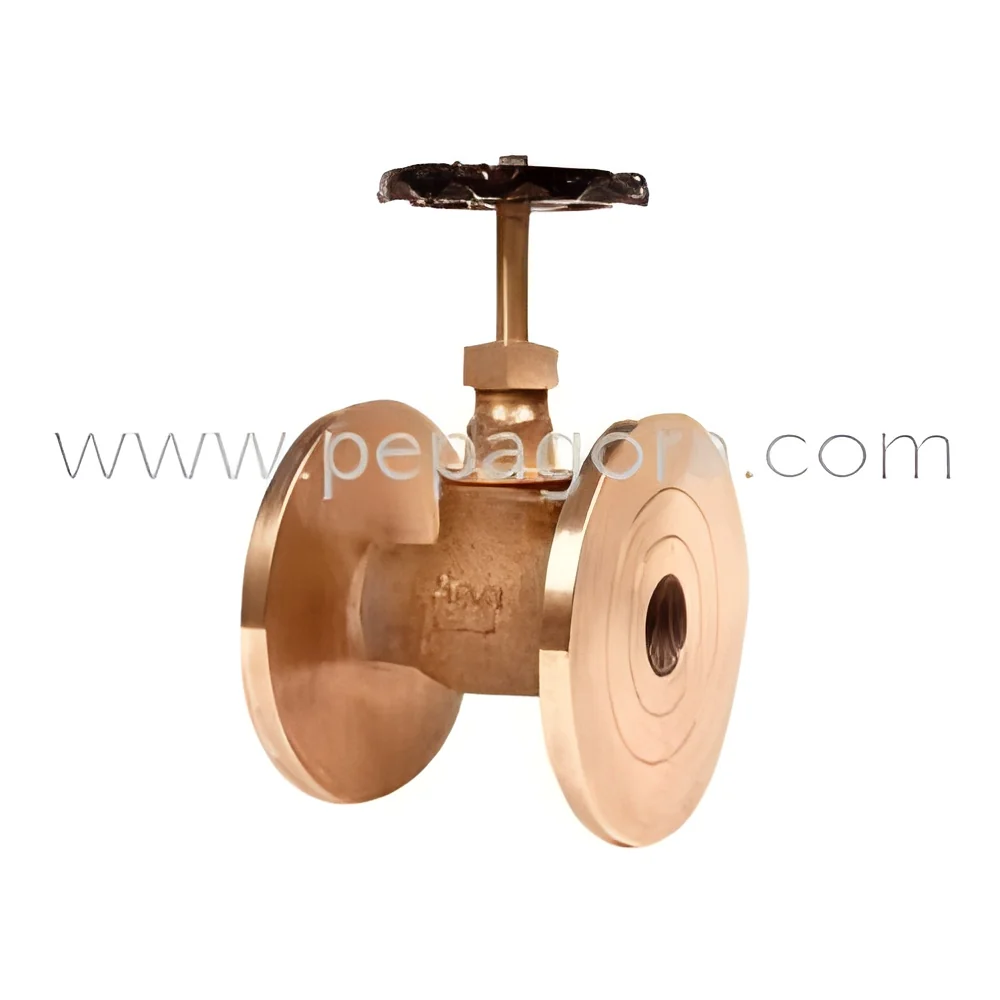
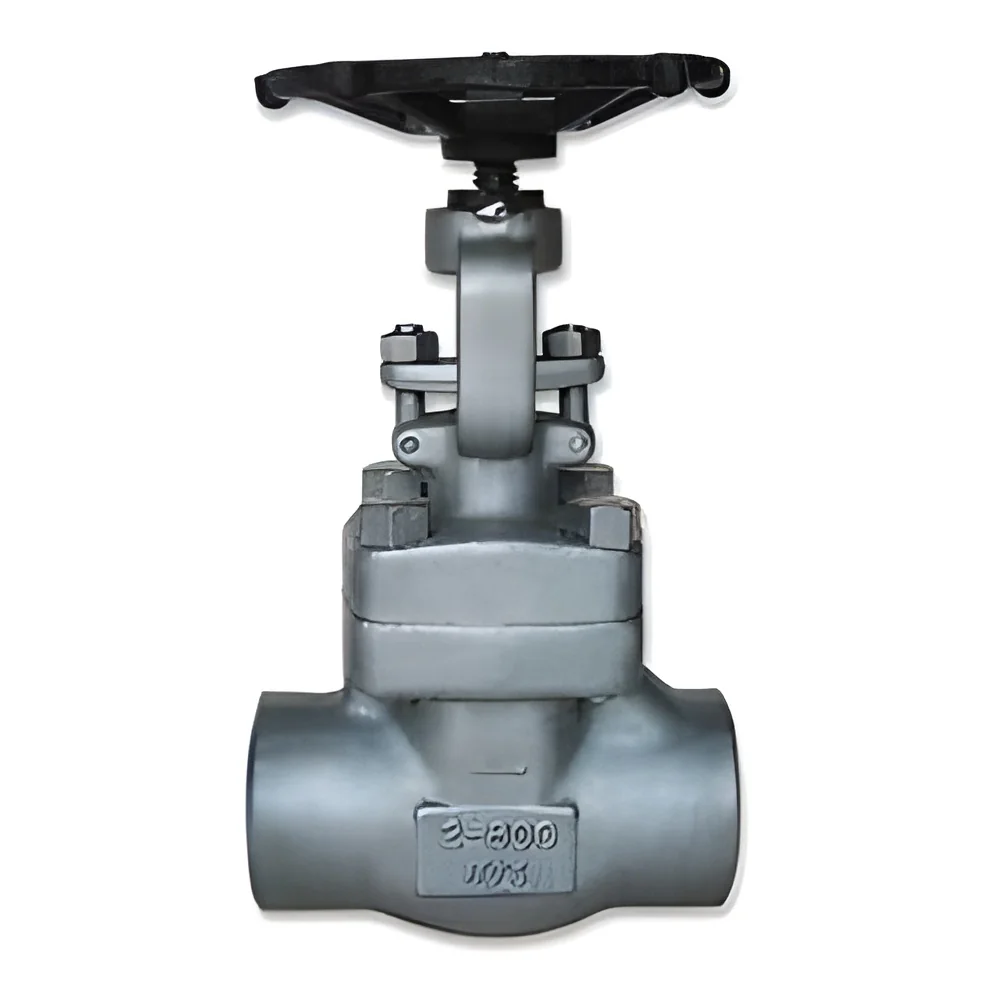
Industrial forged steel valves are engineered components designed for severe service applications where standard valves would fail. Manufactured through a controlled hot forging process, the steel undergoes significant plastic deformation, aligning the grain structure and eliminating internal defects. This results in a homogeneous, dense material with superior mechanical properties—including enhanced tensile strength, impact resistance, and fatigue life—compared to cast alternatives. The valves are built to handle the most demanding pressure and temperature profiles, ensuring a tight seal and reliable operation over thousands of cycles. Their design incorporates reinforced bodies, precision-machined seats, and robust stem packing, creating a barrier against leaks even under thermal cycling and pressure surges. This foundational reliability is why they are the preferred choice for engineers specifying equipment for critical process lines.

These valves find their essential role in indus...
Industrial forged steel valves are engineered components designed for severe service applications where standard valves would fail. Manufactured through a controlled hot forging process, the steel undergoes significant plastic deformation, aligning the grain structure and eliminating internal defects. This results in a homogeneous, dense material with superior mechanical properties—including enhanced tensile strength, impact resistance, and fatigue life—compared to cast alternatives. The valves are built to handle the most demanding pressure and temperature profiles, ensuring a tight seal and reliable operation over thousands of cycles. Their design incorporates reinforced bodies, precision-machined seats, and robust stem packing, creating a barrier against leaks even under thermal cycling and pressure surges. This foundational reliability is why they are the preferred choice for engineers specifying equipment for critical process lines.

These valves find their essential role in industries where system integrity directly impacts safety, productivity, and environmental compliance. In the oil and gas sector, they are deployed on wellheads, Christmas trees, and transmission pipelines to control the flow of hydrocarbons. Chemical and petrochemical plants utilize them to handle aggressive media like acids, caustics, and solvents, where material compatibility is crucial. Power generation facilities rely on them for boiler feedwater, steam let-down, and turbine bypass systems, where they must perform flawlessly under extreme heat. Beyond these, they are integral to water treatment for high-pressure pump control, to mining for slurry handling, and to manufacturing for hydraulic power units. Their versatility across such diverse sectors is a testament to their fundamental design strength and adaptability to various operational protocols and international standards.

The business value of specifying high-quality forged steel valves is measured in operational continuity and total cost of ownership. While the initial investment may be higher than lesser alternatives, the long-term economics are favorable. Their durability translates to extended service intervals, reduced spare part inventories, and minimal unplanned downtime. A reliable valve prevents costly process interruptions, product loss, and potential safety incidents. Furthermore, their consistent performance supports optimized process control, contributing to energy efficiency and product quality. For plant managers and procurement specialists, selecting these valves is a risk-mitigation strategy. It ensures infrastructure longevity, reduces lifecycle costs, and provides the operational confidence needed to meet production targets and maintain a safe working environment, ultimately protecting the asset and the bottom line.

Key Features:
- Constructed from hot-forged steel for maximum material density and structural integrity.
- Engineered for high-pressure service with standard classes including 800#, 1500#, and 2500#.
- Designed to withstand extreme temperature ranges, typically from -29°C to 593°C.
- Available with multiple end connection types: screwed, socket weld, butt weld, and flanged.
- Features precision-machined internals and robust stem packing for reliable, leak-tight shut-off.

Benefits:
- Delivers exceptional durability and a long service life in severe operating conditions.
- Ensures reliable performance and safety in critical high-pressure and high-temperature applications.
- Reduces total cost of ownership through minimal maintenance requirements and downtime.
- Provides versatile integration options with various pipe systems and actuation methods.
- Offers peace of mind with proven reliability that protects processes and personnel.
Specifications
| Additional Information | |
|---|---|
| Country of Origin | India |
Application
Forged steel valves provide critical flow control in systems where pressure and temperature extremes are routine. Their robust construction, achieved through hot forging, ensures structural integrity and leak-proof performance in aggressive environments. This makes them indispensable for managing steam, hydrocarbons, chemicals, and water under severe service conditions where safety and reliability are paramount.
These valves are specified across heavy industries for pipeline isolation, process control, and safety shutdown functions. Available in multiple pressure classes and end connections, they integrate seamlessly into existing infrastructure. The material strength and design precision allow for consistent operation over extended periods, reducing the frequency of maintenance interventions and supporting continuous production cycles in facilities that operate 24/7.
- Controlling crude oil and natural gas flow in upstream extraction and midstream pipeline transmission systems.
- Isolating and regulating high-pressure steam lines in thermal power plants and cogeneration facilities.
- Managing corrosive chemical transfers in petrochemical processing and pharmaceutical manufacturing plants.
- Serving as mainline isolation valves in high-pressure water distribution networks and desalination plants.
- Providing reliable shut-off in industrial heating systems and high-temperature fluid transfer applications.
Trade Details
| Available Stock | In Stock |
| Sample Availability | No |
Payment Terms
| Payment Terms |
|
Company Profile
Bajaj Industries, New Delhi
 New Delhi, India
New Delhi, IndiaTools & Hardware•Manufacturer•Distributor / Wholesaler
Factory Details
Factory SizeBelow 1000 sqm
Annual Production Capacity0
Industrial Forged Steel Valves High Pressure High Temperature Durable
Industrial forged steel valves deliver reliable high-pressure and high-temperature fluid control for demanding applications. Engineered for durability in oil and gas, chemical, and power generation industries.
Min. Order Quantity: 1 unit
Shipping
Shipping fee and delivery date to be negotiated. Contact supplier now for more details.
Bajaj Industries
 New Delhi, India
New Delhi, IndiaTools & HardwareManufacturer